

Mesothelioma Claims | Serving Florida
Mesothelioma Claim Papers: A Florida Checklist for Families
Mesothelioma can appear decades after asbestos exposure, and it can be hard to remember where that exposure happened. This checklist shows which documents may help and how to gather them, even if you are missing some.
What to know before you begin
Florida
Serving clients throughout Florida
Free
Initial consultation, confidential, with no obligation to continue
No fees
No attorney's fees or case costs unless there is a recovery
Florida Bar
Attorneys admitted to The Florida Bar
By CHG Lawyers · Published November 5, 2026
A mesothelioma claim is built on paper. Your records can show three things:
- What illness was diagnosed.
- Where and when asbestos exposure happened.
- What the illness has cost your family.
This checklist groups the most useful records into clear categories. You can start collecting them now.
Who This Checklist Is For
This checklist is for Florida patients diagnosed with mesothelioma. It is also for families who are thinking about a claim after a loved one has died from it.
Mesothelioma is a rare cancer. It usually starts in the thin lining that covers the lungs, chest, or abdomen.
The ATSDR asbestos health effects page reports that signs can appear 30 to 40 years after exposure. That long gap is why records from decades ago matter.
A claim depends mostly on where, when, and how the person was exposed. Florida’s asbestos law requires a sworn information form. “Sworn” means signed under oath.
See Fla. Stat. 774.205.
Asbestos bankruptcy trusts may also pay claims separately from a lawsuit. Many of the same work and exposure records help with both paths.
CHG Personal Injury Lawyers is a Florida-based firm. It serves clients throughout Florida. Igor Hernandez is the responsible lawyer for this page.
Some mesothelioma matters may be referred to, or handled together with, another law firm. We explain that during your consultation.
If your family is gathering papers after a mesothelioma diagnosis or a loss, you may have a claim worth reviewing, and our team can help you decide what to collect first. Talk it through with our team — the first consultation is free, confidential, and carries no obligation.
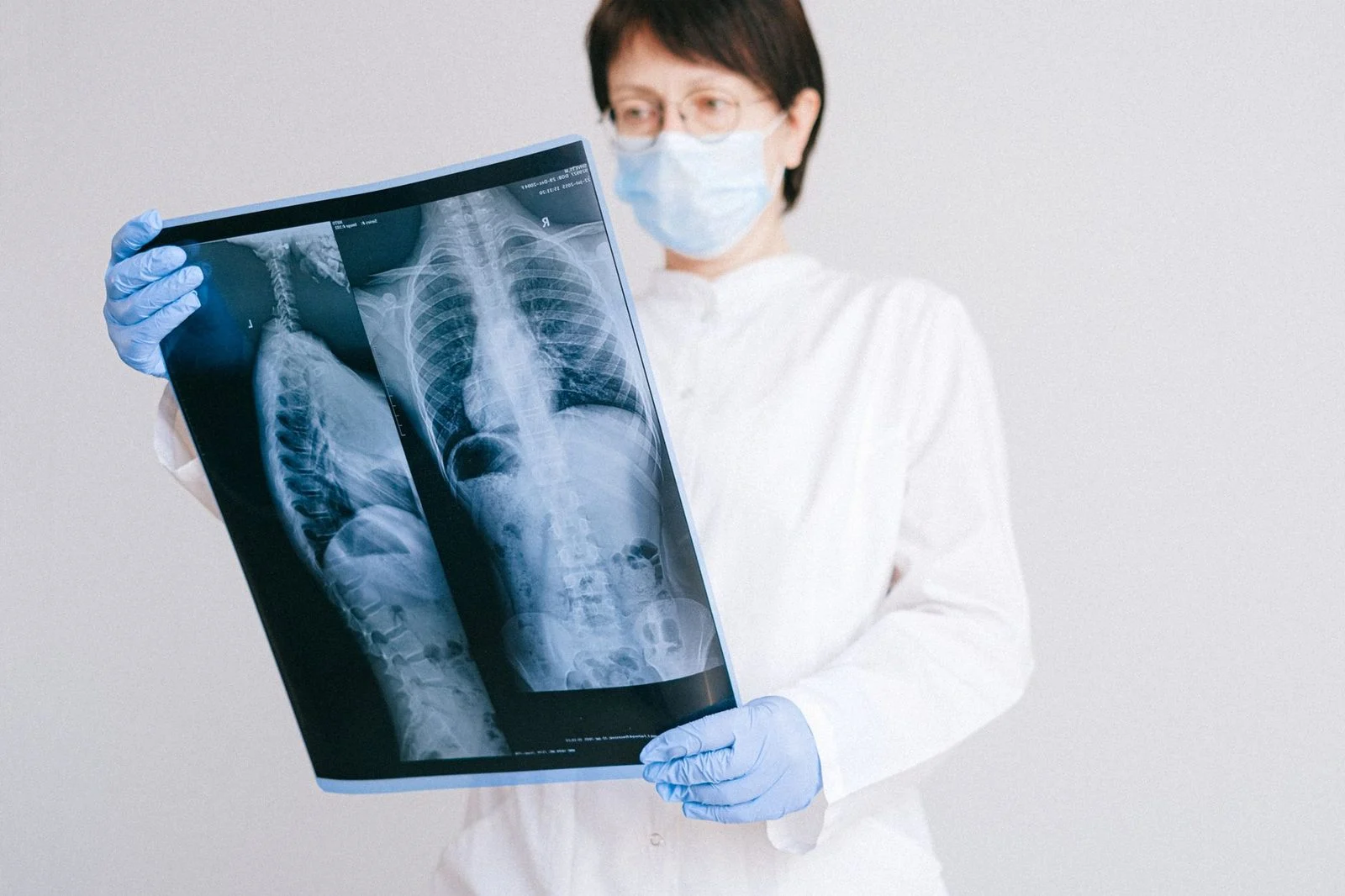
Medical Records That Document the Diagnosis
Medical records prove the diagnosis. That is why they are usually the first records to request. Ask each provider for complete copies, not summaries.
Diagnosis records:
- Pathology and biopsy reports (lab reports on tissue samples)
- CT, PET, and X-ray imaging reports
- The treating doctor’s written diagnosis of mesothelioma
Treatment records:
- Oncology (cancer doctor) and surgical notes
- Hospital discharge summaries
- Chemotherapy and radiation records
- Current medication lists
Doctors’ notes that record your asbestos or work history can be valuable. If that history is missing, ask your providers to add it to your file.
Keep originals safe. Save a digital backup. Follow your treating doctors’ care.
For a loved one who has died, add these records:
- The death certificate
- The autopsy report, if one was performed
- Final hospital or hospice records
Work History and Employment Records
Your work history is often the center of an asbestos claim. Many people were exposed on the job. Write down every job, not just the last one.
For each employer, record:
- The company name, plus any earlier or later names
- The worksite, plant, shipyard, or building names
- The job title and main tasks
- Approximate start and end dates
Gather offer letters, job descriptions, personnel files, and separation letters when you can.
Describe the work in plain terms. Examples include insulation, pipe work, boiler work, or gasket and brake work. Note what the worker did on a typical day.
Companies change names, merge, or close. Write down every name you remember.
OSHA asbestos hazards states that occupational asbestos exposure increases the risk of mesothelioma. It also states that these diseases have a delayed onset. In other words, symptoms appear long after exposure.
Union, Payroll, and Military Records
Union, payroll, and military papers confirm where and when the person worked. Start with what is already at home.
Union records:
- Membership cards and dues statements
- Local or hall numbers and apprenticeship records
- Job dispatch records that show assignments
Payroll and earnings records:
- Pay stubs, W-2 forms, and tax returns
- Pension or retirement statements
- Social Security earnings statements, which list reported employers by year
Military records:
- The DD-214 discharge form
- Duty station and ship assignment records
Many veterans were exposed to asbestos while serving. Questions about service connection, meaning the link between military service and an illness, depend on the facts of each person’s service and medical history. They look at the places, types, and circumstances of service. They also weigh medical and lay evidence. Lay evidence means statements from people without medical training, such as family or co-workers. See 38 CFR 3.303.
Old union and military records can take time to find. Start those requests early.
Evidence of Where and How Exposure Happened
Evidence of the exposure itself shows where asbestos was present. This part of the file often shapes the timeline.
- Photos or videos of worksites, ships, buildings, or equipment. Older images showing insulation, pipes, or boilers are especially useful.
- Product labels, boxes, invoices, or purchase orders for asbestos-containing products
- Renovation permits, inspection reports, or abatement records (records of asbestos removal or sealing) for older buildings where the person worked or lived
- Written notes from the patient or family, with dates, places, and co-workers
Federal rules require the owner or operator of a demolition or renovation job to thoroughly inspect the affected part of the building for asbestos before the work begins. Those records may show whether asbestos was found. See 40 CFR 61.145.
Household exposure matters too. If a spouse or parent worked with asbestos and brought fibers home on clothing, note the person, the job, and the dates. Also note any home renovation that disturbed old materials.
Witness Names and Contact Details
Co-workers and family members can often describe the work and the materials used. Put their names on your list.
For each witness, record:
- Full name and last known employer
- Job title and years worked together
- Phone number, email, and current city, if known
- What the witness saw or remembers, and when
Write memories down while they are fresh. Details fade over time. A note made soon after a memory is easier to check later.
Do not contact former employers or co-workers about the case on your own. Outreach can create confusion. Let the firm guide that step.
A witness list is one of the most useful things a family can prepare before a first consultation.
Not sure what your next step is?
Talk it through with our team — the first consultation is free, confidential, and carries no obligation.
Bills, Income Loss, and Benefit Paperwork
Bills, lost-income records, and prior claim papers show the financial impact. They also show what has already been filed. Keep them together.
- Medical bills, insurance explanations of benefits, and receipts for prescriptions, travel to treatment, and home care
- Pay stubs from before and after diagnosis, and employer letters about missed work
- Asbestos trust fund, VA, workers’ compensation, or insurance claim papers, including approval or denial letters
- Settlement papers, releases (signed documents that give up or settle a legal claim), or letters from earlier claims
Florida law limits evidence of satisfied medical bills to the amount actually paid, no matter who paid. See Fla. Stat. 768.0427. Records of your health coverage matter under that statute. So do records of any letter of protection (an agreement to delay payment until a claim is resolved).
Review earlier releases carefully. Under Fla. Stat. 768.041, a release with one party does not release others who may be liable for the same harm. Bring every release to the firm before you act on it.

Frequently Asked Questions About Gathering Records
Do I need every record before I call?
No. Gather what you have. List what is missing. Bring that list to your consultation.
What if my former employer no longer exists?
Write down the company name and location. Records may be held by successor companies (businesses that took over the old company’s work), unions, or archives.
Can my family start collecting records after a loss?
Yes. Families often start with the death certificate, medical records, and work history. Florida’s wrongful death law is found in Fla. Stat. 768.19.
Do filing deadlines apply?
Yes. For asbestos claims, Florida’s limitations period (the legal deadline to file) does not begin to run until the person discovers, or should have discovered, the physical impairment. See Fla. Stat. 774.206. Contact the firm promptly.
Do I have to pay to start?
Our free first consultation is confidential. It has no obligation to continue. CHG charges no attorney’s fees and no case costs unless there is a recovery.
Will the firm handle the case alone?
Some mesothelioma matters are referred to, or handled together with, another law firm. We explain how that works during the consultation.
If you are gathering mesothelioma claim documents after a diagnosis or the loss of someone you love, you do not have to sort them out alone. Our team can review what you have, point out what is missing, and explain your options. Contact CHG Personal Injury Lawyers for a free, confidential consultation.
Why gather these records early
Memories fade
Jobs, addresses and dates from decades ago are easier to confirm while people and paperwork are still available.
Records show where and how
Work, military and home records can show where and how a person may have been exposed to asbestos.
Your doctors come first
Gathering papers should never interfere with your medical care. Follow your doctors' treatment plan and share this list with them if it helps.
Bring what you have
A partial list is still useful. Our team can help identify what is missing during your consultation.
Keep originals safe
Keep original documents in a safe place and make copies for your files. Do not alter, discard or write on original records, and do not sign release forms you do not understand without first speaking with an attorney.
Documents that may help your claim
Medical records
Diagnosis reports, pathology results, imaging and treatment notes. Ask your care team or the hospital's records office for copies of what you already have.
Work history
Old pay stubs, W-2 forms, union cards, job letters and the names of past employers, worksites and shipyards, plants or job sites where you worked.
Military service
DD-214 separation papers, duty station records and any documents that list ships, bases or units where you served.
Home and household exposure
Renovation receipts, old building or home inspection reports, and photos or notes about materials used in a home, or work clothing brought home from a job site.
Trust fund and insurance papers
Asbestos bankruptcy trust claim forms, letters, insurance policies and any settlement or benefit statements you have received.
Family and witness details
Names and contact information for family members, coworkers or others who may remember your work or exposure history.