

Spinal Cord Injuries | Serving Florida
What Does the Word "Paraplegic" Mean?
A plain-language guide for patients and families facing a spinal cord injury, and the steps that can help you move forward.
By CHG Lawyers · Published October 13, 2026
What does the term “paraplegic” mean? Paraplegia Explained for Families
Your loved one has just been diagnosed with paraplegia. The doctors used the word “paraplegic,” and now you are trying to understand what it means for their future. You are probably searching for answers late at night. This page is written for you: the family member who needs a clear, honest explanation without medical jargon.
If a loved one became paraplegic after a serious accident, such as a truck crash, a fall, or an assault on someone else’s property, you can reach out to discuss what happened. Talk it through with our team. The first consultation is free, confidential, and carries no obligation.
Get a free consultation | Call now
Not sure what your next step is?
Talk it through with our team — the first consultation is free, confidential, and carries no obligation.
The Short Answer
Paraplegia means paralysis of the lower body, both legs, and usually part of the trunk. The spinal cord is damaged at the mid-back, lower back, or tailbone area. The person loses movement and sensation below the injury. The arms and hands are not affected.
Everything below explains what that means in daily life, how paraplegia differs from quadriplegia (paralysis affecting all four limbs), and what your family’s next steps might look like.
Where the Word Comes From
The word paraplegia comes from ancient Greek. Para- means “beside” or “alongside.” -plegia means “a stroke” or “struck down.” Together, the word describes paralysis of the lower limbs and trunk.
You will hear the -plegia root in other medical terms:
- Hemiplegia (one side of the body)
- Monoplegia (one limb)
- Quadriplegia (all four limbs)
Recognizing the root helps you decode what the medical team is telling you.
What Happens in Paraplegia
Paraplegia results from damage to the spinal cord at the thoracic (mid-back), lumbar (lower back), or sacral (tailbone) levels. Because the injury is below the neck, the cervical spine and upper body are spared. That is why the arms and hands keep working.
The spinal cord works like a highway of nerve signals. When it is damaged, signals from the brain cannot reach the lower body, and signals from the lower body cannot reach the brain. The result is loss of movement, loss of sensation, or both.
Complete vs. Incomplete Paraplegia
Complete paraplegia: All nerve signals are blocked below the injury level. The person has no movement or sensation below that point.
Incomplete paraplegia: Some nerve signals still get through. The person may keep partial movement, partial sensation, or both. Recovery potential varies widely.
How Doctors Grade Severity: The ASIA Impairment Scale
The American Spinal Injury Association (ASIA) Impairment Scale is the standard tool doctors use to grade spinal cord injuries. Your medical team will use it to describe your loved one’s injury level and severity. Knowing it helps you follow what the doctors say in rounds and in family meetings.
The ASIA scale rates injuries from A to E:
- ASIA A (Complete): No motor or sensory function below the injury level
- ASIA B (Incomplete): Sensory function preserved below the injury; no motor function
- ASIA C (Incomplete): Motor function preserved below the injury, but more than half of key muscles are weaker than grade 3 (unable to move against gravity)
- ASIA D (Incomplete): Motor function preserved, and at least half of key muscles are grade 3 or stronger
- ASIA E (Normal): Motor and sensory function normal
The neurologist or physiatrist performs a standardized exam, testing sensation and muscle strength at specific spinal levels, to assign the grade. That grade helps predict recovery potential and guides the rehabilitation plan.
What Changes Beyond Mobility
Paraplegia affects far more than walking. Many people experience:
- Changes in bladder and bowel control, often requiring catheterization or a bowel management program
- Sexual dysfunction
- Loss of temperature regulation below the injury level
- Chronic neuropathic pain
- Increased risk of pressure injuries (bedsores), which require careful skin care and regular repositioning
- Respiratory changes, depending on the injury level
This is why paraplegia is classified as a catastrophic, life-altering injury. It reshapes daily routines, self-care, relationships, and independence.
Paraplegia vs. Quadriplegia: The Key Difference
This is the distinction that confuses most families, so it is worth understanding clearly.
Quadriplegia (also called tetraplegia) is paralysis affecting all four limbs: both legs and both arms. It typically results from a spinal cord injury higher up the spine, usually at the cervical (neck) level.
| Paraplegia | Quadriplegia | |
|---|---|---|
| Limbs affected | Lower body only (both legs) | All four limbs (both legs, both arms) |
| Injury location | Thoracic, lumbar, or sacral spine | Cervical (neck) spine |
| Arms and hands | Work normally | Affected (partial or complete loss of function) |
| Daily tasks | Often uses a wheelchair and adaptive equipment; hands available for self-care and work | Often significant reliance on caregivers; hand and arm function may be severely limited |
Both are catastrophic. The injury level determines which limbs are affected and shapes the mobility aids, daily-care needs, rehabilitation timeline, and life adjustments a person will require.
Respectful Language: How to Talk About Paraplegia
Language matters. Phrasing many families and advocates prefer includes:
- “A person with paraplegia”
- “A person with a spinal cord injury”
- “A person living with paraplegia”
Person-first language, which puts the person before the condition, is generally preferred because it emphasizes the person’s full identity beyond the injury. Individuals have their own preferences, though. Some prefer identity-first language (“a paraplegic person”). The best approach is to ask your loved one which language they prefer.
How Paraplegia Happens: Common Causes
Paraplegia typically follows a sudden, traumatic injury to the spine. The leading causes include:
- Serious motor-vehicle crashes and truck accidents: High-impact collisions cause severe spinal trauma
- Falls from height: Construction accidents, falls down stairs, falls from scaffolding
- Acts of violence: Assaults, shootings, stabbings
- Medical complications: Rarely, spinal cord damage from surgery, infection, or vascular events
Many catastrophic-injury cases we see involve paraplegia resulting from:
- A high-impact truck crash caused by a negligent or reckless driver
- A fall caused by poor property maintenance, such as a missing handrail, a broken step, or poor lighting
- An assault or shooting that happened because the property owner did not provide reasonable security, such as working locks, adequate lighting, functioning cameras, or security personnel, at an apartment complex, parking garage, hotel, bar, or other business
If paraplegia followed an accident that may not have been your fault, it can help to talk through what happened with an attorney who handles catastrophic injury cases.
Have questions about what happened?
Ask our team directly. The first conversation is free, confidential, and there is no obligation to continue.
Is Paraplegia Permanent?
This is the hardest question. The honest answer is: it depends.
Complete spinal cord injuries typically result in permanent loss of function below the injury level. The spinal cord does not regenerate on its own, and current medical treatment cannot restore a completely severed cord.
Incomplete spinal cord injuries sometimes allow partial recovery, especially with intensive rehabilitation and physical therapy. Some people regain limited movement or sensation over months or years.
Prognosis is individual. It depends on:
- The exact injury level and severity (the ASIA grade)
- Whether the injury is complete or incomplete
- The quality of acute medical care
- The person’s age and overall health
- Access to rehabilitation and ongoing therapy
- Individual neurological factors
Your loved one’s doctors, not this page, will determine what recovery is realistic. Ask the neurologist or physiatrist directly: “Based on this injury, what recovery do we realistically expect?” The answer will be specific to that person and that injury.
Many families are in a waiting period now: uncertain, exhausted, hoping for recovery while bracing for permanent change. That uncertainty is one of the hardest parts, and it is normal to feel that way.
Life After Paraplegia: Rehabilitation and Adaptive Equipment
Paraplegia is life-altering, but it is not the end of life. With proper medical care, rehabilitation, and adaptive equipment, many people with paraplegia live independently or semi-independently and pursue work, education, and meaningful activities.
Acute rehabilitation typically begins in the hospital or a spinal cord injury center. Physical therapists and occupational therapists work with the person to:
- Strengthen the upper body and core
- Learn wheelchair mobility and transfers
- Adapt to bowel and bladder management
- Regain independence in self-care and daily activities
Long-term rehabilitation continues for months or years. Many people benefit from ongoing physical therapy to maintain strength and prevent complications such as contractures (muscle tightening) and pressure injuries.
Adaptive equipment makes independence possible:
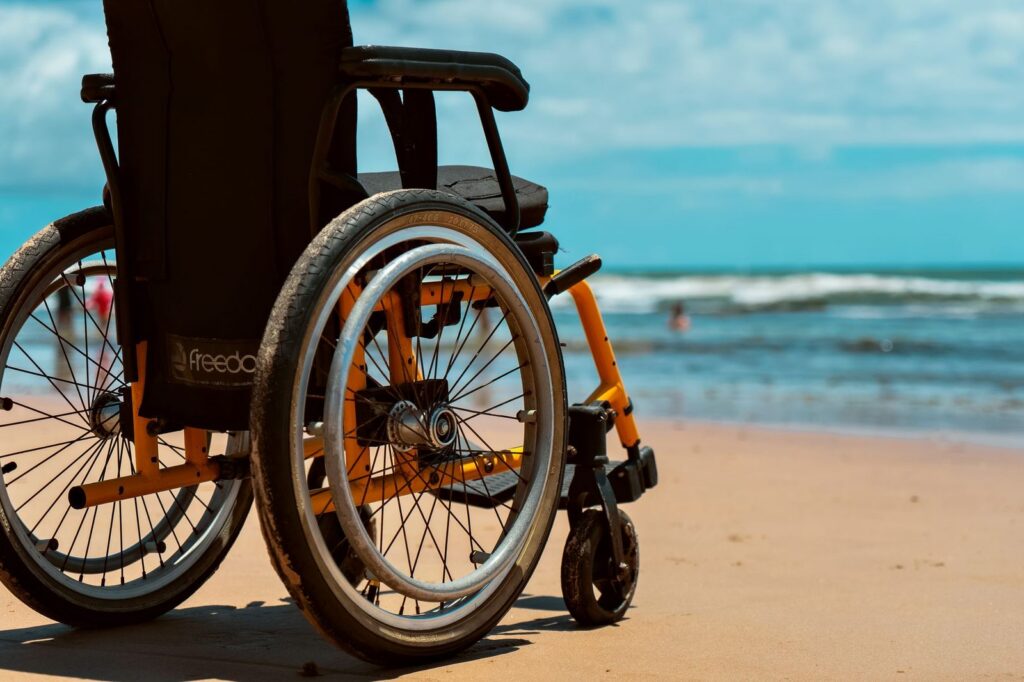
- Manual or motorized wheelchairs
- Grab bars, ramps, and accessible vehicle lifts
- Bathroom equipment such as accessible showers and raised toilets
- Computer access technology for work
- Orthotic devices to support posture or prevent complications
The cost of rehabilitation, adaptive equipment, and ongoing medical care is substantial. That is one reason legal compensation matters when someone else’s negligence caused the injury. Many families find that a life-changing injury brings costs such as medical care, assistive technology, home modifications, lost income, and long-term care and support.
How Spinal Cord Injuries Are Tracked
The National Spinal Cord Injury Statistical Center (NSCISC) at the University of Alabama at Birmingham maintains a database of spinal cord injury data in the United States. According to NSCISC data, approximately 288,000 people in the U.S. live with a spinal cord injury. The average age at injury is 43. Paraplegia accounts for roughly 50% of all spinal cord injuries.
The Christopher & Dana Reeve Foundation also tracks paralysis prevalence and provides resources for people living with spinal cord injuries and paralysis. These organizations publish research that helps families understand the scope of the injury.
When an Accident Caused the Paraplegia: Your Legal Options
If your loved one became paraplegic after a serious accident, you may have legal options, especially if someone else’s negligence or wrongdoing caused the injury.
Truck Accidents
A catastrophic truck crash can cause severe spinal cord injuries. Crashes may be caused by driver fatigue, mechanical failure, reckless driving, or a trucking company’s failure to maintain equipment or hire qualified drivers. If a truck driver or trucking company was at fault, the injured person may have a claim for damages.
Falls on Someone Else’s Property
If your loved one suffered a spinal cord injury in a fall on someone else’s property, an attorney can review what happened and how the property was being maintained. Unsafe conditions include missing handrails, broken stairs, poor lighting, and lack of maintenance. Lawyers call this premises liability.
Assault or Shooting on a Property
If your loved one was assaulted, shot, robbed, or attacked on someone else’s property, such as an apartment complex, parking garage, hotel, bar, gas station, or store, and the owner did not provide reasonable security, the owner may be liable. Lawyers call this negligent security.
What kinds of security measures matter? Examples of safety measures a property may have include:
- Working locks on doors and gates
- Adequate outdoor lighting
- Functioning security cameras
- Security personnel (guards or patrols)
- Proper maintenance of the property
- Policies to prevent foreseeable criminal acts
Gathering Information Early
Families often ask what to collect while a loved one is in treatment. Useful records include:
- Medical records and bills, including the ASIA grade and rehabilitation notes
- Any police or incident reports
- Photos or video of the location, lighting, locks, or conditions that contributed to the injury
- Names and contact information for witnesses
- Pay stubs and records showing lost income
Deadlines apply to these claims, so it is worth asking early. We can review the timing in your loved one’s specific situation.
Where Your Family Goes From Here
You are early in a difficult journey. Your loved one is in treatment or rehabilitation, and you are learning new medical terms while trying to understand what comes next, medically, practically, and legally.
If paraplegia came from a serious accident, such as a truck crash, a fall on someone else’s property, or an attack on a property that lacked basic safety measures, an attorney can help you and your family understand your options. You do not have to face this by yourself.
An attorney with experience in catastrophic spinal cord injuries can review what happened, explain your legal options, and help you pursue compensation for medical care, lost income, disability accommodations, adaptive equipment, home modifications, and the life changes your family is facing.
Reach out for a free case evaluation. You can contact us to discuss what happened and what your options are. There is no pressure and no cost to talk. CHG Personal Injury Lawyers charges no attorney’s fees and no case costs unless there is a recovery. No outcome can be promised in advance; every case is different.
Serving Florida
CHG Personal Injury Lawyers is a Florida-based firm. We focus exclusively on catastrophic injury cases, including spinal cord injuries, paralysis, traumatic brain injuries, and negligent security, and we represent injured people and families throughout Florida, including in Miami, Orlando, Tampa, and Jacksonville. Our attorneys are admitted to practice law in Florida.
Frequently Asked Questions
What does the term “paraplegic” mean?
A person with paraplegia has lost movement and sensation in the lower half of the body, usually including both legs. This happens when a spinal cord injury affects the lower part of the spine (thoracic, lumbar, or sacral levels). The arms and hands are typically not affected.
What is the difference between paraplegia and quadriplegia?
Paraplegia affects the lower body and legs; the arms and hands work normally. Quadriplegia (also called tetraplegia) affects all four limbs, including the arms and hands. The difference depends on how high on the spinal cord the injury occurred. Higher injuries affect more of the body.
How do doctors measure the severity of a spinal cord injury?
Doctors use the ASIA Impairment Scale to grade spinal cord injuries from A (complete) to E (normal). They perform a standardized exam testing sensation and muscle strength at specific spinal levels. The grade helps predict recovery potential and guides rehabilitation planning.
What causes someone to become paraplegic?
Paraplegia is most often caused by serious trauma to the spinal cord, such as truck crashes, falls, violent attacks on property where security was inadequate, or other severe accidents. It can also result from certain medical conditions or negligence during care.
Can someone with paraplegia live independently?
Many people with paraplegia live independently or semi-independently with proper rehabilitation, adaptive equipment, and support. Rehabilitation helps rebuild strength and independence in daily activities. Wheelchairs, grab bars, and accessible vehicle lifts enable mobility and self-care.
Can I bring a claim if someone else’s negligence left me or a loved one paraplegic?
If another party’s carelessness caused the injury, such as a truck driver, a property owner who failed to provide reasonable security, or another at-fault party, you may have a legal claim. Our attorneys focus exclusively on catastrophic injuries like paraplegia and offer a free case evaluation to review your situation.
Want to know where you stand?
Tell us what happened and our team will walk you through the options available to you, at no cost.
Versión en español: ¿Qué significa “parapléjico”?
Paraplejía significa parálisis de la parte inferior del cuerpo, es decir, de ambas piernas y, por lo general, de parte del tronco. La lesión de la médula espinal ocurre en la zona media de la espalda, la zona baja de la espalda o el coxis. La persona pierde movimiento y sensibilidad por debajo de la lesión. Los brazos y las manos no se ven afectados.
La cuadriplejía (también llamada tetraplejía) afecta las cuatro extremidades, incluidos los brazos y las manos, y generalmente se origina en la médula cervical, en el cuello. La diferencia depende de qué tan alta en la columna se encuentra la lesión.
Si un ser querido quedó con paraplejía después de un accidente grave, como un choque con camión, una caída o una agresión en la propiedad de otra persona, puede comunicarse con nosotros para hablar de lo ocurrido. La primera consulta es gratuita, confidencial y sin ninguna obligación.
Solicite una evaluación gratuita de su caso. | Llame ahora
CHG Personal Injury Lawyers es una firma con sede en Florida y atiende a personas lesionadas en todo Florida. CHG no cobra honorarios de abogado ni costos del caso a menos que haya una recuperación. No se puede prometer ningún resultado por adelantado; cada caso es distinto. Nuestros abogados están autorizados para ejercer la abogacía en Florida.
How CHG Personal Injury Lawyers Can Help
Florida-Based Representation
Our attorneys represent injured people and their families throughout Florida, from Miami and Fort Lauderdale to Orlando, Tampa, and Jacksonville.
A Focus on Catastrophic Injuries
Our practice focuses exclusively on life-altering injuries, including spinal cord injuries, paralysis, traumatic brain injuries, and amputations, along with the wrongful death cases that follow such tragedies.
Plain-Language Guidance
We explain your options clearly, in English or Spanish, so you can make decisions with confidence during a difficult time.
No Fees Unless There Is a Recovery
CHG charges no attorney's fees and no case costs unless there is a recovery.
A Diagnosis Is Not the Whole Story
Doctors use terms like paraplegia to describe where and how a spinal cord injury affects the body. Your medical team will guide your treatment and recovery. Keep copies of your medical records, bills, and the details of the accident, and speak with a lawyer early about the steps that can protect your family.
Questions Families Ask Most Often
Paraplegia vs. Quadriplegia
Paraplegia usually affects the lower body, including both legs. Quadriplegia, also called tetraplegia, affects the arms, hands, legs, and torso. The level of the injury on the spine determines which applies.
What Causes a Spinal Cord Injury?
Serious car and truck crashes, motorcycle and ATV accidents, falls, construction zone incidents, and violent attacks on someone else's property can all cause spinal cord damage.
Living With a Spinal Cord Injury
Recovery often involves rehabilitation, adaptive equipment, and changes at home and at work. Many families find that planning for these needs early makes a real difference.
Why Talk to a Lawyer Early
Evidence can disappear quickly after an accident. A consultation with a Florida personal injury attorney can help you understand your situation and the options available to your family.
Facing a Spinal Cord Injury? You Do Not Have to Face the Next Steps Alone.
Related practice areas
- Glossary
- What is the difference between hemiplegia and paraplegia?
- How is cauda equina syndrome treated?
- What are the early signs of cauda equina syndrome?
- Can you still walk with cauda equina?
- What are the early symptoms of cauda equina syndrome?
- What are the symptoms of chronic cauda equina syndrome?
- What are the four types of paralysis?