
Catastrophic Injuries | Serving Florida
Understanding Incomplete Paraplegia and the Next Steps for Your Family
A spinal cord injury can leave some function intact, and the questions that follow can feel overwhelming. Here is a plain-language guide to help you think through what comes next.
About CHG Personal Injury Lawyers
Florida
Florida-based personal injury firm
Licensed
Attorneys admitted to The Florida Bar
Free
Confidential first consultation
By CHG Lawyers · Published November 22, 2026
If someone you love was hurt in an accident, doctors may have used the term “incomplete paraplegia.” You probably have many questions.
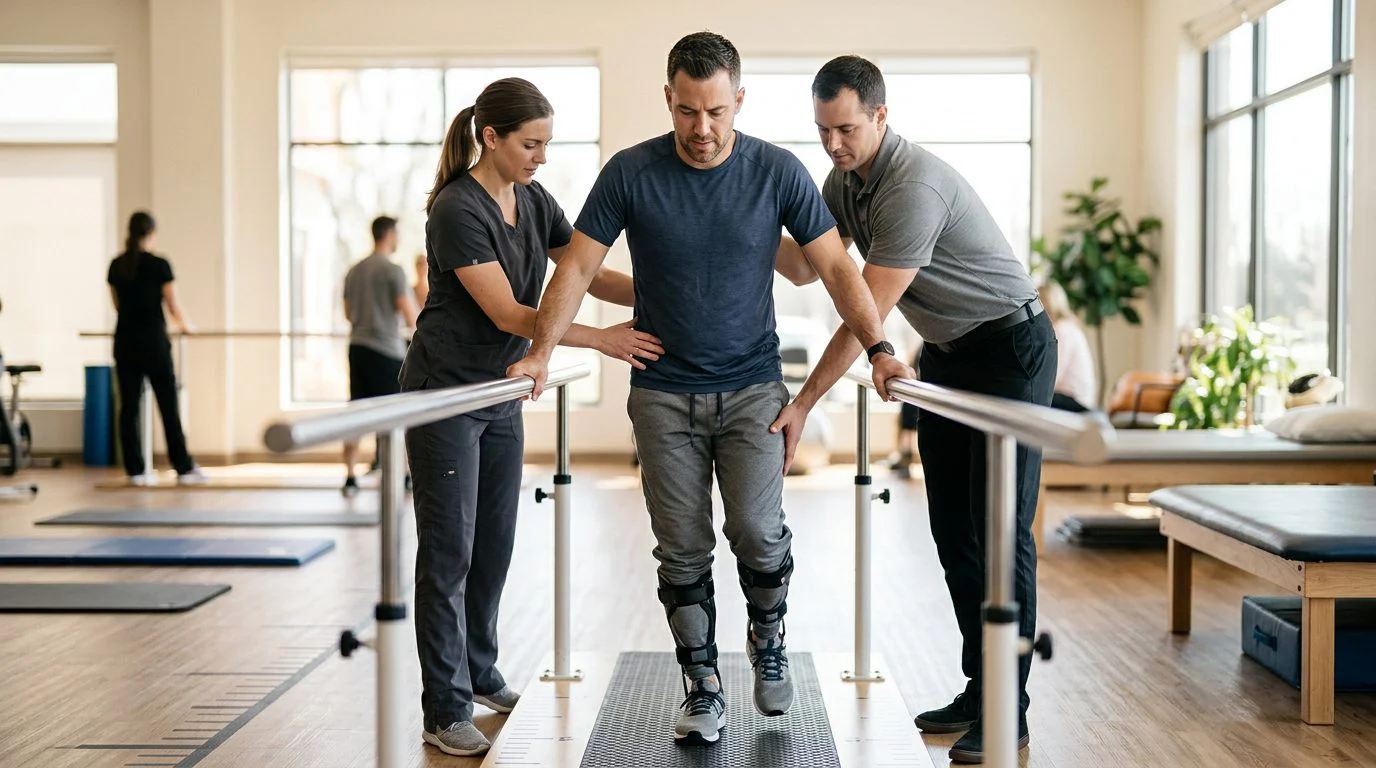
This term describes paralysis that mainly affects the legs. Paralysis means loss of movement. Some feeling or movement is still present below the injury.
The World Health Organization explains that a spinal cord injury can cause complete or incomplete loss of sensory or motor function below the level of the injury.
- Sensory function means feeling.
- Motor function means movement.
The word “incomplete” matters most here.
What the medical terms mean
Paraplegia and tetraplegia are two patterns of paralysis after a spinal cord injury. The pattern depends on where the spinal cord is hurt.
Paraplegia leaves arm function preserved, according to the World Health Organization. Tetraplegia, also called quadriplegia, affects the arms as well as the legs.
MedlinePlus explains that a neck-level (cervical) injury affects the arms and legs. A mid-back-level (thoracic) injury mainly affects the legs.
If your loved one has an incomplete spinal cord injury after an accident, you don't have to sort out the legal questions alone. Our team can talk with you about whether they may have a claim. Talk it through with our team — the first consultation is free, confidential, and carries no obligation.
Why “incomplete” matters
“Incomplete” describes whether some nerve signals still pass the injury site. The injury site is the place where the spinal cord was hurt.
The word does not describe how the injury looks to family members day to day.
MedlinePlus separates complete spinal cord injuries from incomplete ones. That split is the basis for the term “incomplete paraplegia.”
Recovery is different for each person. Doctors track changes over time. Their follow-up care is the most reliable guide to your loved one’s progress.
Follow your doctors’ care closely.
How these injuries happen
A spinal cord injury often comes from a sudden trauma. Trauma means a severe, sudden injury to the body.
MedlinePlus notes that spinal cord injury can cause paralysis and loss of function and sensation below the injury. It can result from trauma such as a car accident.
In Florida, these injuries often follow car crashes, truck crashes, falls, and other accidents. When another person’s carelessness caused the accident, the injured person may have legal options.
Florida legal questions families face
Florida sets a deadline for filing an injury lawsuit: in general, a case based on negligence must be filed within two years. A filing deadline is the last day to file a case. Recent changes to the law affect how that deadline works. The rules are set out in Florida Statutes § 95.11.
Deadlines apply to every claim other than an action to recover real property. Timing matters.
Florida also has rules for shared fault. Shared fault means the injured person was partly to blame. These rules can reduce a claim. The rules are in Florida Statutes § 768.81, and under them, in a negligence action, a person found more than 50 percent at fault for their own harm may not recover any damages, but this bar does not apply to personal injury or wrongful death cases arising out of medical negligence under chapter 766.
These are general points. How they apply depends on the facts of each case.
A Florida injury claim is a different test
A Florida personal injury claim asks different questions, such as who was at fault and what harm was caused.
The federal test asks whether an impairment keeps a person from substantial gainful activity. An impairment is a physical or mental condition that limits what a person can do. Substantial gainful activity means work that earns a steady income.
Under 20 C.F.R. § 404.1509, the impairment must have lasted or be expected to last for a continuous period of at least 12 months, unless it is expected to result in death.
Neurological dysfunction means problems with how the nerves work. Paraplegia and quadriplegia are examples.
Keep the two processes separate in your planning.
Next steps for your family
Families often start by keeping records. Save these items:
- Medical reports
- Bills
- Photos of the scene
- Names of anyone who saw the accident
Keep your loved one’s medical appointments on schedule. Write down changes you notice at home. Share them with the care team.
CHG Personal Injury Lawyers is a Florida-based personal injury firm. It focuses on spinal cord injuries, paralysis, and other serious injuries.
CHG charges no attorney’s fees and no case costs unless there is a recovery. The initial consultation is free, confidential, and carries no obligation to continue.
Not sure what your next step is?
Talk it through with our team — the first consultation is free, confidential, and carries no obligation.
Frequently asked questions
Is incomplete paraplegia the same as paraplegia?
Incomplete paraplegia is a form of paraplegia. The word “incomplete” means some nerve signals still pass the injury site.
Can someone with incomplete paraplegia still move their legs?
An incomplete injury leaves some sensory or motor function below the injury. Your loved one’s doctors can explain what that means for their case.
Does incomplete paraplegia affect the arms?
Paraplegia leaves arm function preserved, according to the World Health Organization. Tetraplegia is the form that affects the arms.
How long do families have to file a claim in Florida?
Florida sets a filing deadline by statute. Deadlines apply. Families should not wait to find out how the rules apply to their case.
Igor Hernandez is the responsible attorney for this page at CHG Personal Injury Lawyers, a Florida-based firm.
If your loved one’s injury followed an accident caused by someone else, you don’t have to face the legal questions alone. Contact CHG Personal Injury Lawyers to talk about whether they may have a claim.
How We Can Help Your Family
A Free, Confidential Consultation
The initial consultation is free, confidential, and comes with no obligation to continue.
Clear Explanations
We explain the legal process in plain language, so you know what to expect at each stage.
No Fees Unless There Is a Recovery
CHG charges no attorney's fees and no case costs unless there is a recovery.
Attorneys Who Stand With Families
Our attorneys and team focus on personal injury cases of every severity across Florida, including catastrophic injuries that change daily life.
An Important Note
Every spinal cord injury is different, and no website or article can tell you what your loved one's future holds. Follow the care plan set by your doctors, and ask them to explain what each test result and diagnosis means for your loved one.
Questions Families Often Ask Us
Where Do I Start?
Begin by keeping copies of medical records, bills, and the accident report, and by writing down what your loved one and your family have experienced since the injury.
Who Can Help Explain the Medical Side?
Your loved one's doctors, rehabilitation team, and other treating providers are the right people to explain diagnosis, prognosis, and daily care.
How Do Legal Claims Work in Florida?
Florida has its own rules and deadlines for injury claims. Because timing matters, it is important to speak with a Florida personal injury attorney promptly.