
Florida Paraplegia Guide
Paraplegic Meaning Explained: A Plain-Language Guide for Florida Families
A spinal cord injury can change everything in a single moment. Here is what the word paraplegic means, how doctors describe it, and what a family can do next.
By CHG Lawyers · Published November 14, 2026
Paraplegia Meaning: A Plain-Language Guide for Florida Families
A doctor has just used the word “paraplegic,” and you are trying to understand what it means for someone you love. That is a hard moment. Plain answers can help you think clearly about the next steps.
A paraplegic is a person who has paraplegia, which is paralysis of the lower half of the body. Paraplegia usually follows damage to the spinal cord, and the arms are generally not affected. This guide explains the term, the words people often confuse with it, and what Florida families can do after an accident that causes it.
If a crash, fall, or assault has left someone you love with paraplegia, you don't have to sort out the questions alone. Talk with our team in a free, confidential consultation. Talk it through with our team — the first consultation is free, confidential, and carries no obligation.

Paraplegic Meaning: What the Word Describes
Paraplegic means having paraplegia, paralysis that affects the lower half of the body. That usually includes both legs and can include the trunk and the pelvic organs, such as the bladder and bowel. The arms and hands are generally not affected.
Paralysis means a loss of movement. Sometimes it also means a loss of feeling. The cause is usually damage to the spinal cord, the bundle of nerves that carries signals between the brain and the rest of the body. When the cord is hurt below the neck, signals cannot get past the injury.
Florida’s crash law defines serious bodily injury as a physical condition that creates a substantial risk of death, serious personal disfigurement, or “protracted loss or impairment of the function of a bodily member or organ.” That definition explains why a spinal cord injury is treated as a life-changing harm.
Paraplegia vs. Quadriplegia: Where the Injury Sits
Paraplegia affects the lower body. Quadriplegia affects all four limbs. The difference comes down to where the spinal cord is hurt.
An injury in the neck area, called the cervical spine, can reach the arms and hands as well as the legs. That pattern is quadriplegia, also called tetraplegia. Injuries lower down, in the thoracic, lumbar, or sacral spine, usually lead to paraplegia.
Many people hear “paralyzed” and assume it means one or the other. “Paralyzed” is the general word. Paraplegic and quadriplegic name the specific pattern. Your loved one’s medical team determines the level of injury from imaging and testing, so the label for a specific person comes from his or her doctors.
Paraplegia, Paraparesis, and Paralysis: Key Terms
Paralysis is the broad term. Paraplegia is one specific pattern of paralysis.
Paraparesis is different. It means partial weakness in the legs, not total loss of movement. Paraplegia generally means a complete loss of function below the injury.
Doctors also describe spinal cord injuries as complete or incomplete. A complete injury means no movement or sensation below the injury. An incomplete injury means some function or feeling remains. The medical team uses these labels to describe the injury, and they can be updated after later testing.
Can Someone With Paraplegia Still Walk?
The answer depends on whether the spinal cord injury is complete or incomplete. People with an incomplete injury may keep some movement or feeling below the injury, and some regain function over time with rehabilitation. Recovery varies from person to person.
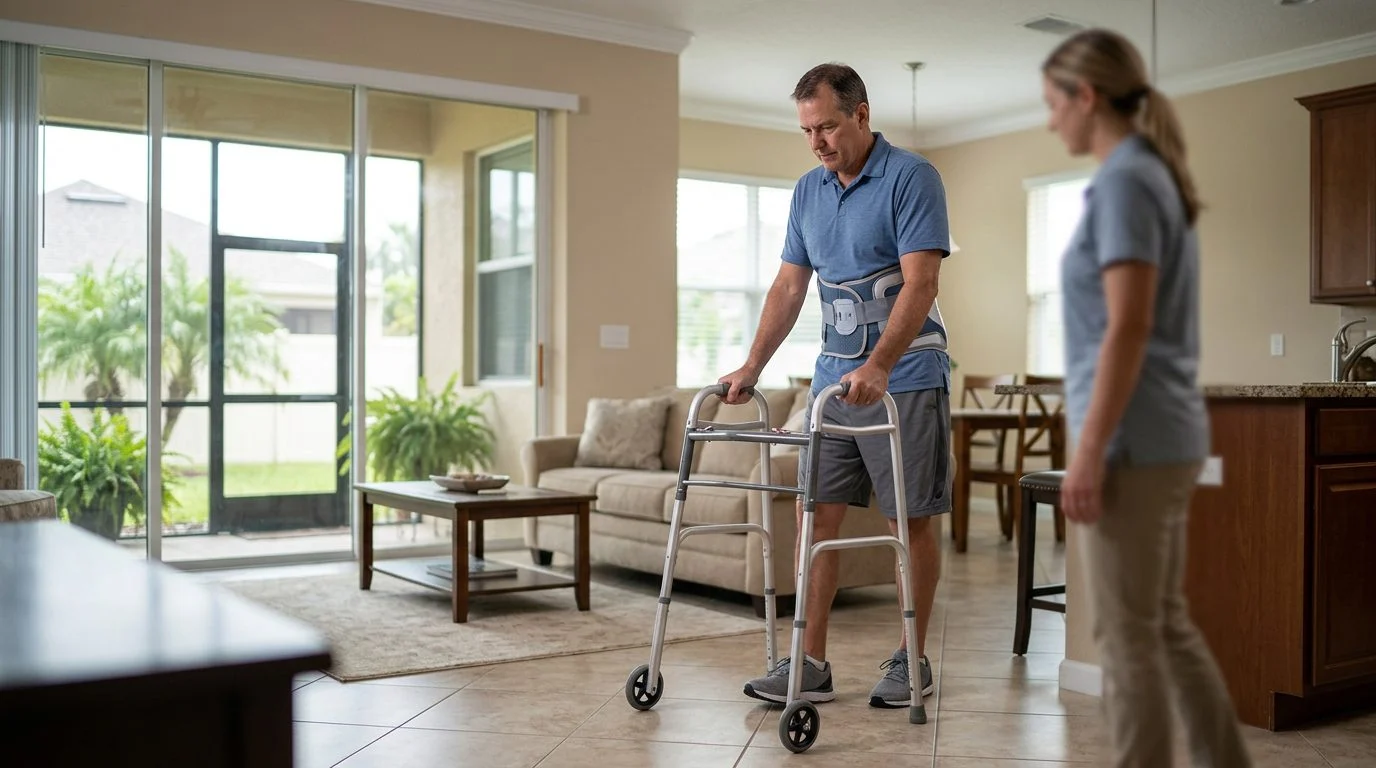
A complete injury generally does not bring back movement below the injury. In that case, mobility usually comes from equipment such as wheelchairs, braces, or other devices the medical team prescribes.
Your loved one’s medical team can explain what to expect in his or her case. Please follow the care and rehabilitation plan the doctors set.
What Causes Paraplegia, and How Daily Life Changes
Paraplegia usually starts with a sudden injury to the spinal cord. In accident cases, common causes include car, truck, motorcycle, bicycle, and ATV crashes, falls, and violent assaults.
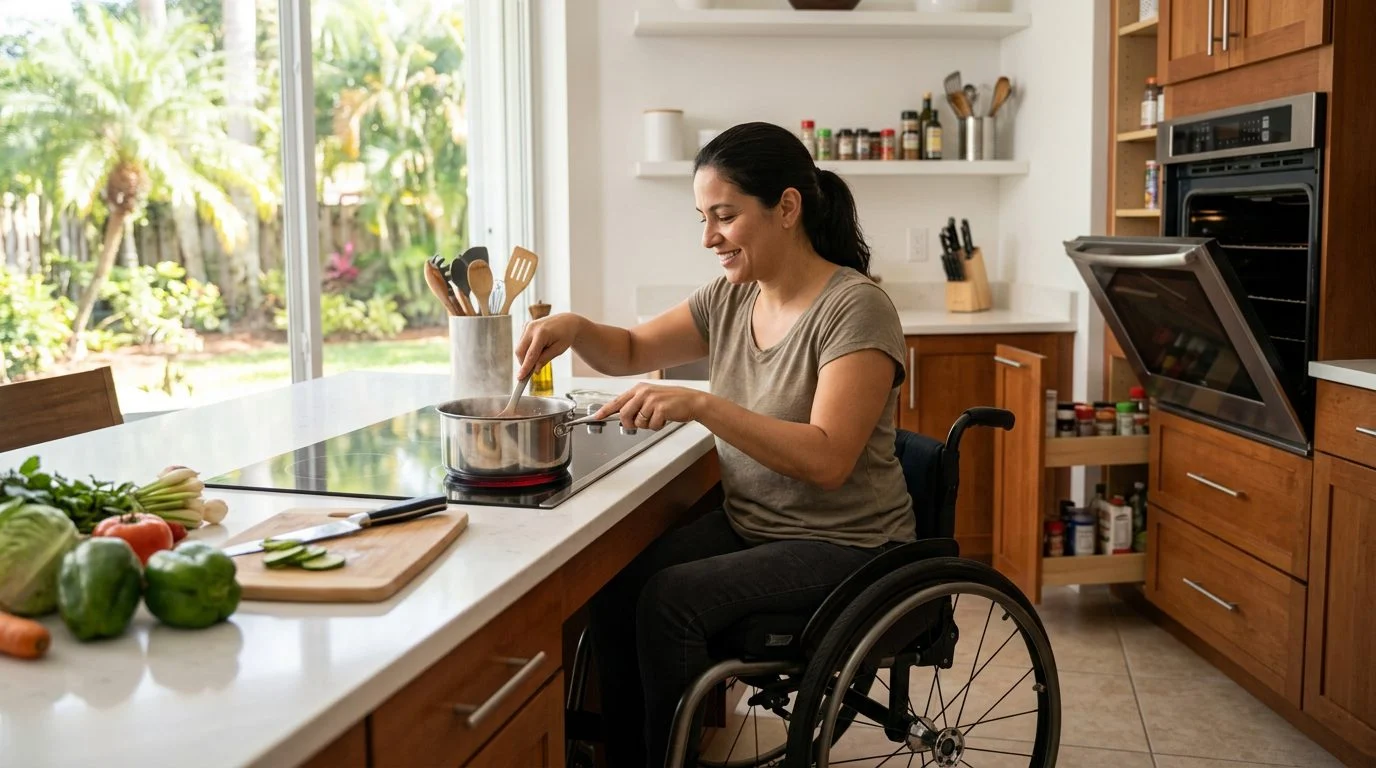
Daily life changes in many ways. Getting around, using the bathroom, skin care, pain, and sleep can all need new routines. Many families adjust the home, add equipment, and schedule ongoing medical visits.
Work and family roles often shift too. The person who becomes the main caregiver often carries a heavy load, and that burden deserves attention from the whole family.
Not sure what your next step is?
Talk it through with our team — the first consultation is free, confidential, and carries no obligation.
Long-Term Outlook
Long-term outlook depends on several things, not one number. The level of the injury matters, and so does whether the injury is complete or incomplete. The quality of early and ongoing medical care matters, along with the person’s overall health.
Only the medical team treating your loved one can give a prognosis. Ask them direct questions, and write the answers down.
What a Florida Family Should Protect After an Accident
If another person’s carelessness caused a spinal cord injury, the injured person may have a claim. Three things matter most early on: the deadline, fault, and the evidence.
The deadline. For most negligence claims that accrued after March 24, 2023, the Florida limitations statute allows two years to bring the action. Under Florida Statutes § 95.11(5), an action founded on negligence and an action for wrongful death must be commenced within two years. Because the deadline runs from when the claim accrued, families should not wait to get advice on which period applies.
Fault. Florida’s comparative fault statute says that in a negligence action, a party found greater than 50 percent at fault for his or her own harm may not recover any damages; this does not apply to an action for personal injury or wrongful death arising out of medical negligence under chapter 766. Under Florida Statutes § 768.81(6), in a negligence action to which that section applies, any party found to be greater than 50 percent at fault for his or her own harm may not recover any damages.
Property owners. When a crime happens on someone’s property, the owner may share responsibility. Under Florida’s premises liability statute, in an action for damages against the owner, lessor, operator, or manager of commercial or real property brought by a person lawfully on the property who was injured by the criminal act of a third party, the trier of fact must consider the fault of all persons who contributed to the injury.
The evidence to keep. For a crash involving personal injury, Florida requires a Florida Traffic Crash Report, Long Form, and the investigating officer must submit it within 10 days after the investigation is completed. The crash reporting statute lists “the names of the insurance companies for the respective parties involved in the crash” among the crash-report criteria it sets out. Families should also keep:
- Photos of the scene, vehicles, and injuries
- Names and contact details of witnesses
- Every medical record, bill, and payment receipt
Bills matter in a specific way. Florida law limits evidence of medical bills that have already been paid to the amount actually paid, regardless of the source of payment. Keeping those payment records helps show what was actually spent.
Claims can cover medical bills, lost income, future care, and pain and suffering. Deadlines apply, so contacting a lawyer early helps protect the options that remain.
Common Questions
Can you be paraplegic and still walk?
Yes, if the injury is incomplete. Complete injuries generally do not return movement below the injury.
What is the difference between paraplegia and paraparesis?
Paraplegia is a complete loss of function below the injury. Paraparesis is partial weakness in the legs.
Does paraplegia affect the arms?
Paraplegia generally does not affect the arms or hands. Quadriplegia, which involves a higher neck injury, does.
If you are facing these questions after an accident, you do not have to work through them alone. The attorneys at CHG Personal Injury Lawyers, a Florida-based firm, offer a free, confidential consultation to talk through your family’s options, with no obligation to continue. CHG charges no attorney’s fees and no case costs unless there is a recovery.
La consulta inicial es gratuita, confidencial y sin compromiso de continuar.
Written by Igor Hernandez, CHG Personal Injury Lawyers, a Florida-based personal injury firm.
Why Florida Families Contact CHG Personal Injury Lawyers
Licensed Florida Attorneys
Our attorneys are licensed and admitted to practice in Florida, and we represent clients throughout the state.
A Free, Confidential Consultation
The initial consultation is free, confidential, and carries no obligation to continue.
No Fees Unless There Is a Recovery
There are no attorney's fees or case costs unless there is a recovery.
Attention to the Whole Family
We understand that a catastrophic injury affects daily life, work, and the people who care for the injured person, and we take the time to listen.
Common Questions About Paraplegia
What Does Paraplegia Mean?
Paraplegia refers to paralysis of the lower body, typically the legs and trunk, that results from injury to the spinal cord. Doctors describe where and how an injury affects the spinal cord to explain what function may be lost.
Complete or Incomplete?
Doctors often describe a spinal cord injury as complete or incomplete. Your medical team can explain what the injury means for your particular case. Please follow your doctors' care closely.
Paraplegia or Quadriplegia?
Quadriplegia involves paralysis affecting the arms and legs, while paraplegia generally affects the legs and trunk. Both are life-altering conditions that can require long-term medical care and adaptive equipment.
When an Accident Causes It
Spinal cord injuries can result from car and truck crashes, motorcycle and ATV accidents, falls, and other incidents. If someone else's conduct may have caused the injury, a family can speak with a lawyer about their options.
Act Promptly
Deadlines apply to personal injury claims in Florida. Waiting to speak with a lawyer can affect your options, so please contact our office as soon as you are able.