

Spinal Injuries | Florida Personal Injury
What Are the Four Types of Spinal Injuries?
A plain-language guide from CHG Personal Injury Lawyers to the main ways the spine can be hurt in an accident, and what families can do next.
About CHG Personal Injury Lawyers
Florida
Florida-based firm serving clients throughout the state
Licensed
Attorneys admitted to The Florida Bar
Free
Initial consultation, confidential and without obligation
By CHG Lawyers · Published October 24, 2026
Spinal Cord Injury Classification: What Complete, Incomplete, and Injury Level Mean for Your Family
Si su ser querido tiene una lesión de la médula espinal, nuestro equipo puede explicarle los términos médicos y las opciones legales en Florida. Talk it through with our team — the first consultation is free, confidential, and carries no obligation.
If someone you love has a spinal cord injury
Maybe you are a parent sitting beside a hospital bed. Maybe you are a spouse learning how a home will need to change, or an adult child trying to understand what your father’s or mother’s injury will mean next month and next year. The doctors are using words like “cervical,” “complete,” and “incomplete,” and it can be hard to know what they mean for daily life.
This page explains those terms in plain language. It also explains how the classification of an injury connects to the questions your family may face, including care, equipment, and a possible legal claim in Florida. Every person’s situation is different, and your loved one’s medical team is the right source for their specific diagnosis.
How spinal cord injuries are classified
Doctors describe a spinal cord injury in two main ways: by where along the spine it happened, and by how much nerve function remains. Both matter.
1. Injury level: where along the spine
Your spine has four main regions, and each one is linked to different body functions. The spinal cord carries signals between the brain and the rest of the body. When it is damaged, the location of the injury helps decide which functions are affected.
- Cervical (neck): Eight vertebrae are labeled C1 through C8. Cervical injuries affect the neck, where the spinal cord controls the arms, hands, legs, breathing, and heart rate.
- Thoracic (mid-back): Twelve vertebrae are labeled T1 through T12. Thoracic injuries usually affect the legs and lower body, while the arms and hands often keep their function.
- Lumbar (lower back): Five vertebrae are labeled L1 through L5. Lumbar injuries usually affect the legs, hips, and bladder or bowel function, while the upper body and arms remain unaffected.
- Sacral (base of the spine): Five fused vertebrae are labeled S1 through S5. Sacral injuries often affect bowel and bladder control, sexual function, and leg strength.
Where an injury sits is only part of the picture. Two people with injuries at the same level can have very different outcomes, depending on the rest of this classification.
2. Tetraplegia (quadriplegia) vs. paraplegia
These two terms describe which limbs are affected:
- Tetraplegia, also called quadriplegia, is paralysis that affects all four limbs. It usually follows a cervical injury. Even an injury lower in the neck, such as at C7 or C8, can significantly affect arm and hand strength.
- Paraplegia is paralysis of the legs and lower body. It usually follows a thoracic, lumbar, or sacral injury, and the arms and hands often keep their function.
Some families hear that a loved one has “quadriplegia” and assume that every movement is gone. In practice, a C5 incomplete injury may preserve some arm movement while reducing hand function, and a C6 injury may allow shoulder movement while leaving the fingers paralyzed. These differences shape independence and daily routines.
3. Complete vs. incomplete
This is the question most families ask first.
- A complete spinal injury means all nerve function is lost below the injury site. The person has no feeling and no voluntary movement below that level.
- An incomplete spinal injury means some nerve function remains below the injury. The person may have partial feeling, partial movement, or both. The nerve pathways are not entirely severed, and incomplete injuries often have better recovery potential.
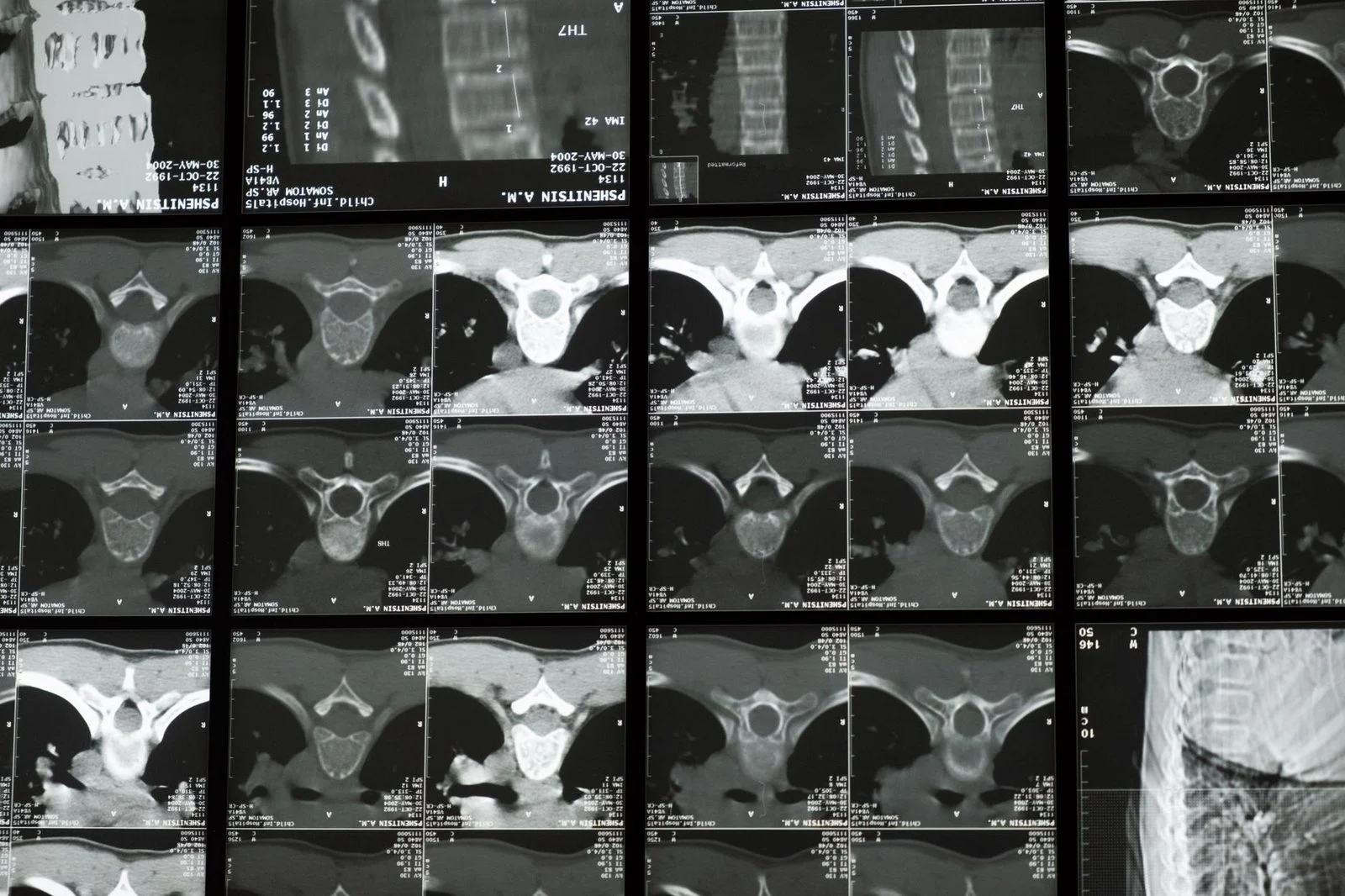
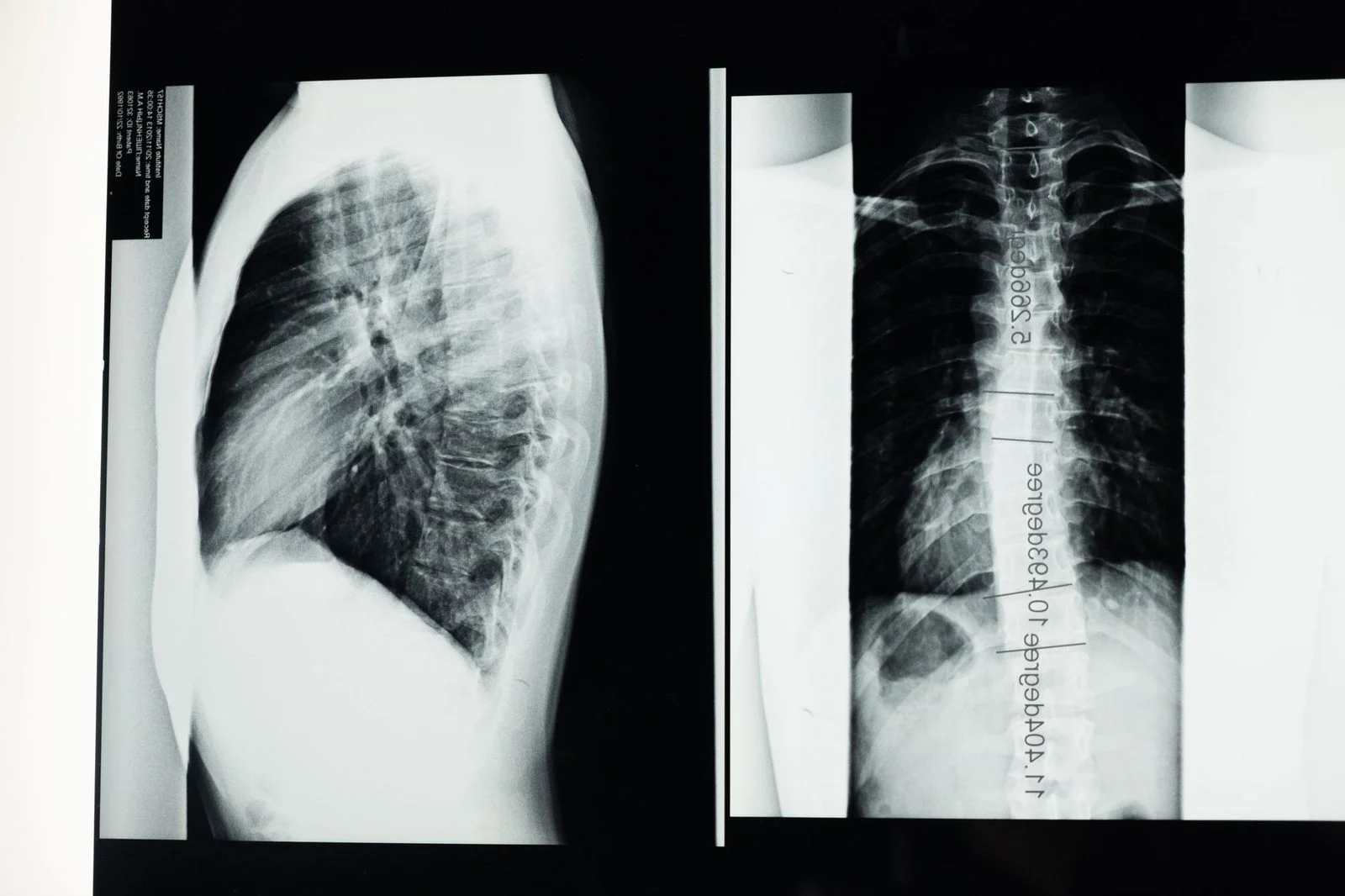
Doctors use the ASIA Impairment Scale to classify severity. They rely on imaging, such as MRI and CT scans, and on neurological exams that test feeling and movement.
Classification can change. In the weeks and months after an injury, as swelling decreases, doctors may reclassify the injury. A person first classified as complete may later show signs of incomplete function. This can bring real hope, but no outcome is certain, and a reclassification does not mean the first diagnosis was wrong.
Daily life: breathing, bladder, bowel, and daily care
Families often ask what a classification will mean at home. Here are the broad patterns, described with care:
- Breathing: Someone with a high cervical injury (C1–C4) may need a machine to help them breathe. Breathing support depends on the level and the person’s medical course, and the care team will explain what applies to your loved one.
- Bladder and bowel: Injuries at the thoracic, lumbar, and sacral levels often affect bladder and bowel function. Routines for managing these needs are a central part of rehabilitation.
- Arms and hands: Thoracic and lower injuries usually leave the arms and hands working, which often helps with work and daily tasks. Cervical injuries can change how a person uses their hands, which may require adaptive equipment.
- Home and equipment: Families frequently need to plan for accessible spaces, equipment, and daily assistance.
Please follow your doctors’ care and treatment plans. Rehabilitation teams can explain what to expect and how to prepare, and their guidance should shape your family’s decisions.
Lifetime costs and what families face
Injury classification affects the long-term picture. Lifetime costs of a spinal cord injury range from approximately $2.1 million to $6.4 million, depending on severity and age at injury. A complete cervical injury will have very different lifetime care costs than a lumbar injury.
A person injured at age 25 faces decades of adaptive equipment replacement, attendant care, and accessible housing. A person injured at 55 faces a different but equally significant financial reality. The injury level and classification help determine where your family’s situation falls on that range.
From medical facts to legal next steps in Florida
If a spinal cord injury resulted from an accident or someone else’s wrongdoing, such as a car crash, a truck crash, a fall on an unsafe property, a workplace accident, or violence, you may have a legal claim. Here is how the medical facts connect to the legal process:
- Medical records and classification matter. The documented injury level, the classification, and any changes over time are central to calculating what your family has lost. Compensation can account for medical care, equipment, home modifications, lost income, and other damages.
- Fault is examined. Florida law addresses how fault is divided. The statute on comparative fault says that contributory fault chargeable to the claimant diminishes proportionately the amount awarded for an injury attributable to the claimant’s contributory fault, but does not bar recovery, subject to subsection (6). The same statute provides that in a negligence action to which this section applies, any party found to be greater than 50 percent at fault for his or her own harm may not recover any damages, but this does not apply to an action for personal injury or wrongful death arising out of medical negligence under chapter 766. Because of this, how an accident is documented and described can matter a great deal.
- Deadlines apply. Florida law sets deadlines for bringing a claim, and they apply to every case. Do not wait to get information about your options. Contact a lawyer promptly so that evidence can be preserved and deadlines are understood early.
Early legal guidance helps your family understand its rights and capture the full scope of its needs, including future care that a classification may point to.
Not sure what your next step is?
Talk it through with our team — the first consultation is free, confidential, and carries no obligation.
Frequently asked questions
What is the difference between a complete and an incomplete spinal injury?
A complete injury means no nerve function below the damage site. An incomplete injury means some nerve signals still pass through, often with better recovery potential.
Can classification change after the injury?
Yes. As swelling decreases and the spinal cord stabilizes, doctors may reclassify the injury. This is a normal part of the process for many patients.
Does a classification mean I know the outcome?
No. Recovery varies widely and depends on injury severity, age, overall health, and the quality of early care. Your medical team is the right source for your loved one’s prognosis.
Free, confidential consultation
CHG Personal Injury Lawyers is a Florida-based firm. The firm handles personal injury cases of every severity, and its licensed attorneys focus on catastrophic injury, paralysis, and related claims. This page is the responsibility of Igor Hernandez, one of the firm’s licensed attorneys.
Our team understands that a spinal cord injury changes everything at once. The firm offers a free, confidential initial consultation with no obligation to continue. CHG charges no attorney’s fees and no case costs unless there is a recovery.
Reach out for a free consultation to talk through your family’s situation and whether you may have a claim.
Versión en español
Esta página está disponible para familias de habla hispana que prefieren leer en español. Si su ser querido tiene una lesión de la médula espinal, nuestro equipo puede explicarle los términos médicos y las opciones legales en Florida. Igor Hernandez es el abogado responsable de esta página en CHG Personal Injury Lawyers, una firma con sede en Florida.
Consulta inicial gratuita, confidencial y sin compromiso. CHG no cobra honorarios de abogado ni costos del caso a menos que haya una recuperación. Los plazos legales aplican, así que le recomendamos comunicarse con nosotros pronto.
The Four Main Types of Spinal Injuries
1. Vertebral Fractures
The spine is made of stacked bones called vertebrae. A crash, fall, or heavy impact can crack or crush one or more of them. Some fractures are stable, while others can shift and put pressure on the spinal cord or nerves.
2. Herniated or Ruptured Discs
Discs are soft cushions between the vertebrae. Severe force can push a disc out of place or tear its outer layer, which may press on nearby nerves and cause pain, weakness, or numbness.
3. Ligament and Soft Tissue Injuries
Ligaments and muscles hold the spine steady. Sudden twisting or jolting, common in car and truck crashes, can stretch or tear these tissues and leave the spine unstable even when no bone is broken.
4. Spinal Cord Injuries
The spinal cord carries signals between the brain and the body. Damage to the cord can affect movement and sensation below the injury and may be complete or incomplete. These injuries can be permanent and may lead to paralysis.
How We Can Help Families Facing a Spinal Injury
Focus on Recovery First
Follow your doctors' care plan and keep every appointment. Medical treatment comes first, and our team can help with the legal side while you heal.
Keep Records
Save medical bills, imaging reports, photos of the scene, and notes about missed work and daily limits. Clear records help show what the injury has changed.
Support for the Whole Family
A spinal injury affects caregivers, children, and spouses too. We listen to the whole family and explain options in plain language.
No Fees Unless There Is a Recovery
CHG Personal Injury Lawyers charges no attorney's fees and no case costs unless there is a recovery.
Important: Classification Can Change
Doctors may not be able to tell how serious a spinal injury is right after an accident. As swelling goes down, the diagnosis can change. This guide is general information, not medical advice. If you or someone you love has been hurt, seek medical care right away and follow your doctors' instructions.