
Spinal Injuries | Serving Florida
Surgery Outcomes Vary. Your Claim Starts With What Happened to You.
Plain answers for Florida families facing cauda equina injuries after a crash, fall, or other accident, and how a personal injury claim fits alongside medical care.
Why Families Contact CHG
Florida
Florida-based personal injury firm
Licensed
Attorneys admitted to The Florida Bar
Free
First consultation, confidential and without obligation
By CHG Lawyers · Published November 28, 2026
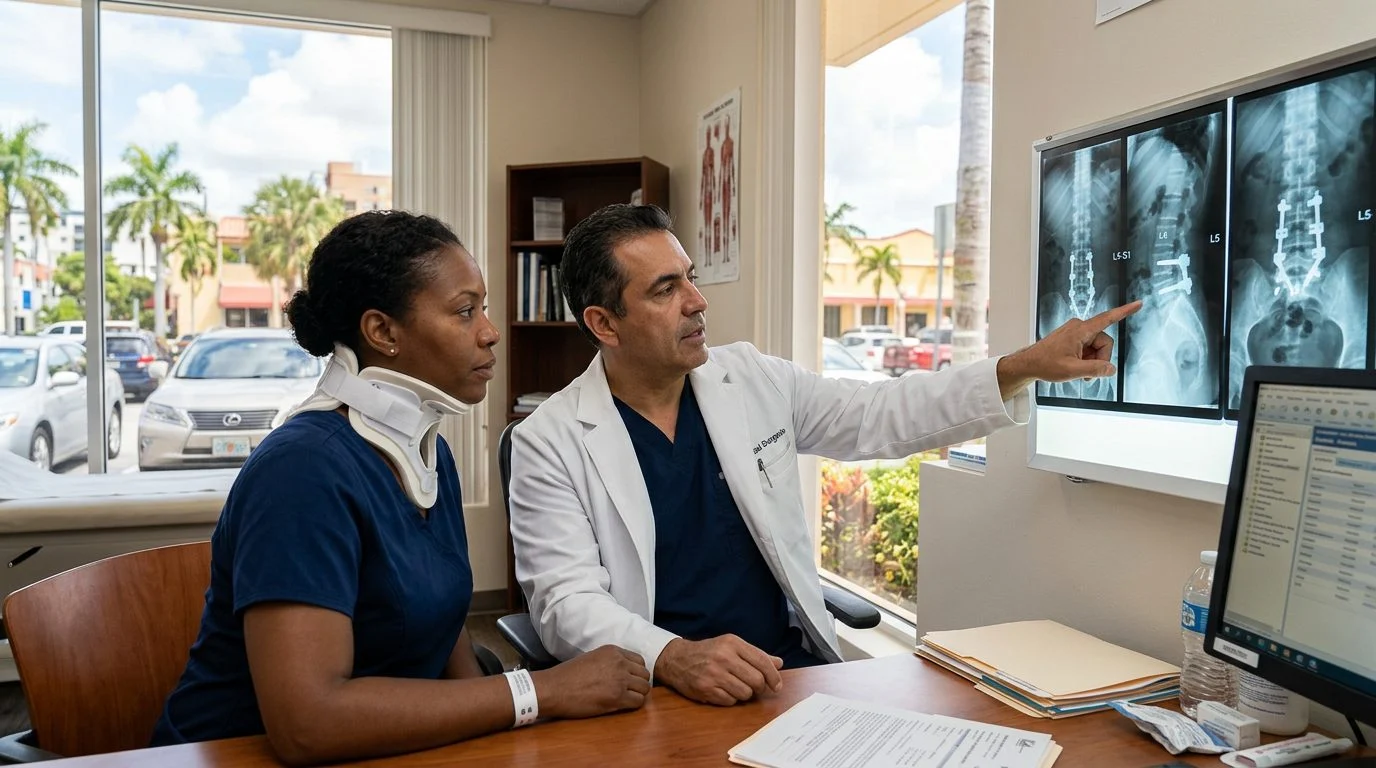
If an accident has left you or someone you love facing cauda equina surgery, you may want a number. A number can show what recovery looks like. It describes groups of patients, not one person.
It cannot predict your outcome.
This page explains what these figures measure. It also explains how an accident in Florida can affect the legal side of your situation.
Cauda Equina Syndrome Explained, and Who This Page Is For
Cauda equina syndrome is a serious condition. The bundle of nerves at the bottom of the spinal canal can be compressed or damaged.
The spinal canal is the channel that holds the spinal cord. Compressed means squeezed under pressure.
The cauda equina is a bundle of nerve roots at the lower end of the spinal canal. These nerves help control:
- The bladder and bowel
- Sexual function
- Movement and feeling in the legs
Doctors often treat compression of these nerves as urgent. Surgery is one option a spine team may recommend.
This page is for people in Florida who were hurt in a crash, a fall, or another accident. It is also for people who want to understand what surgery outcomes mean.
For background on how nerve damage in the spine can affect movement and feeling, see the WHO spinal cord injury fact sheet.
This page is general information, not medical advice. Follow the care plan your own doctors set for you.
If a crash or fall has left you weighing cauda equina surgery, you may have a claim worth reviewing, and our team can walk you through your options at no cost to start. Talk it through with our team — the first consultation is free, confidential, and carries no obligation.
What a Surgery Success Rate Usually Measures
A surgery success rate is a percentage. It shows how many patients in a study reached a set result. Each study defines that result in its own way.
Common outcomes include:
- Pain relief
- Bladder and bowel function
- Sexual function
- Leg strength and feeling
- Walking ability
- Return to work or daily life
Studies also group patients. They group them by age, cause of compression, and severity. They also look at how long symptoms lasted before treatment.
One published figure cannot be applied to every patient.
When you read a cauda equina surgery success rate, ask three questions:
- What was measured?
- Over what time period?
- Does it cover nerve function, pain, or both?
Recovery often unfolds over months. Early results may not show the full picture.
Factors That Shape Recovery After Surgery
Recovery depends on medical and personal factors. Your spine team weighs these factors together. No single number decides your recovery.
- How long the nerves were compressed before surgery
- How quickly diagnosis and treatment happened
- How the injury happened. A sudden crash impact, a fall, and other trauma can cause different damage.
- Other spine or nerve injuries that happen at the same time
- Age, overall health, and other medical conditions
- Rehabilitation and follow-up care, which your treating medical team directs
A common mistake is judging your own progress by a statistic from a study. Your surgeon and care team track your results directly. They are the right people to talk through what to expect.
When an Accident Causes This Injury, What a Claim Can Cover
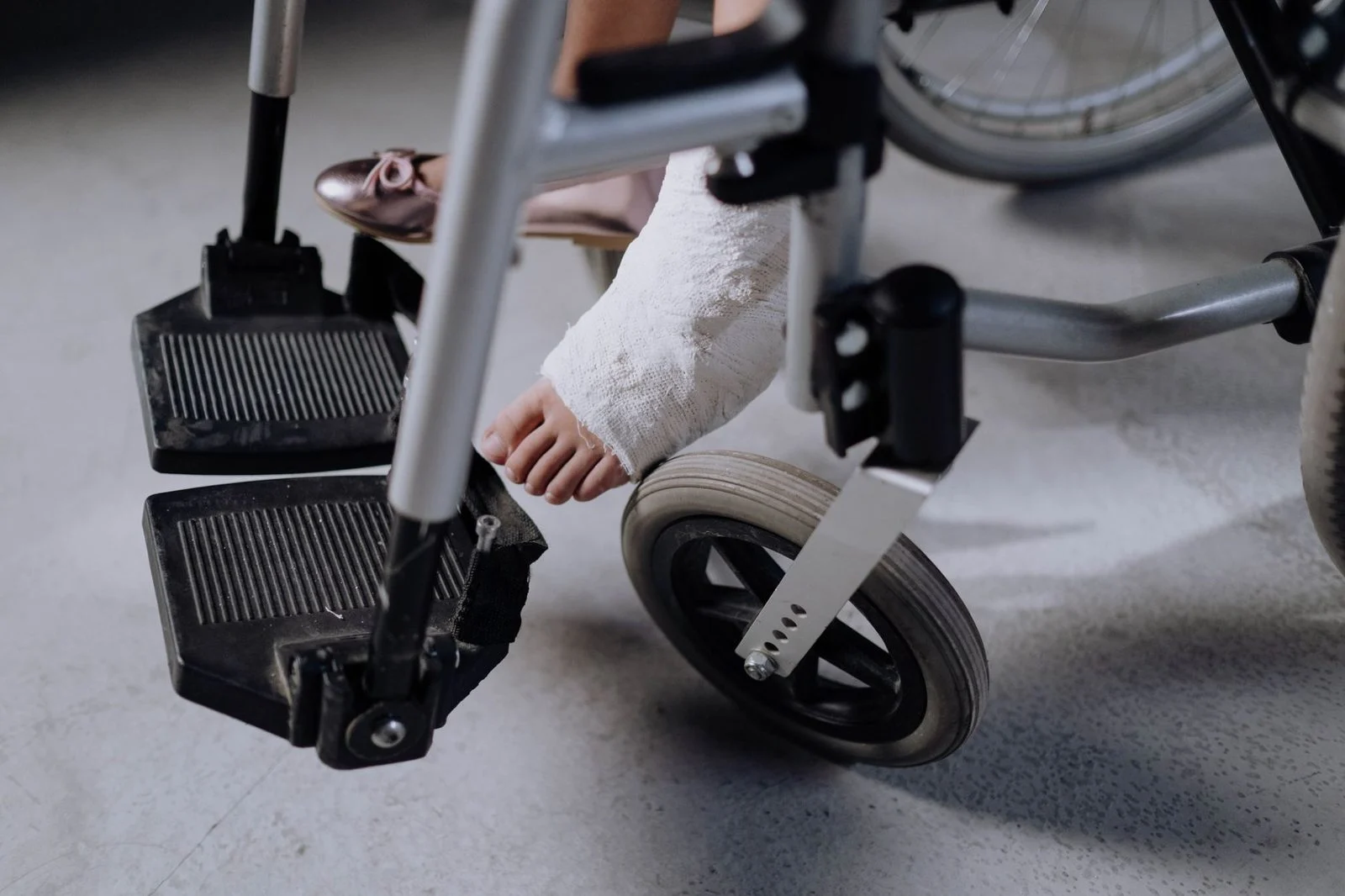
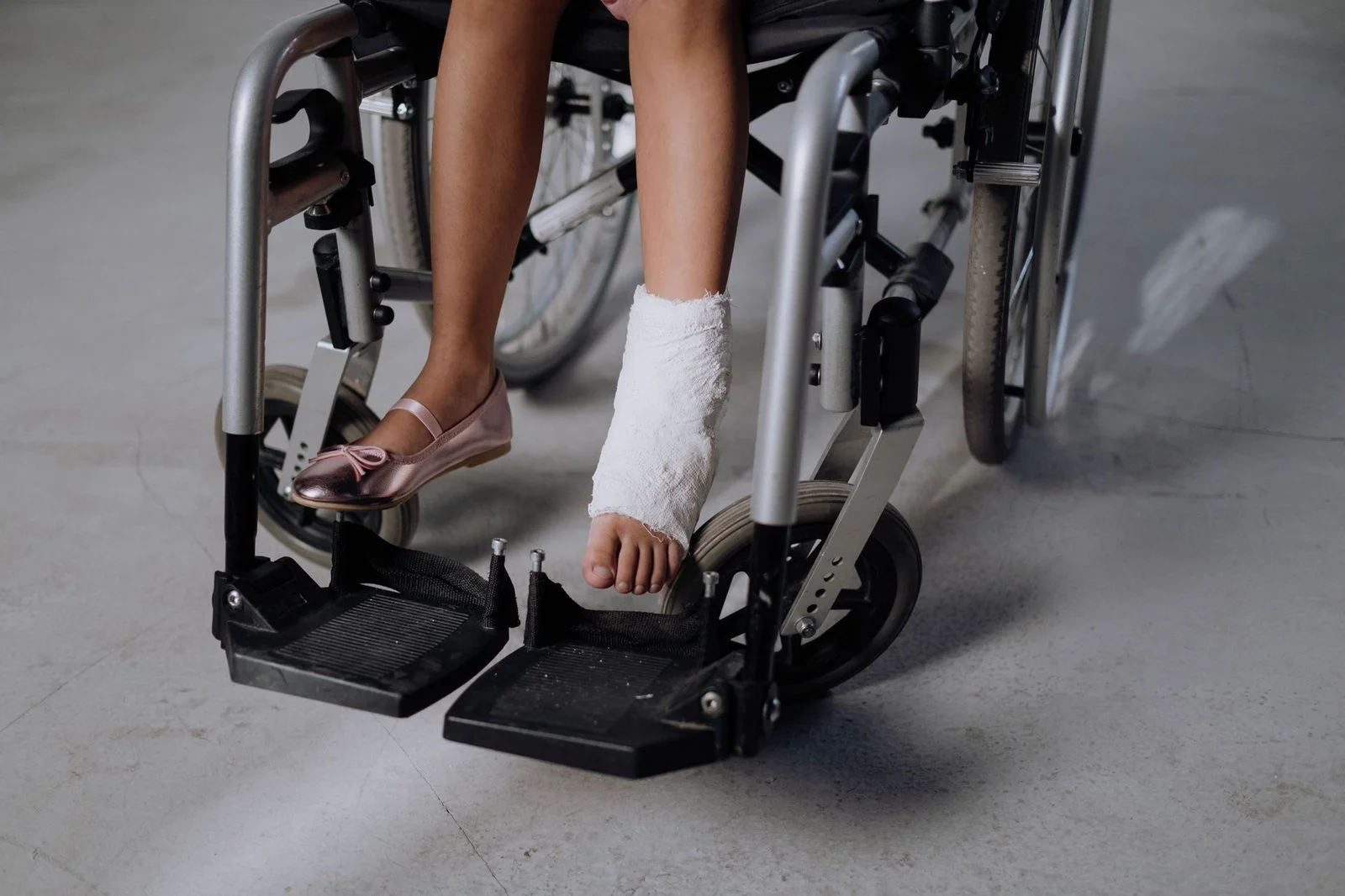
A Florida injury claim can seek compensation for the losses an accident causes. These losses can include medical bills. They can also include the effect on your work and daily life.
Accidents that can lead to this kind of nerve injury include:
- Car and truck crashes
- Motorcycle and ATV crashes
- Serious falls, including slip-and-falls on unsafe property
A claim may address:
- Emergency and surgical bills
- Future medical care
- Lost income and earning ability
- Pain and suffering
- Loss of normal life
Florida generally gives two years to file a claim based on negligence. Negligence means failing to use reasonable care. Florida Statutes § 95.11 sets that deadline. Do not wait to find out how it applies to you.
Florida also uses comparative fault, which means shared fault. Under Florida Statutes § 768.81, in a negligence action to which this section applies, a party found more than 50 percent at fault for his or her own harm may not recover any damages; this does not apply to an action for personal injury or wrongful death arising out of medical negligence pursuant to chapter 766. The rule about which cases this change covers comes from Chapter 2023-15, Laws of Florida, not from the text of § 768.81 itself; the notes to § 768.81 address only an earlier act, ch. 2011-215, which they say “is remedial in nature and applies retroactively.”
If Medicare paid for your care, the CMS secondary payer overview explains the rules.
- How accident-related medical bills are paid depends on the insurance involved, including Florida’s no-fault (PIP) coverage and any health insurance the injured person has.
- Medicare conditional payments are payments Medicare made while the claim was pending.
- These payments must be repaid when a settlement, judgment, or other payment is made.
No one can promise a claim outcome. Each case depends on its own evidence and the law that applies.
What to Expect When You Contact CHG Personal Injury Lawyers
The process begins with a free, confidential first consultation. We review how the accident happened and your medical situation.
- Consultation. We listen to what happened. We go over your current medical situation.
- Records. With your authorization, we gather accident reports, medical charts, imaging, and bills.
- Investigation. We look into how the accident happened and who may be responsible. This includes insurance coverage and any property or vehicle owner involved.
- Evaluation. We explain the possible options, likely timelines, and what remains uncertain.
CHG Personal Injury Lawyers is a Florida-based personal injury firm. Our lawyers are licensed and admitted to The Florida Bar.
The firm focuses on car crashes, truck accidents, slip-and-falls, and catastrophic back and neck injuries. We serve clients throughout Florida, including Miami, Orlando, Tampa, and Jacksonville.
Igor Hernandez is the responsible lawyer for this page.
Frequently Asked Questions
Here are short answers to common questions about surgery outcomes and injury claims in Florida.
Is there one cauda equina surgery success rate?
No. Published figures depend on what each study measured and which patients it included.
Does a personal injury claim depend on whether surgery works?
A claim looks at how the accident happened and how the injury affects your life. It does not rely on a prediction about surgery.
How soon should I talk to a lawyer?
Florida generally gives two years to file a negligence claim (Fla. Stat. § 95.11(5)(a)). Early contact helps protect your options.
Will I owe anything if I do not win?
CHG charges no attorney’s fees and no case costs unless there is a recovery.
If a crash or fall has left you facing cauda equina surgery or lasting nerve problems, contact CHG Personal Injury Lawyers through our contact page. Ask for a free, confidential case evaluation. We will review your accident and medical timeline with you.
How We Help Families After a Serious Spinal Injury
We Review How the Accident Happened
Our lawyers look at the crash, fall, or other incident, the property or vehicle involved, and the records that show what caused the injury.
We Focus on Life After the Injury
Our team looks at how the injury affects work, daily routines, family responsibilities, and future medical needs, not only a single surgical result.
We Keep Families Informed
Clear, plain-language updates help you understand each step so you can focus on your recovery and your loved ones.
No Fees Unless There Is a Recovery
CHG charges no attorney's fees and no case costs unless there is a recovery.
Follow Your Medical Team's Care
This page is general information, not medical advice. Keep every appointment, follow your doctors' instructions, and tell your medical team right away about new or worsening symptoms.
Questions Florida Families Often Ask
Does a claim depend on whether surgery works?
No. A claim looks at how the accident happened and how the injury affects your life. It does not rely on a prediction about any surgery.
What should I bring to a consultation?
Bring any accident details, photos, medical records, and bills you have. Our team will explain what else is helpful.
Can I still speak with a lawyer if my recovery is ongoing?
Yes. Many clients are still in treatment when they first call. Deadlines apply to every claim, so contact our firm promptly.