
Spinal Cord Injury | Serving Florida
Can People Recover After a Spinal Cord Injury?
Many people with spinal cord injuries regain some movement, sensation, and independence over time. Here is what recovery can look like, what shapes it, and how a Florida personal injury firm can help your family plan what comes next.
By CHG Lawyers · Published November 2, 2026
Recovery After a Spinal Cord Injury: What Florida Families Should Know
Has anyone ever recovered from a spinal cord injury? Yes. People do regain function after these injuries. But “recovery” rarely means healing back to how things were before. It usually means regaining movement, feeling, independence, and quality of life through rehabilitation and adaptive technology. For families in Miami, Orlando, Tampa, Jacksonville, and across South Florida, a realistic picture of recovery is what makes it possible to set goals and recognize real progress.
Not sure what your next step is?
Talk it through with our team — the first consultation is free, confidential, and carries no obligation.
Paraplegia and Tetraplegia: What Doctors Mean
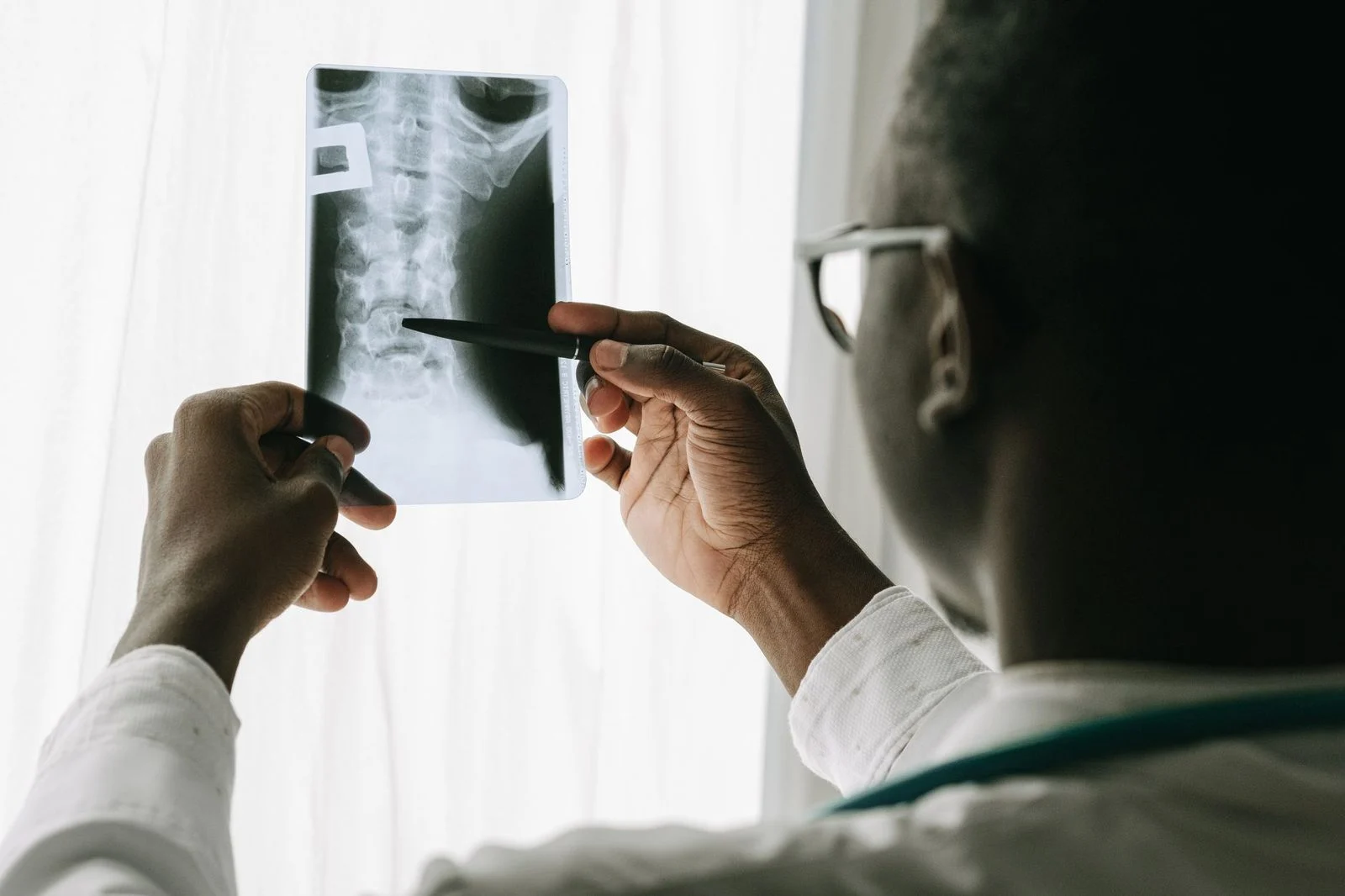
Doctors often describe a spinal cord injury with one of two terms. The World Health Organization and MedlinePlus, the U.S. National Library of Medicine’s health information site, both use these terms to describe which parts of the body are affected.
Tetraplegia (also called quadriplegia) is the term for an injury to the spinal cord in the neck, called the cervical region. It can affect the arms, hands, trunk, and legs. The degree varies from person to person.
Paraplegia is the term for an injury in the chest (thoracic), lower back (lumbar), or sacral region. It mainly affects the legs and the lower part of the trunk. Arm and hand function are usually preserved.
The exact pattern depends on the injury’s level and whether it is complete or incomplete. Your loved one’s doctors can explain what the diagnosis means for their body. Follow your doctors’ care, and ask them to walk you through the diagnosis in plain terms.
What “Recovery” Means After a Spinal Cord Injury
The spinal cord does not regenerate like skin or bone. But the brain can rewire its nerve pathways. This process is called neuroplasticity. It can help people regain function even when the injury site does not fully heal.
Recovery is measured by what matters most to the person. That includes regaining independence, returning to work or school, rebuilding relationships, and reclaiming dignity. Some people walk again. Others regain arm strength, bladder control, or the ability to move from a wheelchair on their own. Many people gain more than one of these.
Early medical care and intensive rehabilitation shape which outcomes are possible. The difference between starting aggressive therapy in the first weeks and not starting it can be large.
Complete vs. Incomplete Injuries: The Critical Distinction
The most important factor in recovery potential is whether the injury is complete or incomplete. Many general sources skip over this difference, but it shapes what is possible.
Complete spinal cord injury: No nerve signals cross the injury site. There is no sensation or voluntary movement below the level of injury. Doctors classify complete injuries as American Spinal Injury Association (ASIA) Impairment Scale Grade A.
Incomplete spinal cord injury: Some nerve signals still pass through the injury site. The person keeps some sensation, some movement, or both below the injury. These fall into ASIA Grade B, C, or D, depending on how much function remains.
In general, people with incomplete injuries regain more function than people with complete injuries. Even people with complete injuries can make large gains through rehabilitation and adaptive technology. Incomplete injuries leave the nervous system more pathways to work with.
Understanding the ASIA Impairment Scale
Clinicians use the American Spinal Injury Association (ASIA) Impairment Scale to classify how severe a spinal cord injury is. Doctors use it to measure the injury and estimate the outlook. Here is what the grades mean:
- ASIA Grade A (Complete): No motor or sensory function in the lowest sacral segments. An ASIA Grade A rating means no motor or sensory function is preserved in the lowest sacral segments (S4-S5).
- ASIA Grade B (Incomplete): Sensory function is preserved. No motor function below the injury level.
- ASIA Grade C (Incomplete): Motor function is preserved below the injury. More than half of key muscles have strength less than 3/5.
- ASIA Grade D (Incomplete): Motor function is preserved. At least half of key muscles have strength of 3/5 or greater.
- ASIA Grade E (Normal): Motor and sensory function are normal.
Every spinal cord injury is different, and doctors use the ASIA Impairment Scale to track changes in function over time. A higher grade is more than a number on a chart. It can mean real gains, such as stronger hands, walking with help, or managing bladder function on your own.
Living With Paralysis: You Are Not Alone
Many people live with paralysis. This includes people with spinal cord injuries, stroke survivors, and others. Many people with spinal cord injuries build careers, raise families, and pursue meaningful lives.
This shared experience means there is a large body of real-world knowledge about what helps and how to adjust to life after injury. Families often find that hearing how others adapted their homes, routines, and work makes the next step feel more manageable.
Not sure what your next step is?
Talk it through with our team — the first consultation is free, confidential, and carries no obligation.
The First Days and Weeks After a Spinal Cord Injury
The first hours and days matter a great deal. Swelling and inflammation around the injury site can cause secondary damage, meaning harm beyond the first impact. Emergency stabilization, surgery to remove bone fragments or relieve pressure on the spinal cord, and anti-inflammatory medication (such as high-dose methylprednisolone, whose use is still debated) can help limit this damage. Follow your doctors’ care.
The body then moves through three phases:
- Acute phase (first hours to days): Emergency care focuses on preventing further injury and treating life-threatening problems, such as breathing failure or shock.
- Subacute phase (weeks to months): The body becomes more stable. Rehabilitation and therapy begin. Early therapy in these weeks lays the foundation for recovery. Neurological gains often happen fastest here.
- Chronic phase (months onward): Nerve changes level off, but functional recovery through therapy can continue for years. People pursue work, school, and community life.
Families often help by keeping up with the rehabilitation plan their medical team recommends. Families who press for intensive therapy early often see meaningful progress.
Can People With Spinal Cord Injuries Walk Again?
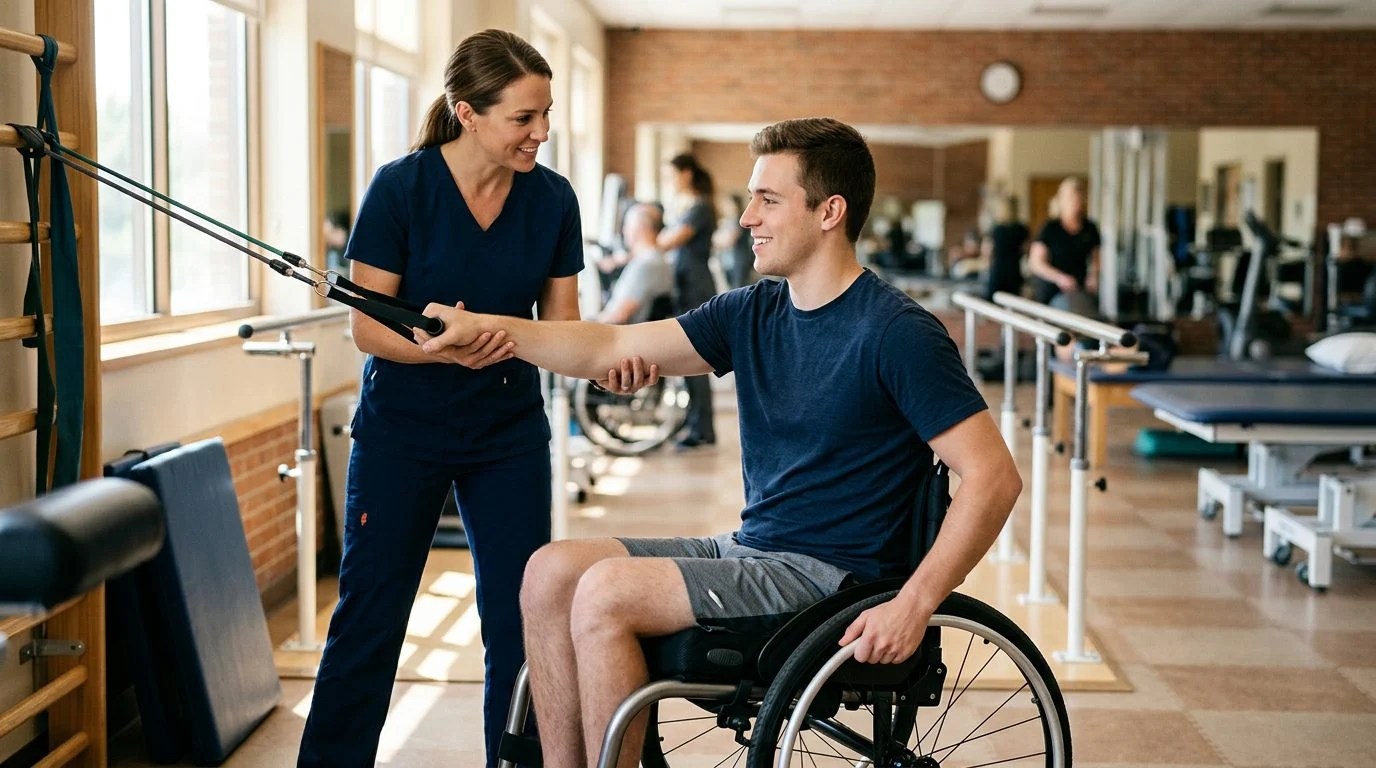
Some do. People with incomplete injuries, especially injuries lower on the spine (thoracic or lumbar), have a better chance of regaining the ability to walk. Walking may need aids such as walkers, braces, or canes. For some people, walking happens only in therapy settings. Many people do walk independently or with partial help.
Rehabilitation technology keeps expanding what is possible. Robotic-assisted therapy (such as Lokomat systems), electrical stimulation of the spinal cord, and targeted training programs help retrain the nervous system and rebuild strength. Even when walking is not possible, many people regain strong upper-body function, core stability, and independence in daily tasks.
The goal is not always to walk again. The goal is to make the most of the function that is possible and build the independence and quality of life that matter most to the person.
Recovery Stages and Timeline After a Spinal Cord Injury
Recovery happens in phases. Each phase has its own milestones and possibilities:
Acute recovery (0–6 months): The fastest neurological gains often happen in this window. Intensive medical care, emergency surgery if needed, and early rehabilitation are important. Many people see clear improvements in sensation and movement during this time.
Intermediate recovery (6 months–2 years): Nerve improvement continues, but more slowly. Therapy focuses on building strength, retraining movement, and adapting to new abilities. Many people return to work, school, or community activities in this phase.
Long-term recovery (2+ years onward): Nerve recovery levels off, but functional gains continue through training, adaptive equipment, and technology. People pursue careers, relationships, and meaningful lives, sometimes for decades.
Timelines vary widely. Age, overall health, injury severity, and access to quality rehabilitation all affect how fast and how far recovery goes. Age alone does not decide the outcome. Commitment to therapy and access to resources matter more.
What Is the Life Expectancy After a Spinal Cord Injury?
Modern medical care has extended life expectancy for many people with spinal cord injuries. Many people live for decades after their injury.
Life expectancy depends on injury severity, age at injury, and access to ongoing medical care. Complications such as infections, pressure sores, and breathing problems can affect outcomes. Many of these can be prevented with proper care. Many people with spinal cord injuries work, raise families, travel, and pursue careers.
The Role of Rehabilitation and Therapy in Recovery
Intensive rehabilitation in the first months after injury is the strongest factor a family can influence. Physical therapy rebuilds strength and movement. Occupational therapy helps restore independence in daily tasks such as dressing, cooking, and working. Targeted programs address specific needs, including bladder management, pain control, sexual function, and mental health.
Newer therapies show promise. Stem cell research, electrical stimulation of the spinal cord, and robotic-assisted training are expanding what may be possible. Many of these remain experimental or limited in availability. The proven foundation of recovery is steady, intensive, evidence-based rehabilitation.
Long-term therapy and adaptive equipment keep improving independence and quality of life for years after injury. Recovery is not a single destination. It is an ongoing process of adaptation and growth.
Not sure what your next step is?
Talk it through with our team — the first consultation is free, confidential, and carries no obligation.
Real Outcomes: What Survivors Achieve
Many people return to work, school, or volunteer roles, often with workplace accommodations. Adaptive technology supports independence in daily living, mobility, and recreation. Relationships, family life, and social connection remain central to recovery and well-being.
Emotional adjustment and mental health support matter as much as physical rehabilitation. Depression and anxiety are common after a catastrophic injury. Counseling, peer support, and community connection help people rebuild their sense of identity and purpose.
Survivors pursue careers in law, medicine, business, and education. They marry, have children, travel, and play sports. They build lives that reflect both their limits and their abilities.
When a Spinal Cord Injury Is Fatal: Support for Families
Some spinal cord injuries lead to death. For the family left behind, grief, caregiving, and financial strain can arrive all at once. Florida law addresses these situations directly. Under Fla. Stat. § 768.19, when a death is caused by another person’s wrongful act, negligence, default, or breach of contract or warranty, the person who would have been liable for damages had death not ensued can be liable for those damages.
Families facing this loss do not have to sort out the legal questions alone, and they do not have to decide quickly while they are grieving.
Financial and Legal Support: From Medical Questions to Legal Steps
Spinal cord injuries often require lifelong medical care, equipment, home changes, and therapy. These costs can add up over many years. The medical questions and the legal questions are connected, so it helps to understand both.
If someone else caused the injury. The injury may have resulted from an accident, negligence, or wrongdoing, such as a truck crash, a fall on an unsafe property, or medical negligence. In that case, a legal claim may recover damages to cover these costs.
How fault affects recovery. Florida’s comparative fault law works this way: an injured person’s damages are reduced by the share of fault attributed to that person. Contributory fault “diminishes proportionately the amount awarded” but does not bar recovery on its own. However, any party found to be greater than 50 percent at fault for their own harm may not recover any damages. Under Fla. Stat. § 768.81, in a negligence action, any party found to be greater than 50 percent at fault for his or her own harm may not recover any damages, but this subsection does not apply to an action for damages for personal injury or wrongful death arising out of medical negligence under chapter 766. Because fault is often disputed after a crash or an incident, the facts gathered early matter.
How medical bills are proven. Florida law also sets rules for the evidence used to prove medical expenses in these cases. Those rules address treatment provided under a letter of protection, which the statute defines as an arrangement in which a health care provider renders treatment in exchange for a promise of payment for the claimant’s medical expenses from any judgment or settlement (Fla. Stat. § 768.0427). Keep every bill, statement, and treatment record your family receives.
Time limits apply. Florida sets time limits for filing injury claims, and those limits depend on the type of claim. Under Fla. Stat. § 95.11, each type of action has its own filing period. Contact a lawyer promptly so that important deadlines are not missed.
When an attack happened on someone else’s property. Some injuries happen when a person is assaulted, shot, or robbed in a place they were lawfully visiting, such as an apartment complex parking garage with a broken gate and no working lights, or a hotel with no working cameras or guards. Lawyers call this a negligent security claim.
Compensation may help pay for intensive rehabilitation, assistive technology, accessible housing, attendant care, and ongoing medical support. These resources can directly affect recovery and quality of life. Access to quality therapy and adaptive equipment can matter a great deal for function and independence.
Frequently Asked Questions
Is complete recovery from spinal cord injury possible?
Complete neurological recovery, meaning full restoration of all nerve function, is rare. But partial recovery and significant functional improvement are common. Most people regain some sensation or movement and achieve independence through rehabilitation and adaptive technology.
How long does spinal cord injury recovery take?
The fastest recovery happens in the first 6 months, but improvement can continue for 1 to 2 years or longer. Recovery is an ongoing process of adaptation and functional gain, not a fixed endpoint.
What’s the difference between complete and incomplete spinal cord injuries?
A complete injury means no nerve signals cross the injury site. An incomplete injury means some signals still pass through. Incomplete injuries generally have better recovery potential, but both can result in significant functional gains with proper rehabilitation.
What is the ASIA Impairment Scale?
The ASIA scale is the clinical standard for classifying spinal cord injury severity (Grades A through E). It measures motor and sensory function below the injury level and helps predict recovery potential.
Can my family recover damages if a spinal cord injury was caused by someone else’s negligence?
You may have a legal claim if the injury resulted from someone else’s negligence, such as an accident, unsafe property, or wrongdoing. A claim may seek damages covering lifetime care, rehabilitation, and lost income. Whether a claim exists, and how fault is divided, depends on the facts of each case.
If you or someone you love suffered a spinal cord injury in an accident caused by someone else’s negligence or wrongdoing, the financial and legal resources available to you can help support recovery and independence. Contact us for a free case evaluation to talk through what happened and what may be possible. Our free first consultation is confidential and comes with no obligation to continue. CHG charges no attorney’s fees and no case costs unless there is a recovery.
Responsible attorney: Igor Hernandez, CHG Personal Injury Lawyers, a Florida-based firm serving clients throughout Florida.
How CHG Personal Injury Lawyers Can Help Your Family
Focused on Serious Injury Cases
Our firm handles personal injury claims of every severity, including spinal cord injuries, paralysis, and other catastrophic harm caused by accidents and the wrongdoing behind them.
Licensed Attorneys
Our lawyers are licensed to practice law and admitted to The Florida Bar. Igor Hernandez is the lawyer responsible for this page.
Florida-Based
We represent people and families throughout Florida, from Miami and Fort Lauderdale to Orlando, Tampa, and Jacksonville.
Bilingual Support
We publish educational content in English and Spanish, so families can read and ask questions in the language they prefer.
Focus on Your Family
Our team takes time to understand your medical needs, your daily life, and your goals, and we explain each option in plain language.
Do Not Wait to Protect Your Rights
Legal deadlines apply to injury claims in Florida, and evidence can be lost over time. Follow your doctors' care plan first, and contact our firm promptly so we can review your situation while the details are still fresh.
Common Paths to Recovery and Support
Medical Rehabilitation
Physical, occupational, and speech therapy can help many people build strength, improve function, and adapt to daily tasks. Follow the guidance of your medical team.
Adaptive Equipment and Home Changes
Mobility devices, home modifications, and assistive technology can make daily life safer and more independent for many people living with spinal cord injuries.
Emotional and Family Support
Adjusting to a life-changing injury takes time. Counseling, peer support groups, and close family involvement can make a real difference for the injured person and loved ones.
Exploring Your Legal Options
When another person or company may be responsible, a personal injury claim may help families explore ways to cover medical care, equipment, and lost income. Each case is different, and our firm offers a free, confidential consultation with no obligation to continue.