


Catastrophic Back & Spinal Injuries | Serving Florida
Does Cauda Equina Always Require Surgery?
Cauda equina syndrome is a medical emergency that can change a person's life. Here is what Florida families should know about treatment, recovery, and the questions to ask next.
By CHG Lawyers · Published October 12, 2026
Does Cauda Equina Always Require Surgery? The 48-Hour Window That Changes Everything
The short answer: yes, cauda equina syndrome requires emergency decompression surgery in nearly all cases. But what matters most is this: if you have this diagnosis, the next 48 hours will determine whether you walk again.
Surgery within 24–48 hours of symptom onset offers the best chance of stopping nerve damage. Waiting is not an option. The nerves at the base of your spinal cord are under pressure. That pressure causes irreversible damage rapidly. Delay beyond 48 hours dramatically increases the risk of permanent paralysis, loss of bowel and bladder control, and sexual dysfunction—outcomes that cannot be reversed once nerve damage occurs.
Conservative (non-surgical) treatment is not realistic for cauda equina syndrome.
If your cauda equina syndrome was caused by someone else's negligence or wrongdoing, you may have a legal claim for compensation. Talk it through with our team — the first consultation is free, confidential, and carries no obligation.
What Is Cauda Equina Syndrome?
This differs from other spinal cord injuries. Cauda equina syndrome is a nerve root compression problem, not a spinal cord injury itself. But the consequences are just as catastrophic if left untreated—and the time window for reversible treatment is even narrower.
Why the 48-Hour Window Matters: The Neurology Behind Urgency
Here’s what happens inside your body when nerves are compressed: compressed nerves lose blood flow and oxygen. Nerve cells (neurons) begin to die. Once they die, they do not regenerate. This is not a stable condition—damage progresses with every hour of delay.
The 24–48 hour window is not arbitrary. It reflects the biological timeline of nerve cell death under compression. Neurosurgical literature and clinical practice guidelines—including recommendations from the American Academy of Orthopaedic Surgeons and the American Association of Neurological Surgeons—consistently identify this window because it represents the point at which reversible damage transitions to permanent damage.
Surgery performed within 24 hours offers the best recovery outcomes. Surgery between 24–48 hours still offers meaningful recovery potential. Surgery after 48 hours can still relieve pain and prevent further deterioration, but the risk of permanent disability—paralysis, incontinence, sexual dysfunction—increases substantially with every hour of delay.
In plain terms: this is not a condition where you have time to think it over or wait for a convenient surgery date. The urgency is real, and the stakes are permanent disability.
Why Does Cauda Equina Require Emergency Surgery?
Medical guidelines treat cauda equina syndrome as a surgical emergency for a reason: nerve damage is progressive and irreversible. Early surgery stops that progression. Late surgery cannot undo damage that has already occurred.
Can You Have a “Mild” Case of Cauda Equina?
Yes, cauda equina syndrome exists on a spectrum. Some people have partial nerve compression with less severe symptoms—perhaps leg numbness or mild weakness rather than complete paralysis.
But here’s the critical point: mild symptoms do not mean the condition is safe to manage without urgent surgery.
Even partial compression can progress to complete paralysis, incontinence, and sexual dysfunction very quickly. Mild today can become catastrophic tomorrow. MRI imaging and neurological testing determine how much compression exists. But the severity of current symptoms does not eliminate the need for emergency evaluation and typically urgent spinal decompression procedures.
The mistake people sometimes make is thinking that because their symptoms are not yet severe, they can delay treatment. That assumption is dangerous. The time window for reversible treatment is narrow, and waiting wastes it.
Can You Live Without Surgery?
In rare, exceptional circumstances—when surgery is not immediately available or when imaging shows compression so minimal that true emergency criteria are not met—doctors may monitor the condition closely while preparing for surgery. But this is not a standard treatment plan. It is a temporary holding measure.
Conservative (non-surgical) management is not a realistic long-term alternative to decompression surgery. Without surgery to relieve pressure on the nerves, permanent nerve damage is nearly certain.
Living with untreated cauda equina means living with lifelong paralysis, incontinence, and loss of sexual function. That is not a choice people knowingly make when they understand the stakes.
The goal of any cauda equina treatment is surgery. The only question is how quickly you can get it.
Not sure what your next step is?
Talk it through with our team — the first consultation is free, confidential, and carries no obligation.
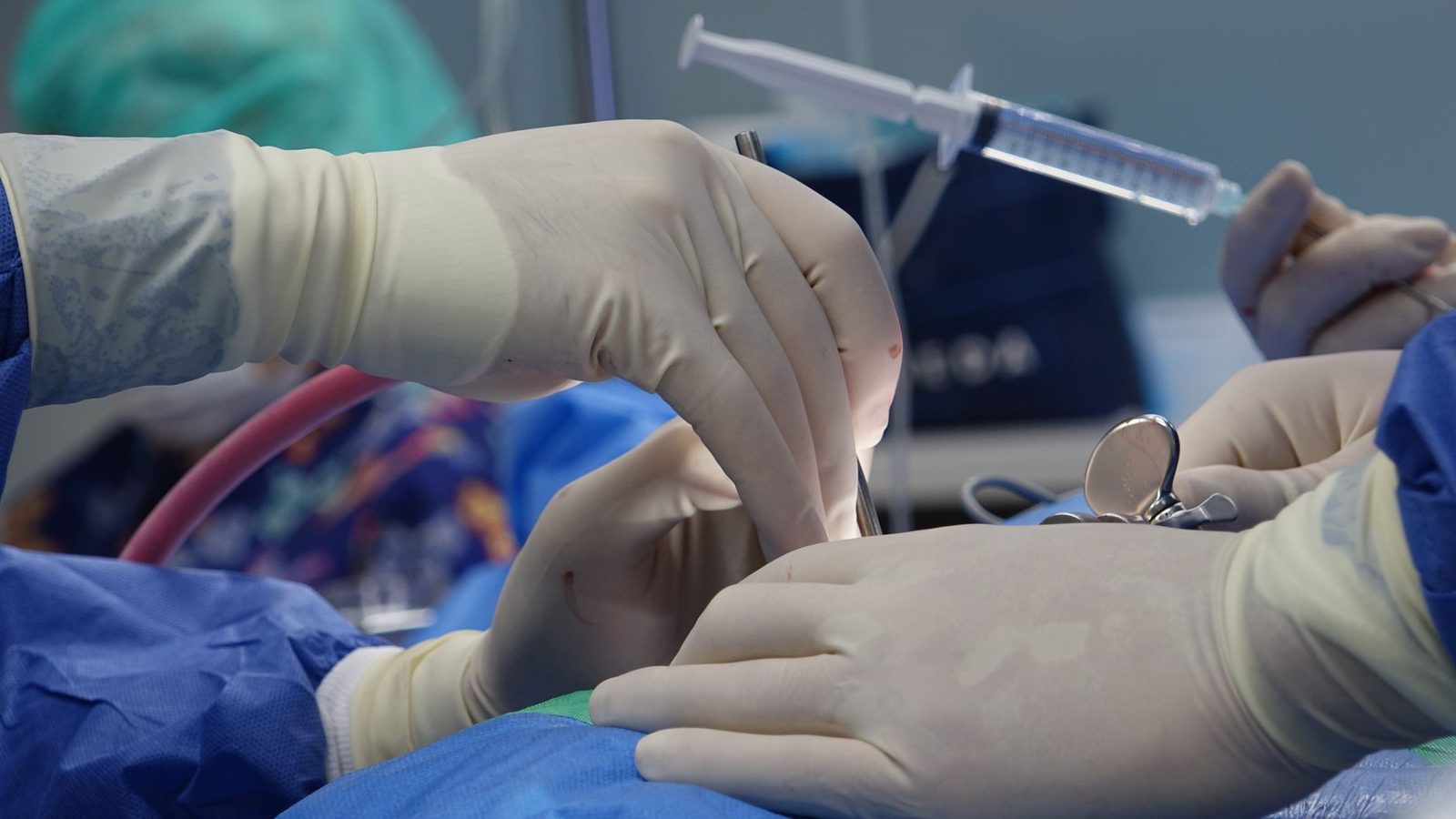
What Is Decompression Surgery for Cauda Equina?
Decompression surgery typically involves one of two procedures:
- Laminectomy: removal of part of the vertebra (the lamina) to create space and relieve pressure on the nerves.
- Discectomy: removal of a herniated disc that is compressing the nerves.
Sometimes both procedures are performed in the same surgery. The goal is to relieve pressure on the cauda equina nerves. This stops further damage and allows recovery. Timing is critical.
Surgery performed within 24–48 hours of symptom onset offers the best chance of recovery. Surgery does not always restore full function, but delay makes recovery less likely and increases the risk of permanent disability.
What Happens After Cauda Equina Surgery?
Recovery varies widely depending on how long the nerves were compressed before surgery. Some people regain significant function; others experience permanent paralysis, incontinence, or sexual dysfunction even after successful decompression.
Physical therapy and rehabilitation are standard parts of recovery. The outcome depends heavily on how quickly surgery was performed after symptoms began.
People who receive surgery within the 24–48 hour window generally have better outcomes than those whose surgery is delayed.
Long-term effects can include chronic pain, weakness, or loss of bowel and bladder control. Many people require ongoing medical care, assistive devices, and home modifications. The financial and personal impact of permanent disability from delayed treatment is substantial.
What Causes Cauda Equina Syndrome?
[Cauda equina syndrome can result from:
- Herniated disc (the most common cause)
- Spinal fracture or trauma from serious accidents, including truck crashes, motor vehicle collisions, and falls
- Spinal stenosis (narrowing of the spinal canal)
- Tumor or infection
- Bleeding into the spinal canal
- Complications from spinal surgery
- Severe blunt-force trauma to the lower back
If your cauda equina syndrome resulted from a serious accident, truck crash, fall, or injury on unsafe property, urgent treatment is essential—and you may also have legal options to recover compensation for your medical costs and ongoing care.
Symptoms That Demand Immediate Medical Attention
[Do not wait if you or someone you know experiences:
- Severe lower back pain
- Numbness or tingling in the legs, buttocks, or genital area
- Weakness or paralysis in one or both legs
- Loss of bowel or bladder control
- Sexual dysfunction
- Saddle anesthesia (numbness in the area where you would sit on a saddle)
These are signs of a medical emergency. Call 911 or go to the nearest emergency room now. Time is critical.
The Bottom Line: Does Cauda Equina Always Require Surgery?
In practice, yes. Cauda equina syndrome is treated as a surgical emergency in the vast majority of cases. Surgery is the only treatment that can stop nerve damage and preserve function.
Conservative management is not a standard alternative. Delay increases the risk of permanent, catastrophic disability.
If you or a loved one has been diagnosed with cauda equina syndrome, urgent consultation with a neurosurgeon is essential—today, not tomorrow.
If your cauda equina syndrome was caused by someone else's negligence or wrongdoing, you may have a legal claim for compensation. Talk it through with our team — the first consultation is free, confidential, and carries no obligation.
If Cauda Equina Resulted From an Accident or Negligence
Cauda equina syndrome often results from serious accidents—truck crashes, motor vehicle collisions, falls from unsafe heights, or injuries on unsafe or inadequately secured property.
If your cauda equina syndrome was caused by someone else’s negligence or wrongdoing, you may have a legal claim for compensation.
The financial impact of this catastrophic injury is substantial: emergency surgery, hospitalization, ongoing medical care, physical therapy, home modifications, assistive devices, lost income, and permanent disability. If negligence caused your injury, the person or business responsible may be liable for those costs and for your pain and suffering.
An attorney who focuses exclusively on catastrophic spinal injuries can help you understand your options and what compensation may be available to you. This is not something you should navigate alone, especially while managing emergency medical treatment and recovery.
Contact CHG Personal Injury Lawyers for a free case evaluation. We focus exclusively on catastrophic spinal cord injuries, including cauda equina syndrome. We can help you understand your legal rights and what recovery may be possible.
Learn more about catastrophic spinal cord injuries and how they affect your life and your legal rights.

Frequently Asked Questions
How long do you have to get cauda equina surgery?
Surgery is typically recommended within 24–48 hours of symptom onset to maximize recovery chances. Delay beyond 48 hours significantly increases the risk of permanent disability. If you suspect cauda equina syndrome, seek emergency care immediately—do not wait for a convenient appointment.
Can cauda equina syndrome be reversed?
If surgery is performed promptly, some nerve damage recovery is possible. However, the longer the compression persists, the more permanent the damage becomes. Early surgery offers the best chance of recovery. Nerve damage that has already occurred cannot be reversed.
What is the difference between cauda equina syndrome and cauda equina compression?
Cauda equina compression is pressure on the nerves; cauda equina syndrome is the condition that develops when that compression causes symptoms like numbness, weakness, or loss of bowel or bladder control. Compression can exist without syndrome, but syndrome always involves compression and always requires urgent evaluation.
What happens if cauda equina surgery is delayed?
Delay increases the risk of permanent paralysis, incontinence, and sexual dysfunction. Nerve damage is not reversible once it occurs, so every hour of delay matters. People who receive surgery after 48 hours have significantly worse outcomes than those treated within the emergency window.
Can a delayed diagnosis of cauda equina be grounds for a lawsuit?
Yes. If a healthcare provider failed to diagnose cauda equina syndrome promptly or delayed emergency spine surgery, that failure may constitute medical negligence. If the delay caused permanent injury that would have been prevented by timely treatment, you may have a claim against the provider.
What should I do if I think I have cauda equina syndrome?
Seek emergency medical care immediately. Call 911 or go to the nearest emergency room. Do not wait. Time is critical. After you receive emergency treatment, contact an attorney who focuses exclusively on catastrophic spinal injuries to discuss your legal options if negligence caused your injury.
Warning Signs: Do Not Wait
Possible signs of cauda equina syndrome include loss of bladder or bowel control, numbness in the groin or inner thighs, and new or worsening leg weakness. If you notice these symptoms, seek emergency medical care right away. Do not wait for a routine appointment.
Why Families Turn to CHG Personal Injury Lawyers
Florida-Based Firm
We represent people across Florida who have suffered serious spinal, back, and neck injuries.
Licensed Florida Attorneys
Our attorneys are admitted to The Florida Bar and focus on catastrophic injury claims.
Compassionate Guidance
We take time to listen, explain your options in plain language, and support your family through a difficult time.
Bilingual Support
We provide information and consultations in English and Spanish so you can understand every step.
No Fees Unless There Is a Recovery
CHG charges no attorney's fees and no case costs unless there is a recovery.
Steps Families Can Take Now
Get Medical Care Immediately
Prompt diagnosis and treatment are the most important steps for your health. Follow your doctors' recommendations and attend every follow-up visit.
Keep Detailed Records
Save discharge papers, test results, bills, photos, and notes about your symptoms and daily limitations. These records help show how the injury has affected your life.
Document How the Injury Happened
If an accident, a fall, or a delayed diagnosis caused your injury, write down what you remember and keep any reports, witness names, or correspondence.
Talk With a Florida Injury Attorney
A conversation with our team can help you understand whether your situation may involve a claim and what questions to ask. Every case is different, and no outcome can be promised.