
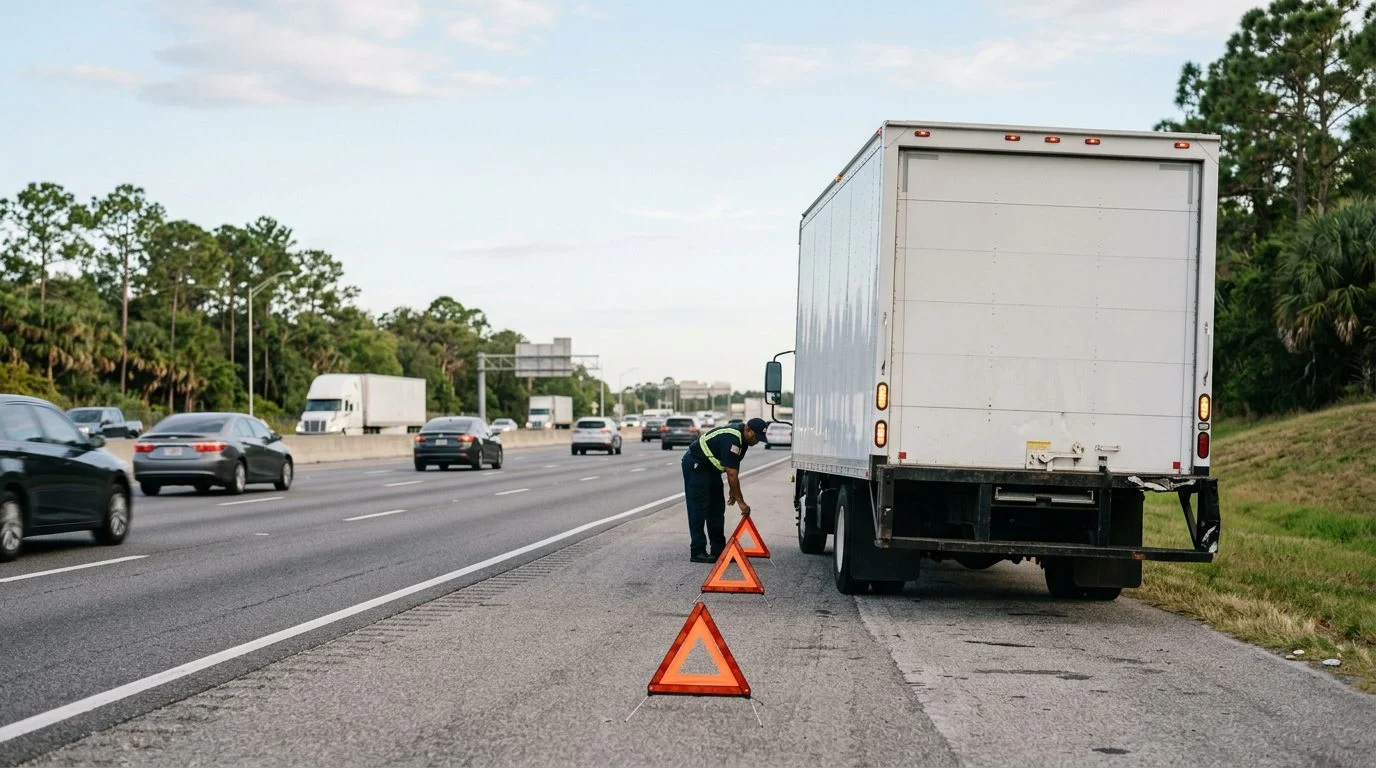
Truck Accidents | Serving Florida
Hurt in a Crash Under a FedEx Truck? You Don't Have to Face It Alone.
Underride crashes can cause catastrophic injuries and wrongful death. Igor Hernandez and the lawyers at CHG Personal Injury Lawyers help Florida families understand their options after a crash. Your first consultation is free, confidential, and comes with no obligation to continue.
By CHG Lawyers · Published November 1, 2026
An underride crash happens when a car, SUV, or motorcycle slides under the back or side of a large trailer. These crashes can cause catastrophic or fatal injuries. Catastrophic injuries are severe injuries that can change a person’s life.
If a FedEx truck was involved and someone you love was hurt or killed, this page explains how these cases work in Florida. It also explains what to do next.
What an underride crash is and why it is so dangerous
An underride crash is a collision in which a smaller vehicle goes partly or fully under a trailer.
Most passenger vehicles are built so the front end absorbs crash energy. Bumpers, crumple zones (parts designed to crush and soak up impact), and airbags work when a car hits something at a similar height.
A trailer’s rear sits much higher off the road than a car’s bumper. Those front-end systems may not engage as designed. The trailer’s frame can then reach the passenger compartment, the part of the car where people sit. This is why these crashes often cause severe injuries.
Common injuries include:
- Traumatic brain injuries
- Spinal cord injuries
- Paralysis
- Serious neck and back injuries
- Fatal injuries
Underride can happen in highway slowdowns, at night, and in heavy rain. Florida’s interstates through Miami, Orlando, Tampa, and Jacksonville carry large trucks and cars side by side every day. Federal crash data on large trucks is published by the Federal Motor Carrier Safety Administration.
Not sure what your next step is?
Talk it through with our team — the first consultation is free, confidential, and carries no obligation.
Rear and side guards: what the trailer should have
A rear impact guard is a steel bar across the back of a trailer. It limits how far a striking vehicle’s front end can slide under the trailer. The federal standard at 49 C.F.R. § 571.223 specifies requirements for rear impact guards for trailers and semitrailers.
Under 49 CFR 393.86, most trailers rated at 10,000 pounds or more must have a guard. This rule applies to trailers made on or after January 26, 1998.
Federal rules also set these measurements:
- The bottom edge of the guard may be no more than 22 inches above the ground.
- If the guard sits 22 inches or higher, its rear face must be within 12 inches of the trailer’s rear end.
- Under 49 C.F.R. § 393.86, the horizontal member of each rear impact guard must have a cross-sectional vertical height of at least 100 mm (3.94 inches) at any point across the guard width.
Some trailer types are exempt. Pole trailers and low chassis vehicles are examples. 49 C.F.R. § 393.86 reads: “The requirements of paragraph (a) of this section do not apply to pole trailers (as defined in § 390.5 of this chapter); pulpwood trailers, low chassis vehicles, special purpose vehicles, wheels back vehicles, and road construction controlled horizontal discharge trailers (as defined in § 393.5); and trailers towed in driveaway-towaway operations (as defined in § 390.5).” The federal standard at 49 C.F.R. § 571.224 states its purpose: to reduce the number of deaths and serious injuries occurring when light duty vehicles impact the rear of trailers and semitrailers with a GVWR of 4,536 kg or more. It aims to reduce deaths and serious injuries when light-duty vehicles hit the rear of trailers.
Side underride protection raises a separate question. The rear rules above do not answer it.
Questions about a guard may look at several things:
- Was it missing, bent, or corroded?
- Was it mounted too high or too far back?
- Was it damaged and never repaired?
A guard problem does not automatically create a claim. Whether one exists depends on the facts of each crash.
Who may be responsible after an underride crash
Responsibility can reach beyond the driver. Several parties may be involved:
- The truck driver.
- The employer or motor carrier that hired and directed the driver.
- A contracted delivery provider that ran the route.
- The company that owns or leases the trailer.
- Any company or person that maintained or inspected the trailer and its guard.
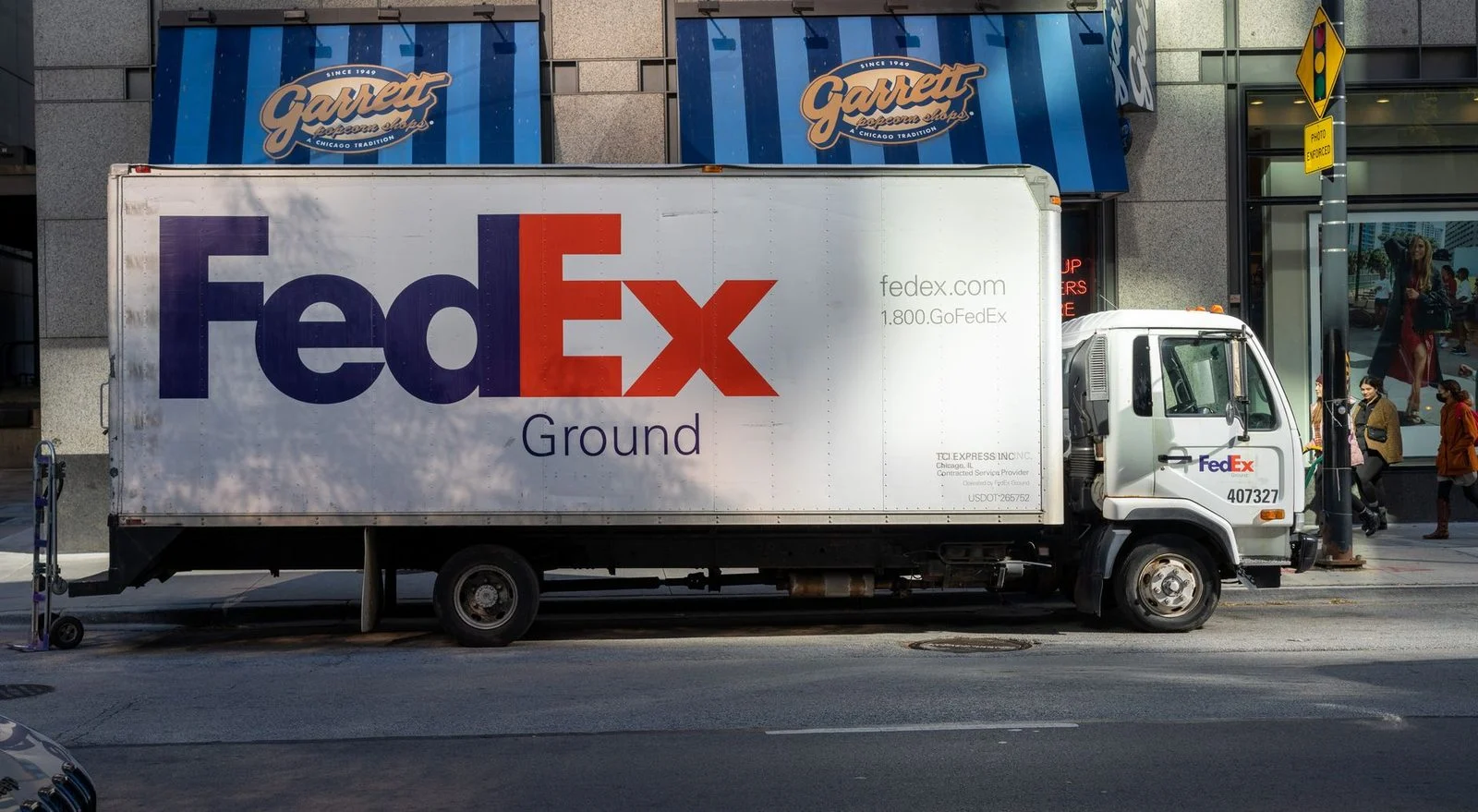
FedEx uses contracted delivery providers. The company that employed the driver may not be FedEx itself. Naming the right parties early matters.
A driver who follows too closely, brakes suddenly, or ignores traffic can share fault in some crashes.
Florida divides fault by percentage. Under Fla. Stat. § 768.81, a court enters judgment against each liable party based on its percentage of fault. Each party pays only its own share. This is not joint and several liability.
What a claim can cover under Florida law
A claim can seek money for the injured person’s losses. A wrongful death claim is brought by the family after a death. It can seek the losses the family suffers.
For an injured person, a claim may cover:
- Past and future medical care, rehabilitation, and equipment needs after catastrophic injuries.
- Lost income and reduced ability to earn in the future.
- Pain, suffering, and loss of enjoyment of life.
Florida’s Wrongful Death Act allows a claim when a wrongful act, negligence, default, or breach of contract or warranty causes a death, if the event would have entitled the injured person to maintain an action and recover damages had death not ensued.
Under § 768.21, family members may recover different losses:
- A surviving spouse may recover lost support and services, loss of companionship, and mental pain and suffering.
- Minor children may recover lost parental companionship, instruction, and guidance.
- Each parent of a deceased minor child may recover mental pain and suffering.
- A survivor who paid medical or funeral expenses may recover them.
Each family’s losses are different. No amount can be promised in advance. Learn more on our wrongful death page.
Florida deadlines and evidence that can disappear quickly
Florida sets time limits for filing these lawsuits. Waiting is the biggest risk. The rules are in Fla. Stat. § 95.11. Reach out promptly so the deadlines do not pass.
See Fla. Stat. § 316.066. The parties and their legal representatives can access it. Ask for a copy early.
Key evidence includes:
- The crash report and officer notes.
- Photos of the scene, the trailer’s guard, and both vehicles.
- Dashcam or surveillance video.
- Driver logs and electronic records.
- Maintenance and inspection records for the trailer and guard.
- Names and contact details of witnesses.
Trailers and vehicles are often repaired, moved, or scrapped. An early preservation request asks the other side to keep this evidence.
Injured people should follow their doctors’ care. They should also keep records of treatment and missed work.
Have questions about what happened?
Ask our team directly. The first conversation is free, confidential, and there is no obligation to continue.
How the process works, from the first call to resolution
The process starts with a free, confidential first consultation. You have no obligation to continue.
- Consultation. We review the crash facts, the injuries, and any documents you have.
- Investigation. We may request records and review the trailer and its guard. We may also work with accident reconstruction professionals.
- Insurers and preservation. We send letters to insurers and the other side. Your family does not have to handle every claim call alone.
- Resolution. We negotiate. If a fair resolution is not reached, we can file a lawsuit in the proper Florida court.
CHG charges no attorney’s fees and no case costs unless there is a recovery.
Timelines vary with injuries, records, and court schedules. No timeline or result can be promised.
Why CHG Personal Injury Lawyers for these cases
CHG Personal Injury Lawyers is a Florida-based personal injury firm. The firm handles truck accidents, catastrophic injuries, and wrongful death claims for people across Florida.
- Igor Hernandez is the responsible lawyer for this page. He is one of the firm’s lawyers. The firm’s attorneys are licensed and admitted to The Florida Bar.
- The firm handles personal injury cases of every severity. These range from everyday crashes to catastrophic injuries and wrongful death.
- The firm serves Florida communities, including Miami, Orlando, Tampa, Jacksonville, Fort Lauderdale, and West Palm Beach.
- The firm publishes educational content in English and Spanish for Spanish-speaking families.
- The firm may handle a matter alone or together with another firm. We will tell you when that applies.
Frequently asked questions
Is an underride crash always fatal?
No. Many cause severe injuries, and some are fatal. Anyone hurt should get medical care right away.
Some exemptions apply. Guards are checked against those measurements.
Can I still pursue a claim if I was partly at fault?
Florida reduces damages by the injured person’s share of fault. Being partly at fault does not automatically end a claim, but under Florida law (Fla. Stat. § 768.81(6)), a person found more than 50 percent at fault for their own harm may not recover any damages. Other limits in § 768.81 may still apply.
What if the driver worked for a contracted delivery provider?
Responsibility may extend to that provider, the driver, and the trailer’s owner or maintenance company.
How much does a consultation cost?
The first consultation is free and confidential. It carries no obligation to continue.
Talk with our team about the crash you are facing
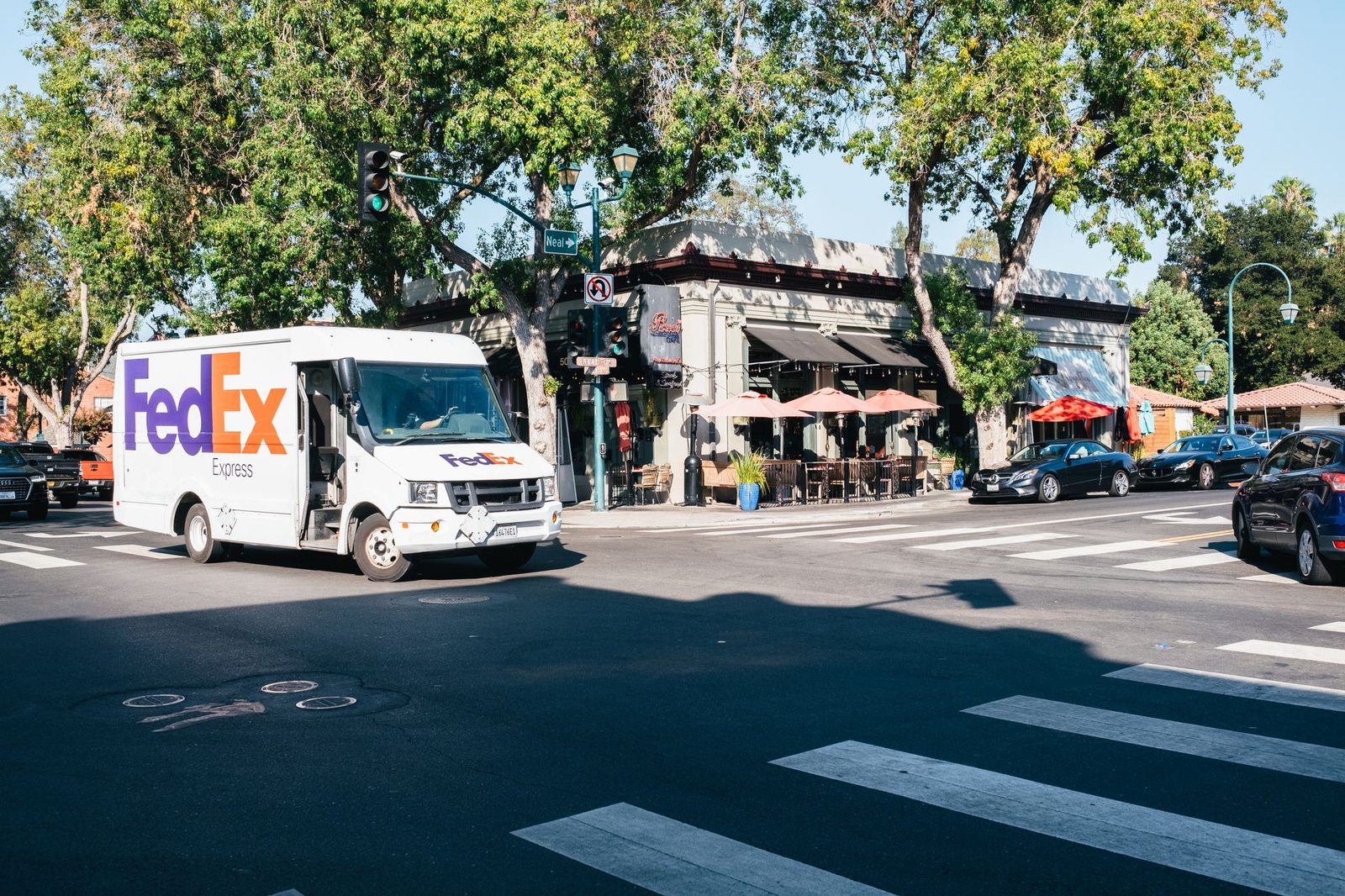
If a car went under a FedEx trailer, your family may be facing hospital visits, insurance calls, and a damaged vehicle all at once. You do not have to sort out who may be responsible or which deadlines apply on your own.
Our team can review the crash, the trailer, and the time limits with you. The consultation is free and confidential, with no obligation to continue. Contact CHG Personal Injury Lawyers.
Want to know where you stand?
Tell us what happened and our team will walk you through the options available to you, at no cost.
How CHG Helps Florida Families After an Underride Crash
Attorneys Who Listen First
We start by hearing what happened to you or your loved one, and what your family needs now.
Careful Case Investigation
Our team works to gather crash reports, trucking records, and other evidence while it is still available.
No Fees Unless There Is a Recovery
CHG charges no attorney's fees and no case costs unless there is a recovery.
Support for the Whole Family
We keep you informed in plain language, so you can focus on healing and on the people who depend on you.
Speak With a Lawyer Before You Talk to an Insurer
Insurance adjusters work for the other side. Before you give a recorded statement or sign any paperwork, talk with a lawyer about what to say and what to avoid.
What to Do After an Underride Crash
Get Medical Care
Seek medical attention right away, even if injuries seem minor at first. Follow your doctors' care and keep every record.
Preserve the Evidence
Photos of the scene, vehicle damage, and your injuries can be important. Save the names and contact details of anyone who saw the crash.
Write Down What You Remember
Record the crash while the details are fresh, including the weather, the road conditions, and where the truck and your vehicle came to rest.
Contact CHG
Reach out for a free, confidential consultation. We can explain your options under Florida law and help protect your claim.