

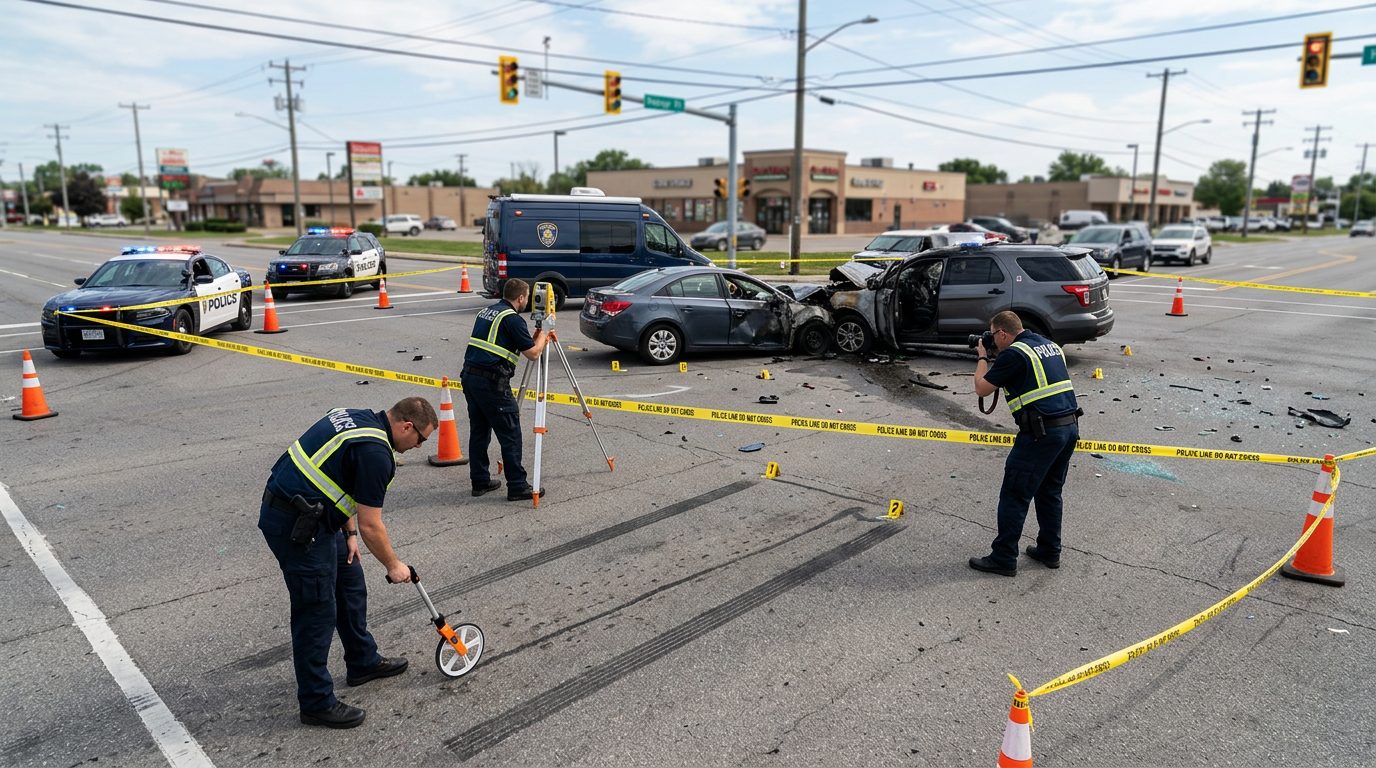
Severe Burn Injury Claims
Vehicle Fire Injury Lawyer for Catastrophic Burn Victims
When a vehicle catches fire, survivors face life-altering burns and permanent scarring. We represent burn victims nationwide and fight for the compensation they need to rebuild.
By CHG Lawyers · Published September 01, 2026
Vehicle Fire Injury Lawyer: Severe Burn Injuries From Post-Crash Fires
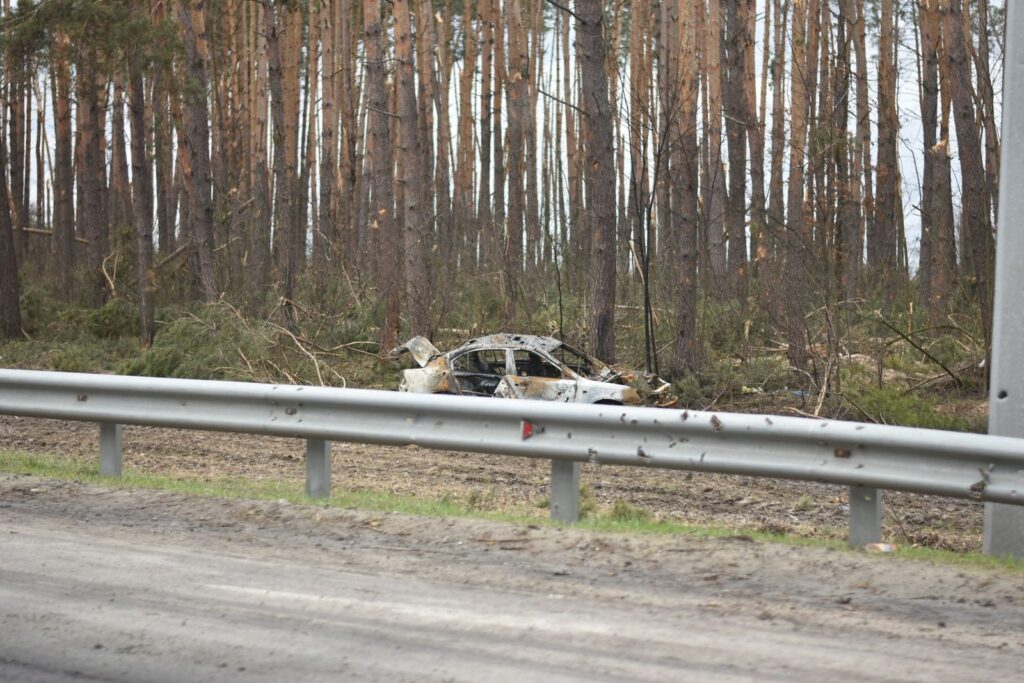
Your car is hit. The crash seems minor—a low-speed collision. Seconds later, the fuel tank ruptures. Fire erupts. You’re trapped, burned over 40% of your body. You spend months in a burn unit. Years of skin grafts, surgery, and pain management follow. You’ll never look the same.
This is not a minor injury. This is catastrophic. If the vehicle’s design caused that fire, the manufacturer may be liable for the injuries the defect enhanced. Under Fla. Stat. § 768.81, the fault of everyone who contributed to the accident is considered when fault is apportioned.
This guide explains vehicle fire injury claims: what they are, who they’re for, what damages they cover, and how the legal process works.
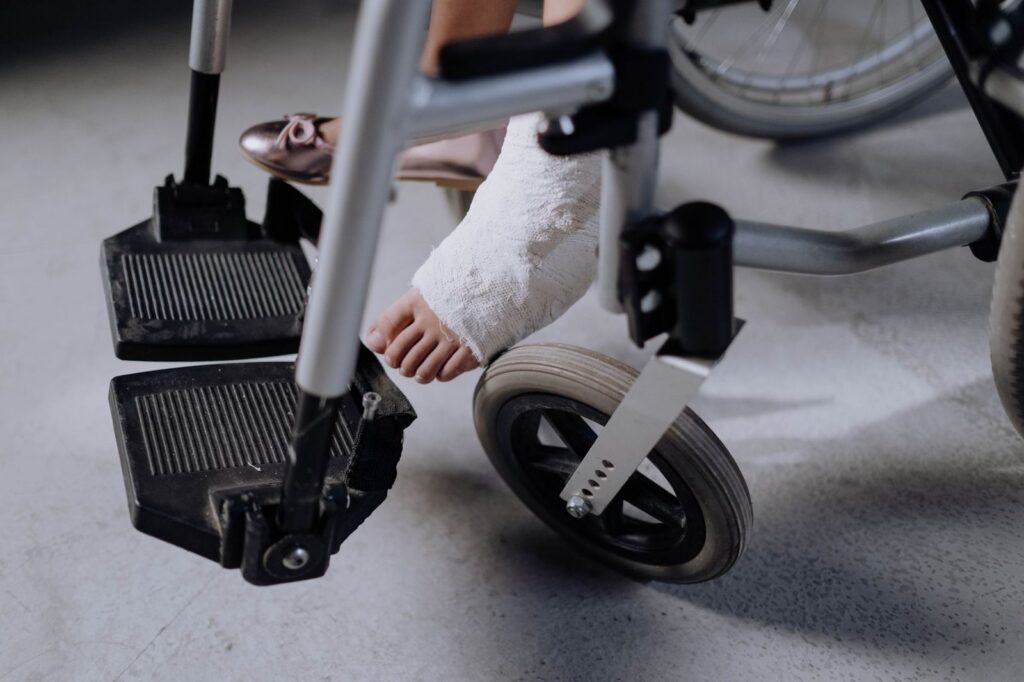
If you or a loved one suffered severe burns in a vehicle fire after a crash, the vehicle's design or fuel system may be responsible. Talk it through with our team — the first consultation is free, confidential, and carries no obligation.
What Is a Vehicle Fire Injury Claim?
A vehicle fire injury claim is a legal action against a manufacturer or parts supplier. You file it when a design flaw causes a fire during or after a crash. The result: severe burn injuries or death.
The key principle is crashworthiness. Vehicles must protect occupants from the initial impact and from dangers after the crash—including fire. If a fuel tank ruptures, fuel lines disconnect, or wiring shorts and ignites fuel vapors upon impact, the manufacturer is responsible.
Liability for the vehicle’s defect is separate from liability for the crash itself. You may have caused the accident. The manufacturer is still responsible if a design flaw caused the fire. Under Fla. Stat. §768.81, Florida’s comparative-negligence rule, you can recover damages even if you were partly at fault for the collision.
Who Vehicle Fire Injury Claims Are For
Vehicle fire injury claims are for people who:
- Suffered severe, permanent burn injuries in a vehicle fire following a crash
- Required hospitalization, skin grafts, surgery, or ongoing wound care
- Face lifelong medical treatment, pain management, physical therapy, or counseling
- Deal with permanent scarring, contractures, or disfigurement
- Lost a loved one in a post-crash vehicle fire
- Live anywhere in the United States
If you experienced a minor burn or small blister, this may not fit your situation. Vehicle fire claims focus on catastrophic injuries—the kind that permanently alter your life.
What Vehicle Fire Injury Claims Cover
Damages in vehicle fire injury cases typically include:
- Medical expenses: Emergency care, hospitalization, surgery, skin grafts, wound care, and ongoing treatment
- Future medical care: Reconstructive surgery, scar revision, physical therapy, pain management, and mental-health counseling
- Lost income and earning capacity: Wages lost during recovery and reduced earning potential due to permanent injury
- Pain and suffering: Compensation for physical pain, emotional distress, and loss of quality of life
- Permanent scarring and disfigurement: Damages for visible, lasting injury and its psychological impact
- Wrongful death: In fatal fires, damages for the family’s loss and funeral expenses
- Punitive damages: In cases of gross negligence, additional damages to punish the manufacturer
The amount of recovery depends on injury severity, your age and income, the jurisdiction, and the evidence strength. No specific outcome is guaranteed.
How Vehicle Fires Happen: Common Defects
Post-crash vehicle fires result from design or manufacturing flaws. Common defects include:
- Fuel system failures: Fuel tanks that rupture upon impact; fuel lines that disconnect or crack; inadequate fuel containment
- Inadequate fuel tank shielding: Fuel tanks positioned too close to the crash zone or lacking protective barriers
- Defective fuel pump shut-off switches: Switches that fail to cut power after a crash, allowing fuel to continue flowing
- Electrical system defects: Wiring that shorts and ignites fuel vapors; defective battery isolation systems
- Engine compartment design: Insufficient clearance between hot engine components and fuel lines or tanks
- Inadequate fire-suppression systems: Vehicles lacking fire-suppression materials that could slow or prevent fire spread
- Known defects ignored: Manufacturers aware of fire risks but failing to redesign or recall vehicles
The Legal Basis for Vehicle Fire Injury Claims
Vehicle fire injury claims rest on several legal theories:
- Crashworthiness liability: Manufacturers must design vehicles to protect occupants from foreseeable post-crash hazards, including fire
- Product liability: Defective design, manufacturing defect, or failure to warn of known risks
- Negligence: The manufacturer’s failure to exercise reasonable care in designing a safe vehicle
- Strict liability: In many jurisdictions, a defective product is liable regardless of the manufacturer’s intent
Federal Motor Vehicle Safety Standards (FMVSS) set minimum fire-safety requirements for fuel systems, electrical systems, and post-crash fire containment. Violation of FMVSS standards strengthens a crashworthiness claim. Evidence that competitors designed safer fuel systems shows the defect was foreseeable and preventable.
Not sure what your next step is?
Talk it through with our team — the first consultation is free, confidential, and carries no obligation.
How Vehicle Fire Injury Claims Work: Step-by-Step
The claim process typically follows this path:
1. Initial consultation
You meet with an attorney to discuss the crash, the fire, and your injuries. This is free and confidential. The attorney asks about the vehicle’s make, model, and year; the crash circumstances; how the fire started; and your injury extent. This conversation determines whether you have a viable claim.
2. Investigation
The firm obtains the vehicle’s design specifications, manufacturing records, prior complaints, and recalls to identify the defect. This phase includes:
- Requesting engineering and safety documentation from the manufacturer
- Reviewing NHTSA complaints and recalls related to fuel-system or electrical fires in your vehicle model
- Obtaining the police crash report and fire department investigation records
- Photographing and preserving the vehicle for expert inspection
3. Medical documentation
Your medical records, imaging, and expert medical testimony establish injury severity and future care needs. Severe burns often require extensive hospitalization, multiple surgeries, and lifelong scar management. The firm works with burn specialists to document your injuries, treatment, and prognosis.
4. Expert analysis
Engineers and fire experts examine the vehicle, crash scene, and fire’s origin to prove the defect caused the fire. This includes:
- Vehicle teardown and inspection by a certified automotive engineer
- Fire origin and cause analysis by a fire investigator or forensic engineer
- Comparison of your vehicle’s design to safer competitor designs
- Reconstruction of the crash and fire sequence
5. Demand and negotiation
The firm presents evidence to the manufacturer’s insurance company and negotiates a settlement. The demand package includes medical records, expert reports, and a detailed damages calculation. Insurance adjusters respond with their own analysis.
6. Litigation (if necessary)
If settlement talks fail, the case proceeds to court. Discovery begins. Depositions are taken. The case may be scheduled for trial, where a jury decides liability and damages.
7. Resolution
Settlement or judgment; funds are distributed to cover medical expenses, lost income, and pain and suffering. Settlement typically takes 1–3 months to finalize. Trial cases may take 1–3 years or longer.
Timeline: What to Expect
- Initial consultation to investigation: 1–2 months. The firm gathers records and begins expert analysis.
- Investigation to demand: 3–6 months. Experts complete analysis and the firm prepares a detailed demand package.
- Demand to settlement negotiation: 2–12 months. Insurance companies respond and negotiations begin.
- Settlement or litigation: If settled, 1–3 months to finalize. If litigated, 1–3 years depending on court schedules.
- Total timeline: Most vehicle fire injury claims resolve within 1–2 years. Complex cases or those requiring trial may take longer.
Your role includes providing medical records, answering questions about the crash and fire, and possibly being deposed (questioned under oath) by the defense.
Why This Firm for Vehicle Fire Injury Claims
- Exclusive focus on catastrophic injury: The firm focuses exclusively on severe, life-altering injuries—including catastrophic burn injuries from vehicle fires—not routine or minor claims.
- Crashworthiness claims: Focus on vehicle design-defect and crashworthiness claims, including post-crash fire cases.
- Licensed attorneys: All attorneys are licensed in Florida and admitted to the Florida Bar.
- Technical resources: Works with leading engineers, fire experts, and medical specialists to build strong, evidence-based cases.
- Empathetic representation: Understands the trauma of severe burn injury and the long road to recovery.
- No upfront costs: Works on contingency—you pay nothing unless you recover.
Frequently Asked Questions
How much money will I receive from a vehicle fire injury claim?
Settlement and verdict amounts vary based on injury severity, your age, your income, the jurisdiction, and the evidence strength. The firm will provide a realistic estimate after reviewing your case. No outcome is guaranteed.
What if the crash was my fault?
In a products liability action claiming that a defective product enhanced your injuries, Florida law requires the trier of fact to consider the fault of all persons who contributed to the accident when apportioning fault among them.
How much does the attorney take?
The firm works on a contingency-fee basis, typically taking a percentage of the recovery (often 25–40%, depending on the case stage). You will discuss fees during your consultation. You pay nothing upfront and nothing if the case does not recover.
Do I need to have a lawsuit filed, or can we settle?
Many vehicle fire injury claims settle without litigation. The firm will pursue settlement first but is prepared to litigate if necessary to achieve fair compensation.
How long will this take?
Most cases resolve within 1–2 years. Complex cases or those requiring trial may take longer. The firm will keep you informed of progress.
What if the vehicle was recalled?
A recall strengthens your claim by showing the manufacturer knew of the defect. Evidence of recalls is available through NHTSA. Even without a recall, evidence of a design defect is actionable.
What is the deadline for filing a vehicle fire injury claim?
Under Fla. Stat. §95.11, a personal-injury claim in Florida must be filed within 2 years of the date the cause of action accrues. Do not delay—contact the firm to discuss your specific timeline.
Have questions about what happened?
Ask our team directly. The first conversation is free, confidential, and there is no obligation to continue.
What to Do Now
- Gather documents: Collect the police report, medical records, photos of the vehicle and your injuries, and any recall notices.
- Write down details: Note the vehicle’s make, model, and year; the date and location of the crash; and a timeline of your injuries and treatment.
- Preserve evidence: Do not discard the vehicle or allow it to be scrapped; it is critical evidence in your case.
- Avoid discussing the case: Do not post about the incident on social media or discuss details with insurance adjusters without legal counsel.
- Contact the firm: Reach out for a free, confidential case evaluation. There is no obligation.
Related Resources
Learn more about catastrophic injury lawsuits and burn injury compensation to understand your full range of legal options. You may also have a product liability claim against the manufacturer or a claim related to defective vehicle recalls.
If you or a loved one suffered severe burns in a vehicle fire after a crash, the vehicle’s design or fuel system may be responsible. You may have a claim against the manufacturer. Contact us for a free case evaluation.
Why Choose CHG Personal Injury Lawyers
Catastrophic Injury Focus
We focus exclusively on severe, life-altering injuries—including catastrophic burns from vehicle fires. We understand the medical, financial, and emotional toll these injuries inflict.
Thorough Case Investigation
Vehicle fires often involve defective fuel systems, design flaws, or maintenance failures. We investigate the root cause and hold responsible parties accountable.
Experienced Legal Team
Our Florida-licensed attorneys have handled catastrophic burn claims and work with medical specialists to document the full scope of your injuries and future needs.
No Attorney’s Fees Unless There Is a Recovery
We work on a contingency basis, so you pay nothing upfront. We only collect a fee if we recover compensation for you.
What Vehicle Fire Burn Claims Involve
Identifying Liability
Vehicle fires can result from defective fuel tanks, electrical system failures, design flaws, or inadequate maintenance by the manufacturer, dealer, or owner. We determine who is responsible.
Documenting Your Injuries
Severe burns require extensive medical treatment, skin grafts, and long-term care. We work with burn specialists to document the extent of your injuries and ongoing medical needs.
Calculating Damages
Compensation covers medical expenses, lost income, pain and suffering, scarring and disfigurement, and the cost of future care and rehabilitation.
Pursuing Recovery
We negotiate with insurers and manufacturers, and we are prepared to take your case to trial to secure fair compensation for your catastrophic injuries.
Act Quickly
Evidence from vehicle fires—including the vehicle itself, maintenance records, and manufacturer documents—must be preserved immediately. Delay can result in lost evidence and weakened claims.
Common Questions About Vehicle Fire Burn Claims
How much money will I receive?
Settlement and verdict amounts depend on injury severity, your age and income, the jurisdiction, and the strength of the evidence. We will provide a realistic estimate after reviewing your case. No outcome is guaranteed.
What if the crash was my fault?
Crash fault can affect a product liability or defect claim. Under Fla. Stat. § 768.81(6), a party found more than 50 percent at fault for his or her own harm may not recover any damages. If the vehicle itself was defective or caught fire due to a design flaw or manufacturing defect, you may still have a claim against the manufacturer or dealer.
Do I need to file a police report?
A police report is helpful but not always required. We will advise you on what documentation to gather and preserve, and we handle the investigation and claim process.
Can I sue the vehicle manufacturer?
Yes. If the fire resulted from a defective fuel system, electrical component, or design flaw, you may have a product liability claim against the manufacturer, even if you were not driving the vehicle.