
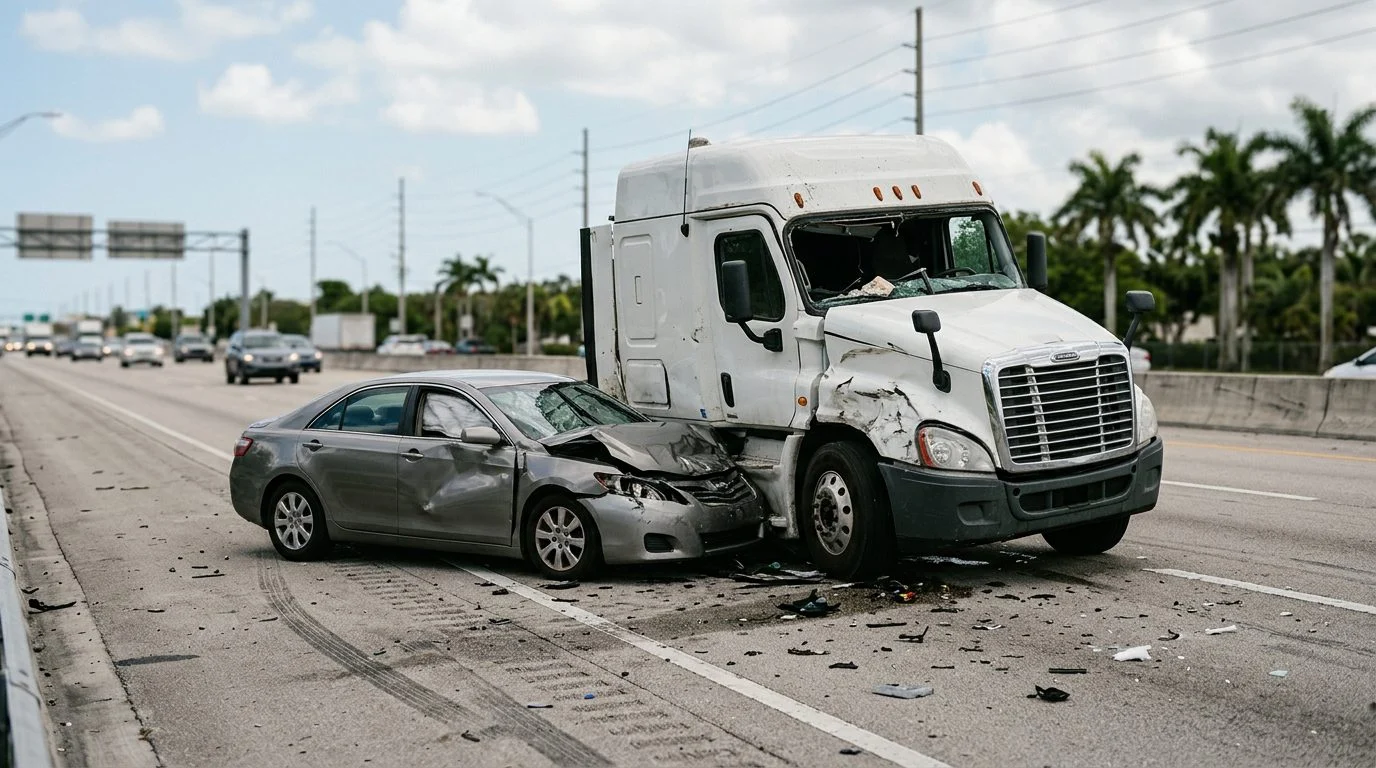
Pompano Beach | Truck Accidents
Hurt in a Pompano Beach Truck Crash? Here Is What to Do Next
A truck collision can change your life in seconds. CHG Personal Injury Lawyers helps injured people and their families in Pompano Beach and throughout Florida understand their options, one step at a time.
Why Florida Families Call CHG
Florida
Florida-based personal injury firm serving Pompano Beach and communities across the state
Free
Confidential first consultation with no obligation to continue
No Fees
No attorney's fees or case costs unless there is a recovery
Licensed
Attorneys admitted to The Florida Bar; Igor Hernandez is the responsible attorney for this page
By CHG Lawyers · Published October 26, 2026
Truck Accidents in Pompano Beach: What to Know and What to Do After a Crash
A truck crash in Pompano Beach can cause serious, life-changing harm. Florida law sets clear rules about who may be responsible. It also sets how much time you have to act. This plain-language guide explains the basics. It can help you take the right next steps.
If you have sat in traffic near the Pompano Beach Fishing Pier on a summer weekend, you know how busy these roads get. Heavy trucks share those lanes every day. That is where the risk begins.
Not sure what your next step is?
Talk it through with our team — the first consultation is free, confidential, and carries no obligation.
Why Truck Crashes on Pompano Beach Roads Can Cause Severe Harm
A loaded commercial truck is much heavier than a passenger car. In a collision, far more force goes into the smaller vehicle. The people inside that vehicle often bear the worst of it.
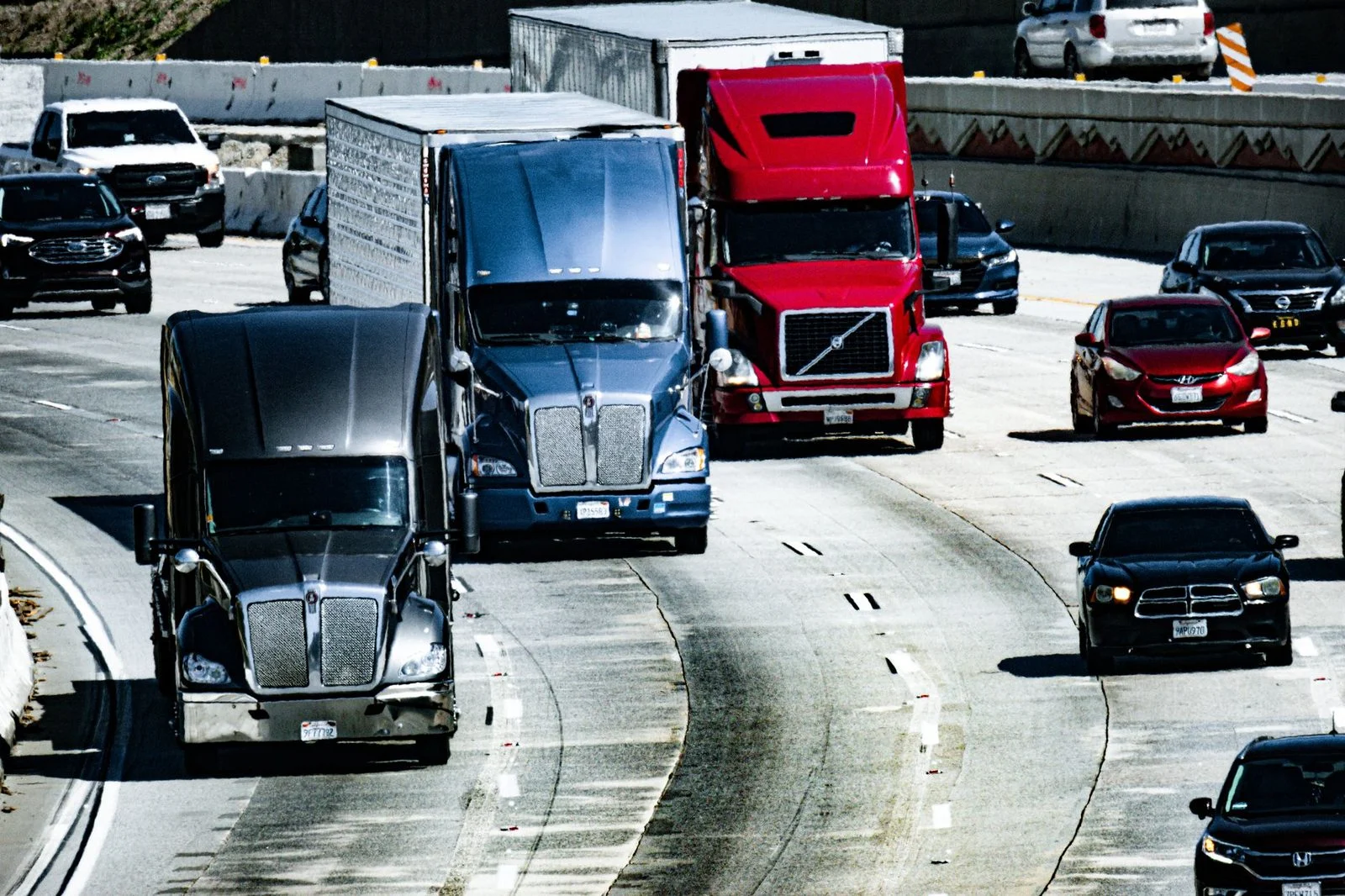
Heavy trucks travel many of the same roads you drive every day. Interstate 95 runs through the area. So do Hillsboro Boulevard, Atlantic Boulevard, and Powerline Road. Busy stretches with merging traffic and frequent stops raise the risk for everyone on the road.
Several crash patterns come up again and again in truck cases:
- Rear-end impacts: A truck fails to slow down behind traffic.
- Rollovers: A heavy load shifts, or a truck takes a curve too fast.
- Lane changes: A truck moves over, and the driver cannot see a car beside it.
- Underride collisions: A smaller vehicle slides beneath a trailer.
Each pattern can cause serious injury. The details of what happened matter a great deal to the people involved.
Who Can Be Responsible After a Truck Crash
Responsibility can reach beyond the driver. Depending on the facts, it may include:
- The truck driver
- The trucking company
- The company that hired or leased the driver
- The vehicle’s owner
- A maintenance contractor
- The business that loaded the cargo
Many trucks on local roads run under delivery contracts. Some drive for large shipping companies in last-mile delivery. Last-mile delivery is the final leg, from a local hub to a customer’s door. The contract structure often decides which companies get named in a claim.
Whether federal law could limit a particular claim depends on the facts of each case and the laws that apply to it, so that question is worth reviewing with a lawyer.
Driver records can be key evidence. Federal rules require each motor carrier subject to the requirements of this part to require each driver to record duty status for each 24-hour period, except for a private motor carrier of passengers (nonbusiness), including driving, on-duty not driving, and off-duty time. Drivers record duty status using an electronic logging device (ELD), or manually on a paper grid only where the motor carrier allows manual recording under the section’s limited exceptions, such as for vehicles manufactured before model year 2000. See 49 CFR 395.8.
Drivers also write inspection reports on their vehicles. Under 49 CFR 396.11, each intermodal equipment provider must keep the driver report and the certification of repairs for three months from the date a motor carrier or its driver submits the report to it, and these rules do not apply to a private motor carrier of passengers (nonbusiness), a driveaway-towaway operation, or any motor carrier operating only one commercial motor vehicle. Because these records are kept only for a limited time, early action matters.
Catastrophic Injuries That Follow a Truck Crash
The force of a large-truck crash can cause injuries that change a life. Families often face spinal cord injuries and paralysis. They may also face traumatic brain injuries, amputations, severe burns, and serious back and neck injuries.
Some of these injuries are permanent. Others need long-term medical care, special equipment, or changes to a home. Because of this, the full cost of recovery can take months or years to understand. Doctors often need time to see how much recovery to expect.
Follow your doctors’ care. Keep every medical record, bill, and appointment note. Tell your doctor about every symptom, even ones that seem minor. Some injuries do not show their full effects right away. Get evaluated soon after a crash.
When a Truck Crash Is Fatal: What Families Can Do
When a truck crash takes a life, the family’s grief comes first. The steps that follow can feel overwhelming. You do not have to map them out alone.
The claim is brought by the decedent’s personal representative. The decedent is the person who died. The personal representative is the person appointed to handle the estate. The representative recovers for the survivors and the estate under Fla. Stat. § 768.20. The party who would have been liable if the death had not occurred can be liable for damages under Fla. Stat. § 768.19.
The law also defines the losses a family may claim. Under Fla. Stat. § 768.21, survivors may recover lost support and services. A surviving spouse may recover for loss of companionship and protection. Minor children, and all of the decedent’s children if there is no surviving spouse, may recover for lost parental companionship, instruction, and guidance and for mental pain and suffering from the date of injury, but adult children cannot recover these damages in claims for medical negligence. A survivor who paid medical or funeral expenses may recover those costs.
Wrongful death has its own deadline. A limitations statute is the law that sets the filing deadline. Families should speak with a lawyer promptly.
First Steps After a Truck Crash in Pompano Beach
Your health comes first. Your claim comes next. When it is safe, take these steps in order:
- Get medical care right away. Follow your doctors’ instructions.
- Call law enforcement to the scene so a report is made.
- Photograph the vehicles, the roadway, and any visible injuries.
- Collect the names and phone numbers of witnesses.
Tell your doctor about every symptom. Those reports become part of your medical record.
The trucking company or its insurer may contact you quickly. Talking with a lawyer before giving any recorded statement is a reasonable step. Facing a trucking company’s insurance team alone can feel like crossing I-95 on foot at rush hour.
Evidence can disappear. Dash camera footage, electronic logging data, and maintenance records may be overwritten or lost. Early action helps preserve them.
Have questions about what happened?
Ask our team directly. The first conversation is free, confidential, and there is no obligation to continue.
How to Get a Florida Crash Report After a Truck Accident
The investigating law enforcement agency prepares the crash report. For crashes involving death, personal injury, or complaints of pain, Florida law requires a long-form report. It must be submitted within 10 days after the investigation is completed.
The report lists the date, time, and location of the crash. It also lists the vehicles involved and the names and addresses of the parties. It names the investigating officer, the officer’s badge number, and the agency. The insurance company for each party must appear as well.
You can ask the investigating agency for a copy. Reports may take time to become available. Keep your own notes and photos in the meantime.
A crash report is one piece of evidence, not the final word. Investigators also weigh witness statements, photos, vehicle damage, and company records.
Florida Deadlines and Fault Rules to Know
Florida generally requires a personal injury negligence lawsuit to be filed within two years. Florida’s limitations statute, Fla. Stat. § 95.11, sets these time limits. Wrongful death claims follow a different deadline, as explained above.
Florida also uses comparative fault. This means each person’s share of blame counts. Under Fla. Stat. § 768.81, the court enters judgment against each liable party based on that party’s percentage of fault. Under Fla. Stat. § 768.81, in a negligence action the court shall enter judgment against each party liable on the basis of such party’s percentage of fault and not on the basis of the doctrine of joint and several liability, but this section does not apply to any action brought by any person to recover actual economic damages resulting from pollution, to any action based upon an intentional tort, or to any cause of action as to which application of the doctrine of joint and several liability is specifically provided by chapter 403, chapter 498, chapter 517, chapter 542, or chapter 895.
The same statute says that in a negligence action to which the statute applies, a party found greater than 50 percent at fault for their own harm may not recover any damages, but this does not apply to an action for damages for personal injury or wrongful death arising out of medical negligence pursuant to chapter 766. A lower percentage of fault reduces the award.
These deadlines and fault rules apply no matter how serious the injury is. Waiting can cost you time you may need. How fault is divided depends on the facts of each crash.
Talk With CHG Personal Injury Lawyers About Your Pompano Beach Truck Crash
CHG Personal Injury Lawyers is a Florida-based personal injury firm. It handles car, truck, and other accident cases throughout Florida. That includes catastrophic injury and wrongful death matters. Igor Hernandez is the responsible lawyer for this page. Our lawyers are licensed in Florida and admitted to The Florida Bar.
A truck crash case may be referred to, or handled together with, another law firm. We will tell you that during your consultation.
Our team knows a truck crash can bring medical bills, missed work, and hard questions about the future. Our first consultation is free, confidential, and carries no obligation to continue. CHG charges no attorney’s fees and no case costs unless there is a recovery.
If a truck on I-95 left you or someone you love hurt, reach out now. If your family is facing a fatal crash, reach out now too. Contact us for a free case evaluation at our contact page.
Frequently Asked Questions
What should I do after a truck accident in Pompano Beach?
Get medical care right away, even if you feel okay. Follow your doctors’ care. If possible, call the police. Get the names and insurance details of everyone involved, and keep photos and records. Then contact CHG Personal Injury Lawyers for a free, confidential consultation with no obligation.
Who can be held responsible for a truck accident in Florida?
Depending on the facts, responsibility may fall on the truck driver, the trucking company, a cargo loading company, a maintenance contractor, or a vehicle or parts manufacturer. Florida law looks at each party’s role. A careful review of the crash is needed to identify every party who may be responsible.
How long do I have to file a truck accident claim in Florida?
Florida generally allows two years to file most negligence claims. Wrongful death claims also have deadlines. The time limit depends on the type of claim and the facts. These deadlines can stop a case from moving forward. Contact CHG Personal Injury Lawyers promptly to learn which ones apply to you.
Do I have to pay anything upfront to talk to CHG Personal Injury Lawyers about my truck accident?
No. The initial consultation is free, confidential, and comes with no obligation to continue. CHG charges no attorney’s fees and no case costs unless there is a recovery.
Your Next Steps After a Truck Accident
1. Get Medical Care Right Away
Some injuries, including brain and spinal injuries, may not show symptoms for hours or days. See a doctor promptly, even if you feel okay, and follow your doctors' care.
2. Protect the Evidence
If you are able, take photos of the vehicles, the scene, your injuries, and any road or traffic signs. Write down the truck's company name, the driver's details, and the names and contact information of any witnesses.
3. Be Careful with Insurance Calls
Insurance adjusters and trucking companies may contact you quickly. Before you give a recorded statement or sign any document, talk with a lawyer about what you are being asked to agree to.
4. Talk to CHG Personal Injury Lawyers
Our team can review what happened and explain your options in plain language. Your first consultation is free, confidential, and comes with no obligation.
Want to know where you stand?
Tell us what happened and our team will walk you through the options available to you, at no cost.
How We Help Injured People and Their Families
Plain-Language Answers
We explain the legal process in clear terms, so you always know what is happening and why.
Advocacy for Your Recovery
We focus on protecting your rights while you concentrate on your health and your family.
Investigation of Complex Crashes
Truck accident claims often involve company records, driver logs, and maintenance files. We handle the detailed work of gathering the information that matters.
Support for Families
When a truck crash causes a serious injury or a death, we work with the people left behind to explain the options available to them.
Important: Act Promptly
Trucking companies and their insurers often begin their own investigations right away. Deadlines apply to injury claims in Florida, so contact a lawyer promptly rather than waiting.