

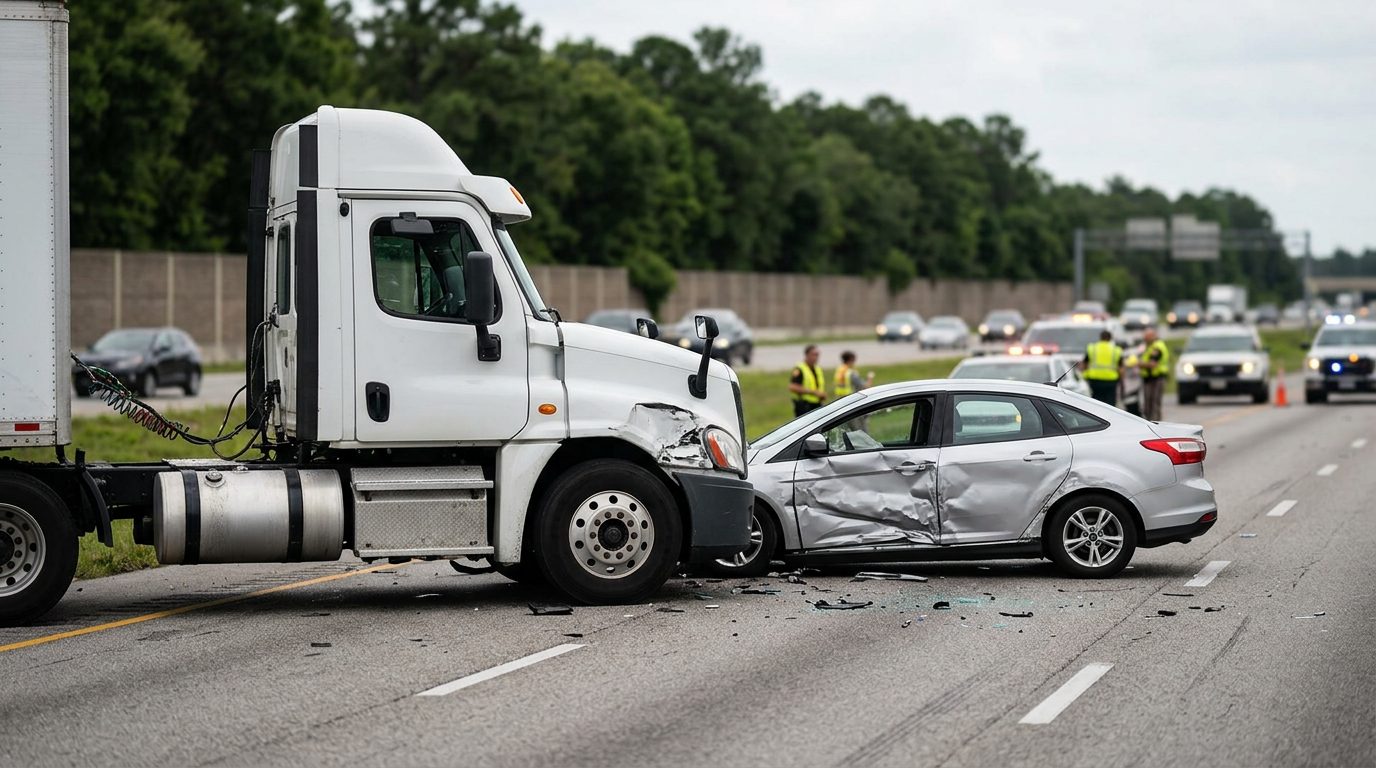
FLORIDA TRUCK CRASH DATA
The Human Cost Behind Truck Fatality Statistics
Understanding FARS data and what it means for families affected by catastrophic truck crashes in Florida
The Scale of Truck Crash Fatalities in Florida
353
Deaths from large truck crashes in Florida (2024)
3rd
Nationally—after Texas and California
FARS
Federal data system tracking every fatality
By CHG Lawyers · Published August 28, 2026
Understanding FARS Truck Crash Fatality Data in Florida: What the Numbers Tell Us
Florida recorded 353 deaths from large truck crashes in 2024, ranking third nationally after Texas and California, according to the National Safety Council’s Injury Facts database. Behind every number is a real person and a family forever changed. If you lost someone or are caring for a survivor with catastrophic injuries, understanding these numbers—and what legal options may exist—matters.
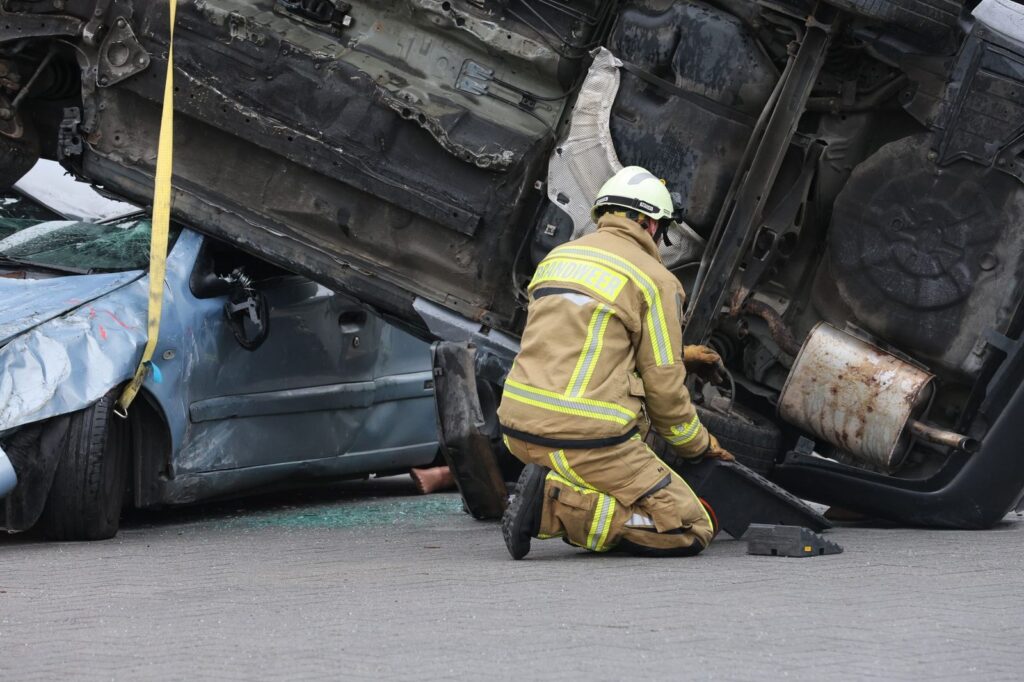
If you've lost someone in a truck crash or you're supporting a survivor with catastrophic injuries, reach out. Talk it through with our team — the first consultation is free, confidential, and carries no obligation.
What Is FARS and Why Does It Matter?
FARS stands for Fatality Analysis Reporting System. It’s the federal database run by the National Highway Traffic Safety Administration (NHTSA). FARS records every fatal motor vehicle crash on public roads in the United States. It tracks the vehicles involved, the people killed, the location, the time, and what caused the crash.
FARS data is the most reliable source for understanding fatal truck crashes in Florida. It’s public information. Safety researchers, policymakers, and families use it to understand what happened. When you see a statistic about truck deaths in Florida, it almost always comes from FARS.
How Many People Die in Truck Accidents in Florida Each Year?
In 2024, Florida saw 353 deaths from large truck crashes. This counts fatalities involving commercial trucks—vehicles weighing more than 10,000 pounds. These crashes are especially severe.
Large trucks make up a small fraction of all vehicles on the road. But because of their size, weight, and stopping distance, they cause a large share of fatal crashes.
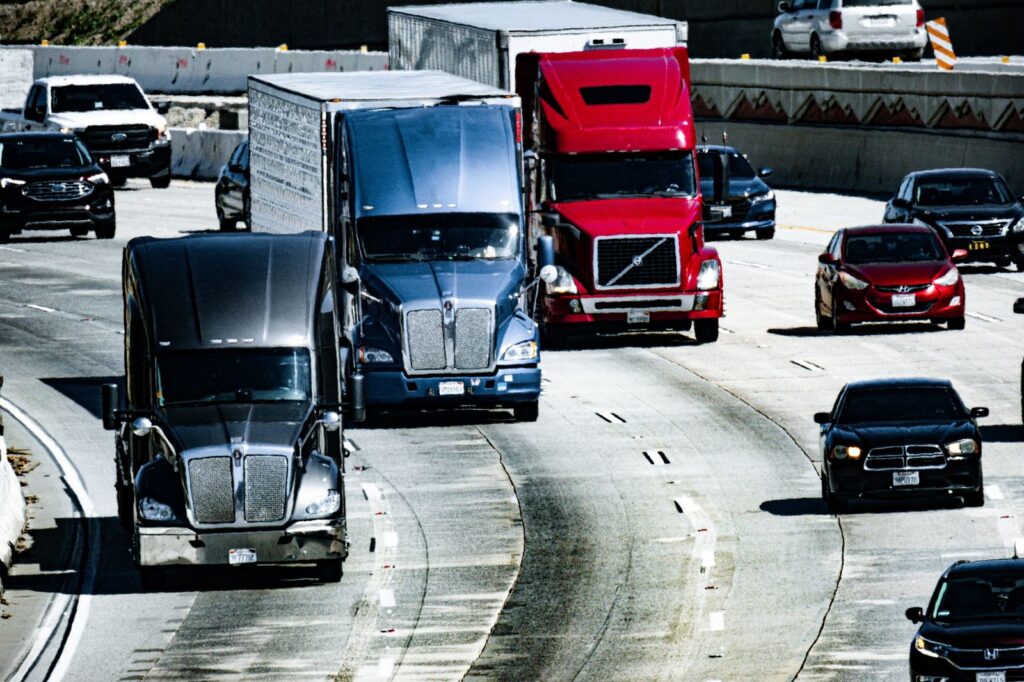
Florida’s truck fatality numbers stay among the highest in the nation year after year. The state’s geography drives this. Major interstate highways (I-95, I-75, I-4), heavy tourism traffic, and dense cities create conditions where fatal crashes happen regularly.
Each of those 353 deaths was a person: a parent, a child, a spouse, a worker. Each represents a family grieving and wondering whether someone else’s negligence or wrongdoing caused the crash.
How Many Vehicle Crash Fatalities Per Day in Florida?
Florida’s total traffic deaths in recent years have exceeded 3,000 annually. That’s roughly 8 to 9 deaths every single day from all motor vehicle crashes. Large truck crashes account for a significant portion of this toll.
To put it in perspective: 353 deaths from large trucks in 2024 means approximately one fatal truck crash per day in Florida. These aren’t rare. They’re a regular, preventable tragedy.
Not sure what your next step is?
Talk it through with our team — the first consultation is free, confidential, and carries no obligation.
Florida Truck Crashes in National Context
Florida ranks third nationally in large truck deaths, behind Texas (720 deaths in 2024) and California (391 deaths). But the ranking doesn’t tell the whole story.
Florida’s traffic volume, interstate system, and year-round tourism create unique risks. I-95, I-75, and I-4 are among the nation’s busiest trucking corridors. Trucks carrying freight from ports, distribution centers, and factories use these highways constantly.
Add Florida’s heat, sudden thunderstorms, and congested cities, and the conditions for serious crashes multiply.
Many fatal truck crashes in Florida involve preventable factors: driver fatigue, mechanical failure, poor maintenance, overloading, or unsafe hiring and training. When negligence or wrongdoing causes a crash, the family may have legal recourse.
What Types of Truck Crashes Cause the Most Fatalities in Florida?
Certain crash types are inherently more deadly.
Underride crashes happen when a smaller vehicle slides under a truck’s trailer. They are almost always fatal.
Jackknife crashes occur when the truck’s cab and trailer fold at an angle. They often cause multi-vehicle collisions and deaths.
Rollovers are catastrophic, especially on busy highways.
Rear-end collisions involving trucks are often fatal because of the truck’s weight and how hard it is to stop a loaded 18-wheeler.
Side-impact crashes with trucks frequently result in death or severe injury.
In the catastrophic-injury cases we handle, the crash type—and the injuries it causes—often tells us what went wrong. A rollover may point to excessive speed or mechanical failure. An underride crash may indicate inadequate lighting or reflectors. A rear-end collision may suggest driver fatigue or brake failure.
Many of these crashes could have been prevented. That’s why investigating the cause matters, and why families often need legal guidance to understand whether negligence or wrongdoing played a role.
Florida Counties and Regions with the Highest Truck Crash Fatalities
Florida Highway Safety and Motor Vehicles (FLHSMV) publishes detailed crash data by county and region. Fatal truck crashes cluster along major corridors:
- Miami-Dade and Broward counties along I-95
- Hillsborough and Polk counties along I-75
- Orange and Seminole counties along I-4
These areas see more fatal crashes because they have higher traffic volume, more commercial truck traffic, and more complex road conditions.
Urban areas present additional hazards: congestion, construction zones, and frequent lane changes. Rural stretches of interstate can be dangerous too. Trucks travel at high speeds with limited visibility, and emergency services are farther away.
If you live or travel in one of these regions, the risk of a serious truck crash is real. If a crash has already happened, location matters. Local investigators, medical facilities, and legal resources vary by county.
Understanding the Human Cost Behind the Numbers
Statistics can feel distant. But each of the 353 deaths in Florida in 2024 was a person who will never come home. It was a child who lost a parent, a spouse who lost a partner, a parent who lost a child.
Beyond fatal crashes, many survivors suffer catastrophic, life-altering injuries. A spinal cord injury can cause paraplegia or quadriplegia—permanent paralysis. A traumatic brain injury can cause cognitive problems, personality changes, and lifelong disability. Amputations and severe burns require years of medical care, rehabilitation, and adjustment.
When a truck crash is caused by negligence—driver fatigue, mechanical failure, poor maintenance, overloading, unsafe hiring, or violation of safety rules—the family or injured survivor may have a legal claim. A wrongful-death claim seeks compensation for the loss of the victim. A personal-injury claim by a survivor seeks compensation for medical expenses, lost wages, pain and suffering, and the cost of lifelong care.
Have questions about what happened?
Ask our team directly. The first conversation is free, confidential, and there is no obligation to continue.
What Happens After a Fatal Truck Crash in Florida?
After a fatal truck crash, law enforcement investigates. NHTSA may investigate if federal safety issues are involved. Insurance companies get involved. The family faces immediate questions: What happened? Who was at fault? Do we have a claim?
Under Florida Statute §95.11, a wrongful-death or negligence claim must generally be filed within two years of when the cause of action arises. This deadline is strict. Waiting too long can bar the claim entirely.
Florida Statute §768.81 applies comparative fault (shared responsibility). If the family or survivor is found more than 50% at fault, they generally recover nothing. But if they’re 50% or less at fault, they can recover their proportionate share of damages.
These rules protect families and survivors. But they also create urgency. Early investigation, evidence preservation, and legal guidance are critical.
Where to Find More Information and What to Do Next
You can access NHTSA’s FARS database directly to explore fatal crash data by state, county, year, and crash type. FLHSMV’s Crash and Citation Reports provide Florida-specific statistics.
These resources help you understand truck crash risk. But data alone doesn’t answer the question most families face: What do we do now?
If your family lost someone in a truck crash, or you’re caring for a survivor with life-altering injuries—spinal cord injury, brain injury, amputation, or severe burns—from a truck accident, the path forward often includes legal questions. Was the crash caused by negligence? Do you have a claim? What is the statute of limitations? What damages might be available?
These are questions families in your situation ask regularly. You don’t have to navigate them alone.
FAQ
What is FARS data used for? FARS data is used by safety researchers, policymakers, and families to understand fatal crash trends, identify safety risks, and investigate what happened in specific crashes.
How do I access FARS data for a specific crash? You can search the NHTSA FARS database by state, county, year, and crash type to find detailed information about fatal crashes.
What is the statute of limitations for a wrongful-death claim in Florida? Under Florida Statute §95.11, a wrongful-death claim must generally be filed within two years of when the cause of action arises.
Can I pursue a claim if I was partially at fault? Yes, under Florida Statute §768.81, you can recover if you’re 50% or less at fault. Your recovery is reduced by your percentage of fault.
What counts as negligence in a truck crash? Negligence can include driver fatigue, mechanical failure, poor maintenance, overloading, unsafe hiring, violation of safety rules, or failure to inspect the vehicle before operation.
What if the crash killed someone and injured others? Surviving family members can pursue wrongful-death claims. Injured survivors can pursue personal-injury claims for their catastrophic injuries—spinal cord injury, brain injury, amputation, or severe burns.
If you’ve lost someone in a truck crash or you’re supporting a survivor with catastrophic injuries, reach out. Families navigating this situation often have urgent questions about liability, insurance, and whether they have a legal claim. Our team focuses exclusively on catastrophic-injury cases and wrongful-death claims arising from truck accidents and other serious crashes. We can help you understand what happened and what your options are. Contact us for a free case evaluation.
What FARS Data Reveals
What Is FARS?
The Fatality Analysis Reporting System is the federal database that records every fatal crash involving motor vehicles on public roads. It's maintained by the National Highway Traffic Safety Administration (NHTSA) and provides the most comprehensive picture of traffic fatalities in America.
Why These Numbers Matter
Behind every statistic is a person and a family forever changed. FARS data helps identify dangerous patterns, track which types of crashes claim the most lives, and inform safety improvements. For families affected by a truck crash, this data can also support legal claims.
Florida's Truck Crash Reality
Florida's ranking among the deadliest states for truck crashes reflects the state's heavy commercial traffic, highway infrastructure, and year-round driving conditions. Large trucks pose unique risks due to their size, weight, and stopping distance.
Who Is Responsible?
Truck fatalities often result from driver negligence, inadequate maintenance, unsafe loading, violations of hours-of-service rules, or failures by trucking companies to hire and train safely. Understanding what caused the crash is the first step toward accountability.
If You Lost Someone in a Truck Crash
The death of a loved one in a truck accident is a catastrophic loss. Your family may have legal options to pursue accountability and compensation. The sooner you speak with an attorney, the sooner evidence can be preserved and your claim can be evaluated.
How We Help Families After Truck Crash Fatalities
Investigate the Crash
We work with accident reconstructionists and engineers to determine what caused the crash and who bears responsibility—whether a driver, trucking company, maintenance provider, or manufacturer.
Gather Evidence
FARS data, police reports, logbooks, maintenance records, and electronic control module data all tell the story. We preserve and analyze this evidence to build your claim.
Support Your Family
We handle the legal process so you can focus on grieving and healing. We communicate with insurance companies, file claims, and pursue accountability on your behalf.
Pursue Accountability
Wrongful-death claims hold negligent parties responsible and help prevent future tragedies. We focus exclusively on catastrophic injuries and fatalities—this is all we do.