

Catastrophic Injuries
What Are Catastrophic Injuries? Types, Causes & Life Impact
Catastrophic injuries cause permanent, life-altering impairment. Learn what qualifies, how they happen, and what you can do next.
By CHG Lawyers · Published August 22, 2026
Examples of Catastrophic Injuries: Permanent Impact and Legal Claims
If someone you care about has suffered a sudden, severe injury—a spinal cord injury leaving them paralyzed, a traumatic brain injury that changed who they are, the loss of a limb, or severe burns—you’re likely searching for answers. What does this mean for their future? How will we pay for care? Do we have a legal claim?
This guide explains what makes an injury catastrophic, provides real examples, the permanent changes they bring, and what you need to know about holding someone accountable when negligence caused the harm.
Not sure what your next step is?
Talk it through with our team — the first consultation is free, confidential, and carries no obligation.
What Makes an Injury Catastrophic?
A catastrophic injury causes permanent impairment that fundamentally changes how a person lives, works, and cares for themselves. It does not heal and go away.
A broken arm that heals in six weeks is serious. A spinal cord injury that leaves someone paralyzed for life is catastrophic. The key difference is permanence. Medical treatment and rehabilitation can improve function and quality of life, but they cannot restore the person to who they were before the injury.
Catastrophic injuries typically demand:
- Emergency surgery and hospitalization
- Long-term rehabilitation and physical therapy
- Ongoing medical care and medication management
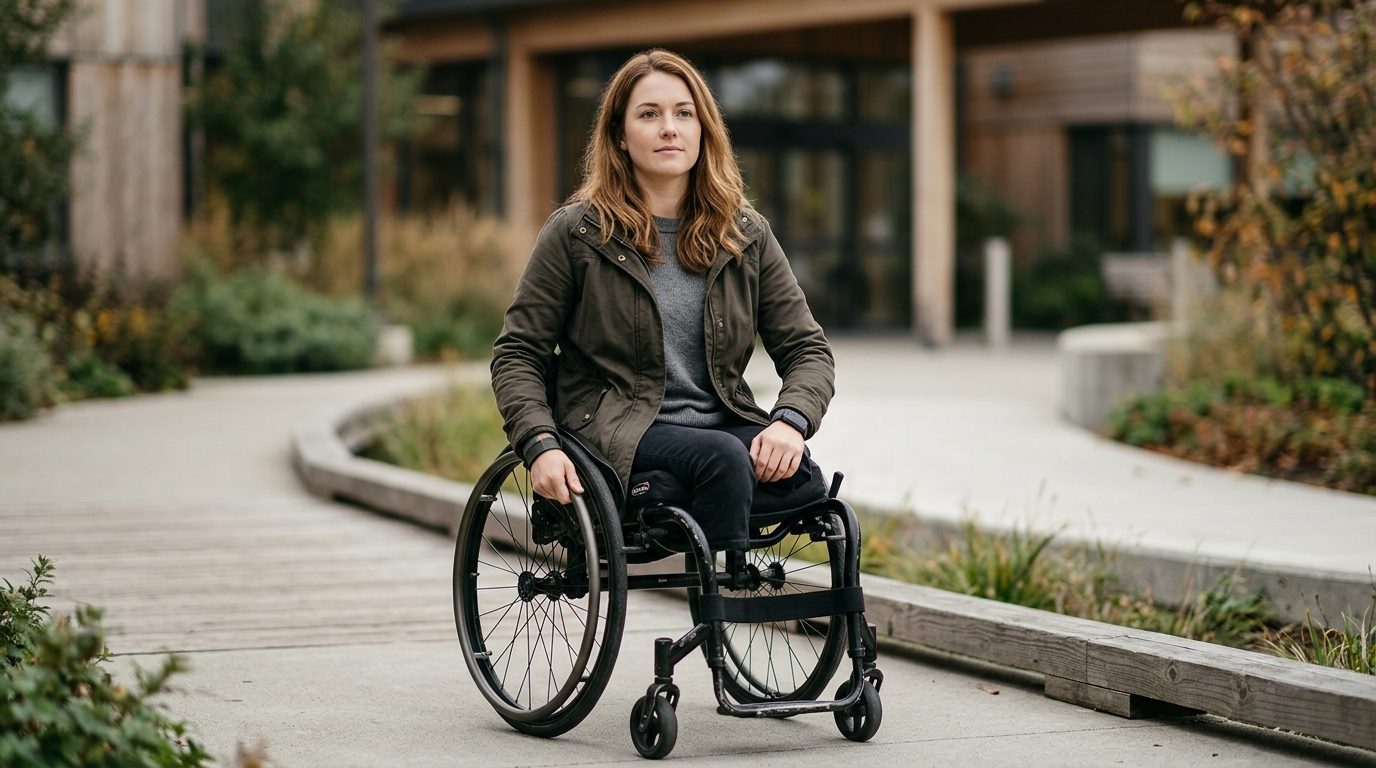
- Adaptive equipment (wheelchairs, prosthetics, home modifications, accessible vehicles)
- Attendant care or nursing support for daily living
- Psychological counseling and support
- Vocational rehabilitation or retraining for work
The financial burden is staggering. Medical costs alone can reach hundreds of thousands of dollars in the first year and millions over a lifetime. Many survivors cannot return to work, adding permanent loss of income to the equation. Families often become unpaid caregivers, affecting their own health, finances, and employment.
Spinal Cord Injuries and Paralysis
A spinal cord injury occurs when trauma damages the nerve fibers in the spine. This disrupts communication between the brain and the rest of the body. The result is loss of sensation, movement, or both below the level of injury—often permanent paralysis.
Paraplegia is paralysis of the lower body and legs. It typically results from injury to the mid-back or lower spine. A person with paraplegia usually retains full use of their arms and torso but cannot walk or move their legs.
Quadriplegia (also called tetraplegia) is paralysis of all four limbs and often the torso. It typically results from injury to the neck or upper spine. Depending on the level and severity of injury, a person with quadriplegia may have limited or no use of their arms and hands.
The American Spinal Injury Association (ASIA) Impairment Scale is the standard tool used to assess the severity and completeness of spinal cord injuries.
Common causes include truck accidents, motorcycle crashes, falls from height, diving accidents into shallow water, workplace incidents, and assaults at properties with inadequate security.
Permanent life impact:
- Wheelchair dependence for mobility
- Loss of bladder and bowel control
- Chronic pain, often severe and unrelenting
- Sexual dysfunction
- Respiratory complications in severe cases (especially quadriplegia)
- Increased risk of infections, blood clots, and secondary health conditions
- Inability to return to previous employment
According to the National Spinal Cord Injury Statistical Center (NSCISC) at the University of Alabama at Birmingham, approximately 18,000 new spinal cord injuries occur in the United States each year. Because the impairment is permanent, its effects can last for decades of life.
Recovery in the sense of regaining lost function is typically not possible. Rehabilitation focuses on adaptation—learning to live with paralysis and maximizing whatever function remains. Survivors rebuild meaningful lives within the constraints of permanent impairment, but the injury itself does not resolve.
Traumatic Brain Injuries (TBI)
A traumatic brain injury occurs when a blow or jolt to the head causes the brain to move inside the skull, damaging brain cells. While mild TBI (concussion) can resolve, moderate to severe TBI causes permanent cognitive, physical, and behavioral changes.
Severe TBI may result in:
- Loss of consciousness or coma
- Memory loss or difficulty forming new memories
- Difficulty with speech or language
- Impaired judgment and decision-making
- Personality changes or emotional instability
- Loss of motor control or coordination
- Chronic headaches
- Sensitivity to light or sound
- Difficulty concentrating or processing information
- Executive function deficits (planning, organizing, managing time)
Common causes include truck accidents, motorcycle crashes, assaults, falls, workplace accidents, and motor vehicle collisions.
Long-term effects often prevent survivors from returning to work or maintaining relationships. Many struggle with managing finances, performing daily self-care tasks, or living independently. Survivors often require ongoing therapy, medication management, and support for cognitive rehabilitation. The psychological impact—grief over lost abilities, depression, anxiety—is as significant as the physical changes.
Many survivors face permanent cognitive and behavioral changes that affect employment, relationships, and independence.
Amputation and Limb Loss
Amputation is the permanent loss of a limb (arm, leg, hand, foot, or fingers) due to trauma or surgical removal following severe injury.
Traumatic amputation occurs at the moment of injury. Crushing injuries, severe lacerations, explosions, or machinery accidents can sever a limb immediately.
Surgical amputation is performed when an injury is so severe that the limb cannot be saved. A surgeon removes the damaged limb to preserve the person’s life or prevent sepsis (life-threatening blood infection).
Common causes include truck accidents, machinery accidents at work, motorcycle crashes, severe burns, construction zone accidents, and explosions.
Permanent life impact:
- Loss of independence and mobility
- Chronic phantom limb pain (pain felt in the missing limb)
- Psychological trauma and grief over lost function and identity
- Need for prosthetics and ongoing rehabilitation
- Difficulty with balance, gait, and coordination
- Increased fall risk and secondary injuries
- Inability to return to previous work or activities
Prosthetic technology has advanced significantly, but adaptation is lifelong. Prosthetics require ongoing replacement, adjustment, and maintenance over time. Many amputees experience chronic pain and psychological effects that persist for years.
Severe Burn Injuries
Severe burns are classified by depth and extent. Third-degree and fourth-degree burns destroy full skin thickness and underlying tissue.
Third-degree burns destroy the entire epidermis (outer layer) and dermis (deeper layer). They expose fat and muscle. The skin appears charred or leathery and is painless because nerve endings are destroyed.
Fourth-degree burns extend beyond the skin into muscle and bone, causing catastrophic tissue destruction.
Severe burns typically involve 20% or more of the body surface area. They are life-threatening emergencies.
Common causes include vehicle fires (especially truck accidents), workplace explosions, negligent security (fires at rental properties or businesses with inadequate fire safety measures), electrical accidents, and chemical exposure.
Immediate consequences include extreme pain, infection risk, shock, and respiratory damage if smoke or flames are inhaled.
Permanent effects include:
- Severe scarring and contractures (tightening of skin that restricts movement and function)
- Loss of mobility and flexibility
- Disfigurement affecting appearance and self-image
- Psychological trauma and post-traumatic stress
- Chronic pain
- Difficulty regulating body temperature
- Increased infection risk and secondary complications
- Loss of sweat glands in burned areas
Survivors require multiple surgeries, skin grafts, extensive physical therapy, and often psychological counseling. Many face permanent functional limitations and ongoing pain management. According to the American Burn Association, approximately 486,000 burn injuries occur annually in the United States, with about 40,000 requiring hospitalization.
Have questions about what happened?
Ask our team directly. The first conversation is free, confidential, and there is no obligation to continue.
Catastrophic Back and Neck Injuries
Catastrophic back and neck injuries involve severe damage to the spine, discs, or surrounding nerves. They cause permanent impairment. These are distinct from minor herniated discs or sprains that heal over time.
Examples include severe disc herniations with nerve compression causing permanent numbness or weakness, burst fractures (bone shatters into fragments), ligament rupture, or spinal cord involvement.
Common causes include truck accidents, motorcycle crashes, falls from height, workplace accidents, motor vehicle collisions, and diving accidents.
Permanent effects:
- Chronic pain, often severe and unrelenting
- Numbness or tingling in limbs
- Loss of bladder or bowel control
- Sexual dysfunction
- Reduced mobility and flexibility
- Partial paralysis or weakness
- Difficulty performing work or daily activities
- Inability to stand or walk for extended periods
Treatment often involves surgery, long-term pain management with medication, physical therapy, and adaptive equipment. Many survivors cannot return to their previous occupation, especially if their work required physical labor or prolonged standing.
How Catastrophic Injuries Happen: Common Accident Types
Catastrophic injuries arise from serious accidents where someone else’s negligence, recklessness, or failure to act caused the harm.
Truck Accidents
Commercial trucks weigh 80,000 pounds or more. The size and weight create devastating impact in collisions with smaller vehicles. This often results in spinal cord injuries, traumatic brain injuries, severe burns, and fatal outcomes. Negligence includes speeding, distracted driving, violating hours-of-service regulations, inadequate maintenance, or unsafe cargo loading.
Motorcycle Accidents
Riders lack the protection of a vehicle frame. Riders are vulnerable to severe head injuries, spinal cord injuries, amputations, and fatal trauma. Negligence includes unsafe driving, failure to yield, or defective motorcycles.
Negligent Security: Assaults, Shootings, and Robberies on Unsafe Property
You’re assaulted, shot, robbed, or sexually attacked on someone else’s property—an apartment complex, parking garage, hotel, bar, gas station, or business. The property owner knew (or should have known) that violence was foreseeable but failed to provide reasonable security measures: working locks and gates, adequate lighting, security cameras, or trained guards.
The owner’s failure to prevent foreseeable violence can result in a legal claim against the property owner.
This is called negligent security—a property owner’s failure to provide reasonable security that allows someone to be harmed by a criminal act. You’re not suing the criminal; you’re suing the property owner for failing to prevent the foreseeable harm.
Workplace Accidents
Construction site injuries, machinery accidents, falls from height, electrocution, and explosions can all cause catastrophic injuries when employers fail to maintain safe working conditions or provide proper safety equipment.
Drowning and Water Accidents
Diving into shallow water can cause spinal cord injuries. Near-drowning and oxygen deprivation can cause brain damage and permanent cognitive impairment.
Rideshare Collisions
Uber or Lyft drivers operating unsafely or vehicles inadequately maintained can result in catastrophic injuries to passengers.
Short-Term Rental Property Incidents
Airbnb, VRBO, and other short-term rental properties can cause catastrophic injuries through fires due to inadequate fire safety, assaults due to poor security, or unsafe conditions (faulty electrical systems, unstable structures, toxic substances).
Medical Negligence
Surgical errors, misdiagnosis, or failure to treat can result in permanent harm—spinal cord injury from a surgical mistake, permanent brain damage from a missed diagnosis, or severe infection from inadequate post-operative care.
The Lasting Impact of Catastrophic Injuries
Catastrophic injuries reshape every aspect of life. Physical independence is lost or severely limited. Employment becomes impossible for many survivors. Finances are devastated by medical costs and lost income. Relationships change as survivors depend on others for care. Mental health suffers under the weight of permanent disability, grief, and loss of identity.
Adaptation is possible—survivors rebuild meaningful lives within the constraints of permanent impairment—but recovery is not. The injury is permanent. The goal is to move forward with support, resources, and accountability.
When Someone Else’s Negligence Caused the Injury: Your Legal Options
If a catastrophic injury resulted from an accident caused by someone else’s carelessness, recklessness, or failure to act, the injured person or their family may have a legal claim for damages.
Examples of negligence include:
- A truck driver operating unsafely or violating hours-of-service regulations
- A property owner failing to provide adequate security, leading to assault or robbery
- A rideshare company with inadequate safety protocols or vehicle maintenance
- A short-term rental owner ignoring fire hazards or security risks
- An employer failing to maintain safe working conditions
- A medical provider making a surgical error or misdiagnosing a condition
Florida Statute of Limitations
In Florida, the statute of limitations for filing a negligence or personal-injury action is 2 years from the date the cause of action accrues (Fla. Stat. § 95.11). This deadline is critical—waiting too long can bar your claim entirely.
Comparative Negligence
Florida also follows a modified comparative-negligence rule: if the injured person is found to be more than 50% at fault, they generally recover nothing (Fla. Stat. § 768.81). Even if you bear some responsibility, you may still recover damages if the other party bears more.
What Damages Cover
A legal claim can help cover:
- Medical costs (surgery, hospitalization, ongoing therapy, medications)
- Adaptive equipment and home modifications
- Lost wages and lost earning capacity
- Pain and suffering
- Loss of enjoyment of life
- Attendant care and nursing support
- Vocational rehabilitation
Want to know where you stand?
Tell us what happened and our team will walk you through the options available to you, at no cost.
Next Steps: Understanding Your Situation
If you or someone you care about has suffered a catastrophic injury in an accident caused by someone else’s negligence, you likely have urgent questions: What happened? What does recovery look like? How will we pay for care? Do we have a legal claim?
A free case evaluation can help you understand whether you have a claim, what your injury means legally, and what options exist to help cover the costs of care. There’s no obligation and no pressure—this is simply a conversation to help you understand your situation and what’s possible.
Frequently Asked Questions
What’s the difference between a serious injury and a catastrophic injury?
A serious injury causes significant pain and may require surgery or hospitalization but heals over time. A catastrophic injury causes permanent impairment that fundamentally changes how a person lives and works for the rest of their life.
Can someone recover from a catastrophic injury?
Adaptation and rehabilitation can improve function and quality of life, but the injury itself is permanent. Recovery, in the sense of returning to pre-injury status, is typically not possible.
What are the long-term costs of a catastrophic injury?
Medical costs alone can reach hundreds of thousands of dollars in the first year and millions over a lifetime, including surgery, hospitalization, ongoing therapy, medications, adaptive equipment, home modifications, and attendant care.
How long do I have to file a claim for a catastrophic injury caused by negligence?
In Florida, you generally have 2 years from the date the injury occurred to file a negligence claim. This deadline is critical and cannot be extended in most cases.
What if I was partly at fault for the accident that caused my injury?
Under Florida Statute § 768.81, in a negligence action, any party found to be greater than 50 percent at fault for his or her own harm may not recover any damages. An attorney can evaluate the facts and determine whether you have a viable claim.
What is negligent security?
Negligent security is a property owner’s failure to provide reasonable security measures (working locks, adequate lighting, security cameras, trained guards) that allows someone to be harmed by a criminal act. If you were assaulted, shot, robbed, or sexually attacked on someone else’s property because the owner failed to prevent foreseeable violence, you may have a claim against the property owner.
If a catastrophic injury has upended your life or the life of someone you care about—and you believe someone else’s negligence caused it—reach out for a free, confidential conversation about what happened and whether you may have a claim to help cover the costs of lifelong care.
{
  "breadcrumb": [
    {
      "position": 1,
      "name": "Home",
      "item": "https://chglawyers.com"
    },
    {
      "position": 2,
      "name": "Resources",
      "item": "https://chglawyers.com/resources"
    },
    {
      "position": 3,
      "name": "Examples of Catastrophic Injuries",
      "item": "https://chglawyers.com/resources/examples-of-catastrophic-injuries"
    }
  ]
}
Types of Catastrophic Injuries
Spinal Cord Injuries & Paralysis
Damage to the spinal cord can result in partial or complete paralysis (paraplegia or quadriplegia), causing permanent loss of sensation and movement below the injury site. These injuries require lifelong medical care, adaptive equipment, and home modifications.
Traumatic Brain Injuries (TBI)
Severe head trauma can cause lasting cognitive, physical, and behavioral changes—including memory loss, difficulty concentrating, mood disorders, and loss of motor control. Recovery is unpredictable and often incomplete.
Amputation & Limb Loss
Loss of a limb due to accident or medical negligence permanently changes mobility, independence, and quality of life. Prosthetics, rehabilitation, and ongoing care are lifelong needs.
Severe Burn Injuries
Deep burns covering large areas of the body cause permanent scarring, disfigurement, loss of function, and chronic pain. Reconstruction surgery and wound care may continue for years.
Catastrophic Back & Neck Injuries
Severe spinal injuries short of complete paralysis can still cause chronic pain, loss of strength, and permanent disability that prevents work and normal daily activities.
Wrongful Death
When a catastrophic accident or negligence results in death, the family is left to grieve and face financial hardship. Surviving family members may have a claim for the loss.
What Makes an Injury 'Catastrophic'
Permanent Impairment
The injury causes lasting changes to physical or cognitive function that do not fully resolve with treatment or time.
Life-Altering Impact
The person cannot return to their prior level of work, independence, or daily living without significant adaptation or ongoing care.
Lifelong Consequences
Medical needs, rehabilitation, equipment, home care, or assistance continue indefinitely—not just during a recovery period.
Substantial Damages
The financial impact is severe: medical bills, lost income, disability care, and reduced quality of life accumulate over a lifetime.
Common Causes of Catastrophic Injuries
Truck Accidents
Large commercial vehicles cause severe crashes due to their size and weight. Driver negligence, poor maintenance, or unsafe road conditions lead to catastrophic collisions.
Negligent Security & Premises Liability
When property owners fail to provide adequate security—working locks, lighting, cameras, or guards—visitors may be assaulted, shot, robbed, or attacked. The owner's negligence can make them liable.
Rideshare Collisions
Uber and Lyft accidents involving distracted or reckless drivers result in severe injuries to passengers and other motorists.
Unsafe Short-Term Rentals
Defective locks, missing safety features, or lack of maintenance at vacation rentals can lead to break-ins, assaults, fires, or accidents causing catastrophic harm.
Construction Zone Accidents
Unmarked hazards, missing guardrails, or negligent contractors cause falls, electrocution, and crushing injuries.
Motorcycle & ATV Accidents
Collisions and rollovers on motorcycles and all-terrain vehicles often result in severe injuries due to lack of protection.
Time Matters
If you or a loved one has suffered a catastrophic injury, there are legal deadlines that apply to your claim. The sooner you reach out, the sooner we can help protect your rights and gather critical evidence.
Why CHG Personal Injury Lawyers
Focused on Catastrophic Cases
We focus exclusively on serious, permanent, life-altering injuries. We understand the medical, financial, and emotional complexity of catastrophic harm.
Florida-Based, National Reach
Licensed to practice in Florida, we represent catastrophic injury victims nationwide and understand the laws that apply to your case.
No Attorney’s Fees Unless There Is a Recovery
We work on contingency. You pay nothing upfront, and we only collect a fee if there is a recovery in your case.
Free Case Evaluation
Contact us for a confidential, no-obligation review of your situation. We'll listen and explain your options in plain language.