
Premises Liability | Serving Florida
Hurt on Someone Else's Property? Here Is How a Florida Claim Moves Forward
Injuries on property you do not own can leave you facing medical bills, lost work, and questions you did not expect. Knowing the steps can help you decide what to do next.
By CHG Lawyers · Published November 22, 2026
What Is the Legal Process for Filing a Premises Liability Claim Against a Property Owner?
If you were hurt on property you don’t own or control, you may be wondering what the legal process for filing a premises liability claim against a property owner looks like. You must prove the owner failed to keep the property reasonably safe. You must show that this failure caused your injury. And you must file within the time the law allows.
This page explains that legal process in plain language. It covers who can be responsible and the deadlines that apply. Each step depends on the facts of your case.
Not sure what your next step is?
Talk it through with our team — the first consultation is free, confidential, and carries no obligation.
Where You Are Right Now: Hurt on Property You Did Not Control
You are probably dealing with pain, medical appointments, and calls from insurance adjusters, all at once. You want to know whether the owner has to answer for what happened.
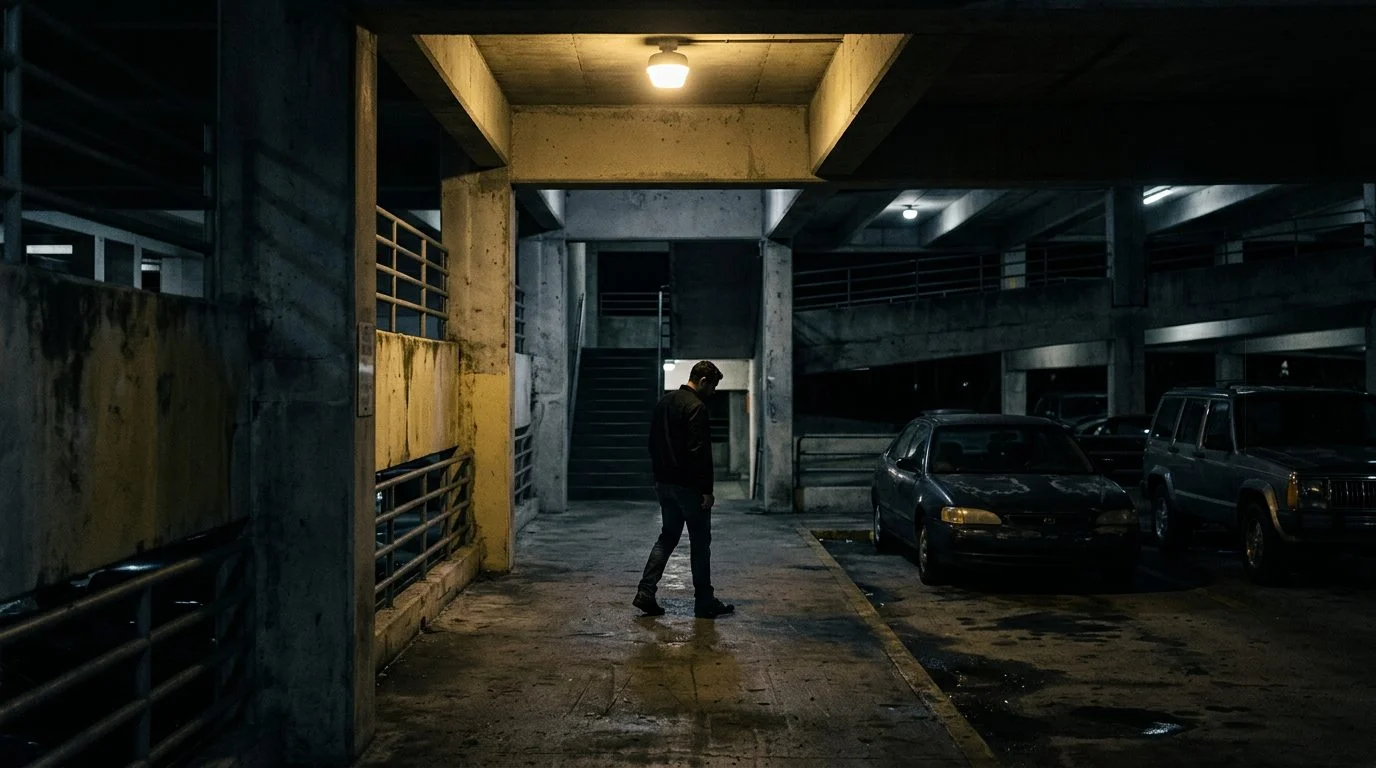
Maybe you slipped on a wet store floor with no warning sign. Maybe a stair railing gave way in your apartment building. Or maybe someone attacked you in a poorly lit parking garage. In each case, you were on property you did not own or run.
Many people look into this for someone else. A parent, a spouse, or an adult child may be the one who was hurt. You may be trying to help them make sense of it. You don’t need legal vocabulary to start.
This page covers four things:
- Who can be responsible
- What must be proven
- The steps in a claim
- Time limits may apply to an injury claim, so it is wise to speak with a lawyer promptly.
Keep your own notes as you read. Write down dates, take photos, and record the names of people who saw what happened. These details often matter later.
What Premises Liability Means in Florida
The word “premises” simply means the property.
The owner, or whoever controls the property, must keep it reasonably safe. Businesses must keep their premises reasonably safe. They must also warn visitors about hidden dangers they knew about or should have known about.
A premises claim is a type of negligence claim.
Why you were on the property can also matter. A lawyer will look at the facts of your visit.
Who Can Be Held Responsible Besides the Property Owner
Responsibility can reach past the name on the deed. A property owner is the first party many people think of. But whoever controls an area can also be responsible.
That may be a tenant who runs a store. It may be a landlord who kept control of common areas. It may be a property manager hired to handle maintenance and security. Each situation turns on who had control and what that party was responsible for.
Contractors can be responsible too. If a work crew left a hole in a walkway or never marked a work area, the company that created the hazard may share responsibility. Security companies may also be involved in attack cases. This happens when they were hired to protect the property.
Government-owned property follows a different path. Claims against government entities have their own rules and limits. These claims need early review because the rules are different.
What You Must Prove in a Florida Premises Liability Claim
- The owner owed you a duty of care.
- The owner failed to meet that duty.
- That failure caused your injury and losses.
In most cases, the central question is knowledge. Did the owner know about the hazard? Or should the owner have known? Fla. Stat. § 768.0755 reads: “(1) If a person slips and falls on a transitory foreign substance in a business establishment, the injured person must prove that the business establishment had actual or constructive knowledge of the dangerous condition and should have taken action to remedy it.”
Constructive knowledge can be shown in two ways:
- The condition existed long enough that the business should have found it.
- The problem happened so often that it was foreseeable.
Useful proof often includes:
- Photos taken soon after the fall
- Incident reports
- Maintenance and inspection logs
- Surveillance footage
- Witness names
- Medical records that link your injuries to the event
Footage can be overwritten, so ask for it early.
Florida also compares fault.
The Legal Process for Filing a Premises Liability Claim Against a Property Owner, Step by Step
A premises liability claim against a property owner generally moves through six stages. Each stage builds on the one before it.
- Secure the scene and evidence. Report the incident to the owner or manager. Photograph the location and write down what you remember. Record the names of anyone who saw it.
- Get medical care. Follow your treating doctors’ plan. Your medical records become a key part of the claim.
- Investigate and evaluate. Gather records and identify every party that may be responsible. Communicate with insurance companies, and be careful with recorded statements.
- File suit in the proper Florida court. The complaint starts the lawsuit.
- Discovery. Each side exchanges documents and takes depositions. A deposition is sworn testimony given outside the courtroom. Outside professionals may review the condition or medical issues.
- Mediation, trial, or settlement. Some cases resolve through negotiation or mediation. Others go to trial. The outcome can vary, and no result can be promised.
Not sure what your next step is?
Talk it through with our team — the first consultation is free, confidential, and carries no obligation.
Florida Deadlines the Reader Should Know About
Florida sets time limits for filing a lawsuit, and the limit depends on the type of claim. Fla. Stat. § 95.11 sets time limits for many kinds of lawsuits.
Don’t assume you have time left. Acting early protects your options. Waiting can cost you the chance to file.
Claims against government entities follow their own rules. Early timing and planning are especially important for those claims.
When the Injury Was an Assault on Someone Else’s Property
Maybe you were robbed in an apartment complex parking lot. Maybe you were shot near a hotel entrance, or attacked at a gas station. Maybe a gate or lock was broken. Maybe the lights were out or the cameras did not work.
Here is the basic idea. Lawyers call this a negligent security claim.
Under § 768.0701, this rule applies when a person lawfully on commercial or real property is injured by a third party’s criminal act and sues the owner, lessor, operator, or manager. In that case, the jury must consider the fault of everyone who contributed to the injury. The owner’s conduct is weighed alongside the attacker’s.
For apartment and other multifamily properties with at least five dwelling units, § 768.0706 gives an owner or principal operator a presumption against liability only if the owner substantially implements the listed security measures, has a crime prevention through environmental design assessment no more than 3 years old and remains in substantial compliance with it, and provides proper crime deterrence and safety training to employees. The presumption covers criminal acts on the premises committed by third parties who are not employees or agents of the owner or operator. It applies if the owner substantially implements the listed security measures. Those measures include entry and exit cameras that keep footage at least 30 days. The owner must prove those measures were in place.
Practical Steps Right After the Injury
In the first days after an injury, your health and your records matter most. Follow your treating doctors’ instructions. Keep every appointment you can.
- Photograph the hazard and the surroundings before anything changes.
- Keep receipts.
- Keep a simple journal of symptoms, missed work, and daily limits.
- Save the clothing and items involved in the incident. Don’t wash them.
Be careful with recorded statements or papers from an insurance company. Learn your rights first. An insurer’s goal is often to limit what it pays.
Some medical providers treat injured people under a letter of protection. If that applies to you, keep all of the paperwork and ask about it early.
Talk With Igor Hernandez About Your Situation
If you were hurt on property you did not control, a confidential conversation can help. It can show whether you may have a claim.
Igor Hernandez is the responsible lawyer for this page. He is one of the lawyers at CHG Personal Injury Lawyers, a Florida-based personal injury firm serving clients throughout Florida. The firm’s lawyers are admitted to The Florida Bar.
CHG charges no attorney’s fees and no case costs unless there is a recovery.
La consulta inicial es gratuita, confidencial y sin compromiso de continuar.
If you are helping someone who was hurt on property they didn’t control, or you are unsure whether your own fall or injury leads to a claim, contact CHG Personal Injury Lawyers. Our team will talk it through with you.
Frequently Asked Questions
What steps does a premises liability claim usually follow in Florida?
A premises liability claim usually starts with documenting the injury and the hazard. Next, you report the incident to the property owner and notify the owner’s insurance company. If negotiation does not resolve the claim, it may be filed as a lawsuit in the right Florida court.
How long do I have to file a premises liability claim in Florida?
Florida sets time limits for many lawsuits, and deadlines apply, so contact the firm promptly. Deadlines can have exceptions. That is why you should contact a lawyer promptly instead of waiting.
What must I show about the property owner’s knowledge of the hazard?
In Florida, you generally must show that the owner knew or should have known about the dangerous condition. Examples include a wet floor or a broken stair. You must also show the owner failed to fix it or warn visitors. Maintenance records, security footage, and witness statements often play a key role.
What happens if I was partly at fault for my injury?
Under Florida Statute 768.81, in a negligence action, contributory fault chargeable to the claimant diminishes proportionately the amount awarded for an injury attributable to that fault, but does not bar recovery, subject to subsection (6). Under subsection (6), any party found to be greater than 50 percent at fault for his or her own harm may not recover any damages. Fla. Stat. § 768.81 reads: “This subsection does not apply to an action for damages for personal injury or wrongful death arising out of medical negligence pursuant to chapter 766.”
Why Talk With CHG Personal Injury Lawyers
Florida-Based Firm
CHG Personal Injury Lawyers represents injured people throughout Florida, from everyday accidents to catastrophic injuries.
Licensed Attorneys
Our attorneys are licensed and admitted to practice in Florida, and they handle premises liability matters with the same care they bring to every personal injury case.
Free, Confidential Consultation
The first consultation is free, confidential, and carries no obligation to continue.
No Fees Unless There Is a Recovery
CHG charges no attorney's fees and no case costs unless there is a recovery.
The Basic Steps in a Premises Liability Claim
1. Document the Injury and the Hazard
Photos, witness names, incident reports, and medical records help show what happened and where. Follow your doctors' care.
2. Report the Incident
Notify the property owner or manager, and ask that the incident be recorded in writing.
3. Insurance Negotiation
The owner's insurance company may contact you. Speak with a lawyer before giving a recorded statement or signing anything.
4. Filing a Lawsuit if Needed
If negotiations do not resolve the claim, it may be filed as a lawsuit in the appropriate Florida court.
Do Not Wait to Get Advice
Deadlines apply to premises liability claims in Florida. Contact CHG Personal Injury Lawyers promptly so that important evidence and time limits are not lost.