
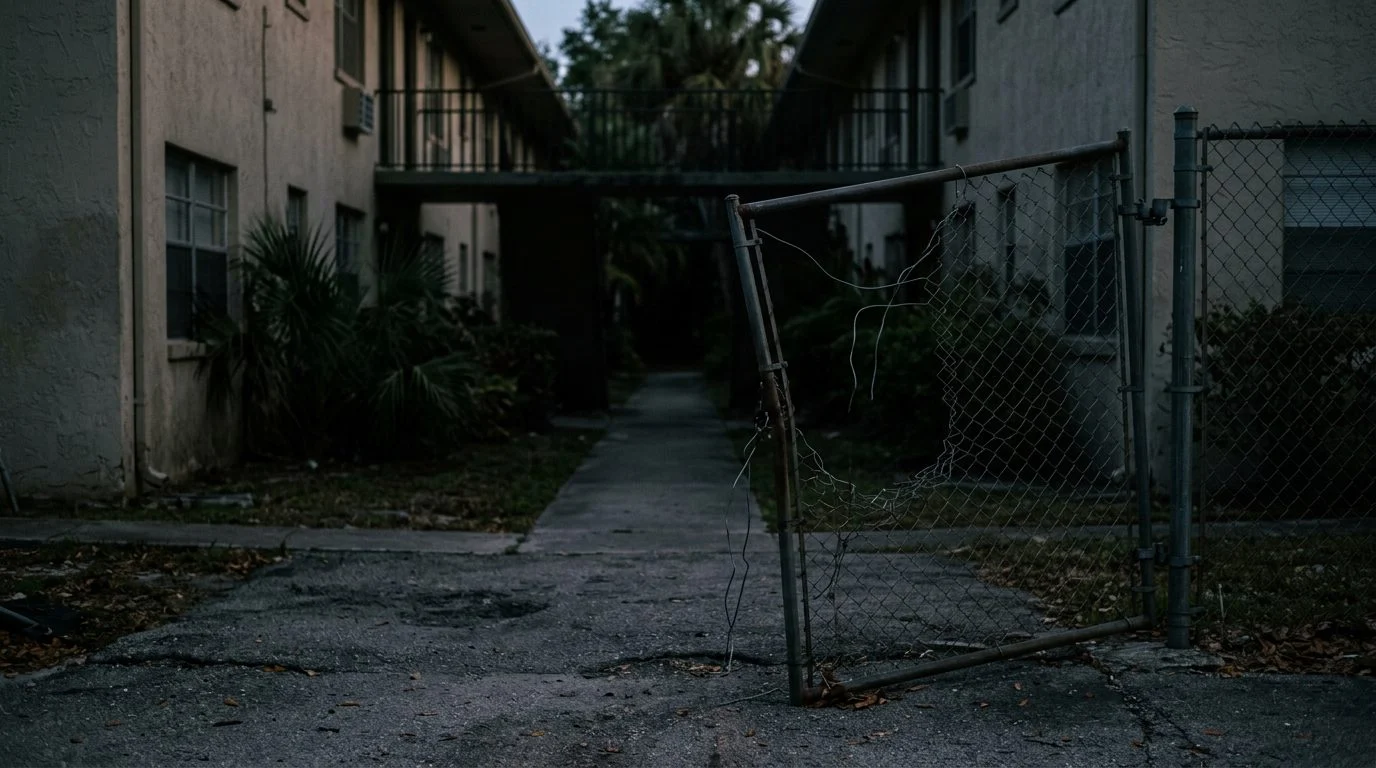
Negligent Security | Florida Personal Injury
Hurt in an Attack on Someone Else's Property? Their Insurance May Be Part of the Picture.
When an assault, shooting, or robbery happens at an apartment complex, parking garage, hotel, or business, the property owner's liability insurance may come into play. CHG Personal Injury Lawyers helps Florida families understand their options.
By CHG Lawyers · Published October 21, 2026
Does the property owner’s insurance typically cover assault-related injuries?
Not sure what your next step is?
Talk it through with our team — the first consultation is free, confidential, and carries no obligation.
Florida Assault Injury Claims: Does Owner Insurance Pay?
Does the property owner’s insurance usually cover injuries from an assault? It may be one source of payment. Whether it pays depends on the facts of each case.
The attacker’s own insurance usually does not respond to a deliberate act. Whether the owner’s insurer pays depends on two things. One is the facts. The other is the wording of the policy.
Florida assault injury claims start with one simple question. Who was responsible for keeping the place safe?
Below, we explain where money for medical care and lost income may come from. We also explain what can limit it.
If You Were Attacked on Someone Else’s Property
If someone assaulted, shot, robbed, or attacked you on property you did not own, you may have a claim against the property owner. This can happen in places like:
- An apartment complex
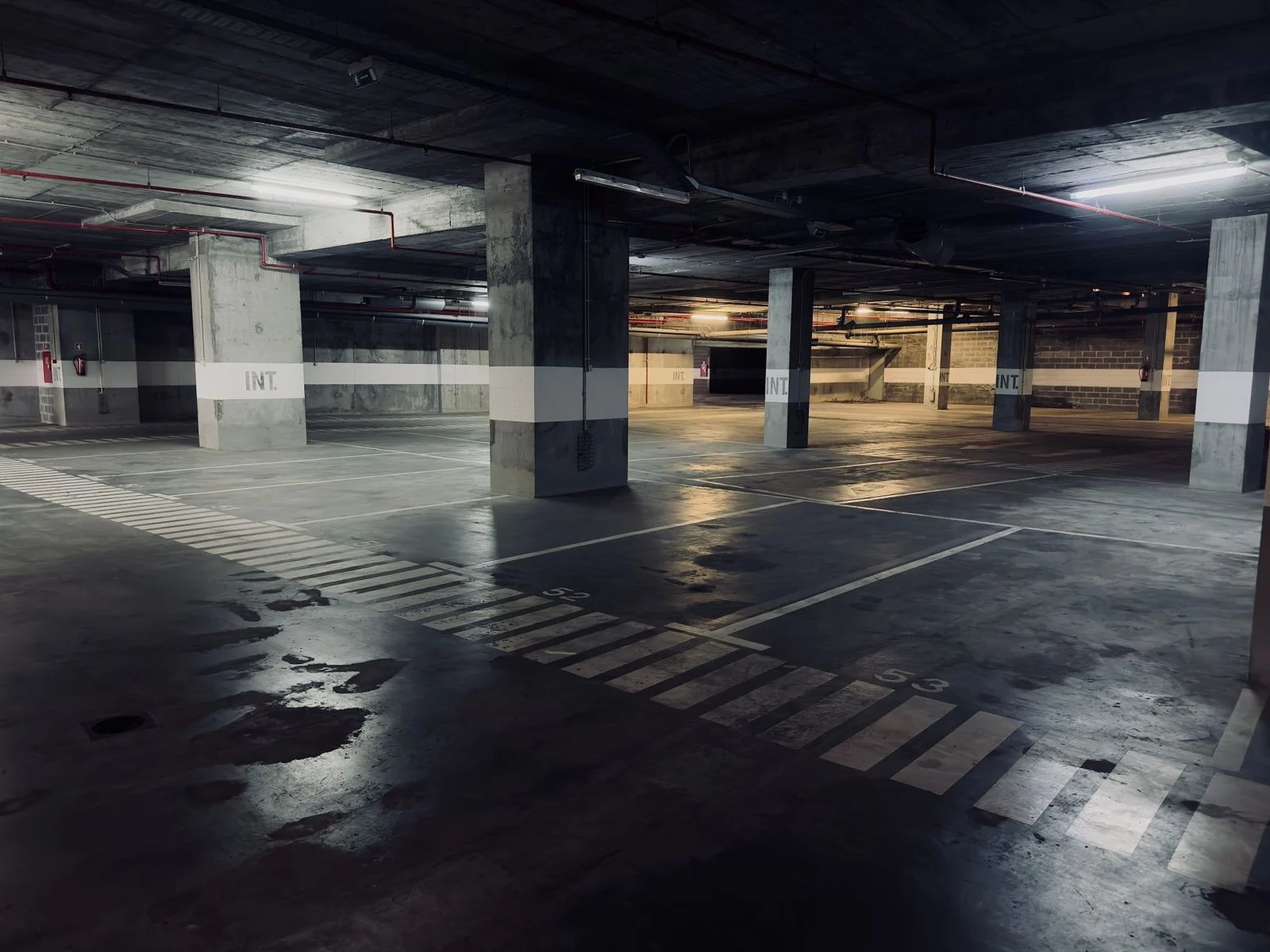
- A parking garage
- A hotel
- A bar
- A gas station
- A store
- Near an ATM
Many people focus on the attacker at first. Only later do they ask whether the owner could be held responsible.
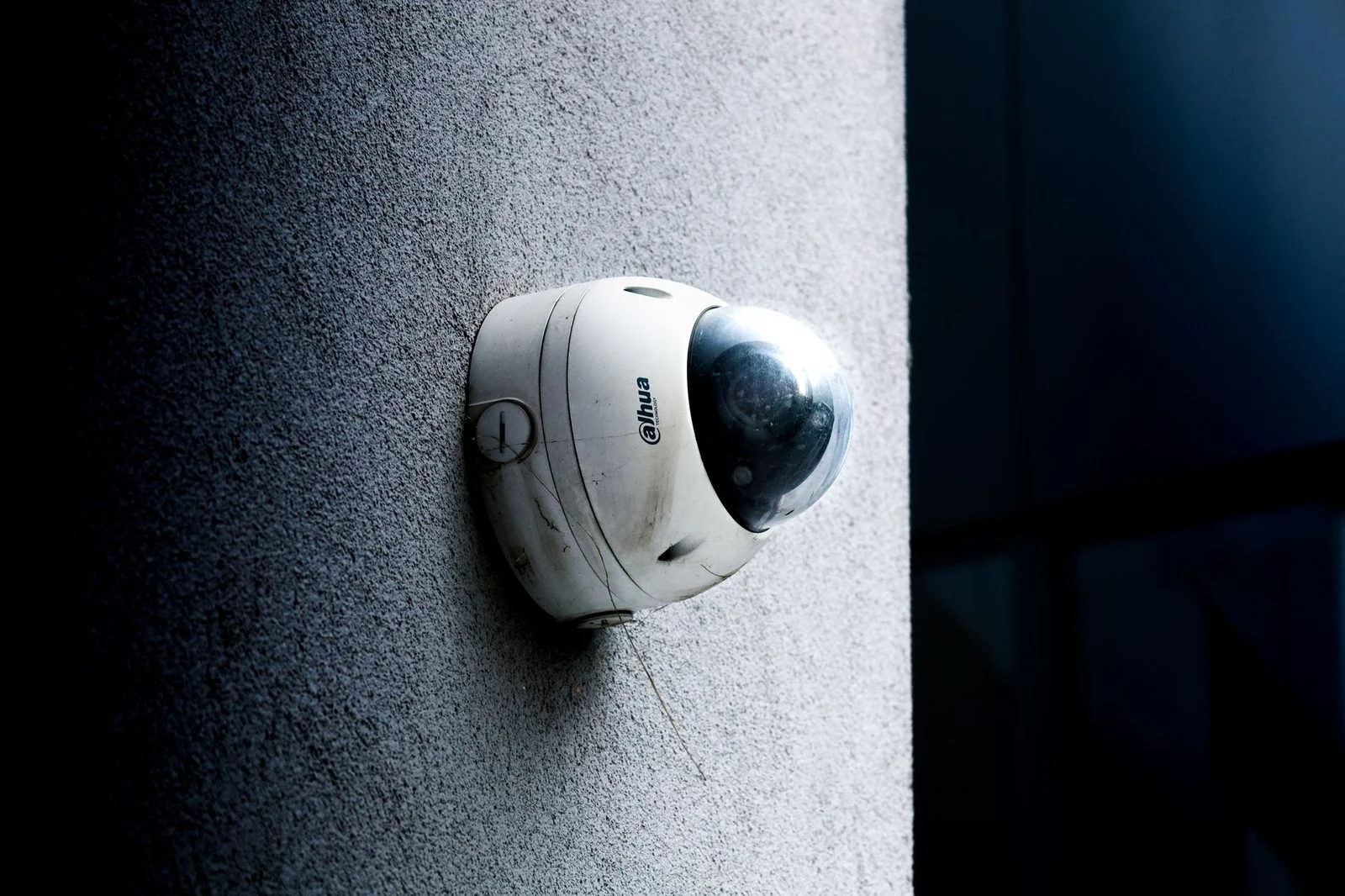
In everyday terms, an owner’s job may include providing working locks and gates, good lighting, security cameras, or guards.
When an owner fails to provide these basics, and an attack follows, the injured person may have a claim.
Lawyers call this type of case negligent security. In plain terms, it is a claim that an owner failed to protect people from crime on its property.
You may be dealing with pain, hospital bills, missed work, and fear all at once. These questions can arrive together. You do not have to answer them all on the first day.
Who Usually Pays When an Attack Happens on Someone Else’s Property
The property owner’s liability insurance is more often the policy that responds in these cases. Liability insurance pays when the owner is held legally responsible for harm. The attacker’s insurance is rarely a dependable source. Many policies exclude intentional harm.
A claim against an owner is usually presented to the owner and the owner’s insurance company. The insurer may assign defense lawyers to protect the owner. This is a normal step. It also means the insurer will look closely at the facts.
Insurers often ask for records, incident reports, and details about the property’s security at the time of the attack. Keep copies of everything you receive.
Coverage can depend on two main things:
- Who was lawfully on the property.
- What the owner knew about earlier problems.
These details matter. Write down what you remember while it is fresh.
What a Property Owner’s Liability Policy Typically Covers
A property owner’s liability policy typically pays for bodily injury. Bodily injury means physical harm to a person. The owner must be legally responsible for that injury. Payment is capped at the policy’s limits, which are the maximum amounts the policy will pay.
This can include medical bills, lost income, and other losses tied to the injury.
Florida law defines economic damages to include past and future lost income, medical and funeral expenses, and lost support and services. Economic damages are money losses. See Fla. Stat. § 768.81.
Many apartment complexes, hotels, and businesses carry a commercial general liability (CGL) policy. This is a standard business policy. It includes bodily injury liability coverage. The dollar limit is set by the policy, not by the injury.
An umbrella or excess policy can add coverage above the main policy’s limits. The total available may come from more than one policy. Ask what the owner carries.
Limits can be too low for catastrophic injuries. Spinal cord injuries, traumatic brain injuries, and amputations can require care and lost income for years. The full value of a serious claim is often larger than a basic policy limit.
Assault and Battery Exclusions and Other Policy Limits
Many commercial policies include an assault and battery exclusion. An exclusion is a clause that removes coverage for certain harms. This clause means the policy may limit or deny coverage for injuries caused by an assault.
Some policies also carry sublimits. A sublimit is a lower cap for certain kinds of claims. Security-related claims are one area where a sublimit can apply.
Policy wording, endorsements, and the owner’s specific coverage all matter. Endorsements are added changes to a policy. Two buildings with similar owners can have very different policies.
An insurer may send a letter saying it is reviewing coverage and reserving its rights. It may also deny coverage. A denial or reservation of rights does not end your claim. You may still have options against the owner.
Do not assume a denial is final. Before you give a recorded statement to an insurance company, talk with our team first. Insurers often ask questions that can affect coverage. Your words matter.
Have questions about what happened?
Ask our team directly. The first conversation is free, confidential, and there is no obligation to continue.
Personal Injury Coverage vs. Personal Liability Coverage
Personal liability coverage protects the policyholder when someone sues them. It pays if a guest, tenant, or visitor brings a claim against the owner.
Personal injury coverage is a term people often use. They want to know if they can be paid for their own injuries. Many policies do not use that name. The label alone does not tell you what is covered.
Homeowners policies usually protect the homeowner against claims brought by others. A claim by an injured guest is typically handled under the liability part of the policy.
Use the declarations page and the endorsements to see what is actually covered. The declarations page lists the limits. The endorsements add or remove coverage.
Florida law also requires an insurer that may provide liability coverage to give a sworn statement of the coverage limits within 30 days of a claimant’s written request. The insurer must also provide a copy of the policy. See Fla. Stat. § 627.4137.
Florida Deadlines and Steps That Protect a Claim
Florida sets time limits for filing lawsuits. These limits are strict. Act promptly so your options stay open.
Florida also uses comparative fault, which means shared fault. Under Fla. Stat. § 768.81, in a negligence action to which this section applies, a person found more than 50 percent at fault for their own harm may not recover any damages. Fla. Stat. § 768.81 reads: “This subsection does not apply to an action for damages for personal injury or wrongful death arising out of medical negligence pursuant to chapter 766.” How fault is assigned depends on the facts of each case.
These practical steps can help protect a claim:
- Report the attack to police and get the report number.
- Keep every medical record and bill.
- Photograph the location, including any broken locks, gates, or dark areas.
- Save texts, emails, and voicemails with the owner or manager.
- Notify the owner or manager in writing where appropriate.
Follow your doctors’ care. Medical treatment comes first. Your health matters more than any claim.
Why the Owner’s Insurance Can Matter Even Though the Owner Did Not Attack Anyone
The owner’s insurance can matter, even though the owner did not commit the attack. Florida law addresses these claims directly.
In a Florida lawsuit against the owner, lessor, operator, or manager of commercial or real property, the trier of fact must consider the fault of all persons who contributed to the injury. The trier of fact is the judge or jury that decides the case. This applies when a person lawfully on the property was injured by a third party’s criminal act. See Fla. Stat. § 768.0701.
The attacker is not the only one whose conduct can be weighed.
A presumption is a rule that a fact is assumed true unless proven otherwise. A multifamily residential property has at least five dwelling units on a single parcel.
One listed measure is:
- A security camera system at points of entry and exit that records and keeps video retrievable for at least 30 days.
Here is a general example. A parking garage has a broken gate, a dark stairwell, and earlier incidents reported in writing but never fixed. These facts can become part of a claim about the owner’s responsibility. This is true even though someone else committed the attack.
Talk With CHG Personal Injury Lawyers About Your Situation
If you are researching after a frightening event, you may be doing it for a family member. You may not be ready to hire anyone. That is a normal place to start.
If the owner’s insurer is questioning coverage, or you do not know which policy would pay medical bills and lost income, a conversation can help. It can show you your options.
CHG Personal Injury Lawyers is a Florida-based firm. It represents clients throughout Florida. Igor Hernandez is the responsible lawyer for this page.
CHG offers a free, confidential initial consultation with no obligation to continue. CHG charges no attorney’s fees and no case costs unless there is a recovery.
If you want background on serious injuries, read our page on catastrophic back and neck injuries. To start a conversation, contact CHG Personal Injury Lawyers.
Want to know where you stand?
Tell us what happened and our team will walk you through the options available to you, at no cost.
Frequently Asked Questions
Does the property owner’s insurance usually pay for injuries from an assault on their property?
Often, yes. This can happen when the owner’s liability insurance covers claims that the owner failed to provide reasonable security. Whether a specific policy pays depends on its terms, limits, and exclusions. An attorney should review the policy as early as possible.
Why might an insurance company deny a claim for an assault?
Insurers may argue that the attack was intentional. They may say the property owner was not negligent. They may also say a policy exclusion applies. Denials are common. They are not always final, and a denial can often be challenged.
What kind of insurance do property owners usually carry for these claims?
Many owners carry commercial general liability insurance. This can respond to injuries on the property. Some owners also have umbrella or excess policies. The amount available depends on what the owner bought.
Can I still pursue a claim if the owner’s insurance has low limits or denies coverage?
You may still have options. These can include claims against other parties and, in some cases, claims against the property owner directly. Florida has its own rules and deadlines for these claims, so contact our team promptly. Our initial consultation is free, confidential, and comes with no obligation.
Why Families Contact CHG Personal Injury Lawyers
Focused on Florida Injury Cases
CHG Personal Injury Lawyers is a Florida-based firm that handles personal injury cases for people across the state, including assaults and other injuries that happen on someone else's property.
Insurance Policies Reviewed Carefully
Our team looks at the property owner's coverage, its limits, and its exclusions so families understand what may be available and what questions remain.
Licensed Attorneys
Our attorneys are licensed and admitted to practice law in Florida, and they work directly with the families we represent.
Compassionate, Plain-Language Guidance
We explain each step in clear terms, so you can make decisions with the information you need during a hard time.
No Fees Unless There Is a Recovery
CHG charges no attorney's fees and no case costs unless there is a recovery.
Important: Insurance Companies Do Not Work for You
An insurance adjuster may contact you soon after an attack, sometimes before you have talked with a lawyer. Be careful about giving recorded statements or signing documents until you have reviewed your situation with an attorney. Follow your doctors' care and keep records of your treatment.
Key Questions About Property Owner Insurance and Assault Injuries
What Does Liability Insurance Cover?
A property owner's liability policy may respond to claims that the owner failed to provide reasonable security, such as working locks, lighting, cameras, or gates. Coverage depends on the specific policy.
Why Claims Are Sometimes Denied
Insurers may dispute coverage based on policy exclusions, disputed facts about what happened, or questions about the property's security. A denial is not the final word, and an attorney can review the reasons given.
Evidence That Can Help
Medical records, police reports, photos of the location, security camera footage, and witness names can all matter. Preserve what you have and share it with your attorney.
Why Early Review Matters
Policies, witnesses, and records can change over time. Reaching out to a Florida personal injury attorney early gives your family more time to protect important information.