
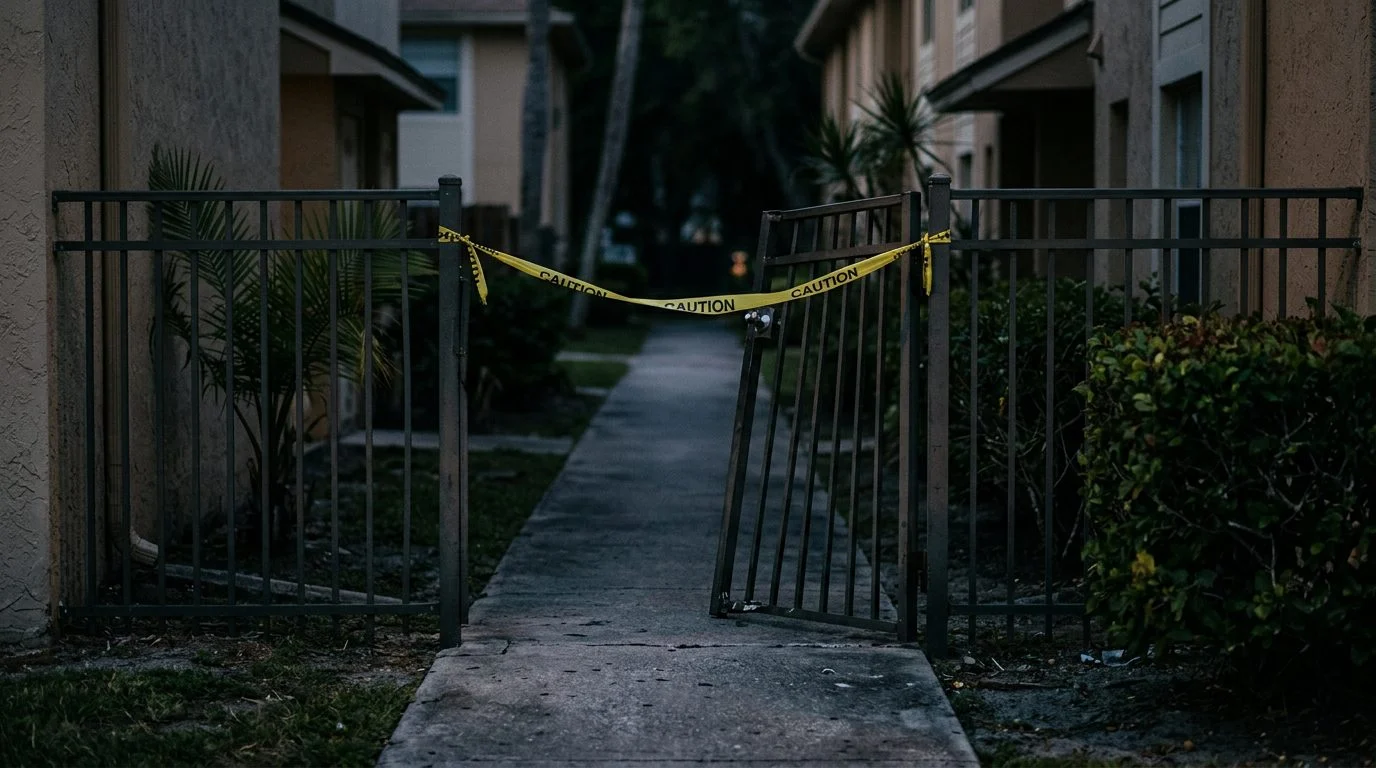
Premises Liability | Serving Florida
Hurt on Someone Else's Property? Understanding Who May Be Responsible
Injuries on property can happen in a parking lot, an apartment complex, a store, or a hotel. Here is how these claims work, in plain language, and how our Florida team can help you decide your next step.
Why Families Contact CHG Personal Injury Lawyers
Florida
Florida-based firm serving people across the state
Licensed
Attorneys admitted to The Florida Bar
Free
Confidential first consultation, with no obligation to continue
By CHG Lawyers · Published October 21, 2026
How do premises liability claims differ from direct assault claims?
Put simply: A premises liability claim goes after the property owner or manager. It says they did not keep people reasonably safe. A direct assault claim goes after the person who attacked you.
Florida law treats these two paths differently. The difference affects three things:
- Who can be held responsible
- What must be proven
- How fault is divided
This page explains each path in plain language. It is written for people hurt on someone else’s property and for the families who help them.
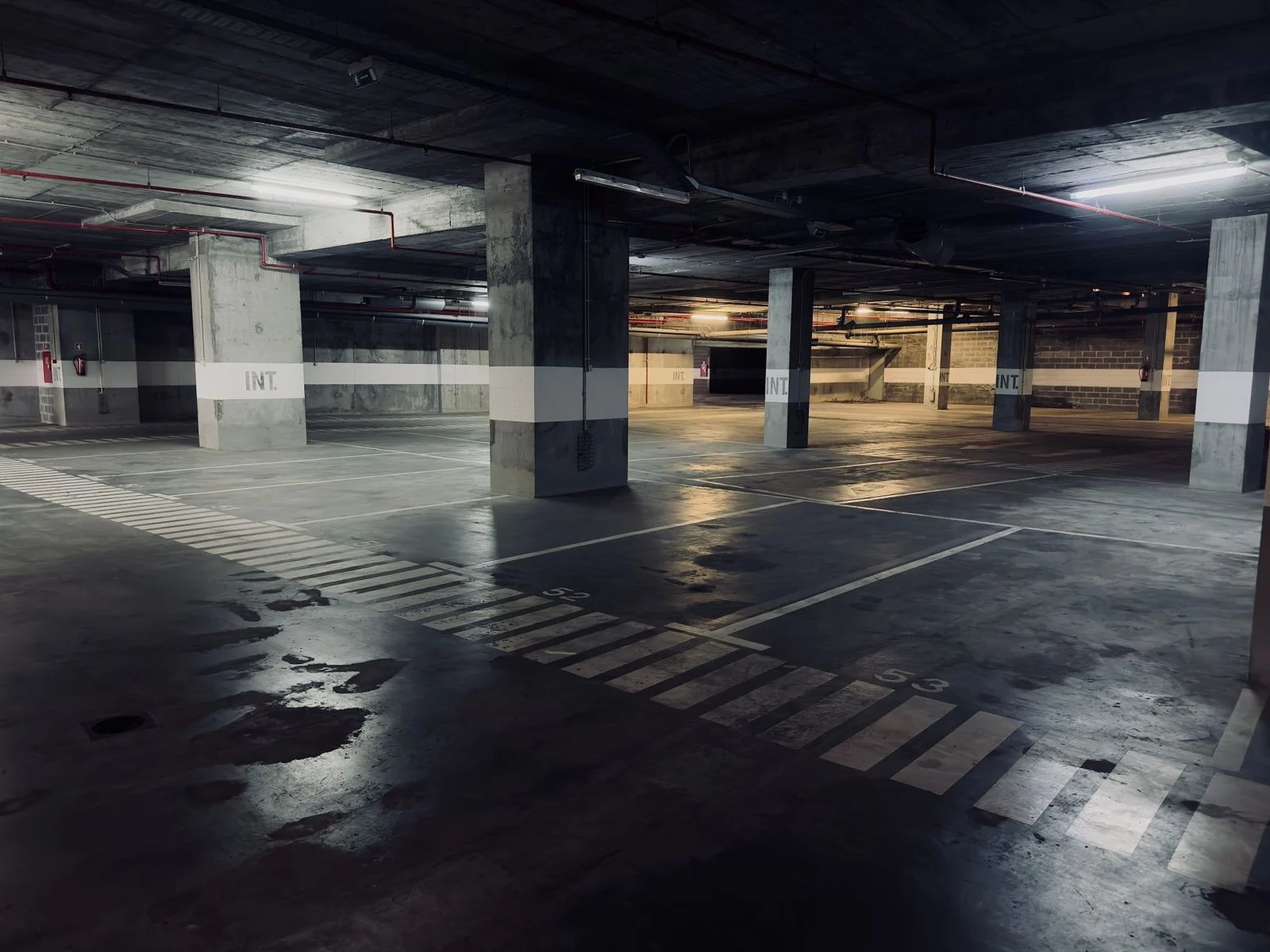
If you were shot, robbed, or assaulted in a parking lot with no working lights or cameras, you may have a claim against the owner. Talk it through with our team — the first consultation is free, confidential, and carries no obligation.
When Someone Is Hurt on Someone Else’s Property, Who Can Be Held Responsible?
Often, more than one person can be held responsible. The answer depends on the facts.
Picture a woman walking to her car in a parking garage at night. The stairwell lights are out. The lower gate does not close. A man follows her, attacks her, and takes her bag. She suffers a broken arm and a head injury.
Her family has two questions:
- Who committed the attack?
- Did the garage owner do enough to keep the space reasonably safe?
The attacker is one possible target. The owner, manager, or company that controls the property is another.
The same questions come up in apartment complexes, hotels, bars, gas stations, stores, and at ATMs. The injured person may have a claim against the attacker, against the property, or against both. Each path looks at different people and asks for different proof.
What Premises Liability Means in Florida
Premises liability is a claim against the owner, manager, or company that controls a property.
This is a form of negligence. Negligence means failing to take reasonable care. The focus is on the property’s condition and how the owner responded to it. The focus is not on the attacker’s motive.
Florida has a specific statute for injuries caused by criminal acts of third parties. A statute is a law passed by the Florida Legislature. This one covers a person who was lawfully on commercial or real property. That person was hurt by a third party’s crime. The statute applies to an action for damages against the owner, lessor, operator, or manager of commercial or real property brought by a person lawfully on the property who was injured by the criminal act of a third party, and the trier of fact must consider the fault of all persons who contributed to the injury.
In an action for damages against the owner, lessor, operator, or manager of commercial or real property, the trier of fact must consider the fault of all persons who contributed to the injury. The person was lawfully on the property and was injured by the criminal act of a third party. The trier of fact is the judge or jury that decides the case.
Slip-and-fall cases follow different rules. If you slip and fall on a transitory foreign substance in a business, the rules are different. A transitory foreign substance is a temporary substance on the floor, such as a spill. Fla. Stat. § 768.0755 says you must prove the business had actual or constructive knowledge of the dangerous condition. It also says the business should have taken action to fix it.
Constructive knowledge means the business should have known. First, the condition existed long enough that the business should have noticed it. Second, it occurred with regularity.
What a Direct Assault Claim Is and Who It Names
A direct assault claim names the person who committed the attack. It is based on harm that person meant to cause.
Lawyers often call this an intentional tort. A tort is a civil wrong that can lead to an injury claim. Battery is a common example. Battery means unwanted physical contact that causes harm. The central question is what the attacker did and what injuries followed.
The attacker has the most direct role. Families often face a practical problem, though. A person who commits an attack may have little money to pay a judgment. A judgment is a court’s final decision on who owes money and how much. That is one reason families often look at the property owner too.
A civil claim is separate from any criminal case. A civil case is a lawsuit for money. It is not a criminal prosecution. Wrongful death is a claim a family brings after a death caused by someone else’s wrongful act.
What Each Claim Has to Prove: Duty, Breach, Causation, and Damages
A direct assault claim centers on what the attacker intentionally did and the harm that followed.
- Damages: medical bills, lost income, and pain and suffering.
Causation is often the hardest link. Causation means proving that the attack caused the harm.
A direct assault claim focuses on the attacker’s conduct. Proof often comes from witnesses, police reports, video, and medical records. These records show the attack and its effects.
Civil cases are decided on the evidence.
Not sure what your next step is?
Talk it through with our team — the first consultation is free, confidential, and carries no obligation.
Where the Two Claims Meet: Negligent Security in Florida
If you were shot, robbed, or assaulted in a parking lot with no working lights or cameras, you may have a claim against the owner. The same is true if an attacker struck because the owner left the property unsafe. Lawyers call this type of claim negligent security.
Courts and lawyers often look at two things. They look at what the owner knew. They also look at what security was in place.
Florida’s multifamily statute covers residential properties with multiple dwelling units. A presumption is an assumption the law starts with. This applies if the owner substantially implements listed measures. The presumption covers criminal acts on the premises by third parties who are not employees or agents of the owner or operator.
Those measures include:
- Security cameras
- Parking lot and common-area lighting
- Deadbolts
- Window and door locks
- Locked pool gates
-
Peepholes
-
Cameras at entry and exit points that keep footage retrievable for at least 30 days
How Fault Is Divided and What Defenses Owners Often Raise
In a Florida negligence action, the court enters judgment against each party. The judgment is based on that party’s own percentage of fault. It is not based on joint and several liability.
Under Fla. Stat. § 768.81, in a negligence action, fault that can be charged to the injured person diminishes the damages awarded proportionately, but does not bar recovery, subject to subsection (6). The reduction matches that person’s share of fault. Dividing fault by percentage is called apportionment.
A defendant is the party being sued. A nonparty is someone who is not part of the lawsuit. A defendant that wants to blame a nonparty must plead that nonparty’s fault. To plead means to state it formally in court filings. Unless there is good cause, the defendant must identify the nonparty, if known, or describe the nonparty as specifically as practicable.
The apportionment rule in that statute does not apply to an action based on an intentional tort. So it works differently for a direct assault claim than for a premises claim. Families should understand that difference early.
Owners often raise defenses. A defense is an argument that avoids or reduces the owner’s responsibility. Owners may argue:
- The attack was unforeseeable.
- Their security was reasonable.
- The injured person shared responsibility.
They may also point to the attacker as a nonparty. To do so, they must plead the attacker’s fault. Unless there is good cause, they must also identify the attacker.
Under Fla. Stat. § 768.0701, the trier of fact must consider the fault of all persons who contributed to the injury. This applies in an action against the owner, lessor, operator, or manager of commercial or real property. The person must have been lawfully on the property and injured by a third party’s criminal act. The attacker’s share can be part of that picture, alongside the owner’s.
Deadlines, Evidence, and Why Timing Matters
Deadlines apply to these claims. Other claim types can carry different deadlines. Contacting a lawyer promptly protects your options.
Evidence can disappear quickly. Surveillance video is often overwritten. Overwritten means new recordings replace old ones. The multifamily statute refers to keeping video retrievable for at least 30 days, as described in Fla. Stat. § 768.0706. Older footage may already be gone when a family starts asking questions.
Other records matter too. Try to preserve:
- Incident and police reports
- Prior complaints about the property
- Lighting and maintenance logs
- Names of witnesses
Follow your medical providers’ care. Keep records of treatment, bills, and missed work. These records help show the harm that followed the attack.
Talk With CHG Personal Injury Lawyers About Your Situation
Knowing how these two claims differ helps families see their options. The questions below come up often.
Can I sue the person who attacked me?
Whether a claim can name the person who attacked you depends on the details of your case. Collecting on a judgment can still be difficult.
Can my family bring a claim after a fatal attack?
Family members may have a wrongful-death claim. Florida’s rules for these cases can differ from those for injury claims.
If someone you love was hurt in an attack on someone else’s property, you do not have to work out the answers alone. Igor Hernandez, a responsible lawyer at CHG Personal Injury Lawyers, can talk through the facts with you. CHG is a Florida-based firm serving people throughout Florida.
You can ask for a free, confidential initial consultation with no obligation to continue. CHG charges no attorney’s fees and no case costs unless there is a recovery.
Contact CHG to begin.
Have questions about what happened?
Ask our team directly. The first conversation is free, confidential, and there is no obligation to continue.
What Sets Our Approach Apart
Clear Explanations
We walk you through each step of your claim in plain language, so you always know where things stand.
Support for Your Family
Our team keeps families informed and focused on recovery while we review the facts of the case.
Bilingual Guidance
We publish educational resources in English and Spanish, and our team can help you in the language you prefer.
No Fees Unless There Is a Recovery
CHG charges no attorney's fees and no case costs unless there is a recovery.
Act Promptly
Deadlines apply to injury claims in Florida, and evidence such as photos, incident reports, and surveillance video can disappear over time. Contact us as soon as you can so we can review your situation while the facts are still fresh.
Common Places Where These Injuries Happen
Apartment Complexes and Parking Garages
Injuries can occur when lighting, locks, gates, or cameras are missing or not kept in working order.
Stores, Restaurants, and Hotels
Slip-and-fall incidents and other hazards on business property can lead to serious injuries.
Short-Term Rentals
Unsafe conditions at a rental property can raise questions about who was responsible for keeping it safe.