

Catastrophic Injury Guide · Florida & Nationwide
What to Do After a Catastrophic Spine Injury
When a loved one suffers paralysis or a permanent spinal, back, or neck injury, the first days matter. Here's how families can protect medical outcomes and legal rights at the same time.
Guidance From Licensed Catastrophic-Injury Attorneys
Florida Bar
Admitted attorneys
Nationwide
Cases accepted across the U.S.
EN / ES
Bilingual support
Free
Initial case evaluation
By CHG Lawyers · Published July 12, 2026
What to Do After a Loved One’s Catastrophic Spine Injury: A Family’s Step-by-Step Guide
If someone you love has a catastrophic spinal cord, back, or neck injury — one that has caused paralysis or another permanent, life-altering impairment — the first priorities are complete trauma care, careful record-keeping, and protecting their legal rights before insurers or deadlines close doors. These early days shape both medical outcomes and a family’s financial future.
This guide is written for you: the spouse, parent, or adult child now making decisions for someone who may be sedated, on a ventilator, or unable to speak for themselves. Most injury pages talk to the injured person. But in catastrophic cases, it is usually a family member standing in the ICU hallway, signing consent forms and fielding phone calls. You don’t have to understand everything at once. Below, we cover what to ask, what to watch for, and what to protect.
If your family is facing life after a catastrophic spine injury, we're here to listen. Talk it through with our team — the first consultation is free, confidential, and carries no obligation.
What Counts as a Catastrophic Spine Injury?
A catastrophic spine injury causes paralysis or another permanent, life-altering impairment. This guide covers only those severe injuries — not minor strains, whiplash, or an uncomplicated herniated disc that heals with rest. We keep this narrow on purpose, so what you read actually applies to your situation.
Catastrophic injuries include:
- Paraplegia — paralysis of the legs and lower body.
- Quadriplegia (tetraplegia) — paralysis affecting all four limbs, sometimes including the muscles used to breathe.
- Permanent nerve damage or lasting loss of function below the level of injury.
Doctors classify a spinal cord injury as complete (no movement or feeling below the injury) or incomplete (some signals still pass through). They grade it using the ASIA Impairment Scale (AIS A through E) from the International Standards for Neurological Classification of Spinal Cord Injury (ISNCSCI). When the care team says “C5 ASIA A” or “T10 incomplete,” they are telling you the injury level and completeness — the two facts that most influence what daily life may look like. Write these down; you will be asked to repeat them often.
According to the National Spinal Cord Injury Statistical Center (NSCISC), the most frequent neurological category at hospital discharge is incomplete tetraplegia. Ask the team where your loved one falls on that spectrum.
Signs a Spine Injury Is Serious
The clearest warning signs are loss of movement, numbness, loss of bladder or bowel control, trouble breathing, and intense back or neck pain. Treat any of these as an emergency and call 911.
The Mayo Clinic lists these warning signs of a serious spinal cord injury:
- Loss of movement in the arms or legs
- Numbness, tingling, or lost feeling in the hands, fingers, feet, or toes
- Loss of bladder or bowel control
- Difficulty breathing after the accident
- Intense back or neck pain or pressure
- An oddly positioned or twisted neck or back
Something families rarely expect: symptoms can appear or worsen hours or days later. The Mayo Clinic explains that bleeding, swelling, and fluid buildup around the spinal cord can cause more damage over time. So even if your loved one seemed “okay” at the scene, any new change in movement or feeling needs urgent attention. This is educational information, not medical advice — always follow the treating doctors.
Immediate Steps at the Scene
Do not move the injured person unless they face immediate danger, such as fire or oncoming traffic. Keep the head, neck, and back as still as possible, and call 911.
The Mayo Clinic warns that anyone with a possible spinal injury should not be moved, because twisting or bending the spine can turn a serious injury into a permanent one. At the scene:
- Call 911 immediately. Trained responders know how to transport the person safely.
- Keep the person still. If they’re conscious, gently ask them not to move.
- Support the head and neck. If it’s safe, hold the head steady in the position you found it — don’t straighten it.
- Wait for help. Let paramedics take over immobilization.
Responders typically stabilize the spine with a rigid collar and transport to a trauma center — the careful handling that protects the cord on the way in.
Getting the Right Medical Care and Diagnosis
The right first stop is a trauma center with spine and neurology specialists — ideally one able to provide surgical intervention and intensive care. Ask early whether a transfer to a facility with a dedicated spinal cord injury or rehabilitation program is appropriate.
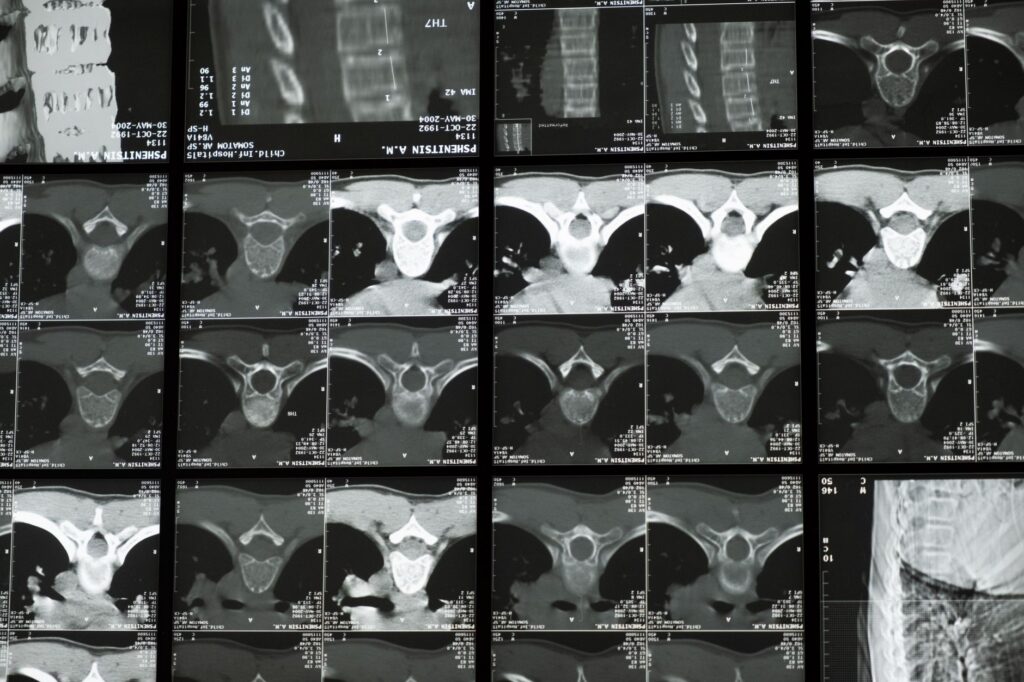
Doctors typically order X-rays, a CT scan, and an MRI, plus a neurological exam to test movement and sensation. Using the ASIA/ISNCSCI standard, they grade the injury and set a plan.
Early goals focus on three things: stabilizing the spine, preventing further damage, and managing complications. Some patients need surgery (for example, decompression or spinal fusion); others need bracing, medication, or monitoring in the ICU.
Questions worth asking the care team:
- What is the injury level, and is it complete or incomplete?
- Is surgery being considered, and what is the goal?
- What secondary complications should we watch for?
- When and where will rehabilitation begin?
One of the most important things a family can do is help ensure the full treatment and rehabilitation plan is followed — every appointment, prescription, and therapy session. Gaps in care can hurt both recovery and, later, a legal claim, because insurers often point to missed treatment to argue the injury isn’t as serious.
Can You Recover From a Severe Spinal Injury?
Recovery varies widely, and no one can honestly promise a specific outcome. It depends on the injury level, whether it’s complete or incomplete, and the person’s own health.
We want to be straight with you. Some people regain function over time; others live with permanent paralysis. Only the treating doctors can speak to your loved one’s specific case. It helps to think about recovery in three parts:
- Medical recovery — healing tissue and, in some cases, regaining movement or feeling.
- Rehabilitation — rebuilding strength and relearning skills through physical and occupational therapy.
- Adaptation — learning new ways to live with assistive technology, mobility aids, and support.
The National Institute of Neurological Disorders and Stroke notes that early rehabilitation often focuses on regaining strength and communication skills. Progress can be slow, and your steady, patient presence matters more than you may realize. Families often become the person’s memory, advocate, and scheduler all at once.
Not sure what your next step is?
Talk it through with our team — the first consultation is free, confidential, and carries no obligation.
Do Spinal Injuries Get Worse Over Time?
The spinal cord injury itself is usually not “progressive,” but secondary complications can develop and cause a person’s overall condition to decline without careful management. That is why lifelong medical care matters.
The Mayo Clinic lists common complications, including:
- Pressure sores from staying in one position too long
- Respiratory problems, especially with higher neck injuries
- Bladder and bowel control issues
- Circulatory and autonomic problems, such as autonomic dysreflexia — a dangerous, sudden spike in blood pressure that can be a medical emergency
Consistent monitoring prevents or manages many of these. This is also why we urge families to keep detailed records over time. Noting how the injury affects daily life — good days and bad — builds a clear, honest picture of the true, long-term impact, which matters both for care and for any claim.
Protecting Your Loved One’s Health, Finances, and Legal Rights
The strongest protection combines consistent medical care with careful documentation and cautious handling of insurance companies. Because your loved one may not be able to act for themselves, these tasks often fall to family.
Here’s what tends to matter most in the catastrophic cases our attorneys handle:
Keep detailed records. Save every bill, treatment note, and diagnosis. Track medications, therapy, and how the injury affects daily living — bathing, dressing, transfers, working.
Document the accident. If possible, gather scene photos, witness names and contact information, and any incident or accident reports. This evidence can disappear within days.
Be careful with insurance calls. Insurers may call early, before anyone knows the full extent of the injury. You are generally not required to give a recorded statement or accept an offer on the spot. If your loved one cannot communicate, do not let an adjuster pressure a family member into one.
Understand the real, lifelong costs. Catastrophic spine injuries can bring decades of expenses — ongoing medical care, lost income, home modifications like ramps and lifts, adaptive vehicles, and in-home attendant care. A rushed settlement can leave a family short for years.
Watch the deadlines. Every state sets a filing deadline called a statute of limitations. In Florida, most negligence claims must be filed within two years for injuries occurring on or after March 24, 2023, under Fla. Stat. §95.11. Florida also applies a modified comparative-negligence rule under Fla. Stat. §768.81, under which a person found more than 50% at fault generally cannot recover damages. If your loved one lacks capacity, ask about establishing legal authority — such as a health care surrogate or guardianship — to make decisions and pursue a claim on their behalf. Deadlines and rules vary by state.
When to Talk to a Catastrophic Injury Attorney
Consider speaking with a catastrophic injury attorney when a serious spine injury may have been caused by someone else’s negligence — a crash, a fall on unsafe property, or medical negligence. Early guidance helps preserve evidence and protect legal rights while the family focuses on care.
A catastrophic injury attorney can help by:
- Investigating what caused the injury and who may be responsible
- Working with medical and financial experts (often a life care planner) to estimate lifetime care costs
- Handling calls and negotiations with insurance companies
- Making sure important deadlines aren’t missed
CHG Personal Injury Lawyers focuses specifically on catastrophic spinal cord and back and neck injuries — cases involving paralysis and permanent impairment. Our licensed attorneys are admitted to The Florida Bar and handle these cases nationwide.
If your family is facing life after a catastrophic spine injury, we’re here to listen. You can request a free, no-obligation case evaluation. We can’t promise a specific result, but we can explain your options clearly and with care.
For more background, visit our pillar resource on catastrophic back and neck injuries.
Frequently Asked Questions
What is a catastrophic spinal injury?
A catastrophic spinal injury is a spinal cord, back, or neck injury that causes paralysis or another permanent, life-altering impairment, such as paraplegia or quadriplegia. It is far more serious than a strain, whiplash, or an uncomplicated herniated disc.
Can you recover from a severe spinal injury?
Recovery depends on the injury level and whether it’s complete or incomplete, and outcomes vary widely. Only the treating doctors can speak to a specific case; no attorney can promise a medical result.
What are the signs your spine injury is serious?
Serious warning signs include loss of movement, numbness, loss of bladder or bowel control, trouble breathing, and intense back or neck pain. Treat any of these as an emergency and call 911, and note that symptoms can worsen hours or days later.
Do spinal injuries get worse over time?
The injury itself is usually not progressive, but complications like pressure sores, respiratory problems, and autonomic dysreflexia can develop without careful, ongoing medical care.
How long do I have to file a claim after a spinal injury in Florida?
In Florida, most negligence claims must be filed within two years for injuries occurring on or after March 24, 2023, under Fla. Stat. §95.11. Deadlines vary by state, so act promptly.
Have questions about what happened?
Ask our team directly. The first conversation is free, confidential, and there is no obligation to continue.
Related practice areas
- Abogado de Lesiones por Parálisis en Orlando
- Permanent Paralysis Lawsuit Lawyers | Nationwide
- Tampa Spinal Cord Injury Lawyer | Paralysis Claims
Speak Carefully With Insurers
In the early days, an insurance adjuster may ask you to give a recorded statement or sign a quick release. For a catastrophic spinal injury, the full extent of harm is often not yet known. Consider speaking with an attorney before agreeing to anything.
First Priorities for the Family
1. Ensure Complete Trauma Care
Focus first on getting your loved one to a facility equipped for spinal cord and severe neurological trauma. Ask about specialists, transfers to a higher level of care, and rehabilitation planning.
2. Preserve the Records
Keep every medical record, bill, imaging report, and discharge summary. Note dates, providers, and what happened. These details can matter for both care decisions and any future claim.
3. Document the Accident
Save police reports, photos, witness names, and anything connected to how the injury occurred. Evidence can disappear quickly, especially at accident scenes or with equipment involved.
4. Protect Legal Rights & Deadlines
Catastrophic injury claims are subject to legal deadlines that vary by state and situation. Consulting a lawyer early helps ensure no deadline passes before your loved one's rights are reviewed.
How CHG Personal Injury Lawyers Can Help
Focused on Catastrophic Cases
We concentrate on spinal cord injuries, paralysis, and permanent, life-altering back and neck injuries from accidents and medical negligence.
We Handle the Paperwork
While your family focuses on recovery, our licensed attorneys can gather records, evidence, and expert input needed to build the claim.
Bilingual Communication
We provide clear, plain-language guidance in both English and Spanish so families fully understand their options.
Empathy at Every Step
We understand how overwhelming these injuries are, and we work to support families through complex medical and legal decisions.