
Florida Premises Injury
Hurt in an Attack on Someone Else's Property? Ask Whether Reasonable Security Was There.
Working locks, good lighting, gates, and cameras can make the difference between a safe property and a dangerous one. Here is how a Florida injury claim may begin.
By CHG Lawyers · Published November 25, 2026
What duty of care do property owners have to prevent assaults on their premises?
If someone you love was attacked in a parking garage, an apartment complex, a hotel, or a store parking lot, you may be asking a painful question. Could the property owner have done more to prevent it?
This page explains the duty of care that property owners in Florida generally owe to people on their property.
In Florida, a property owner generally must act reasonably to keep people safe on the property. Reasonable security can include working locks, gates, lighting, and cameras. This guide offers general information to help you understand the basics of these claims.
Not sure what your next step is?
Talk it through with our team — the first consultation is free, confidential, and carries no obligation.
When someone is attacked on another person’s property
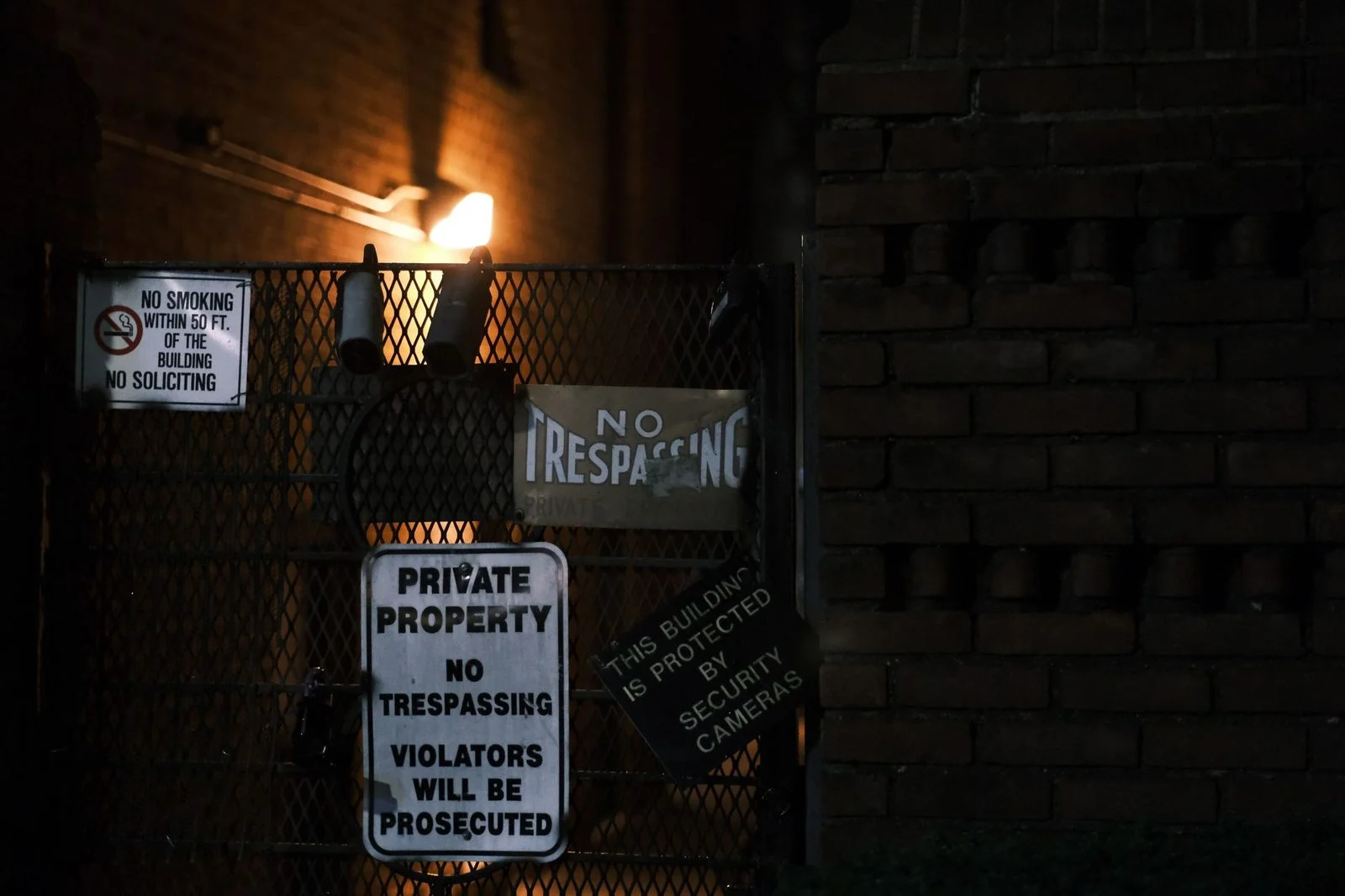
Many people are hurt in an assault, a shooting, or a robbery on property they do not own. Some were walking to their car. Others were checking in to a hotel, leaving a bar, or using an ATM.
In many of these cases, the key question is simple. Did the owner provide reasonable security that could have helped prevent the attack?
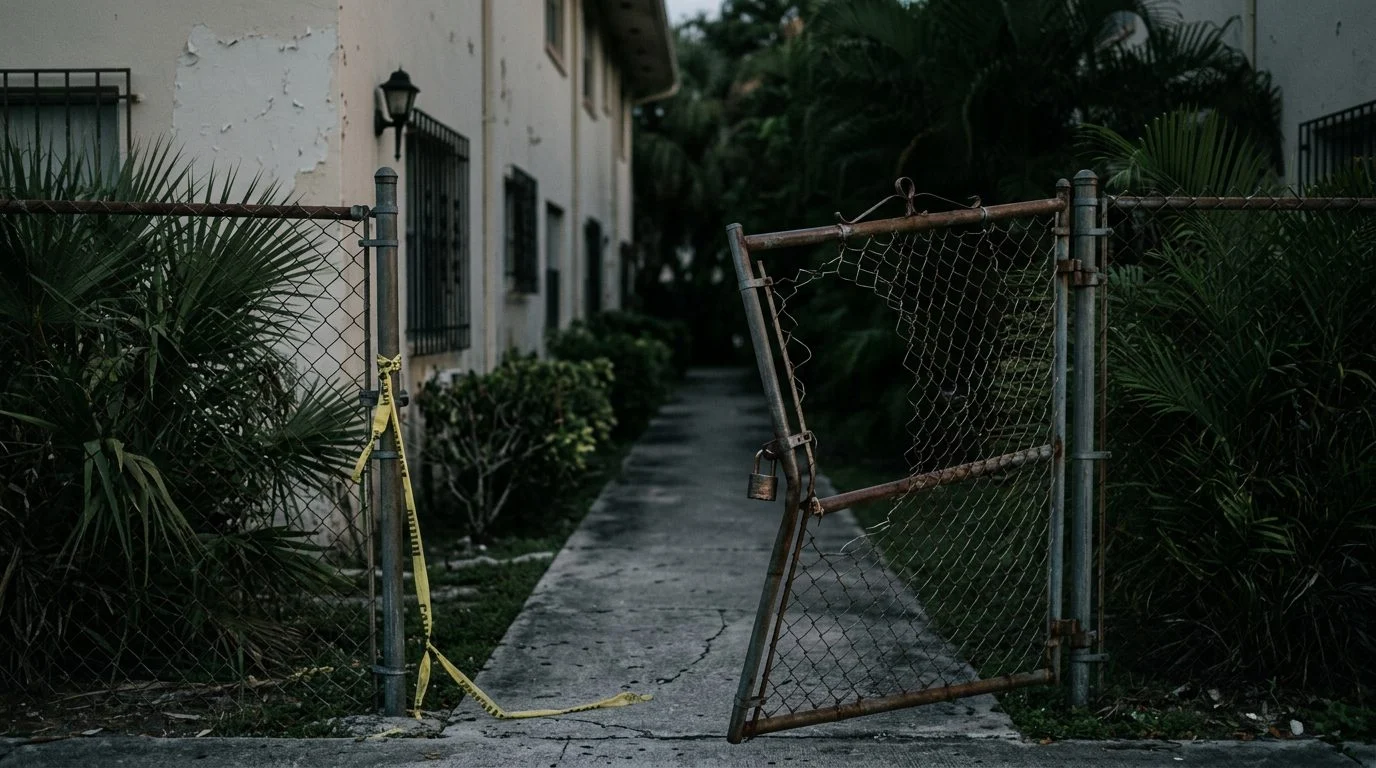
Picture this. A person walks to their car late at night in an apartment garage. The gate is broken. The lights are out. The cameras are not recording. Then someone attacks, shoots, or robs them. Their family wants to know whether the owner should have done more.
Most people in this position ask two questions:
- Did the owner have to protect me?
- Could I have a claim?
The answers depend on several things. These include who you were, why you were there, what the owner knew, and what security was in place at the time.
This page explains general rules in Florida. It is not legal advice. It cannot replace a review of the facts in a specific case.
What “duty of care” means for a property owner
A duty of care is the responsibility to act reasonably. It means taking steps so that people on your property are not harmed.
Florida’s high court describes this duty for businesses. A business owes its invitees a duty to keep the premises reasonably safe. An invitee is a person the business invited onto its property, such as a customer. The business must also warn invitees about hidden dangers. It must warn about dangers it knew about or should have known about (Valladares v. Bank of America).
Attacks by criminals add a twist. The owner did not commit the crime. So the question becomes this. Did the owner’s failure to provide reasonable security allow the crime to happen?
Lawyers call this type of claim “negligent security.” The term describes a claim where the owner did not provide reasonable security, and a third party’s crime caused the injury.
Who the duty protects
Florida generally gives the strongest protection to people invited onto property, such as customers and guests.
Florida courts sort people on land into three groups:
- Trespassers, who enter without permission
- Licensees, who are allowed on the property for their own purposes
- Invitees, who are invited for the owner’s benefit or for business
The relationship between the owner and the visitor sets the duty the owner owes. Invitees are owed the highest duty, which is reasonable care (Ruiz v. Wendy’s Trucking).
A visitor’s status can change how a claim is framed. That is why the reason for the visit matters. In apartment buildings and complexes, the people who are hurt are often tenants and their guests. Their reason for being on the property is part of the story. Write it down while you still remember it clearly.
What “reasonable security” can include
Reasonable security depends on the property, its location, and its risks. For larger apartment properties, Florida law lists specific measures.
Under Florida law, a multifamily residential property is a residential building or group of buildings. It has at least five dwelling units on one parcel of land.
For that kind of property, the statute lists measures such as:
- A security camera system at entry and exit points. The footage must be kept for at least 30 days, to help identify and catch offenders.
- Locked gates with key or fob access along pool fence areas.
- A peephole or door viewer on each dwelling unit door. The door must not have a window, or there must be no window next to the door.
- A crime prevention through environmental design (CPTED) assessment. This is a review of how the property’s design affects crime risk. It must be no more than 3 years old. It must be done by a law enforcement agency or a Florida CPTED Practitioner. That practitioner must be designated by the Florida Crime Prevention Training Institute of the Department of Legal Affairs. The statute set a January 1, 2025 date for owners to have this assessment in place.
- Crime deterrence and safety training for employees. It must be reviewed at least every 3 years. New hires must be trained within 60 days of their hire date.
The statute creates a presumption against liability for an owner or principal operator. A presumption is a starting assumption the law makes. This one applies when the owner has substantially put these measures in place. Two points matter here:
- The presumption is not a bar to all claims. It applies only when the owner has substantially implemented the listed measures.
- The owner carries the burden of proof. The burden of proof means the owner must show it substantially implemented them. The injured person does not have to disprove it at the start.
The statute also says it does not create a private cause of action. In plain terms, it does not give you a right to sue by itself. Your claim rests on the general rules.
In practice, the key question is often whether the security actually worked. A camera that was not recording can still matter. So can a light that was burned out or a gate that did not latch.
Why prior crimes on or near the property matter
Prior similar crimes can help show that a later attack was foreseeable. Foreseeable means the owner could reasonably have expected a crime like this one.
Earlier incidents on the property, or in the area right around it, are often central evidence. This can include:
- Police reports, with report numbers
- Incident logs kept by the property or its management
- Resident complaints about break-ins, assaults, or broken gates
- Maintenance requests about locks, lighting, or cameras that were never fixed
What the owner knew also matters. A steady pattern of complaints that went unanswered may tell a very different story than a single event. How quickly the owner responded can shape how a claim develops.
Prior crimes are one factor among many. The outcome of any claim depends on the specific facts. No one can promise a particular result.
Not sure what your next step is?
Talk it through with our team — the first consultation is free, confidential, and carries no obligation.
Who else may share responsibility
A property manager, management company, or contracted security provider may share responsibility. It depends on its role.
The owner is not always the only company involved. A management company may run daily operations. A security contractor may patrol the property or staff the gate. Each may have duties based on what it agreed to do and what it controlled.
In a lawsuit against the owner, lessor, operator, or manager of commercial or real property, the jury must consider everyone’s fault. This applies when someone lawfully on the property was hurt by a third party’s crime. The jury must consider the fault of everyone who contributed to the injury (§ 768.0701).
Fault can be divided among several parties. A defendant that wants to shift fault to someone not in the lawsuit must affirmatively plead that nonparty’s fault and, absent good cause, identify the nonparty (§ 768.81).
Early on, it helps to identify every company connected to the property. This way, no possible responsible party is overlooked.
Comparative fault: why your own conduct is examined
Florida also reduces recovery by the injured person’s share of fault. This is called comparative fault. In a negligence case, a person found more than 50 percent at fault for their own harm cannot recover damages. There is an exception for personal injury or wrongful death arising out of medical negligence under chapter 766 (§ 768.81).
In a claim like this, the owner’s lawyers may argue that you contributed to what happened. For example, they may say you walked alone in an unlit area at night.
The facts of why you were there, and what you could reasonably have known, are often central. This is one reason early documentation matters.
Florida deadlines and evidence to preserve
Florida law generally gives two years to file a negligence lawsuit (Fla. Stat. § 95.11(5)(a)).
This date change came from Chapter 2023-15, Laws of Florida.
Deadlines apply to every claim, and they are strict. Do not assume you have time. Contact a lawyer promptly to protect both the deadline and the evidence.
Evidence can disappear quickly. Keep track of:
- Surveillance footage. Ask the owner in writing to save it.
- Police and incident reports, with report numbers.
- Names and phone numbers of witnesses.
- Photos of locks, gates, and lighting as they were found.
- Maintenance requests and resident complaints.
- Medical records, bills, and time missed from work.
Follow your doctors’ care. Keep every appointment and every record.
If your family has lost a loved one
When a loved one dies, the family often faces grief, practical decisions, and legal questions at the same time. Many families do not know where to begin.
You do not have to sort out the legal questions alone. Gather the records described above. Write down what you remember about the events and the people who spoke with you.
Keep the police report number, the names of any property staff, and any medical or funeral paperwork. Our team can explain what options may be available to the family. We can also walk you through the next steps, at a pace that respects what you are going through.
Next steps and a free consultation
If you are researching this for a family member who is still recovering, you are carrying a lot at once. Many families make these decisions while a loved one is in the hospital or in rehabilitation. You did not choose this situation.
For severe injuries, such as spinal cord injuries or traumatic brain injuries, see our guide on catastrophic back and neck injuries.
Igor Hernandez is the responsible lawyer for this page. CHG Personal Injury Lawyers is a Florida-based firm. We serve clients throughout Florida. Our lawyers handle personal injury cases of every severity, from everyday accidents to catastrophic injuries.
The first consultation is free, confidential, and carries no obligation to continue. CHG charges no attorney’s fees and no case costs unless there is a recovery.
Español: La consulta inicial es gratuita, confidencial y sin compromiso de continuar.
To talk through what happened, contact our team.
This page is general information, not legal advice. Reading it does not create an attorney-client relationship. Igor Hernandez is admitted to The Florida Bar.
Not sure what your next step is?
Talk it through with our team — the first consultation is free, confidential, and carries no obligation.

Frequently Asked Questions
What duty of care do property owners have to prevent assaults on their premises?
In general, a Florida property owner must act reasonably to keep people on the property safe. Reasonable security can include working locks, lighting, gates, and cameras.
Do property owners have to hire security guards?
Not always. The owner must take reasonable measures for the risks that exist there. A guard may be one reasonable step if the property has a history of violence or the risk is high.
When can a property owner be held responsible for an assault?
Florida courts look closely at the facts. These include who the visitor was, what the owner knew about prior crimes, and what security was in place.
What should I do if I was hurt in an attack on someone else’s property?
Get medical care right away and follow your doctors’ advice. Write down or save details such as dates, locations, and any reports to police or property management. Florida’s deadlines for injury claims can be short. Contact CHG Personal Injury Lawyers promptly to discuss your options.
Why Florida Families Talk With CHG Personal Injury Lawyers
Florida-Based Firm
Our attorneys represent people injured across Florida, from Miami and Fort Lauderdale to Orlando, Tampa, and Jacksonville.
Licensed Attorneys
Our lawyers are admitted to The Florida Bar and handle cases involving violent crime and unsafe property conditions.
Compassionate Listening
We understand that a violent attack leaves lasting physical, emotional, and financial strain on the victim and the family.
No Fees Unless There Is a Recovery
CHG charges no attorney's fees and no case costs unless there is a recovery.
Protect Your Health and Your Records
Get medical care first, and follow your doctors' instructions. If the attack was reported to police, ask for a copy of the report. Write down where the incident happened and what you noticed about locks, lighting, gates, or cameras while it was still fresh in your mind.
Steps to Take After an Attack on a Property
Get to Safety and Care
Your health comes first. Seek medical attention right away, even if your injuries seem minor at the time.
Report the Incident
Make sure the attack is reported to police, and keep any case number or copy of the report you receive.
Document the Scene
Note the property's locks, gates, lighting, and cameras, and any earlier problems you know of, such as prior break-ins or complaints.
Speak With Our Team
Our attorneys can review how the property was secured and explain the options available to you and your family.