

Car Accident Claims
What Factors Affect Compensation in a Car Accident Claim?
Understanding the factors that influence compensation for your injuries and losses.
By CHG Lawyers · Published September 28, 2026
Wrongful Death Car Accident Settlements: What Families Need to Know
When a fatal car accident takes a life, the legal and financial path forward differs from an injury claim. Wrongful death car accident settlements account for lost lifetime earnings, companionship, and support—not just medical bills. This guide explains what compensation exists, what shapes settlement value, and how families navigate this process.
Not sure what your next step is?
Talk it through with our team — the first consultation is free, confidential, and carries no obligation.
Understanding Wrongful Death vs. Personal Injury Settlements
In Florida, the wrongful-death claim is filed by the personal representative of the estate on behalf of the survivors, such as the spouse, children and parents (Fla. Stat. § 768.20). This fundamental difference shapes everything: who can file, what damages apply, and how much compensation may be recovered.
Personal injury car accident claims typically range from $3,000 to $75,000 depending on severity. Wrongful death car accident settlements follow a different legal framework. They often result in significantly higher compensation because they account for permanent, irreversible loss.
An injury victim recovers for medical treatment and lost wages during recovery. A family that has lost someone recovers for a lifetime of lost earnings, lost companionship, funeral costs, and emotional suffering of surviving dependents.
These categories are broader and often result in substantially higher settlement amounts.
What Damages Are Available in a Wrongful Death Claim?
Wrongful death compensation falls into three categories: economic damages, non-economic damages, and—in rare cases—punitive damages.
Economic damages represent measurable financial losses. Calculating these damages requires analysis of the deceased’s age, earning history, and life expectancy.
Non-economic damages compensate for emotional and relational losses with no direct dollar value. These include loss of companionship, emotional pain and suffering, loss of parental guidance for minor children, and loss of consortium (the intimate relationship between spouses). Non-economic damages are often the largest component of a wrongful death car accident settlement because they acknowledge irreplaceable loss.
Punitive damages are awarded in rare cases where the at-fault driver’s conduct was reckless or grossly negligent—for example, driving under the influence, street racing, or extreme speeding. They punish the wrongdoer and deter similar conduct, not compensate the family. They are available only when the defendant’s actions rise to gross negligence or intentional misconduct.
Factors That Influence Settlement Amounts
No two wrongful death cases are identical. Settlement value depends on multiple factors that interact in complex ways.
Age and life expectancy of the deceased often drive settlement value most. A 30-year-old with 35 years of earning potential generates larger economic damages than a 65-year-old near retirement. Younger victims typically result in higher settlements.
Income and earning capacity directly affect economic damages. A professional earning $150,000 annually generates higher lost-wages damages than someone earning $40,000. The calculation includes current income and projected raises.
Number and relationship of dependents shapes both economic and non-economic damages. A parent with three young children generates different damages than a retiree with no dependents. Surviving spouses, minor children, and dependent parents all factor into the calculation.
Degree of fault affects liability and recovery amount. If the deceased was partially at fault, Florida’s comparative fault rule may reduce the settlement proportionally. If the deceased is found more than 50% at fault, the claim typically recovers nothing.
Insurance policy limits often constrain the final settlement amount. Most drivers carry liability coverage ranging from $10,000 to $100,000. If calculated damages exceed the at-fault driver’s policy limit, the family may pursue underinsured motorist (UIM) coverage on the deceased’s own policy.
Strength of evidence of liability influences settlement value. Clear liability—established by traffic violations, DUI, or obvious wrongdoing—supports higher settlements than disputed fault. Police reports, witness statements, and accident reconstruction reports all matter.
Jurisdiction and local jury attitudes affect settlement value. Juries in some areas award higher non-economic damages than others. Attorneys familiar with local courts understand these patterns.
How Much Is a Wrongful Death Settlement Worth?
Wrongful death car accident settlements vary enormously—from hundreds of thousands to millions of dollars. There is no meaningful “average” because each loss is unique.
Consider a hypothetical: a 40-year-old earning $70,000 annually with a surviving spouse and two minor children. Lost wages over 25 years might total $1.75 million (before adjusting for inflation). Funeral costs might be $15,000. Non-economic damages for loss of companionship and parental guidance could range from $500,000 to $2 million or more.
If the at-fault driver’s insurance policy limit is $100,000, the family would exhaust that coverage quickly. They would then pursue underinsured motorist coverage or other sources. The final settlement might be far less than the full calculated value—a harsh reality that underscores the importance of understanding policy limits early.
Published “averages” for wrongful death car accident settlements are misleading. They do not account for your specific circumstances. The only meaningful way to evaluate an offer is to calculate the full value based on your family’s specific situation.
The Role of Liability in Wrongful Death Claims
Proving the other driver caused the crash—establishing liability—is essential. Without clear liability, there is no recovery, regardless of how severe the loss.
Common causes of fatal car accidents include speeding, driving under the influence, distracted driving, reckless lane changes, failure to yield, and running red lights. Each of these can be evidence that the driver breached a duty of care, but on its own it does not establish negligence: causation and damages must still be proven.
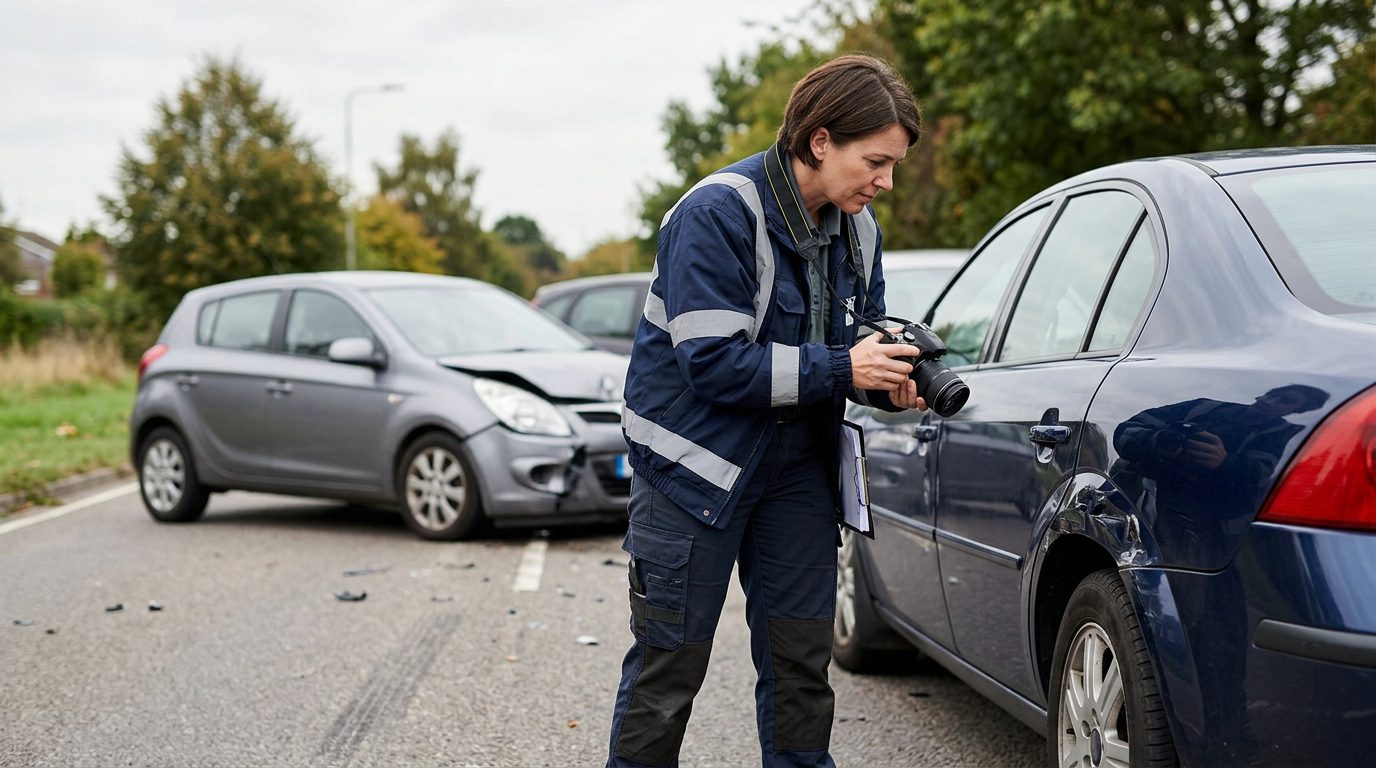
Evidence that establishes liability includes the police report, witness statements, traffic camera footage, dashcam video, and accident reconstruction analysis. In catastrophic-injury cases, attorneys work with accident reconstruction experts to analyze vehicle damage, skid marks, and road conditions to establish exactly how the crash occurred.
Have questions about what happened?
Ask our team directly. The first conversation is free, confidential, and there is no obligation to continue.
Who Can File a Wrongful Death Claim?
In Florida, the personal representative of the deceased’s estate—typically named in the will or appointed by the court—files the wrongful death claim on behalf of surviving family members. The personal representative acts as a fiduciary with a legal duty to act in the best interests of the estate and beneficiaries.
Survivors who may recover include the decedent’s spouse, children, and parents, as well as blood relatives and adoptive brothers and sisters who were partly or wholly dependent on the decedent for support or services. The personal representative must identify all beneficiaries and ensure they are represented.
The claim must be filed within a specific time frame. Acting quickly preserves evidence and protects the family’s rights.
Insurance Coverage and Wrongful Death Settlements
The at-fault driver’s liability insurance is the primary source of compensation in most wrongful death car accident cases. When the crash occurs, the at-fault driver’s insurer becomes responsible for damages up to the policy limit.
Policy limits in Florida often range from $10,000 to $100,000. For many wrongful death claims, these limits are insufficient. If calculated damages exceed the at-fault driver’s coverage, the family may pursue additional recovery through:
- Underinsured motorist (UIM) coverage on the deceased’s own auto policy, which covers the gap between the at-fault driver’s policy limit and the family’s damages (up to the UIM limit).
- Uninsured motorist coverage if the at-fault driver has no insurance.
- Multiple vehicles or parties involved in the crash may mean multiple insurance policies and additional sources of recovery.
Understanding insurance coverage early is critical. Many families do not realize that their own policies may provide additional recovery.
Negotiating a Wrongful Death Settlement
Insurance companies often contact the family within days of a fatal accident with settlement offers. These initial offers are rarely in the family’s best interest and should not be accepted without careful evaluation.
A thorough calculation of damages—including lifetime lost earnings, funeral costs, loss of household services, and non-economic losses—is essential to evaluating any offer. When to hire a car accident attorney, you gain access to professionals who can gather financial records, consult with experts, and calculate the full value of the claim. This analysis provides a benchmark against which to evaluate the insurance company’s offer.
Negotiation typically involves presenting evidence of liability and damages to the insurance company. If the insurance company’s position is unreasonable, mediation or litigation may be necessary. Many families find that having an advocate during negotiations reduces stress and leads to better financial outcomes.
The Timeline for Resolving a Wrongful Death Claim
Wrongful death claims can take months to years to resolve, depending on complexity. There is no single timeline; each case is different.
Early steps include gathering evidence (police reports, medical records, financial documents) and obtaining accident reconstruction analysis. These tasks typically take weeks to months.
Settlement negotiations may begin within weeks or months of the accident. If the insurance company and the family reach agreement, settlement may occur relatively quickly. However, if liability is disputed or the insurance company’s offer is far below calculated value, negotiations may stall.
If negotiations do not produce a fair settlement, litigation may be necessary. A lawsuit extends the timeline significantly—often 1–3 years or longer. However, the threat of litigation often motivates insurance companies to negotiate seriously.
Families should not rush to settle. Taking time to understand the full scope of damages leads to better outcomes. Settling prematurely—before understanding what has been lost and what compensation is available—is a costly mistake.
When to Seek Legal Help After a Fatal Accident
Families should consult an attorney as soon as possible after a fatal car accident. Early legal guidance protects the family’s rights and ensures evidence is preserved.
An attorney can handle communication with insurance companies (so the family is not pressured into a quick settlement), investigate the crash, gather evidence, and calculate the full value of the claim. Early consultation also helps families avoid common mistakes, such as accepting inadequate offers or missing filing deadlines.
Many families find that having an advocate during this difficult time reduces stress and provides clarity. An attorney who focuses exclusively on personal injury can explain the legal process in plain language and help the family navigate decisions about settlement and litigation.

Want to know where you stand?
Tell us what happened and our team will walk you through the options available to you, at no cost.
Frequently Asked Questions
What is the difference between economic and non-economic damages?
Economic damages are measurable financial losses like lost wages and funeral costs. Non-economic damages compensate for emotional losses like loss of companionship, which have no direct dollar value.
Can I recover punitive damages in a wrongful death car accident case?
Punitive damages are available only in rare cases where the at-fault driver’s conduct was reckless or grossly negligent, such as driving under the influence or extreme speeding.
How does comparative fault affect a wrongful death settlement in Florida?
Under Florida Statute § 768.81, if the deceased is found partially at fault, damages are reduced in proportion to that share of fault. If the deceased is found more than 50% at fault, the claim typically recovers nothing.
What is the statute of limitations for filing a wrongful death claim in Florida?
Wrongful death claims in Florida must generally be filed within two years.
Who receives the settlement in a wrongful death case?
The personal representative of the deceased’s estate receives and distributes the settlement to surviving beneficiaries, which typically include the spouse, children, and parents.
If you’ve lost a family member in a fatal car accident and are trying to understand what compensation may be available, reaching out to discuss your situation is a natural step. We’re here to help you understand the process and what comes next.
Settlement Amounts Vary Widely
There is no single 'average' car accident settlement. Your recovery depends on the severity of your injuries, the clarity of fault, insurance policy limits, and other case-specific facts. An attorney can review your situation and explain what your claim may be worth.
Key Factors That Affect Your Settlement
Injury Severity
Minor injuries like whiplash typically result in lower settlements. Catastrophic injuries—spinal cord damage, paralysis, traumatic brain injury, amputation, or severe burns—can lead to substantially higher compensation to cover lifetime care, lost wages, and pain and suffering.
Medical Expenses
Your settlement should cover all reasonable medical treatment: emergency care, surgery, hospitalization, rehabilitation, therapy, and ongoing medical needs. Documentation of these costs is critical to your claim.
Lost Wages and Earning Capacity
If the accident prevented you from working, you may recover lost income. If your injuries permanently reduce your ability to earn, you can seek compensation for that lost earning potential over your lifetime.
Fault and Insurance Limits
The clearer the other driver's liability, the stronger your claim. Your recovery is also capped by the at-fault driver's insurance policy limits, unless additional coverage or assets are available.
What Your Settlement May Include
Economic Damages
Medical bills, emergency care, surgery, rehabilitation, ongoing treatment, lost wages, lost earning capacity, and property damage to your vehicle.
Non-Economic Damages
In a Florida car accident claim, compensation for pain and suffering, emotional distress, and loss of enjoyment of life is available only if the injury meets the threshold set by Florida Statute § 627.737(2).
Punitive Damages
In cases involving gross negligence or reckless conduct, you may be entitled to punitive damages designed to punish the at-fault party and deter similar behavior.
Steps to Maximize Your Settlement
Seek Immediate Medical Care
Document all injuries and treatment. Medical records are the foundation of your claim and establish the link between the accident and your harm.
Report the Accident
File a police report and notify the other driver's insurance company promptly. Preserve evidence: photos of the scene, vehicle damage, injuries, and contact information from witnesses.
Keep Detailed Records
Document all expenses, medical appointments, lost work time, and how the injury affects your daily life. These records support your claim for damages.
Consult an Attorney Early
An attorney can evaluate your claim, negotiate with insurers, and protect your rights. Many car accident claims are worth more than the initial settlement offer.
Why Settlement Amounts Differ
Injury Type and Duration
Temporary injuries settle for less than permanent, life-altering injuries. Catastrophic injuries—paralysis, brain damage, amputation—justify higher compensation because they affect your entire future.
Clarity of Liability
If the other driver was clearly at fault, your settlement is typically higher. Comparative fault—where both parties share responsibility—can reduce your recovery.
Insurance Coverage
The at-fault driver's policy limits cap what their insurer will pay. If damages exceed those limits, you may pursue the driver's personal assets or other sources of recovery.
Negotiation and Litigation
Many insurers offer low initial settlements. An attorney can negotiate aggressively and, if necessary, take your case to trial to recover fair compensation.
Do Not Accept the First Offer
Insurance companies often make initial settlement offers that are far below what your claim is actually worth. Before accepting any offer, have an attorney review it and advise you on whether it fairly compensates your injuries and losses.