

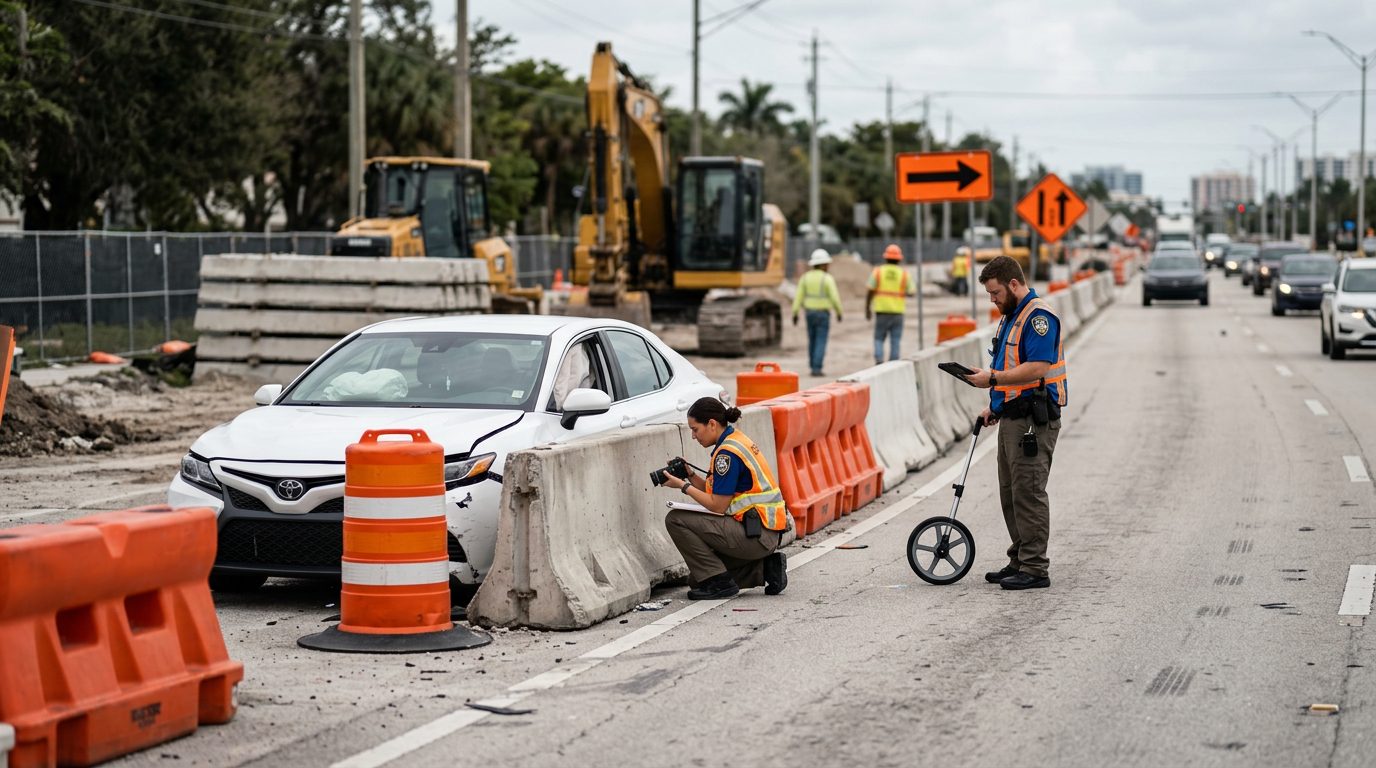
Car Accidents in Tamiami
After a Crash: What You Need to Know About Your Rights
If you've been injured in a car accident in Tamiami, Florida, you may be entitled to recover damages. We focus exclusively on helping accident victims understand their options and pursue fair compensation.
By CHG Lawyers · Published September 26, 2026
Car Accidents in Tamiami: Your Rights After a Crash on Tamiami Trail
If you’ve been in a car accident in Tamiami, you’re not alone. Many people feel confused, shaken, and unsure what happens next. Tamiami Trail (US-41) is a major north-south highway with heavy traffic. Car accidents here range from minor fender-benders to serious, life-altering collisions. The good news: Florida law gives you clear rights and options to recover compensation.
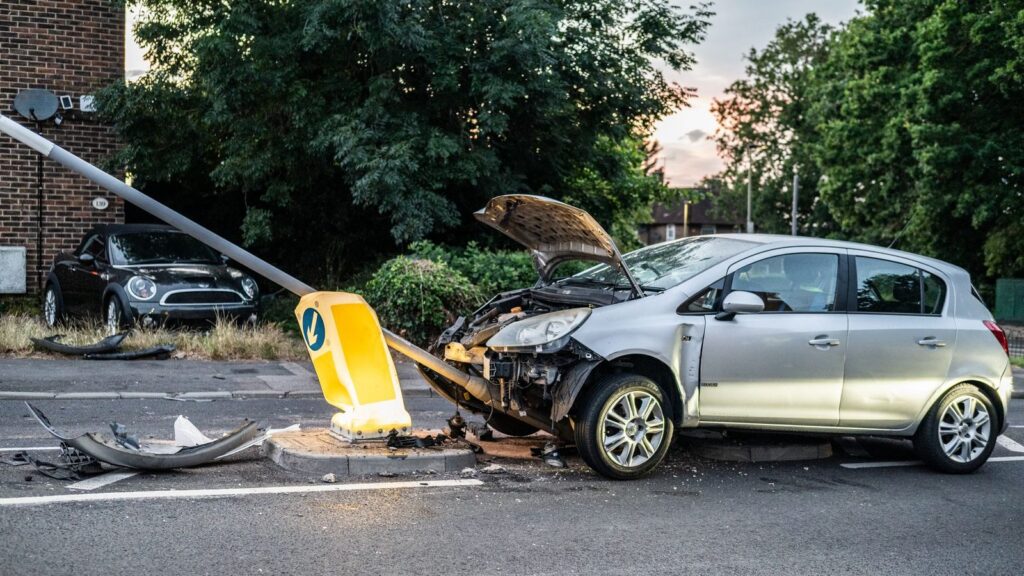
If you've been injured in a car accident in Tamiami, Florida, you may be entitled to recover damages. Talk it through with our team — the first consultation is free, confidential, and carries no obligation.
Why Car Accidents Happen on Tamiami Trail
Tamiami Trail and surrounding streets see constant traffic. Rear-end collisions, multi-vehicle pile-ups, and intersection accidents are common here. Heavy traffic and poor visibility increase crash risk during rush hour and bad weather.
These aren’t just traffic delays—they change lives. Accidents on busy corridors like Tamiami Trail often involve multiple vehicles. This complicates who is responsible and makes professional guidance invaluable.
Common Types of Car Accidents in Tamiami
Rear-end collisions happen when a driver follows too closely or is distracted and hits the car ahead.
Multi-vehicle pile-ups occur when one crash triggers a chain reaction. Multiple cars get hit, and multiple people get injured.
Intersection crashes happen when a driver runs a red light or fails to yield at busy Tamiami Trail intersections.
Side-impact collisions occur when drivers change lanes unsafely or ignore stop signs.
Accidents involving commercial vehicles—delivery trucks, rideshare cars, and service vans—add complexity. Commercial insurance and liability rules differ from personal auto policies.
What to Do Immediately After a Car Accident in Tamiami
Your first moments after a crash matter for your recovery—physical and legal.
Check for injuries and call for help. If anyone is hurt, call 911 immediately. Do not move injured people unless there is immediate danger like a fire. Emergency responders will document injuries and begin medical care.
Move to safety if possible. If vehicles are drivable and safe, move them out of traffic. Turn on hazard lights so other drivers see you. Stay inside your vehicle with seatbelts on if you cannot move the car.
Exchange information. Get the other driver’s name, phone number, address, driver’s license number, license plate, vehicle make and model, and insurance company and policy number. If multiple vehicles are involved, collect information from each driver.
Document the scene. Take photos of vehicle damage, road conditions, traffic signs, skid marks, and the overall scene from multiple angles. These photos are powerful evidence later.
Get witness contact information. Ask anyone who saw the crash for their name and phone number. Witnesses often leave, so collect details while they’re at the scene.
Report to police. Call the non-emergency police line if officers aren’t already there. Get a copy of the police report—it’s essential for your claim.
Seek medical attention. Even if you feel fine, go to an urgent care clinic or emergency room. Some injuries—whiplash, internal bleeding, traumatic brain injury—don’t show symptoms right away. A medical record from the day of the accident is crucial evidence.
If you're dealing with injuries from a car accident on Tamiami Trail or US-41, you don't have to navigate insurance claims and liability questions alone. Talk it through with our team — the first consultation is free, confidential, and carries no obligation.
Injuries from Car Accidents in Tamiami
Car accidents cause many types of injuries, some obvious and others hidden.
Whiplash and neck injuries are extremely common in rear-end collisions. Your head and neck snap forward and backward, straining muscles, ligaments, and discs. Pain and stiffness often appear hours or days after the crash.
Back injuries and spinal cord injuries result from high-impact crashes. A spinal cord injury can cause partial or complete paralysis, requiring lifelong medical care. According to the Christopher & Dana Reeve Foundation, approximately 17,000 new spinal cord injuries occur in the United States each year, and many happen in vehicle accidents.
Traumatic brain injuries (TBI) occur when the brain is jolted or struck inside the skull. You don’t need to lose consciousness to suffer a TBI. Symptoms—headache, confusion, memory problems, mood changes—may not appear until days after the crash. The Mayo Clinic notes that even mild TBI can have lasting effects.
Broken bones, cuts, and internal injuries require immediate hospital care. Internal bleeding or organ damage can be life-threatening.
Psychological trauma and PTSD are real injuries. Many accident survivors experience anxiety, flashbacks, and fear of driving. These deserve professional treatment.
Always follow up with a doctor even if you feel okay. Early diagnosis protects your health and strengthens your legal claim.
Who Is Liable for a Car Accident in Tamiami?
Liability means legal responsibility—who pays for your damages. In Florida, the driver who caused the accident is typically liable. But Florida’s rules are more complex.
Florida is a no-fault state. Under Florida law, your own auto insurance covers your medical bills and lost wages first, regardless of who caused the accident. This is called “Personal Injury Protection” or PIP. PIP pays 80% of reasonable medical expenses and 60% of lost income, up to the $10,000 policy limit, if you get initial care within 14 days of the crash (Fla. Stat. § 627.736). You don’t have to prove fault to access your own coverage—it’s automatic. Learn more about Florida no-fault insurance explained.
You can pursue a claim against the at-fault driver if your injuries are serious.
Liability can be shared. If both drivers contributed to the accident, Florida’s comparative-negligence rule applies under Fla. Stat. § 768.81. If you are found more than 50% at fault, you generally cannot recover damages. If you are 50% or less at fault, you can recover, but your award is reduced by your percentage of fault.
Police reports and witness statements help establish fault. The police report documents the officer’s findings about how the crash happened. Witness testimony supports your version of events. Photos and vehicle damage patterns also tell the story.
Car Accident Claims and Settlements in Florida
Your claim covers several categories of damages:
- Medical expenses (past and future)
- Lost wages from time off work
- Pain and suffering
- Property damage to your vehicle
Insurance companies often make low initial settlement offers, hoping you’ll accept quickly without understanding your claim’s full value. You are not required to accept the first offer. Serious injuries—permanent scarring, significant impairment, ongoing medical treatment—justify higher compensation.
Settlement negotiations can take weeks or months. An attorney can negotiate on your behalf, present medical evidence, and protect your rights. If the insurance company refuses to settle fairly, a lawsuit may be necessary. Under Fla. Stat. § 95.11, you have 2 years from the date of the accident to file a personal-injury lawsuit. Missing this deadline bars your claim permanently.
When to Contact a Car Accident Attorney
You should reach out to an attorney if:
- You have significant injuries or ongoing medical treatment
- The insurance company denies your claim or offers an unreasonably low settlement
- You’re unsure about your rights or the value of your claim
- The accident involved multiple vehicles or complex liability questions
- You’ve lost income due to your injuries
- You’re being pressured to sign documents or settle quickly
- You want to understand your options before talking to the insurance company
Early legal guidance protects your rights and can increase your recovery. Learn more about when to hire a personal injury attorney and the personal injury claims process.
Not sure what your next step is?
Talk it through with our team — the first consultation is free, confidential, and carries no obligation.
Why Local Representation Matters
A local firm can meet with you in person, answer your questions, and provide ongoing support through the claims process or lawsuit.
Frequently Asked Questions
How long do I have to file a car accident claim in Florida?
Under Fla. Stat. § 95.11, you have 2 years from the date of the accident to file a personal-injury lawsuit. Missing this deadline bars your claim permanently.
What is Florida’s no-fault insurance law?
Florida’s no-fault law means your own auto insurance covers your medical bills and lost wages first, regardless of who caused the accident. But if your injuries are serious, you can sue the at-fault driver for additional damages.
Can I recover damages if I was partially at fault?
Yes, if you are 50% or less at fault under Fla. Stat. § 768.81. Your recovery is reduced by your percentage of fault.
What if I don’t feel injured right after the crash?
Some injuries appear hours or days later. Always seek medical evaluation, even if you feel fine. A medical record from the day of the accident is critical evidence.
How much is my car accident claim worth?
The value depends on the severity of your injuries, medical expenses, lost wages, and pain and suffering. See our car accident injury compensation guide or contact us for a personalized evaluation.
If you’re dealing with injuries from a car accident on Tamiami Trail or US-41, you don’t have to navigate insurance claims and liability questions alone.
What to Do After a Car Accident
At the Scene
Check for injuries and call 911 if anyone is hurt. Move to a safe location if possible, exchange contact and insurance information with the other driver, take photos of the vehicles and scene, and get contact details from any witnesses.
Medical Care
Seek medical attention promptly, even if you feel fine. Some injuries appear hours or days later. Keep all medical records, bills, and receipts—they document your damages.
Report the Crash
File a police report and obtain a copy. Notify your insurance company as soon as possible. Document everything: medical visits, lost wages, vehicle repairs, and ongoing symptoms.
Legal Guidance
Contact an attorney who focuses on car accident claims. Early legal advice protects your rights and helps you understand whether you have a claim against the other driver or their insurance.
Time Matters
Florida law sets a deadline for filing a personal-injury lawsuit. Delays in seeking legal counsel can jeopardize your claim. The sooner you understand your options, the better protected you are.
Why CHG Personal Injury Lawyers
Focused on Your Recovery
We focus exclusively on personal-injury claims, including car accidents. Our practice centers on helping injured people and families navigate the legal process.
Clear Guidance on Florida Law
Florida's no-fault insurance system and liability rules are complex. We explain how they apply to your situation in plain language.
No Attorney’s Fees Unless There Is a Recovery
We work on a contingency basis. You pay attorney fees only if we recover compensation for you—no upfront costs.
Serving Tamiami and Beyond
Based in Florida and handling cases nationwide, we understand local accident patterns and the insurance companies operating in your area.
Common Questions About Car Accident Claims
What if I was partially at fault?
Florida is a comparative-negligence state. You may still recover damages even if you share some responsibility for the accident, though your recovery may be reduced based on your percentage of fault.
How is compensation calculated?
Damages typically include medical expenses, lost wages, vehicle repair or replacement, pain and suffering, and ongoing care costs. An attorney can help evaluate the full scope of your losses.
Do I need an attorney?
While not required, an attorney who focuses on car accident claims can help you understand your rights, negotiate with insurance companies, and pursue fair compensation if needed.
What if the other driver was uninsured?
Your own uninsured motorist coverage may protect you. We can help determine what coverage applies and how to file a claim under your policy.