

Car Accident Injuries | Serving Florida
Back Pain After a Car Accident? You Don't Have to Sort It Out Alone
Pain that shows up after a crash can be hard to read on your own. Here is how to protect your health and your options, one step at a time.
By CHG Lawyers · Published November 9, 2026
Lower Back Pain After Car Accident: Where to Start
Lower back pain after car accident is common, and it can come from several causes. Some causes are minor and ease with rest and care. Others are serious, and some symptoms take days to appear.
If you are hurting right now, you are not alone. Many people are juggling doctor visits, missed work, and calls from insurance adjusters while still in pain. If you are helping a family member through this, this page was written for you too.
This guide covers four things. It explains how a crash can injure the lower back. It lists warning signs that need prompt medical care. It explains why pain can show up later. It also covers Florida rules that can shape a back injury claim, including deadlines.
This page is general information, not medical advice. Please follow your doctors’ care at every step. CHG Personal Injury Lawyers is a Florida-based firm that represents people hurt in crashes and other accidents throughout Florida.
If back pain after your crash is making work, bills, and insurance calls harder, you may have a claim worth talking through, and our team is ready to listen. Talk it through with our team — the first consultation is free, confidential, and carries no obligation.
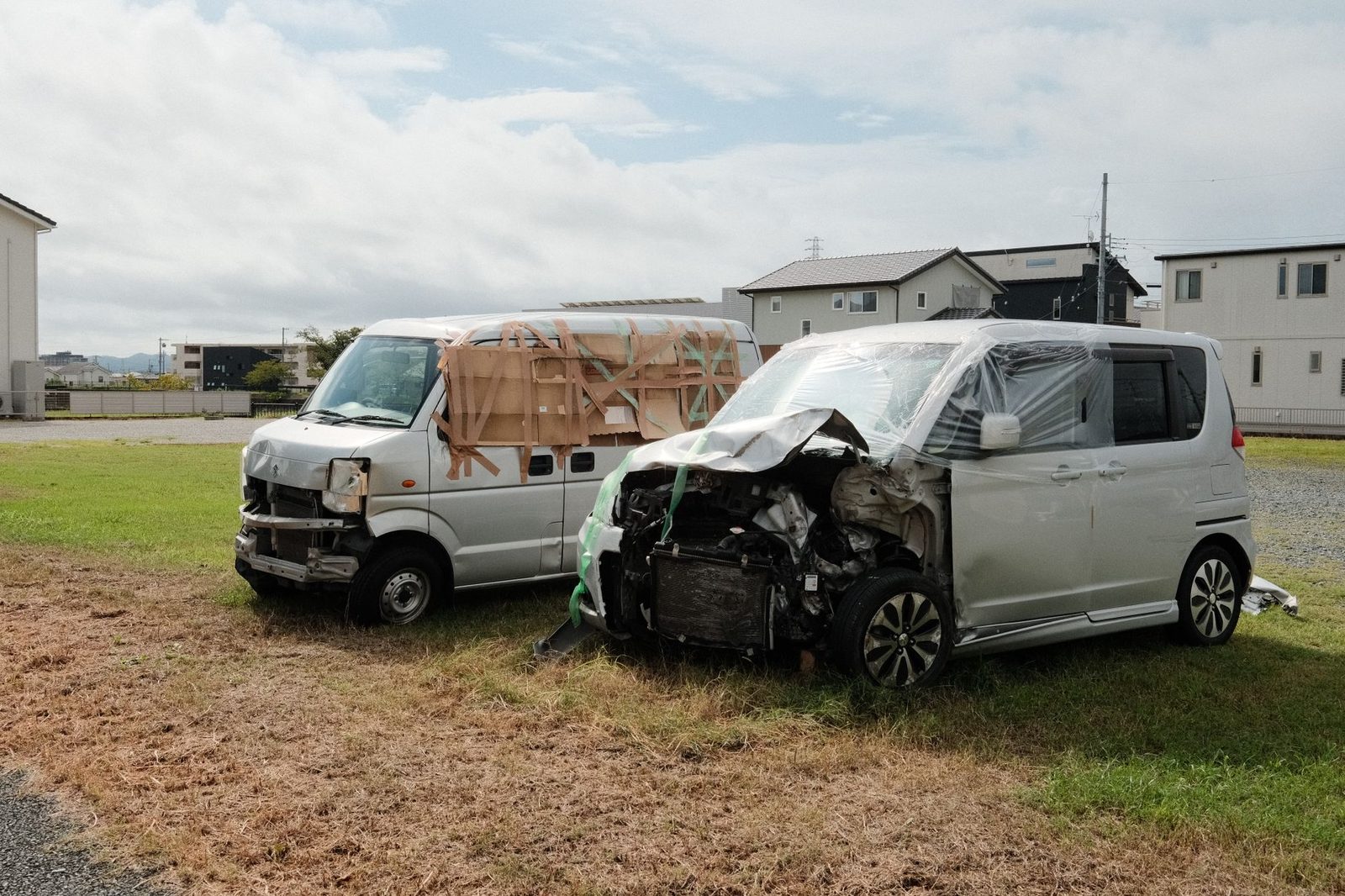
How Car Accidents Can Injure the Lower Back
A car crash can injure the lower back when the body is jolted, pushed, or whipped suddenly. A rear-end collision or a hard stop can stretch and strain the tissues that support the spine.
The spinal cord runs inside the spine. Three layers of tissue protect it, and cerebrospinal fluid surrounds it to cushion it from shock. The NINDS spinal cord injury overview explains that the lumbar nerves in the lower mid-back send signals to the lower abdomen, the buttocks, and parts of the legs.
Most crash-related back pain comes from soft tissue injuries. These include muscle sprains and strains and ligament strains in the lumbar area, which is the lower back. They can cause pain and stiffness that gets worse with movement.
Small joints along the back of the spine are called facet joints. After a crash, they can become irritated. Pain from them can flare with bending, twisting, or standing up after sitting.
Discs sit between the spinal bones and act like cushions. A herniated or bulging disc can press on a nearby nerve. That pressure can send pain or tingling into the buttock or leg.
The same crash can hurt more than one area. Neck pain, upper back pain, and whiplash often show up along with lower back pain. Tell your doctor about every area that hurts, not only the spot that hurts most.
Warning Signs That Need Prompt Medical Attention
Numbness, tingling, or weakness in a leg or foot after a crash needs prompt medical attention. Don’t wait to see whether these symptoms fade.
Get medical care right away if you notice any of these:
- Numbness, tingling, or weakness in a leg or foot
- Pain that spreads down one or both legs
- Trouble walking or keeping your balance
- Loss of control of your bladder or bowels
- Severe pain, or pain that keeps getting worse
- Back pain after a head injury, or any loss of consciousness
If you lose control of your bladder or bowels, or your legs suddenly feel weak, go to emergency care now. Tell every provider you were in a crash. Share the crash date, where you were, and when each symptom started. Doctors can only evaluate what you tell them.
Why Back Pain Can Show Up Days Later
Lower back pain after car accident can start hours or days after the crash. Many people feel mostly fine at the scene and notice stiffness and soreness later. Symptoms often grow over the following hours and days.
A delayed start doesn’t make the injury less real. What matters most is a clear record. A prompt medical visit creates a dated record that ties your symptoms to the crash.
A common mistake is waiting to see if the pain goes away. Another is calling back pain “just sore” and leaving out tingling, weakness, or sleep problems. Describe every symptom to your doctor, even small ones. Write down when each one started.
Keep copies of your records, and note the date and time of the crash. Those details help your doctor and help anyone reviewing your case later.
Diagnosis and Treatment: Following Your Doctor’s Care
Doctors usually start with a physical exam and a review of your history. They may order imaging, such as X-rays or an MRI, or nerve testing if your symptoms point that way.
For soft tissue injuries, common care can include rest guidance, physical therapy, and medication. Your doctor decides what fits your diagnosis. Follow that plan, and don’t change, skip, or stop care on your own.
Recovery time differs from person to person. Ask your doctor what to expect and which signs mean you should come back sooner. Keep a simple symptom journal with pain levels, sleep, and daily tasks you can or can’t do.
Also keep every bill, test result, prescription, and visit summary. Note each day you miss work and why. These records show what happened and how your care is going.
Florida Rules That Affect Back Injury Claims
Florida’s car accident rules shape insurance benefits, fault, deadlines, and when pain and suffering can be claimed. These rules work together, so it helps to review them early.
No-fault insurance. Florida’s Motor Vehicle No-Fault Law covers Sections 627.730 through 627.7405 of the Florida Statutes. Personal injury protection, or PIP, is the coverage that law sets up. The PIP benefits statute, Fla. Stat. § 627.736, lists those benefits.
Under Fla. Stat. § 627.736(7)(a), the exam must be close to where you live or where you’re treating.
How this rule applies to a back injury depends on the facts and the medical records.
Fault. Florida compares fault. Under Fla. Stat. § 768.81(3), in a negligence action, a court enters judgment against each party liable based on that party’s percentage of fault, not joint and several liability. Under Fla. Stat. § 768.81(6), in a negligence action, anyone found more than 50 percent at fault for their own harm may not recover any damages, though this does not apply to personal injury or wrongful death claims arising out of medical negligence under chapter 766.
Deadlines. Under Fla. Stat. § 95.11(5)(a), an action founded on negligence has a two-year time limit. Deadlines apply, so contact an attorney promptly rather than waiting.
Medical bills. Under Fla. Stat. § 768.0427(2)(a), proof of past medical treatment that has been satisfied is limited to the amount actually paid, regardless of who paid it.
Not sure what your next step is?
Talk it through with our team — the first consultation is free, confidential, and carries no obligation.
What a Back Injury Claim Can Involve
A back injury claim can seek money for medical bills, lost income, and pain and suffering, when Florida law allows those damages. These are the losses most people think about first.
Medical bills and lost wages are often shown with receipts, pay records, and doctors’ notes. Pain and suffering is harder to measure, which is why daily symptom notes matter. Reduced ability to work, such as needing fewer hours or a different job, can also be part of a claim.
Several factors shape a claim’s value. Every case turns on its own facts, so the details of your situation matter. No lawyer can predict the result of a claim from a short description, and no result or amount is promised.
Insurance companies may ask for a recorded statement or an early medical release. You can speak with an attorney before answering questions about your injury.

Next Steps If You Are Dealing With This Now
The next steps are getting medical care, following your doctor’s plan, and keeping careful records. Start with the care your doctor recommends, then build your file.
- Seek medical care promptly, and tell every provider about the crash.
- Follow the treatment plan and keep the appointments you can.
- Note the date, time, and place of the crash, and get the police report number.
- Track missed work, lost hours, and tasks you can’t do.
- Keep bills, receipts, and insurance letters in one place.
If you’re worried about your spinal cord, read about spinal cord injuries. Neck pain after a car accident is a related topic as well.
CHG charges no attorney’s fees and no case costs unless there is a recovery. Igor Hernandez is the responsible lawyer for this page and is one of the lawyers at CHG Personal Injury Lawyers.
Why does my lower back hurt days after a car accident?
Stiffness and soreness can build over hours or days after a crash. A doctor should still check any pain that is new or getting worse.
How long do I have to file a car accident lawsuit in Florida?
Florida gives two years for an action founded on negligence under Fla. Stat. § 95.11(5)(a). Deadlines apply, so speak with an attorney promptly.
Can an insurance company require me to see its doctor?
If you’re living with back pain after a crash and weighing bills and insurance calls, you don’t have to face it alone. Our team offers a free, confidential, no-obligation initial consultation, and you can contact CHG Personal Injury Lawyers to start that conversation.
Why Floridians Bring Their Car Accident Cases to Us
Florida-Based Practice
CHG Personal Injury Lawyers represents people throughout Florida, from Miami and Fort Lauderdale to Orlando, Tampa and Jacksonville.
Licensed Attorneys
Our lawyers are licensed attorneys admitted to The Florida Bar, and they handle the legal side of your claim while you focus on recovery.
Care for the Whole Person
We understand that back pain affects work, sleep, family life and daily routines. We take the time to listen to your story.
No Fees Unless There Is a Recovery
CHG charges no attorney's fees and no case costs unless there is a recovery.
Free, Confidential Consultation
Your first consultation is free, confidential and comes with no obligation to continue.
Do Not Wait to Have Your Back Checked
New, spreading, or worsening back pain after a crash should be evaluated by a doctor promptly. Follow your doctors' care. Insurance deadlines and legal deadlines can apply to your claim, so contact our team early so we can review your situation.
Practical Steps to Take Now
See a Doctor Right Away
Get checked even if your pain seems mild. Describe every area that hurts, including your back, neck, hips and legs.
Keep Every Record
Save the police report, photos of the scene and your vehicles, medical bills, and any notes about missed work or daily limits.
Track Your Symptoms
Write down when pain starts, what makes it worse, and how it affects sleep, work and family life. These notes help your doctors and your legal team.
Be Careful With Insurers
Before giving a recorded statement or signing anything, talk with a lawyer. Adjusters work for the insurance company, not for you.