

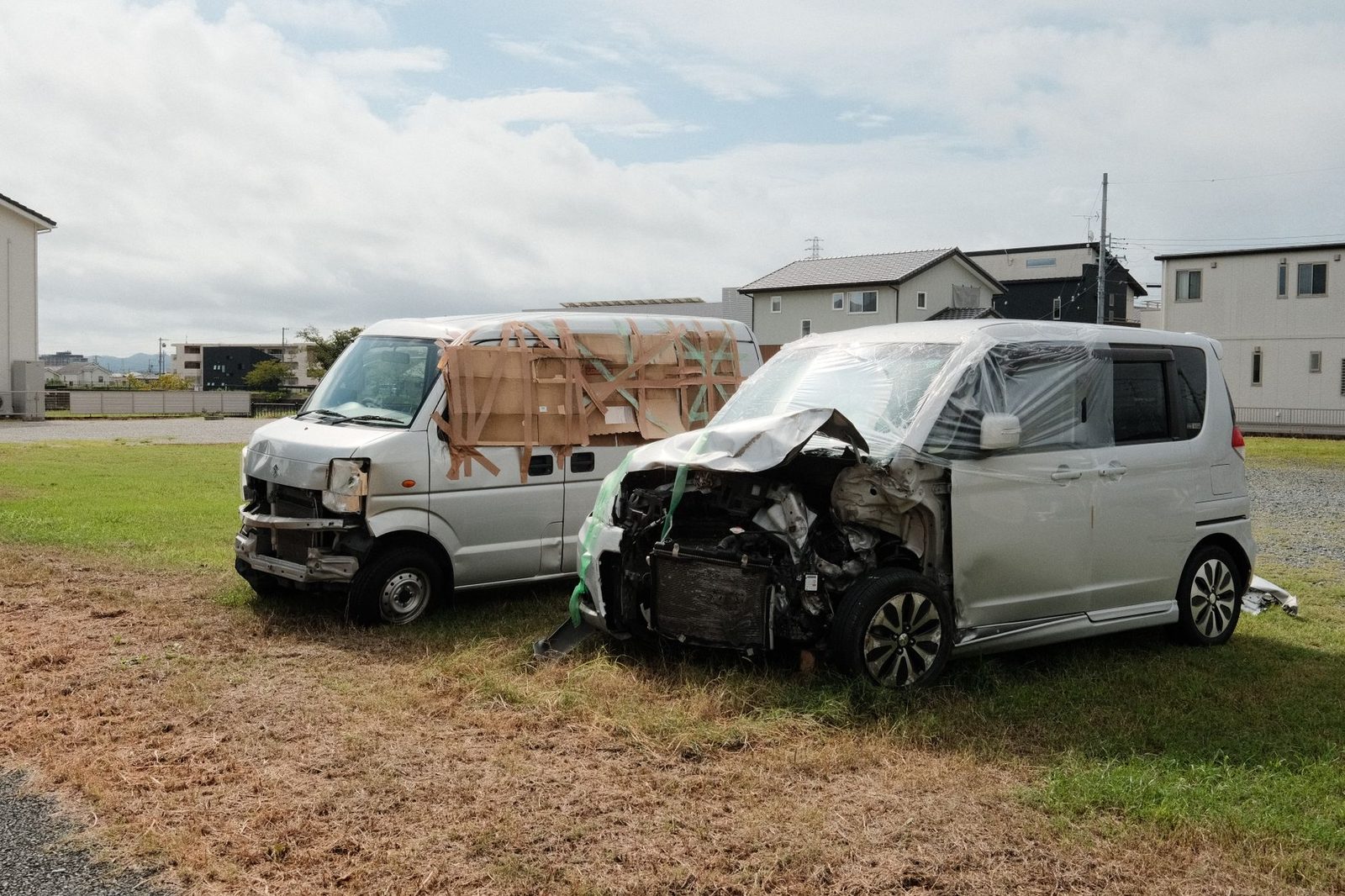
Car Accident Damages
How Much Can You Recover After a Car Accident?
Understanding the damages you may claim—medical bills, lost wages, pain and suffering, and more. We help you pursue fair compensation.
By CHG Lawyers · Published October 02, 2026
How Much Can You Sue for a Car Accident in Florida? Settlement & Damage Guide
The amount you can recover after a car accident depends on injury severity, documented losses, liability strength, and insurance coverage. Florida law caps claims against the state and its agencies and subdivisions at $200,000 per person and $300,000 per incident. Settlement amounts vary dramatically based on injury type.
Understanding how much someone can sue for a car accident gives you realistic expectations. No two cases are identical. No attorney can guarantee a specific outcome.
Not sure what your next step is?
Talk it through with our team — the first consultation is free, confidential, and carries no obligation.
What You Can Sue For: Three Categories of Damages
Florida statutes distinguish economic, noneconomic, and punitive damages.
Economic damages are your actual, measurable financial losses. Medical bills, lost wages, vehicle repair, home modifications, and prescriptions all count. These are tied directly to the accident.
Non-economic damages compensate for pain, suffering, emotional trauma, loss of enjoyment of life, scarring, permanent disability, and loss of consortium. These are subjective but often the largest part of your claim’s value.
Wrongful death damages apply when a car accident is fatal. Under Florida law, each survivor may recover the value of lost support and services from the date of the decedent’s injury to the date of death, with interest, and future loss of support and services from the date of death, reduced to present value. These claims deserve the same dignity as any catastrophic injury claim.
Punitive damages are rare. They’re awarded only when the defendant’s conduct was reckless, intentional, or grossly negligent—such as drunk driving, street racing, or deliberate hit-and-run. Ordinary negligence does not qualify.
Economic Damages: The Calculable Costs
Economic damages are proven with receipts, medical records, wage statements, and expert testimony:
- Medical expenses: emergency care, surgery, hospitalization, rehabilitation, ongoing treatment, and future medical care
- Lost wages and earning capacity: income lost during recovery and income you’ll lose if permanent injury prevents future work
- Vehicle repair or replacement: the cost to fix or replace your vehicle
- Transportation and home modifications: ride services, wheelchair ramps, accessibility equipment, or structural changes if mobility is affected
- Prescription medications and medical equipment: wheelchairs, braces, mobility aids, or ongoing prescriptions
- Documented out-of-pocket costs: any other direct expenses caused by the accident
In catastrophic cases—spinal cord injury, paralysis, amputation, severe burns, traumatic brain injury—economic damages often include lifetime care costs. These can reach hundreds of thousands of dollars or more. A life-care plan prepared by a medical economist documents these future needs and their cost.
Non-Economic Damages: Compensation for Pain, Suffering & Life Impact
Non-economic damages are harder to calculate because they’re subjective. They’re equally real and often substantial:
- Pain and suffering: physical pain during recovery and ongoing discomfort
- Emotional distress and psychological trauma: anxiety, depression, PTSD, or other mental health effects
- Loss of enjoyment of life: inability to participate in hobbies, sports, relationships, or activities you enjoyed
- Scarring and permanent visible injury: cosmetic and psychological impact of permanent marks
- Loss of consortium: the impact on your spouse’s or family’s relationship with you
- Permanent disability or impairment: lasting effects on your quality of life and independence
Attorneys and juries typically use two methods to value non-economic damages:
Multiplier method: multiply your economic damages by 1.5 to 5 or higher, depending on injury severity. A minor soft-tissue injury might use 1.5×. A permanent spinal cord injury might use 4–5× or higher.
Per-diem method: assign a daily dollar value to pain and suffering. Multiply it by the number of recovery days or, in permanent injuries, remaining life expectancy days.
Severe, permanent injuries—paralysis, spinal cord injury, traumatic brain injury, amputation, severe burns—typically receive higher non-economic awards. The injury’s impact is lifelong.
Real Settlement Ranges: What Injury Severity Means
Settlement amounts vary widely based on injury type and permanence:
- Minor injuries (soft-tissue damage, minor fractures, whiplash): $5,000–$25,000
- Moderate injuries (significant fractures, extended treatment, temporary disability): $25,000–$100,000+
- Severe or permanent injuries (spinal cord injury, paralysis, traumatic brain injury, amputation, severe burns): $100,000–$1,000,000+
The wide range reflects real differences in how injuries affect people’s lives. A minor whiplash injury typically heals in weeks. A spinal cord injury causing quadriplegia affects earning capacity, independence, life expectancy, and quality of life for decades.
Florida’s Comparative Negligence Rule: How Shared Fault Affects Recovery
Under Florida Statute §768.81, you can recover damages even if you share fault for the accident. Your recovery is reduced by your percentage of fault.
Example: You’re found 20% at fault. Your total damages are $100,000. You recover $80,000.
Critical threshold: If you’re found more than 50% at fault, you recover nothing. At exactly 50%, you are not barred from recovering damages.
This means even if the accident wasn’t entirely the other driver’s fault, you may still have a valuable claim. Many people mistakenly believe they have no case if they share any blame. This is incorrect.
Factors That Drive Settlement and Verdict Value
Your settlement or verdict amount depends on:
- Severity and permanence of injury: temporary pain versus permanent disability, disfigurement, or paralysis
- Liability and fault: is the other driver clearly at fault, or is fault shared?
- Insurance policy limits: the at-fault driver’s policy caps recovery; your uninsured or underinsured motorist (UM/UIM) coverage may bridge the gap
- Medical evidence and documentation: strong medical records, imaging, and expert testimony increase claim value
- Lost income and earning capacity: higher earners typically recover more for lost wages; permanent disability affecting future work increases value significantly
- Age and life expectancy: younger victims may recover more because the injury’s impact spans more decades
- Jurisdiction and local practices: jury attitudes and court practices vary by county and across states
Have questions about what happened?
Ask our team directly. The first conversation is free, confidential, and there is no obligation to continue.
Punitive Damages: When Are They Available?
Punitive damages are rare. They’re awarded only when the defendant’s conduct was reckless, intentional, or grossly negligent—not merely careless. Examples include:
- Drunk driving
- Street racing
- Deliberate hit-and-run
- Extreme speeding or road rage
Punitive damages are separate from compensatory damages. They can substantially increase a verdict. Most routine car accidents do not result in punitive damages because ordinary negligence doesn’t meet the legal threshold.
How Is a Car Accident Case Valued?
Here’s the step-by-step process:
- Gather economic damages: collect all medical records, bills, wage statements, repair estimates, receipts, and documentation of out-of-pocket costs
- Calculate non-economic damages: use the multiplier method or per-diem method, adjusted for injury severity and permanence
- Assess liability: determine fault strength, insurance coverage, and whether liability is clear or disputed
- Evaluate settlement versus litigation risk: compare the likelihood of settlement to the cost and timeline of trial
- Negotiate or litigate: present the valuation to the insurer and negotiate, or prepare for trial
Insurance adjusters often undervalue claims initially. An experienced personal injury attorney’s valuation typically exceeds an insurer’s opening offer. Attorneys account for all damages, including future care and lost earning capacity, and are prepared to litigate if necessary.
When Is Litigation Worth Pursuing?
Most car accident cases settle without trial. A lawsuit becomes necessary when:
- The insurance settlement offer is far below your documented damages
- Liability is disputed and requires investigation, police reports, witness testimony, or accident reconstruction
- The injury is severe or catastrophic and demands higher damages than the insurer will offer
- The case involves catastrophic injuries like spinal cord injury, paralysis, traumatic brain injury, amputation, or severe burns
Most personal injury attorneys work on contingency—you pay nothing upfront. The attorney’s fee comes from your recovery. This removes the financial barrier to pursuing your claim and aligns the attorney’s incentive with yours: recover as much as possible.
For minor injuries with small damages, settlement often makes sense. For catastrophic injuries affecting lifetime earning capacity and quality of life, litigation is frequently necessary to achieve fair compensation.
Is $50,000 a Good Settlement for a Car Accident?
It depends entirely on your injury and damages. There is no universal “good” settlement amount.
For a minor injury: $10,000 in medical bills, two weeks of missed work, and minor pain and suffering? $50,000 may be reasonable.
For a permanent spinal cord injury: $200,000 in medical costs, lifetime care needs, permanent paralysis, and lost earning capacity? $50,000 is far too low.
Before accepting any settlement offer, have an attorney review it against your documented damages, injury severity, and future needs. Red flags include:
- Offers that ignore future medical care or rehabilitation
- Offers that don’t account for permanent disability or lost earning capacity
- Offers based on a low multiplier for severe injuries
- Offers that don’t reflect your actual economic losses
How a Car Accident Attorney Helps You Recover More
An experienced personal injury attorney:
- Investigates thoroughly: gathers police reports, witness statements, accident reconstruction analysis, medical records, and surveillance footage
- Calculates damages accurately: ensures all economic and non-economic losses are included, including future care and lifetime disability costs
- Negotiates with insurers: insurers often undervalue claims; an attorney’s demand backed by evidence increases settlement leverage
- Coordinates expert witnesses: medical doctors, vocational rehabilitation specialists, life-care planners, and accident reconstruction experts strengthen your case
- Prepares for trial: litigation readiness signals serious intent and often leads to better settlements
- Handles catastrophic injuries: spinal cord injuries, paralysis, traumatic brain injuries, amputations, severe burns, and wrongful death claims demand complex valuation and long-term care planning
Why CHG Personal Injury Lawyers Handles Car Accident Claims
CHG focuses exclusively on personal injury claims ranging from routine car accidents through catastrophic, life-altering injuries. We handle spinal cord injuries, paralysis, traumatic brain injuries, amputations, severe burns, and other severe injuries that demand deep experience in long-term care, disability planning, and lifetime damages.
We’re licensed in Florida and serve clients throughout Florida. We work on contingency—you pay no attorney’s fee unless we recover for you. We charge no case costs unless we recover for you.
Want to know where you stand?
Tell us what happened and our team will walk you through the options available to you, at no cost.
Frequently Asked Questions
How long do I have to sue for a car accident in Florida?
Florida Statute §95.11 sets a two-year statute of limitations for personal-injury claims. Do not wait. Evidence fades, witness memories fade, and the deadline is firm.
Do I have to go to trial?
No. Approximately 90% of car accident cases settle before trial. We pursue fair settlements but are always trial-ready.
What if the other driver doesn’t have insurance?
Your own uninsured motorist (UM) coverage may apply. We investigate all available sources of recovery, including the at-fault driver’s assets and any other liable parties.
How long does a car accident case take?
Simple settlements may resolve in weeks to months. Complex or catastrophic cases typically take one to three years or longer, depending on injury severity and expert testimony needs.
What if I was partly at fault?
Florida allows recovery even if you’re partially at fault. Your damages are reduced by your percentage of fault. You recover nothing only if you’re found more than 50% at fault.
Can I recover if the accident caused permanent disability?
Yes. Permanent injuries—including paralysis, spinal cord injury, traumatic brain injury, amputation, or severe burns—typically result in significantly higher damages because they affect lifetime earning capacity, independence, and quality of life.
What if the accident was fatal?
Wrongful death claims allow the deceased’s family to recover for loss of life, financial support, companionship, and services. These claims are treated with the same seriousness and dignity as any catastrophic injury claim.
Get Your Free Case Evaluation Today
If you’ve been injured in a car accident—whether the injury is minor or severe—contact CHG Personal Injury Lawyers for a free, confidential case evaluation. We’ll review your accident, injuries, and damages with no obligation and no cost upfront.
We handle cases nationwide and focus exclusively on personal injury claims. Reach out today for your free consultation.
Types of Damages in a Car Accident Claim
Economic Damages
Medical expenses, hospital stays, surgery, rehabilitation, prescription medications, medical equipment, lost wages, lost earning capacity, and property damage to your vehicle.
Non-Economic Damages
Pain and suffering, emotional distress, loss of enjoyment of life, scarring or disfigurement, and permanent disability or impairment.
Catastrophic Injury Damages
For severe, life-altering injuries—spinal cord damage, paralysis, traumatic brain injury, amputation—damages account for lifelong care, assistive devices, home modifications, and ongoing medical needs.
Wrongful Death Claims
When a car accident is fatal, surviving family members may recover funeral and burial costs, loss of financial support, and loss of companionship.
What Affects Your Claim's Value
Severity of Injury
Minor injuries typically result in lower settlements; catastrophic or permanent injuries—paralysis, brain trauma, amputation—carry substantially higher claim values because they affect your entire life.
Clear Liability
The stronger the evidence that the other driver was at fault, the stronger your position. Police reports, witness statements, and accident reconstruction all matter.
Medical Documentation
Thorough medical records, ongoing treatment, and professional opinions about long-term impact directly support the damages you claim.
Insurance Coverage
The at-fault driver's policy limits, your own coverage, and whether uninsured or underinsured motorist protection applies all shape what you can recover.
Time Matters—Act Now
Florida law sets a two-year deadline to file a personal-injury lawsuit for a car accident (Fla. Stat. § 95.11(5)(a)). Evidence fades, witness memories fade, and the clock is running. The sooner you document your injuries and losses, the stronger your claim.
Common Questions About Car Accident Damages
Do most car accident cases go to trial?
No. Approximately 90% of car accident cases settle before trial. We pursue fair settlements but are always prepared to take your case to court if needed.
What if I was partially at fault?
Florida's comparative negligence rule allows you to recover damages even if you share some fault—as long as you were not more than 50% responsible (Fla. Stat. § 768.81(6)). Your recovery is reduced by your percentage of fault.
How long does a car accident claim take?
Simple cases may settle in months; complex or catastrophic injury cases often take longer. We work to resolve your claim as quickly as possible while securing the full compensation you deserve.
What if the other driver has no insurance?
Your own uninsured motorist coverage may protect you. We evaluate all available sources of recovery, including your policy, the at-fault driver's assets, and other liable parties.