

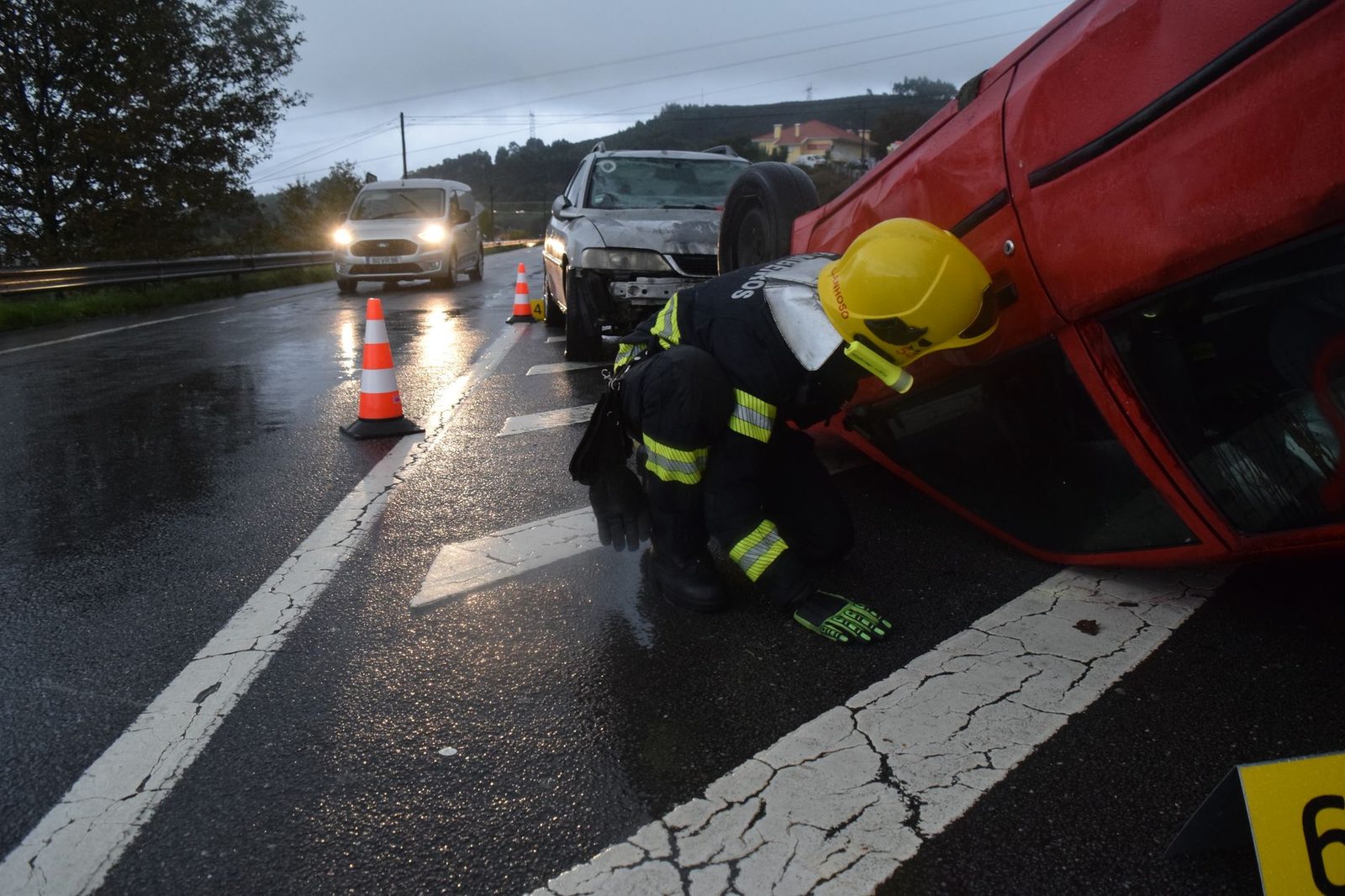
Car Accident Injuries
PTSD from a Car Accident: You Can Recover Damages
Post-traumatic stress disorder is a real injury with real costs. Learn how settlement damages are calculated when psychological trauma changes your life.
By CHG Lawyers · Published September 14, 2026
PTSD from a Car Accident: How Settlement Damages Are Calculated
Post-traumatic stress disorder (PTSD) after a car accident is a real injury. Whether you can recover money for it depends on the facts of your case and on Florida law. When PTSD is severe enough to permanently change your life—affecting your ability to work, drive, or function day-to-day—its effects can be lasting and serious.
Unlike a broken spine or head injury, PTSD leaves no visible scar. But the damage is real and deep. Many accident survivors cannot drive again. They feel terrified in cars. They lose their jobs. Their relationships fall apart. The law recognizes this psychological harm as legitimate grounds for compensation.
This page explains how PTSD damages are calculated, what proof insurers and courts need, and what your claim may be worth.
Not sure what your next step is?
Talk it through with our team — the first consultation is free, confidential, and carries no obligation.
PTSD After a Car Accident: A Life-Altering Psychological Injury
PTSD develops after you experience or witness a traumatic event—like a serious car crash.
You may lose your job because you cannot drive to work or concentrate due to intrusive memories. You may become unable to leave your home. Relationships break down. The injury is permanent and life-altering.
Under Florida’s no-fault law, if someone else’s negligence caused your accident, you may recover damages for pain, suffering, and mental anguish only if your injury meets the threshold set out in Fla. Stat. § 627.737. Each PTSD claim depends on its own facts and medical evidence.
Settlement Amounts: What PTSD Claims Are Worth
Cases combining PTSD with physical injuries often result in significantly higher settlements. When PTSD is paired with a traumatic brain injury, spinal cord injury, or severe burns, damages increase. The psychological trauma amplifies the physical injury. The combined effect on your life is catastrophic.
Key Factors That Drive Settlement Value Up or Down
Severity and Duration of Symptoms
Mild PTSD that goes away within months with treatment is worth less than severe, chronic PTSD lasting years or becoming permanent. Insurance adjusters and defense attorneys distinguish between:
- Acute PTSD: Symptoms lasting 1–3 months after the accident (lower settlement value)
- Chronic PTSD: Symptoms lasting beyond 3 months, often years (higher settlement value)
- Permanent PTSD: Symptoms expected to last indefinitely despite treatment (highest settlement value)
Your medical records and treatment history show this timeline. Longer duration means higher damages.
Impact on Work and Income
If PTSD prevents you from working, forces reduced hours, or requires a lower-paying job, lost income becomes a major part of your damages. You’ll need:
- Pay stubs or tax returns showing income before the accident
- Employer documentation confirming time off or reduced hours
- Medical records linking your absence or reduced capacity to PTSD symptoms
- Expert testimony about reduced earning capacity if you cannot return to your previous job
A person earning $60,000 annually who cannot work for two years has $120,000 in lost wages alone—before pain-and-suffering damages.
Impact on Daily Life and Relationships
Damages include compensation for emotional distress, anxiety, and reduced quality of life—called “pain and suffering.” Courts consider:
- Your inability to drive or be in a car (a fundamental life activity)
- Inability to do activities you once enjoyed (sports, socializing, travel)
- Damage to relationships and social connections
- Sleep problems and chronic anxiety affecting daily life
- Isolation and loss of independence
Clarity of Liability
The clearer the other driver’s fault, the higher your settlement. If the other driver ran a red light, was speeding, was texting, or was driving under the influence, liability is clear. Under Fla. Stat. §768.81, Florida follows modified comparative fault: if you’re found 50% or less at fault, you can recover damages reduced by your percentage of fault. Disputed or shared fault results in lower settlement offers.
Insurance Policy Limits
If the at-fault driver carries bodily injury liability insurance, that policy has a limit. This limit applies to the at-fault driver’s insurer, so it does not by itself cap the total damages you may recover (Fla. Stat. § 627.727). If your actual damages exceed the policy limit, you may pursue a claim against the at-fault driver’s personal assets, but this is difficult and rarely pursued.
How to Prove PTSD: Medical Evidence and Documentation
Proving PTSD requires more than saying you’re anxious or upset. You need a clinical diagnosis, medical records, and expert testimony.
Seek Professional Mental Health Treatment Immediately
See a psychiatrist, psychologist, or licensed clinical social worker (LCSW) as soon as possible after the accident. Early treatment is critical because:
- It documents that your symptoms began immediately after the accident (strengthening causation)
- It shows you took your injury seriously
- Delayed treatment gives the other side ammunition to argue your PTSD wasn’t caused by the accident
Obtain a Formal Diagnosis
Your mental health provider must document a PTSD diagnosis in writing. The diagnosis should reference DSM-5 criteria and connect your symptoms to the accident.
Build a Strong Medical Record
Collect and organize:
- Initial psychiatric or psychological evaluation: Detailed intake assessment documenting your accident, symptoms, and pre-accident mental health history
- Ongoing therapy or counseling notes: Regular session notes showing symptom progression, treatment response, and ongoing struggles
- Medication prescriptions and pharmacy records: Documentation of psychiatric medications prescribed to treat PTSD
- Treatment plans: Written plans outlining your diagnosis, treatment goals, and expected duration of treatment
- Hospital or emergency room records: Any mental health crises, hospitalizations, or intensive outpatient programs
Strong documentation overcomes insurance company skepticism. Weak documentation—or no professional treatment at all—makes proving PTSD and negotiating a fair settlement much harder.
Document Your Symptoms and Their Real-World Impact
Keep a detailed journal describing:
- When symptoms occur (intrusive memories, nightmares, panic attacks, hypervigilance)
- How they affect your daily life (missed work, inability to drive, relationship strain, sleep loss)
- Specific incidents (e.g., “Had panic attack at grocery store; left without shopping”)
- Messages or emails to friends or family describing your struggles
- Missed work or reduced hours due to PTSD
This contemporaneous documentation is powerful evidence of severity and impact.
Gather Expert Testimony
Your mental health provider can explain the connection between the accident and your PTSD. A psychiatric expert witness strengthens your claim by:
- Confirming your PTSD diagnosis meets DSM-5 criteria
- Explaining how your symptoms link to the accident, not other life stressors
- Opining on the severity, duration, and expected permanence of your condition
- Testifying about standard treatment and prognosis
Show Treatment Costs
Keep receipts and bills for:
- Therapy or counseling sessions
- Psychiatric appointments and evaluations
- Medications
- Hospitalization or intensive outpatient programs
- Any assistive services (e.g., support animals, adaptive equipment)
These are recoverable damages.
Have questions about what happened?
Ask our team directly. The first conversation is free, confidential, and there is no obligation to continue.
What Damages Can You Recover for PTSD?
Medical expenses: Past and future mental health treatment, including therapy, psychiatric care, medications, hospitalization, and intensive treatment programs.
Lost wages: Income lost because you couldn’t work, reduced work hours or capacity due to PTSD, or any job change or reduced salary resulting from your injury.
Pain and suffering: Compensation for emotional distress, anxiety, fear, sleep loss, and reduced quality of life caused by PTSD. This is often the largest settlement component.
Loss of enjoyment of life: Damages for your inability to participate in activities you once enjoyed—driving, socializing, hobbies, travel, and family events—because of PTSD symptoms.
Future damages: If your PTSD is expected to persist, you may recover compensation for anticipated future medical treatment and ongoing impact on your ability to work and enjoy life.
Punitive damages (rare): In rare cases, if the other driver’s conduct was particularly reckless or intentional, punitive damages may be available to punish the defendant. However, punitive damages are uncommon in car accident cases and are never guaranteed.
Common Legal Challenges in PTSD Claims
Proving causation: You must prove your PTSD was caused by the car accident, not by other life stressors. The other side will look for alternative explanations. Strong medical records and expert testimony link your symptoms specifically to the accident.
Pre-existing mental health conditions: If you had depression, anxiety, or prior PTSD before the accident, the other side may argue the accident didn’t cause your current PTSD. This doesn’t eliminate your claim but may reduce its value. Your medical records should clearly distinguish pre-accident from post-accident symptoms.
Lack of physical injury: Some insurance companies argue PTSD claims are weaker without accompanying physical injuries. This is incorrect. PTSD can be diagnosed and documented by a mental health professional even when there is no physical injury. Medical documentation from a mental health professional can help answer that argument.
Delayed treatment: If you didn’t seek professional mental health care immediately after the accident, the other side may question whether your PTSD is real or as severe as claimed. Seeking treatment promptly is critical.
Subjective symptoms: PTSD symptoms are internal and invisible. Unlike a broken bone visible on an X-ray, PTSD is harder to “prove” objectively. Medical documentation, expert testimony, and your detailed symptom descriptions are essential.
How Long Does PTSD Last After a Car Accident?
Recovery from PTSD varies widely. PTSD can develop immediately after a traumatic event or weeks or months later. Initial stress reactions are normal. PTSD is diagnosed when symptoms last for an extended period after a traumatic event and begin to interfere with aspects of daily life, according to the National Institute of Mental Health.
Treatment helps: Trauma-focused cognitive behavioral therapy (TF-CBT) and prolonged exposure therapy can significantly reduce PTSD symptoms. Medication can also help. Many people recover or see substantial improvement with professional help.
Permanence matters in claims: Longer-lasting or permanent PTSD results in higher compensation because the injury is ongoing and life-altering.
Recovery is individual: Factors influencing recovery include accident severity, prior mental health history, access to quality mental health care, your support system, and personal resilience. There’s no one-size-fits-all timeline.
Statute of Limitations: How Long Do You Have to File?
In Florida, the statute of limitations for filing a personal injury lawsuit is generally two years from the date of the accident, under Fla. Stat. §95.11.
However, don’t wait. Insurance claims often have shorter deadlines. Report the accident promptly to your own insurance company, because under Fla. Stat. § 627.736, an insurer may require written notice as soon as practicable after an accident.
More importantly, seek professional mental health treatment immediately and begin documenting your PTSD right away. Waiting weakens your case, even within the legal deadline, because:
- Your symptoms may worsen or become chronic without early treatment
- Medical records showing immediate post-accident treatment are more convincing
- Delayed treatment gives the other side ammunition to argue your PTSD wasn’t caused by the accident

Want to know where you stand?
Tell us what happened and our team will walk you through the options available to you, at no cost.
Next Steps: Getting Help With Your PTSD Claim
If you’ve developed PTSD after a car accident caused by someone else’s negligence, here’s what to do:
-
Seek mental health treatment immediately if you haven’t already.
-
Gather and organize all medical records related to your PTSD diagnosis and treatment.
-
Document your symptoms and their impact on your work, relationships, and daily life.
-
Report the accident to the other driver’s insurance company if you haven’t already.
-
Contact an attorney experienced in handling PTSD and car accident injury claims. An attorney can evaluate your case, explain your options, and help you navigate insurance negotiations or litigation.
Many people who’ve developed PTSD after a car accident are unsure whether they have a claim or what it might be worth. If you’re in that situation—uncertain about your psychological injury’s value or simply wanting to understand your options—contact us for a free case evaluation. We focus exclusively on serious personal injury cases, including psychological injuries like severe, chronic PTSD that causes permanent impairment. We can help you understand what your claim may be worth and what your next steps should be.
How PTSD Damages Are Valued in a Settlement
Medical Treatment & Therapy Costs
Documented expenses for psychiatric care, counseling, medication, and ongoing mental health treatment are added to your claim. These are concrete, verifiable losses.
Lost Wages & Lost Earning Capacity
If PTSD prevents you from working, you can recover the income you lost—and, in severe cases, the reduced earning potential over your lifetime.
Pain, Suffering & Diminished Quality of Life
Damages for the non-economic impact: the fear, anxiety, nightmares, and lost ability to drive, work, or maintain relationships that PTSD causes.
Future Care & Support
When PTSD is permanent, settlements account for ongoing therapy, medication, and support you'll need for years to come.
Why PTSD Claims Require Experienced Representation
We Focus Exclusively on Serious Injury Claims
Our practice focuses exclusively on catastrophic and serious personal injuries, including psychological trauma from accidents. We understand how courts and insurers evaluate PTSD.
We Build Strong Medical Evidence
We work with mental health professionals and medical experts to document your diagnosis, treatment, and the accident's lasting impact on your life.
We Advocate for Fair Compensation
Insurance companies often undervalue psychological injuries. We fight to ensure your PTSD damages reflect the true cost of your suffering and recovery.
No Attorney’s Fees Unless There Is a Recovery
We work on contingency. You pay nothing upfront, and we only collect a fee if we recover money for you.
PTSD Is Not Weakness—It's a Recognized Injury
Many accident survivors feel ashamed of PTSD or worry it won't be taken seriously. The law recognizes psychological trauma as a legitimate injury when it results from a serious accident and significantly impairs your ability to function. Medical evidence and professional diagnosis matter—and so does legal representation that knows how to present your claim.