

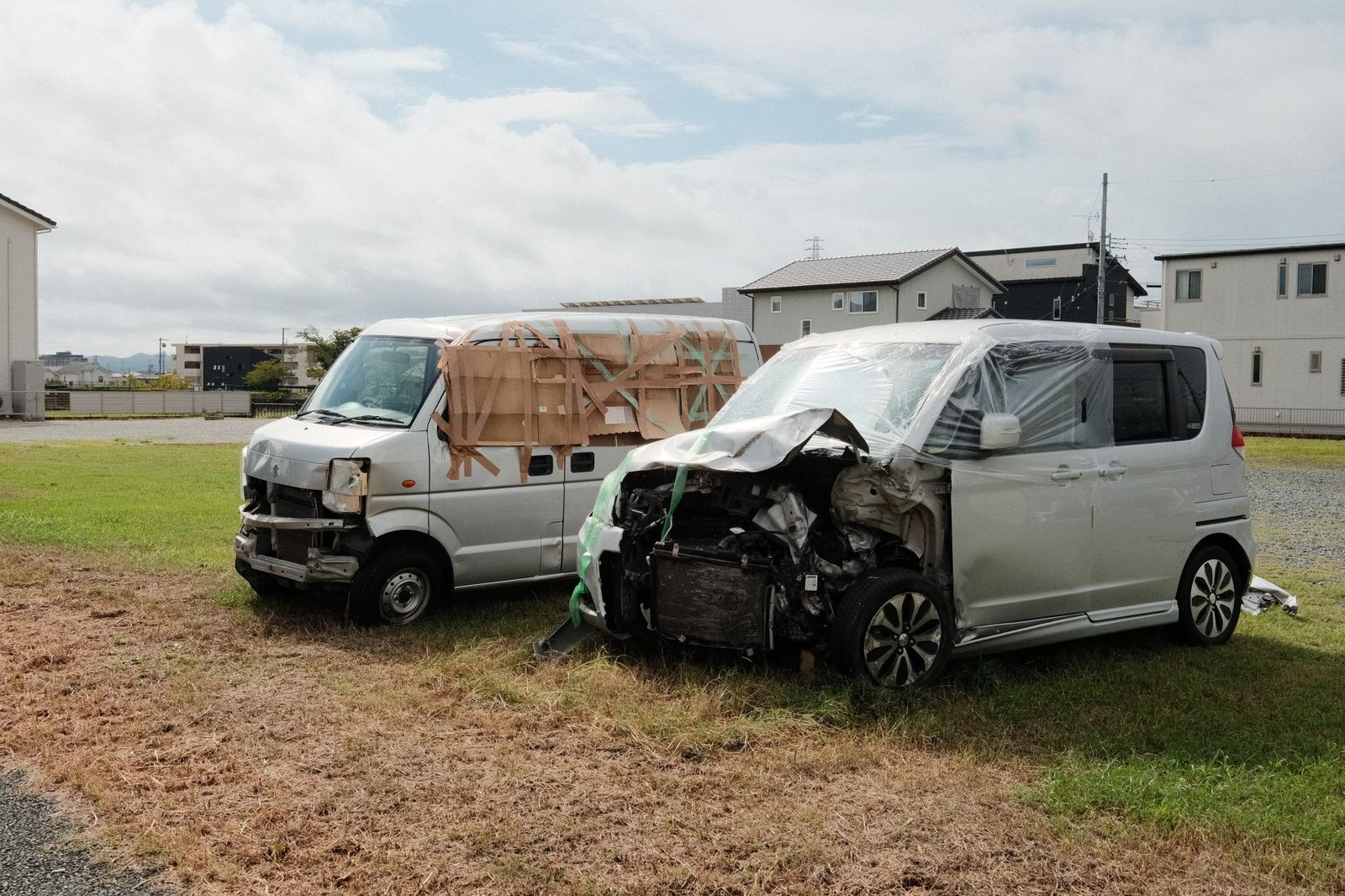
Car Accident Injury Claims
What Is a Fair Settlement for a Child Injured in a Car Accident?
Understanding how damages are calculated when a child is hurt in a crash—and what your family may be entitled to recover.
By CHG Lawyers · Published September 13, 2026
Child Disc Injury Car Accident Settlement: What You Need to Know
Settlement value for a child with a disc injury depends on injury severity, medical costs, recovery time, and permanent damage. There’s no fixed formula—each case is unique. Disc injuries typically increase settlement amounts because they require ongoing specialist care and long-term treatment.
This page explains how disc injuries affect settlement value, what factors matter most, and why rushing to settle before understanding your child’s full injury often results in a lower payout.
Not sure what your next step is?
Talk it through with our team — the first consultation is free, confidential, and carries no obligation.
What Are Herniated and Bulging Discs?
Your spine consists of bones (vertebrae) stacked on top of each other. Cushioning discs sit between them.
A bulging disc pushes outward without rupturing. A herniated disc ruptures. The inner material leaks out and presses on nearby nerves.
Car accidents cause disc injuries through sudden impact, whiplash, compression, and twisting. Even moderate-speed collisions can injure discs, especially in children whose spines are still developing.
Why disc injuries matter to your settlement: They’re often invisible at first. A child might feel fine right after the crash. Then pain, numbness, or weakness develops days or weeks later. Once diagnosed through MRI or CT imaging, disc injuries may require specialist care. Your child may see orthopedic surgeons, neurologists, and physical therapists. Treatment often takes months or years. That means higher medical bills and stronger evidence of pain and suffering—both increase settlement value.
For children, disc injuries carry extra weight. A child’s spine is still growing. An injury now can affect mobility, posture, and function for decades. That long-term impact is factored into settlement calculations.
How Settlement Value Is Determined for a Child’s Disc Injury
There is no average settlement amount that applies to your situation. Settlement value depends on:
- The severity of the disc injury: partial tear, full herniation, or nerve compression each carry different costs and consequences.
- Medical treatment and costs: imaging, specialist visits, physical therapy, injections, surgery, and ongoing pain management.
- How long recovery takes: a disc that heals in months is valued differently than one causing permanent pain or disability.
- Lost income or earning potential: for children, reduced future earning capacity if the injury affects their ability to work.
- Liability: was the other driver clearly at fault, or is fault shared? Clear liability supports a higher settlement.
- Insurance coverage: the at-fault driver’s policy limits may cap what you can recover.
Disc injuries typically increase settlement value because they require months or years of treatment. A child’s claim may also be valued higher because of longer life expectancy and greater impact on future earning potential.
Don’t assume a specific number applies to you. Settlements for disc injuries range widely. What matters is understanding the factors that determine value in your specific case.
Economic Damages: Medical Bills and Lost Income
Economic damages are the measurable costs of the injury.
Past medical expenses include emergency room visits, imaging (MRI, CT scan), specialist consultations, physical therapy sessions, injections, and any surgery. For a disc injury, these costs add up quickly.
Future medical expenses are often the larger number. A child with a herniated disc may need ongoing physical therapy, pain management visits, specialist follow-ups, and imaging to monitor the disc for years. Some disc injuries require surgery later, even if conservative treatment worked initially. Your settlement should account for these predictable future costs.
Lost earning capacity for a child reflects future earning potential. If the disc injury causes chronic pain or disability that limits the types of work the child can do as an adult, that reduced earning capacity is part of the claim.
Non-Economic Damages: Pain, Suffering, and Life Impact
Non-economic damages cover pain, suffering, and how the injury disrupts daily life. Courts and insurers consider:
- How severe the pain is.
- How long it lasts (temporary vs. permanent).
- How much it disrupts daily activities, school, sports, sleep, and social life.
- Whether the pain is expected to improve or be lifelong.
A child with a herniated disc might experience chronic pain, limited mobility, inability to play sports, school absences, and emotional distress from living with pain at a young age. These impacts are real and measurable in settlement value.
More intensive medical treatment often signals more severe pain and suffering. If your child needed epidural steroid injections or facet joint injections, that’s evidence that conservative treatment alone wasn’t enough. Documented treatment progression strengthens the case for higher pain-and-suffering damages.
Learn more about how to calculate pain and suffering damages in your child’s claim.
Do Injections and Medical Treatment Increase Your Settlement?
Yes, but not automatically. Here’s how it works:
Injections show that conservative treatment was tried first. Doctors typically recommend physical therapy and anti-inflammatory medication before moving to injections. If your child needed injections, the disc injury was serious enough that basic treatment wasn’t sufficient. That’s evidence of severity.
What matters is documentation. Medical records showing the progression of treatment, imaging results confirming the disc herniation, and the doctor’s notes about pain levels and functional limitations all support a higher settlement value.
Do not skip or delay medical care to save money. This is a common mistake. Gaps in treatment suggest the injury isn’t serious, even if you’re simply trying to avoid costs. Insurers use gaps in care to argue the injury is minor. Consistent, documented treatment strengthens your claim far more than it weakens it.
Have questions about what happened?
Ask our team directly. The first conversation is free, confidential, and there is no obligation to continue.
Key Factors That Determine Settlements for Children
Several factors specific to child claims affect settlement value:
Age of the child. Younger children often receive higher settlements because they have longer life expectancy and greater impact on future earning potential. A disc injury at age 8 affects the child’s entire working life.
Severity of the disc injury. Is it a partial tear or a full herniation? Is a nerve compressed? Is the injury expected to heal or be permanent? Permanent injuries command higher settlements.
Liability. Was the other driver clearly at fault? Did they run a red light, speed, or drive recklessly? Clear liability supports a higher settlement. If liability is shared, damages are reduced by your percentage of fault under Fla. Stat. §768.81.
Insurance coverage. The at-fault driver’s policy limits cap what you can recover. A $50,000 policy limit means you can’t recover more than $50,000, regardless of the injury’s true value.
Florida law. Once a lawsuit has been filed on a child’s behalf, any settlement must be approved by the court.
Children Cannot File a Claim on Their Own
A parent or legal guardian must file the claim on the child’s behalf. You’ll act as the child’s representative throughout the process.
In Florida, a settlement for a minor often requires court approval, depending on the amount and whether a lawsuit has been filed. Once you and the insurance company agree on a settlement amount, the court’s approval may still be needed, as described above. When court approval is required, the judge reviews the settlement before it takes effect. This process takes additional time (typically several weeks to months), but it provides important legal protection.
The court may order that part of the settlement be placed in a blocked trust account until the child reaches adulthood. This protects the funds and ensures the money is used for the child’s benefit.
Court approval of a child’s settlement is required once a lawsuit has been filed. It exists to protect children from unfair settlements.
Children’s Claims and the Statute of Limitations
That’s much longer than an adult’s 2-year deadline.
Why does this matter? Disc injuries often develop or worsen over time. A child injured at age 10 might not understand the full impact of the injury until age 14 or 15. The extended timeline allows time for the injury to fully manifest and for you to understand its true long-term consequences before settling.
Do not settle quickly. Take time to get proper medical evaluation, understand the injury, and ensure the settlement accounts for long-term consequences. Working with a lawyer early protects your rights and ensures you don’t miss deadlines.
How Long Does the Average Child’s Car Accident Settlement Take?
Settlement timelines vary widely. A simple case with clear liability and minor injuries might settle in months. A complex case with a serious disc injury can take 1–3 years or longer.
Why? Because the full extent of a disc injury may not be clear immediately. Your child’s doctor needs time to diagnose the injury, try different treatments, and assess whether it’s likely to heal or cause permanent damage. Rushing to settle before that picture is clear often results in a lower payout.
Once you reach a settlement agreement, court approval adds additional time. The judge must review the settlement. The process typically takes several weeks to months.
The timeline is longer for child claims, but that’s often to your advantage. It gives you time to build a stronger case and avoid settling too soon.
Avoiding Common Mistakes That Lower Your Settlement
Parents often make mistakes that reduce settlement value:
Skipping or delaying medical care. Gaps in treatment hurt your claim. Insurers use them to argue the injury isn’t serious.
Posting about the accident on social media. Insurance companies monitor social media and use posts to challenge injury claims. Avoid posting about the accident, your injuries, or your settlement negotiations.
Accepting an early settlement offer without understanding the full scope of the injury. Disc injuries often worsen or require ongoing treatment. An early offer rarely accounts for long-term consequences.
Communicating directly with the insurance company without legal guidance. Anything you say can be used against you. Let a lawyer handle communications.
For more guidance, see our article on when to hire a personal injury attorney and medical evidence in personal injury settlements.
What Happens Next: Getting Answers About Your Child’s Disc Injury Claim
If your child was injured in a car accident and has been diagnosed with a herniated or bulging disc, you’re likely weighing medical decisions, handling insurance calls, and wondering what a fair settlement looks like. Many parents in this exact situation reach out to a personal injury lawyer to get answers specific to their child’s injury and learn what their claim might be worth.
A lawyer can review your child’s medical records, explain how Florida law protects minors in settlement negotiations, help you avoid the mistakes that lower settlements, and answer specific questions about your case. You don’t need to have all the answers before reaching out—that’s what the initial conversation is for.
If you’d like to discuss your child’s disc injury car accident claim and understand your options, contact us for a free case evaluation. We handle car accident cases involving disc injuries and other serious injuries for children and adults throughout Florida.

Want to know where you stand?
Tell us what happened and our team will walk you through the options available to you, at no cost.
Frequently Asked Questions
How is a herniated disc different from a bulging disc?
A bulging disc pushes outward without rupturing. A herniated disc ruptures and leaks inner material that can press on nerves, typically causing more pain and requiring more treatment.
Can a child’s age affect the settlement amount?
Yes. Younger children often receive higher settlements because of longer life expectancy and greater impact on future earning potential.
What happens if the at-fault driver’s insurance policy limits are too low?
You may be able to pursue an underinsured motorist claim under your own insurance policy. This can cover damages beyond the at-fault driver’s policy limits.
How long does it take for a disc injury to heal after a car accident?
It varies. Some disc injuries heal with physical therapy in a few months. Others cause chronic pain or require surgery and take years to resolve—or never fully resolve.
Do I need a lawyer to settle my child’s car accident claim?
You’re not required to hire a lawyer. But once a lawsuit has been filed, any settlement for a minor in Florida must be approved by a court. A lawyer can help ensure the settlement is fair and navigate the court approval process.
Key Factors That Affect a Child's Settlement
Age and Life Expectancy
Younger children typically receive higher settlements because they have more years ahead of them. Lifetime medical care, lost earning potential, and long-term pain and suffering are all calculated over decades.
Severity of Injury
A minor bruise settles differently than a spinal cord injury, traumatic brain injury, or amputation. Permanent injuries that affect a child's ability to work, learn, or live independently command significantly larger awards.
Medical Expenses and Future Care
Settlements include past medical bills, surgery, therapy, and ongoing treatment. For serious injuries, they also cover future medical needs—sometimes decades of specialized care, equipment, and support.
Lost Quality of Life
Compensation reflects pain, suffering, emotional trauma, and lost childhood experiences. A child who cannot play sports, attend school normally, or pursue their dreams due to an injury has a stronger claim for these damages.
Why the Driver's Insurance Company Will Fight Your Claim
They Minimize Child Injuries
Insurance adjusters often claim a child will 'bounce back' or that injuries are less serious than they are. They use this to offer far less than the case is worth.
They Exploit Parental Uncertainty
Parents may not know what a fair settlement looks like or what their child's lifetime needs will cost. Adjusters count on this to settle quickly and cheaply.
They Dispute Liability or Causation
The at-fault driver's insurer may argue the crash wasn't their client's fault, or that the child's injuries came from something else—delaying or denying payment.
They Rush Settlement Talks
Early settlement offers are almost always low. Adjusters pressure families to accept before the full extent of injuries becomes clear.
Do Not Accept the First Offer
Insurance companies routinely offer far less than a child's claim is worth, especially in the first weeks after a crash. A low initial offer does not reflect the true cost of your child's injuries, medical care, or future needs. Before you respond to any settlement proposal, talk to a lawyer who focuses exclusively on serious injury claims.
Steps to Protect Your Child's Claim
Document Everything
Keep all medical records, bills, test results, photos of injuries, and notes on how the crash affected your child's daily life, school, and activities.
Do Not Settle Quickly
Full injuries may not appear for weeks or months. Allow time for diagnosis and medical evaluation before agreeing to any settlement.
Get Independent Medical Evaluation
Have your child examined by medical professionals who can document injuries, predict long-term effects, and estimate lifetime care costs.
Consult a Lawyer Before Talking to Insurance
Anything you say to an adjuster can be used against your claim. A lawyer protects your family's rights and handles all communication with the insurance company.
How CHG Personal Injury Lawyers Helps Families
We Handle the Insurance Company
We negotiate with adjusters, challenge lowball offers, and fight for fair compensation so you can focus on your child's recovery.
We Calculate True Lifetime Costs
We work with medical professionals and economists to determine what your child's care, lost opportunities, and pain and suffering are actually worth.
We Have Experience With Serious Child Injuries
Our practice focuses on catastrophic and serious personal injury claims. We understand how courts and juries value child injury cases.
No Attorney’s Fees Unless There Is a Recovery
We work on contingency. You pay nothing upfront, and we only collect a fee if we recover compensation for your family.