
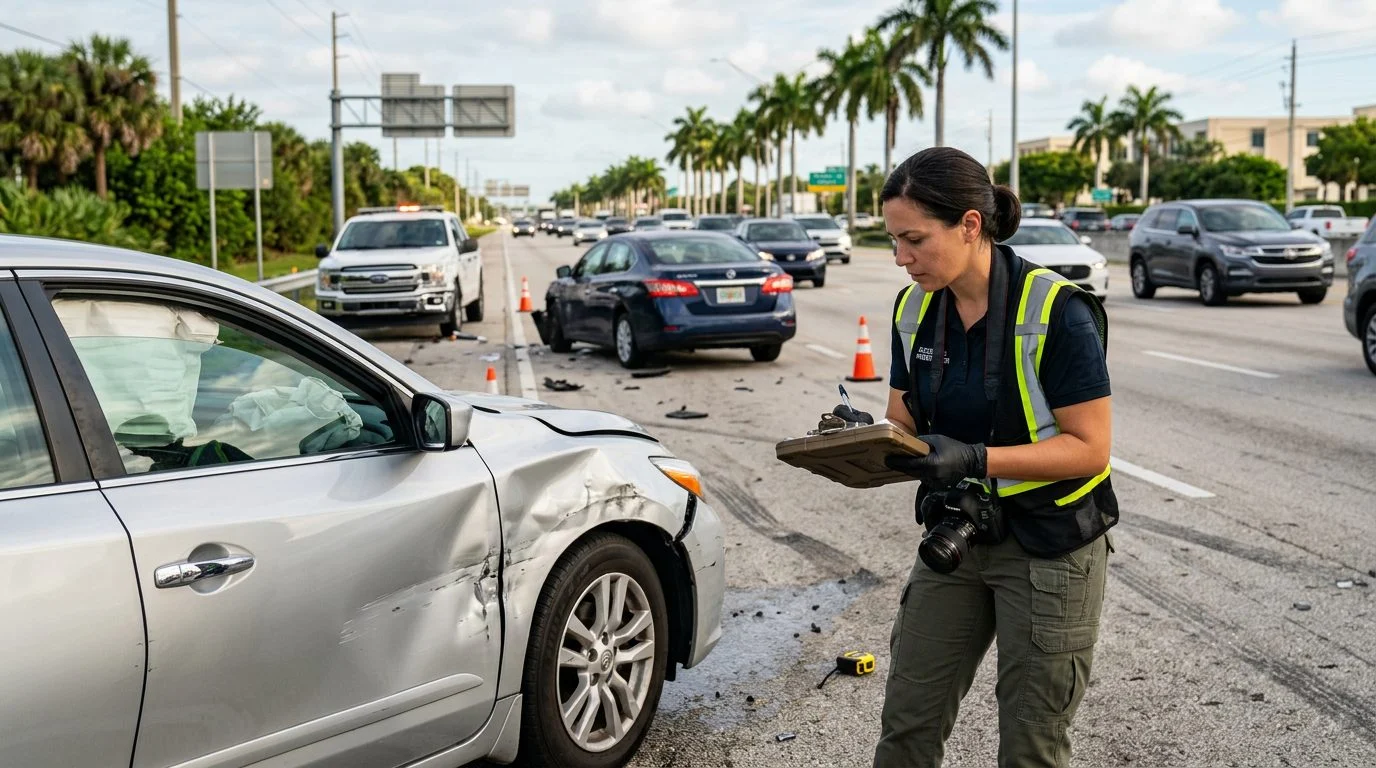
Florida Car Crash Injuries
Hurt in a Florida Car Crash? Your Health Comes First, and So Does Your Claim
Some injuries show up days or weeks after a collision. Here is how to protect your health, your records, and your rights while you decide your next step.
By CHG Lawyers · Published November 23, 2026
Does Florida Allow Diminished Value Claims?
Your car is fixed, the shop has signed off, and yet it still feels like something was lost in the crash. Many Florida drivers notice this when they try to sell or trade in a vehicle with an accident on its record.
Florida may allow a claim for that lost value, known as diminished value. Whether a claim works in your case depends on the facts, including who caused the crash, how the vehicle was damaged, and how the loss can be proven. This guide walks through each piece in plain language.
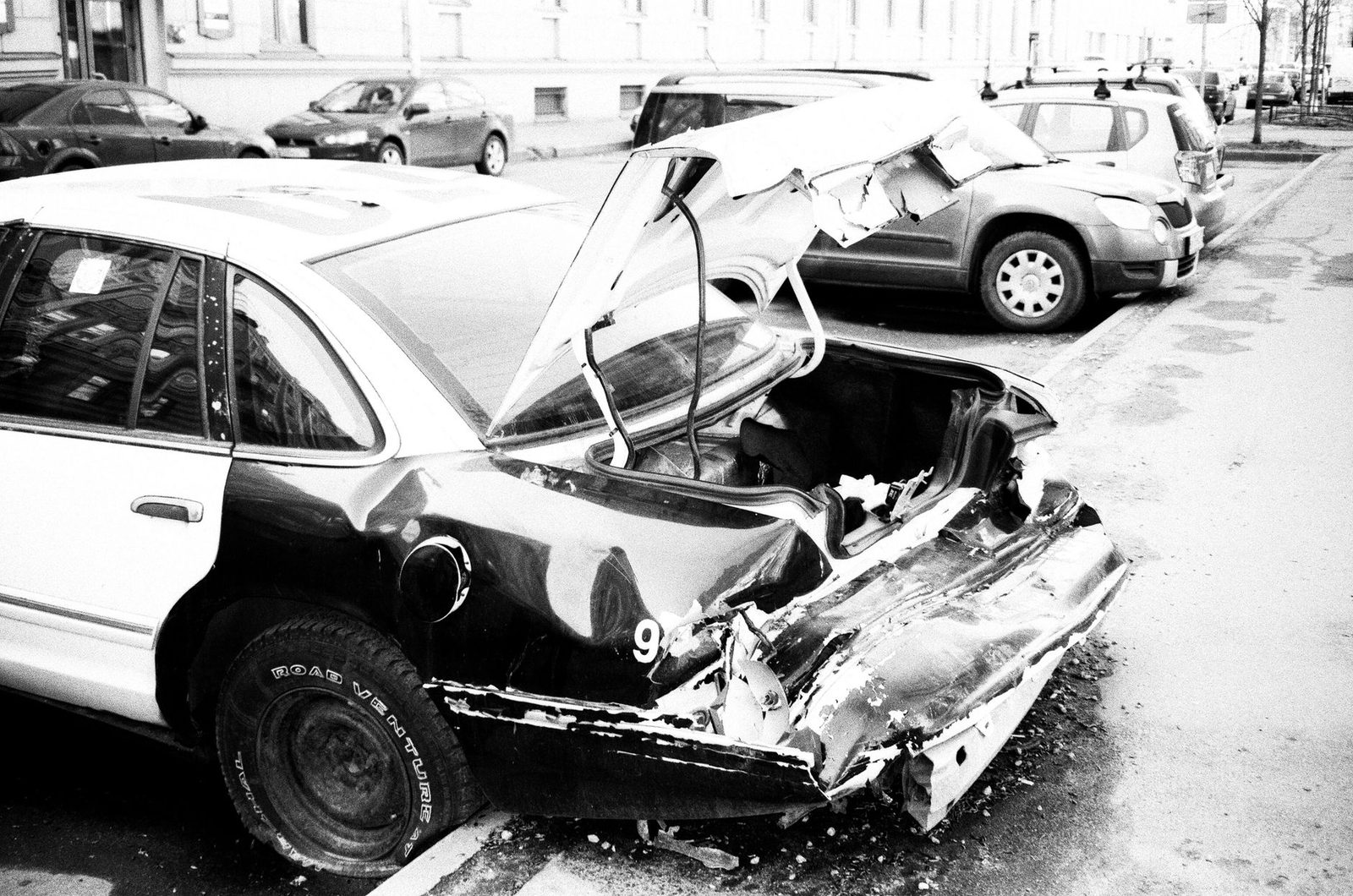
Florida May Allow a Diminished Value Claim in Some Cases
In Florida, these claims are usually presented to the insurer of the driver who caused the crash. That driver’s coverage matters. Florida law requires owners and operators of registered vehicles to maintain the ability to respond in damages in the amount of $10,000 because of damage to, or destruction of, property of others in any one crash, under § 324.022. Many crashes cause more damage than that, so the other driver’s limits are an early question.
Two things shape a claim. The first is fault: who caused the crash, and what happened before it. The second is value: how much the vehicle actually lost. Fault is usually shown through the crash facts and the police report. Value is usually shown through records and appraisals. A claim with clear fault and a solid paper trail is easier to present than one with neither.
What Diminished Value Means in Plain Terms
Diminished value is the gap between what a buyer would pay for your vehicle before the crash and what they would pay after it, even when the repair was done well. Think of it as the mark a crash leaves on a car’s history. Two kinds come up most often.
Inherent diminished value comes from the accident history itself. Buyers may pay less for any vehicle with a crash on its record, even if the repair was correct and the car runs like new.
Repair-related diminished value comes from the damage and the repair work. Structural damage, frame work, or replaced parts can lower a vehicle’s value in the eyes of a buyer or an appraiser. Some claims rest on one kind, and some rest on both, depending on what the damage was.
Repair costs are a separate item. The repair bill pays the shop to fix the vehicle. A diminished value claim seeks the loss that remains after that work is finished. Keeping these two apart makes it easier to read an estimate or an insurer’s letter.
How Florida Handles Diminished Value Against the At-Fault Driver’s Insurer
A diminished value claim is most often made against the at-fault driver’s insurer, as part of the property damage side of the case. The owner may seek the difference between the vehicle’s value before the crash and its value after repair. Insurers often run their own valuation, so the two numbers may not match at first.
A dispute over value is a normal part of this process. It helps to ask for the basis of any figure in writing. You can also request the coverage information in writing. Under § 627.4137, an insurer that may provide liability coverage must provide a sworn statement within 30 days of a claimant’s written request. For each known policy, including excess or umbrella coverage, that statement includes the insurer’s name, each insured’s name, the policy limits, any policy or coverage defense the insurer reasonably believes it has, and a copy of the policy.
For a broader look at how these cases move from crash to resolution, read our guide to Florida car accident settlements.
Why Your Own Policy May Not Pay for Vehicle Value Loss
Your own coverage may not treat lost value the same way it treats repairs. That is one reason the claim often goes to the other driver’s insurer instead. Personal injury protection (PIP) is tied to injuries and medical care, not to the value of a vehicle. So PIP is not the usual source for a diminished value payment.
Collision coverage on your own policy generally addresses repair or replacement of your vehicle. Its terms decide what it covers, so read the policy carefully. Look for language about the vehicle’s value after repair, and note any limits or exclusions.
This difference can leave a gap. You may have repaired your car under collision coverage and still carry a loss in value that your own policy does not address. A claim against the at-fault driver’s insurer may be the route for that gap. Fault, valuation, and policy limits all shape how that route works.
How Fault Affects What You Can Recover: The 51% Rule
People often call this the 51% rule. The statute says it in its own words: “any party found to be greater than 50 percent at fault for his or her own harm may not recover any damages,” in a negligence action, though this subsection does not apply to an action for damages for personal injury or wrongful death arising out of medical negligence pursuant to chapter 766 (§ 768.81).
Below that line, recovery is reduced, not barred. The statute says shared fault “diminishes proportionately” the amount awarded. A driver who shares some blame may still have a claim, with the award lowered by their share. Under ch. 2023-15, this rule applies to causes of action filed after March 24, 2023, regardless of when they arose.
Fault disputes often reach property damage claims, including diminished value, as well as injury claims. An insurer may argue that you share the blame, and that argument can change the numbers. For this reason, the crash facts matter from the first day.
Evidence That Supports a Diminished Value Claim
The strongest claims rest on a clear paper trail. That trail shows the car’s condition before the crash and what the repair involved. Start with the crash report. Crash reports can be made available to the parties, their legal representatives, and their insurers.
Gather photos of the vehicle before and after repair. Keep the repair estimates, final invoices, and any records of prior damage. Maintenance records help show the car’s condition before the crash.
Vehicle details shape any valuation. The year, make, model, trim level, mileage, and maintenance history all matter to a buyer and to an appraiser. Write these down now while they are easy to find.
Appraisals are another tool. A pre-accident market value report and a post-repair valuation, prepared by qualified appraisers, give the claim team a basis to review. The more complete the file, the easier it is to test an insurer’s numbers. Keep every communication with insurers in writing, and keep copies of everything you send.
Can an Insurance Company Deny a Diminished Value Claim?
Yes, an insurer can dispute or deny a diminished value claim. Common reasons include disputed fault, a position that the vehicle’s value was not affected, or a valuation the insurer considers too high. A denial letter is a starting point, not the final word.
Read the letter closely. Compare each stated reason with your records. Note any deadlines the letter mentions, and respond in writing. If the reason is a valuation dispute, a post-repair appraisal may answer it. If fault is in question, the crash report and any witness information become central.
At this stage, many people take the letter to a lawyer for review before they respond. That step can help you see which reasons the file supports and which ones it does not.
Can I Submit a Diminished Value Claim, and When Should I Act?
You can usually submit a diminished value claim to the at-fault driver’s insurer once fault and the repair are documented. Work through the steps in order:
- Document the vehicle before repair with photos, mileage, and records.
- Collect repair estimates, final invoices, and any appraisals.
- Request the insurer’s coverage information in writing.
- Submit the claim in writing, with supporting records attached.
- Answer valuation requests in writing, and keep copies of everything.
Florida sets filing deadlines in § 95.11. The 2023 changes in ch. 2023-15 apply to causes of action filed after March 24, 2023. Because the dates matter, raise the question early rather than waiting.
Filing a claim does not mean you will receive a set amount. Each claim turns on its own facts, its own fault picture, and its own proof of value.

Key Takeaways and Talking With Our Team About Your Vehicle Claim
Florida may allow a diminished value claim in some cases, most often against the at-fault driver’s insurer. Your own PIP coverage is generally not the source. Fault and the 51% rule matter, and written records drive the claim.
You may be holding a repair estimate, an insurer’s letter, or a crash file a family member handed you, and weighing your next step. That is a hard place to be, and you don’t have to sort it out alone.
Frequently Asked Questions
How does Florida’s comparative fault rule work?
Florida’s comparative fault statute, Fla. Stat. § 768.81, provides that in a negligence action to which the section applies, any party found more than 50 percent at fault for their own harm may not recover any damages. The section has exceptions. Its greater-percentage-of-fault bar does not apply to an action for personal injury or wrongful death arising out of medical negligence under chapter 766, and the section does not apply to any action based upon an intentional tort.
Does my own policy pay for diminished value?
PIP is tied to injuries, not vehicle value. Collision coverage generally addresses repairs or replacement, so read its terms.
Can an insurance company deny a diminished value claim?
Yes, an insurer can dispute or deny one, so read any denial letter closely and respond in writing.
Igor Hernandez is the responsible lawyer for this page. CHG Personal Injury Lawyers is a Florida-based firm, and CHG charges no attorney’s fees and no case costs unless there is a recovery.
If a repair estimate or an insurer’s letter has you wondering how much value your car lost, our team can review your situation with you in a free, confidential consultation.
How CHG Personal Injury Lawyers Can Help
Attorneys Admitted to The Florida Bar
Our licensed attorneys represent people hurt in car crashes and other accidents across Florida, from everyday collisions to serious, life-altering injuries.
Focus on the Person, Not Just the Crash
We look at how your injuries affect your work, your family, and your daily life, and we keep you informed at every stage.
Clear Answers in Plain Language
We explain the process step by step so you understand what is happening and what questions to ask.
A Free, Confidential Consultation
The initial consultation is free, confidential, and without obligation to continue.
Follow Your Doctor's Care
Neck, back, and head injuries may not cause obvious symptoms right away. Get checked by a medical professional as soon as you can, follow your doctors' treatment plan, and keep copies of every visit. This page is general information, not medical advice.
Steps to Take After a Crash
Get Medical Care
Even if you feel fine, a medical evaluation creates a record of your condition and helps your doctors catch injuries that develop over time.
Document the Scene
Take photos of the vehicles, the road, and any visible injuries. Write down witness names and contact information while you still remember the details.
Keep Every Record
Save medical bills, prescriptions, pay stubs, and notes about missed work. These records show how the crash has affected your life.
Be Careful With Insurers
An insurance adjuster may contact you quickly. You can speak with a lawyer before giving a recorded statement or signing anything.
Hurt in a crash?
Talk with our team about your injuries and your options.