

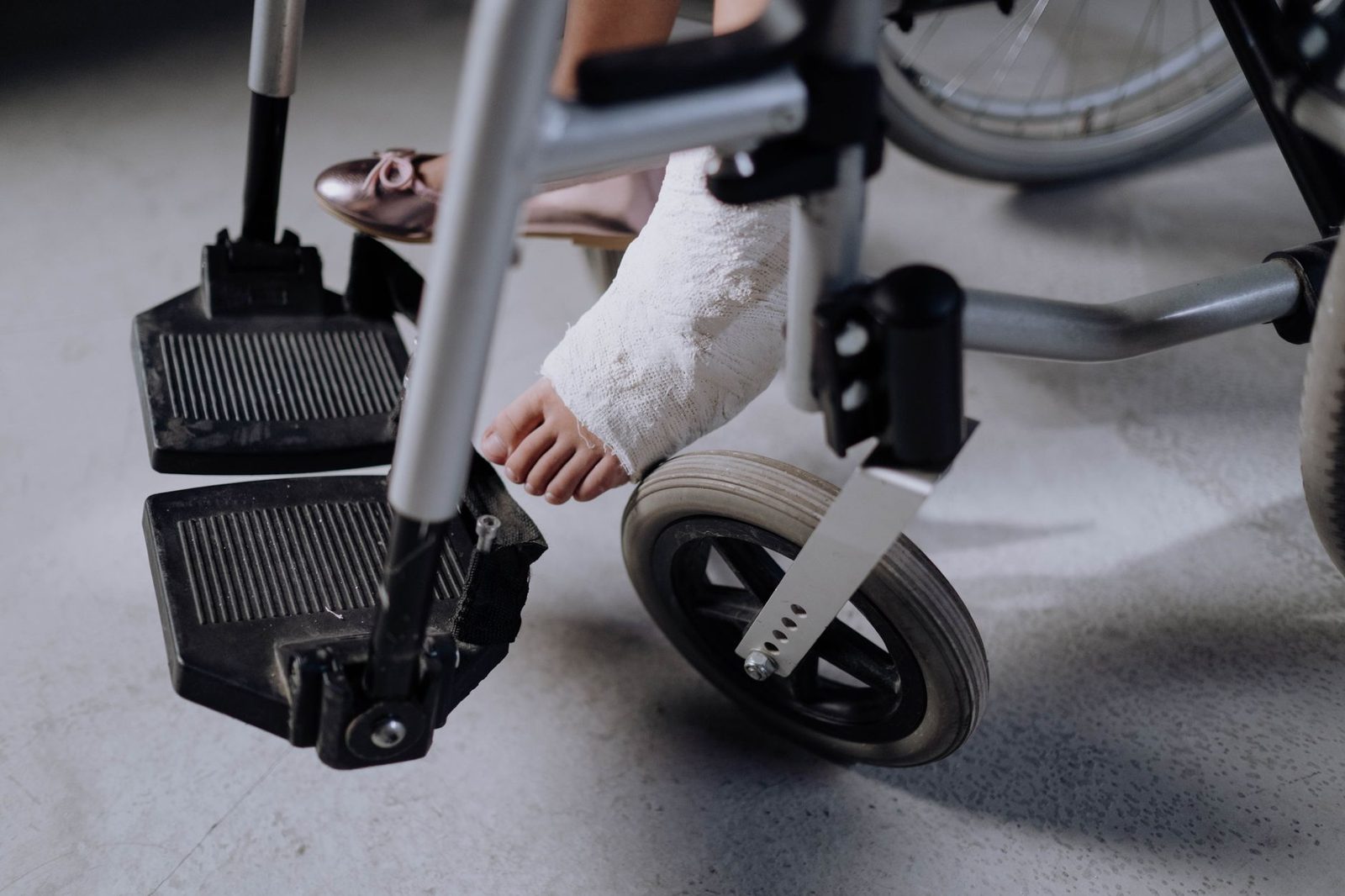
Broken Bones & Serious Injury
Does a Broken Bone Count as a Serious Injury in Florida?
Understand when a fracture becomes a claim—and what you may be owed.
By CHG Lawyers · Published September 13, 2026
Is a Broken Bone a Serious Injury in Florida? Legal Definition & Your Rights
A broken bone is not automatically a serious injury under Florida law. In a Florida car accident claim, Fla. Stat. § 627.737(2) lists the permanent-injury thresholds: a significant and permanent loss of an important bodily function; a permanent injury within a reasonable degree of medical probability, other than scarring or disfigurement; significant and permanent scarring or disfigurement; or death. This matters for your insurance claim value, settlement talks, and legal liability. Insurance companies may still downplay a broken bone, so it helps to understand how these thresholds apply to your claim.
Not sure what your next step is?
Talk it through with our team — the first consultation is free, confidential, and carries no obligation.
Why Broken Bones Are Serious in Florida Personal Injury Claims
A broken bone is not a minor injury. Fractures need professional medical care, cause real pain and loss of movement, and often lead to lasting problems. What makes a fracture serious in legal and insurance terms depends on which bone broke, the type of break, the treatment needed, how long recovery takes, and whether permanent damage results.
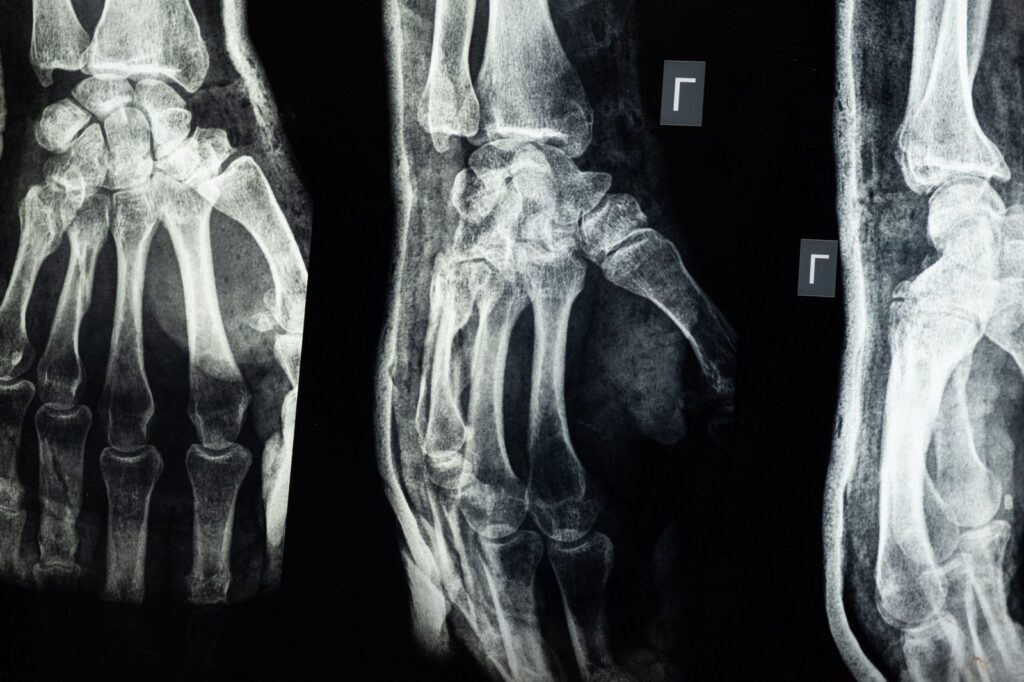
A broken collarbone and a shattered thighbone are both serious. But they have very different consequences. Insurance companies and courts look closely at medical evidence. This is why complete medical records—X-rays, CT scans, surgery records, and doctor reports—matter so much. They prove how serious your injury really is and protect what your claim is worth.
Common Bone Fractures From Car Accidents
Different bones break in different ways based on crash force and impact angle. Here are the most common serious fractures from vehicle crashes:
Ribs: Front or side-impact crashes often break ribs. Rib fractures may seem simple, but they can puncture lungs or damage organs inside, making them dangerous. Rib fractures usually heal in 3–6 weeks but can cause ongoing pain if problems develop.
Femur (thighbone): The largest bone in the body, femur fractures are severe. They risk life-threatening blood loss, usually need surgery, and often cause permanent movement problems or disability. Recovery typically takes 3–6 months, and many people have lasting weakness or chronic pain.
Pelvis: Pelvic fractures happen in serious crashes. They risk internal bleeding, organ damage, and long-term problems affecting movement and quality of life. Treatment ranges from rest to surgery, with recovery often taking several months.
Spine (vertebrae): Spinal fractures can cause chronic pain, nerve damage, or paralysis—some of the worst bone injuries. Even “minor” spinal fractures can cause lasting pain and reduced function. Some spinal injuries result in permanent disability that affects work and daily life.
Arm and leg bones: These range from moderate to serious injuries depending on fracture type and treatment. Fractures at joints often cause permanent stiffness or reduced movement, affecting your ability to work or do daily tasks.
The Three Most Serious Bone Fractures
Femur (thighbone): Femur fractures are life-threatening because of blood loss risk. They usually need surgery and often cause permanent walking problems or disability. Recovery is long—typically 3–6 months without movement, then months of physical therapy. Blood clots or infection are common. Many people never fully recover.
Spine (vertebrae): Spinal fractures can cause paralysis, chronic pain, nerve damage, and permanent loss of function—catastrophic outcomes that change a person’s life forever. A fracture in the neck (cervical) or mid-back (thoracic) area carries the highest paralysis risk.
Pelvis: Pelvic fractures risk internal bleeding, organ damage, and long-term problems affecting movement and quality of life. Recovery is slow—often 2–3 months before you can bear weight. Many people have chronic pain or reduced movement even after healing.
Have questions about what happened?
Ask our team directly. The first conversation is free, confidential, and there is no obligation to continue.
Types of Bone Fractures and Their Legal Severity
Not all fractures are the same. Medical and legal severity depends on fracture type:
Simple (closed) fractures: The bone breaks but does not pierce the skin. Generally less complicated than open fractures, but still serious and needing professional care and imaging.
Compound (open) fractures: The bone breaks through the skin, creating an open wound. High infection risk and more complex treatment make these more serious than simple fractures. Open fractures often need surgical cleaning and antibiotics.
Comminuted fractures: The bone shatters into three or more pieces. These usually need surgery and often cause permanent damage or reduced function. Comminuted fractures at joints are especially likely to cause lasting problems.
Displaced fractures: The bone pieces are out of line. Usually needs surgery to realign the bone. These carry higher risk of permanent damage, chronic pain, or arthritis.
Pain, Recovery, and Permanent Damage
Pain right after a fracture is usually severe and sharp. Swelling, bruising, and inability to move the injured area are common. During healing (weeks to months), pain gradually gets better but may stay significant, especially with movement or weight-bearing.
Some fractures, especially complex breaks or those at joints, cause long-term or permanent pain even after the bone heals. Pain level varies by bone type, fracture severity, personal pain tolerance, and whether problems develop during recovery.
Many simple fractures heal completely with proper care and physical therapy. However, complex fractures—especially those at joints—often cause permanent stiffness, reduced movement, chronic pain, or weakness even after the bone heals. This permanent damage is why broken bones often result in higher settlement values than soft-tissue injuries.
Recovery time varies: simple fractures may heal in 6–8 weeks, while complex fractures can take months to years. Recovery depends on age, overall health, fracture location and type, treatment quality, and how well you follow physical therapy.
Why Medical Records Matter to Your Claim
Insurance companies decide claim value based on objective medical evidence. X-rays, CT scans, MRI imaging, surgery records, and doctor reports prove your injury’s severity and support fair compensation. Without complete records, insurers may argue your fracture is less serious than it really is.
Your medical records should include:
- Initial imaging (X-rays, CT scans) showing fracture location, type, and severity
- Surgery records if you had surgery
- Doctor notes documenting pain level, movement limits, and functional loss
- Physical therapy records showing recovery progress and any permanent limits
- Ongoing treatment records if you continue having pain or problems months or years after the accident
- Work records showing lost wages or inability to do your job
Insurance adjusters review this evidence to calculate settlement value. The more complete and detailed your medical records, the stronger your position in negotiations.
Want to know where you stand?
Tell us what happened and our team will walk you through the options available to you, at no cost.
What to Do Right After a Broken Bone From a Car Accident
Get medical care immediately: Get a full evaluation and imaging (X-rays, CT scans) to document the fracture and check for other injuries. Early documentation is critical.
Follow your doctor’s plan: Stick with your medical care—it strengthens your claim and helps your recovery. Keep every appointment and follow prescribed physical therapy.
Document everything: Keep medical records, bills, imaging, treatment notes, and records of lost work and daily-life impacts. Take photos of visible injuries and swelling. Write down how the injury affects your daily activities.
Report the accident: Tell your insurance company and the other driver’s insurer, but avoid detailed statements without legal guidance. Stick to facts.
Do not accept an early settlement: Insurance companies often undervalue broken-bone claims. Understanding your injury’s true impact takes time and medical evidence. Permanent damage, chronic pain, and lost earning capacity may not show up for weeks or months.
Preserve evidence: Keep accident scene photos, witness contact information, police reports, and any communications with the other driver or their insurance company.
Talk to a personal injury attorney: An experienced lawyer can evaluate your claim, negotiate with insurers, and protect your rights.
When a Broken Bone Becomes Catastrophic
Some broken bones become catastrophic injuries. Spinal fractures causing paralysis or permanent nerve damage are catastrophic and change a person’s life forever. Femur fractures with serious problems (blood clots, infection, permanent movement loss) can be catastrophic. Multiple fractures from high-impact crashes, especially combined with other injuries like traumatic brain injury or internal bleeding, create catastrophic outcomes.
Fractures in elderly or medically fragile people may have catastrophic consequences even if the fracture itself is not complex. Catastrophic injuries warrant significantly higher settlement values and often need long-term care planning and specialized legal guidance.
Frequently Asked Questions
How long do I have to file a broken-bone claim in Florida?
For most Florida negligence and personal-injury claims, the deadline to file a lawsuit is two years from the date of injury. Don’t wait—contact an attorney early to protect your rights and gather evidence.
Can I recover if I was partly at fault for the accident?
Florida follows modified comparative fault: a claimant found more than 50% at fault generally recovers nothing. At 50% or less, damages are reduced by your share of fault. An attorney can help determine fault and protect your recovery.
What if my broken bone heals but I have permanent pain or reduced function?
Permanent pain and reduced function increase claim value significantly. Medical evidence documenting chronic pain, reduced movement, ongoing treatment, or inability to return to work supports higher compensation. Ongoing medical records prove the injury’s lasting impact.
How much is a broken bone worth in a settlement?
Settlement value varies based on the bone, fracture severity, treatment needed, permanent damage, lost wages, and impact on quality of life. There is no fixed amount—each case is unique. A simple collarbone fracture may settle for less than a femur fracture needing surgery and causing permanent disability.
If you’ve broken a bone in a car crash or accident and you’re unsure whether you have a claim or what your injury is worth, reach out to discuss your situation. People in your position contact us regularly to understand what happened, review their medical records, and explore their legal options.
When a Broken Bone Becomes a Legal Claim
Severity Matters
A simple fracture that heals cleanly may be treated differently than a compound fracture, multiple breaks, or a break that requires surgery, pins, or plates. The more invasive the treatment and the longer the recovery, the stronger your claim.
Impact on Your Life
If the break caused you to miss work, undergo surgery, need ongoing physical therapy, or face permanent weakness or scarring, that damage counts. Courts and insurers look at medical bills, lost wages, and lasting effects.
How It Happened
A broken bone caused by someone else's negligence—a truck crash, a fall on an unsafe property, a slip in a business, or a violent attack on inadequately secured premises—can support a personal-injury claim.
Liability Is Key
You must show that another person or business was at fault. That might be a negligent driver, a property owner who failed to maintain safe conditions, or a business that did not provide adequate security.
Time Is Critical
In Florida, there is a time limit to file a lawsuit for a broken bone or other personal-injury claim. The sooner you contact an attorney, the sooner evidence can be gathered and your rights protected. Don't delay.
Why CHG Personal Injury Lawyers Handles Broken-Bone Claims
We Focus on Serious Injury
From everyday fractures to catastrophic breaks that alter your life, we focus exclusively on personal-injury cases. We understand how broken bones affect your body, your work, and your future.
We Handle the Paperwork
Insurance claims, medical records, settlement negotiations—we manage the legal and administrative burden so you can focus on healing.
Free Consultation, No Attorney’s Fees Unless There Is a Recovery
You pay nothing upfront. We only collect a fee if there is a recovery. That means we are invested in your case from the start.
Florida-Based, Serving Florida
Based in Florida and licensed to practice here, we take broken-bone and serious-injury cases throughout Florida. Wherever in Florida your accident happened, we can help.
Common Questions About Broken-Bone Claims
How much is my broken-bone claim worth?
Value depends on the severity of the fracture, the cost of treatment, how long you were unable to work, and whether there are lasting effects. An attorney can review your medical records and circumstances to give you a realistic picture.
What if I was partly at fault?
Florida law allows you to recover even if you share some responsibility for the accident. Your recovery is reduced by your percentage of fault, but you may still have a claim.
Do I need a lawyer for a broken-bone case?
You are not required to hire one, but an attorney protects your rights, negotiates with insurers, and ensures you understand your options.
What types of accidents cause broken-bone claims?
Truck crashes, car accidents, motorcycle accidents, falls on unsafe property, assaults on inadequately secured premises, construction-zone accidents, slip-and-fall incidents, and many others. If negligence caused your fracture, you may have a claim.