

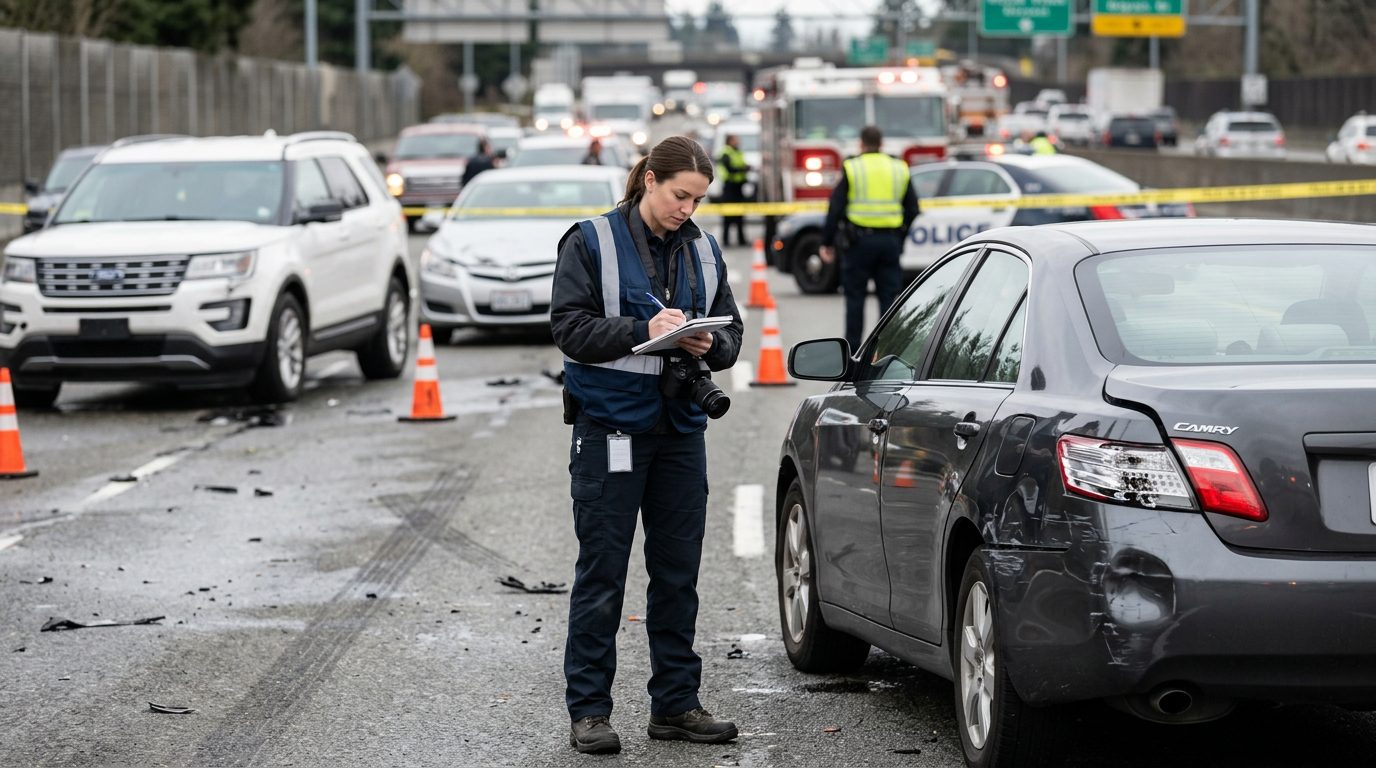
Car Accident Injuries
Can Car Accidents Cause PTSD? Symptoms & Legal Options
A crash can leave invisible wounds. Learn how trauma after a car accident is recognized, treated, and compensated—and what you can do next.
By CHG Lawyers · Published September 29, 2026
Can Car Accidents Cause PTSD? Symptoms, Recovery, and Your Legal Rights in Florida
Yes, car accidents can cause PTSD. PTSD is a diagnosable mental-health condition recognized by the DSM-5 that develops after a traumatic event. Research published in the National Center for Biotechnology Information shows that motor vehicle accidents are among the leading causes of PTSD in the general population.
PTSD after a crash is not weakness. It’s a measurable change in brain function and how your nervous system works—a normal response to an abnormal, frightening event that your body struggles to process.
Here’s what often surprises people: PTSD severity has little to do with how bad the crash was. Some people develop PTSD after a low-speed fender-bender. Others walk away from severe, multi-vehicle collisions without it. What matters is how your brain and body perceive the threat—not the damage to the vehicle.
Not sure what your next step is?
Talk it through with our team — the first consultation is free, confidential, and carries no obligation.
Car accidents are a leading cause of PTSD
When your brain registers a crash as life-threatening, your nervous system activates a protective response. After the physical danger passes, that system sometimes stays locked in high alert. This is PTSD.
The condition is not rare. According to peer-reviewed research, civilians who experience motor vehicle accidents have a measurable risk of developing PTSD. The condition is not your fault. The accident triggered neurological and physiological changes—altered activity in brain regions responsible for fear processing, memory, and emotional regulation—that your mind and body are struggling to recalibrate.
Psychological injury is real injury. Brain imaging studies confirm that people with PTSD have measurable differences in brain activity compared to those without the condition. This is why PTSD symptoms feel overwhelming and why they typically don’t respond to willpower or “just getting over it.”
What PTSD from a car accident looks like
PTSD manifests differently in different people. The core pattern involves reliving the accident, avoiding reminders of it, and persistent hypervigilance—a state of high alert your nervous system won’t turn off.
Flashbacks can be vivid enough that your body reacts as if the crash is happening right now. Your heart races, you sweat, panic floods through you—even though you’re physically safe. You might smell burning rubber or hear screeching tires and instantly be transported back to the moment of impact.
Avoidance takes many forms. Some people develop intense anxiety about driving and experience panic attacks at the thought of getting behind the wheel. Others avoid the location where the accident occurred, taking long detours to stay away. Still others avoid cars altogether, finding reasons not to drive or ride as a passenger.
Intrusive thoughts—unwanted, repetitive memories of the crash—pop into your mind without warning. You replay the moment of impact over and over, or fixate on details you can’t change. Nightmares about the accident are frequent; many people wake in a panic, flooded with adrenaline.
Emotional numbness often accompanies these symptoms. You might feel disconnected from people you love, lose interest in activities you once enjoyed, or struggle to feel joy or hope. Anger or irritability can emerge—sometimes directed at others, sometimes at yourself.
Common symptoms of trauma after an accident
Intrusive thoughts and flashbacks. Unwanted memories surface without warning. Flashbacks feel as real as the original event—your body responds as if the accident is happening now. Nightmares replay the crash or variations of it.
Avoidance behaviors. You refuse to drive, avoid the accident location, or steer clear of anything that reminds you of the crash—certain roads, types of vehicles, or sounds like screeching tires.
Negative changes in thinking and mood. You blame yourself or others for the accident. You feel emotionally numb or detached from loved ones. You’ve lost interest in hobbies or relationships. You feel hopeless about the future.
Hypervigilance and exaggerated startle response. You’re constantly scanning for danger. A car horn or sudden movement makes you jump. You feel unsafe even in objectively safe situations.
Sleep disturbances. Insomnia, frequent waking, or nightmares disrupt your rest. You wake exhausted, even after hours in bed.
Physical symptoms. Headaches, chest pain, dizziness, stomach problems, or muscle tension without a clear medical cause. Your body holds the trauma.
Panic and anxiety. Sudden, intense fear when triggered by reminders of the accident. Your breathing becomes shallow, your chest tightens, and a sense of doom overwhelms you.
Is anxiety after a minor car accident normal?
Yes, absolutely. Even a low-speed fender-bender can trigger anxiety, shakiness, or a racing heart. Your body’s fight-or-flight response activates because the event was sudden and unexpected—not because the damage was severe.
Most people recover naturally within days or a few weeks. Their nervous system recalibrates, confidence returns, and anxiety fades. This is a normal, healthy response to an abnormal event.
The key distinction: If anxiety persists beyond a few weeks, worsens over time, or interferes with daily life—you avoid driving, skip work, withdraw from family—it may signal PTSD or another condition requiring professional support. Normal post-accident anxiety resolves on its own. PTSD does not, without help.
Risk factors for developing PTSD after a car accident
Not everyone who experiences a car accident develops PTSD. Several factors influence who does:
Severity of the crash. Accidents with injuries, fatalities, or significant vehicle damage carry higher risk.
Personal history. Prior trauma, existing anxiety or depression, or a family history of mental-health conditions increases vulnerability.
The nature of the impact. Being trapped in the vehicle, losing consciousness, or witnessing serious injury to others raises the likelihood of PTSD.
Lack of social support. Isolation or unsupportive relationships after the accident can worsen outcomes.
Ongoing stress. Financial strain from medical bills, vehicle repair costs, legal disputes, or unresolved injury perpetuates trauma.
Have questions about what happened?
Ask our team directly. The first conversation is free, confidential, and there is no obligation to continue.
How PTSD shows up differently in children
Children often cannot articulate PTSD the way adults do. Instead, symptoms appear as behavioral changes.
Regression is common: thumb-sucking, bedwetting, or other behaviors the child had outgrown. Clinginess and separation anxiety intensify—the child refuses to be away from a parent or caregiver. Refusal to ride in cars or terror during car rides signals fear directly tied to the accident.
Sleep problems and nightmares are frequent. Some children become withdrawn and unusually quiet; others become aggressive or act out. Play becomes repetitive and accident-focused—the child re-enacts the crash over and over, trying to process what happened.
School performance may decline. The child may complain of physical symptoms—stomachaches, headaches—without a medical explanation. Teachers or caregivers may notice difficulty concentrating or emotional outbursts.
If you notice these changes in your child after a car accident, reach out to a pediatrician or child psychologist. Early intervention can prevent symptoms from deepening and help your child process the trauma in a safe, supported way.
Family members: understanding changes in the injured person
If someone you love was in a car accident and is now struggling with PTSD, their behavior may seem puzzling or frustrating. Irritability, withdrawal, or avoidance isn’t a choice or a character flaw—it’s a symptom of their nervous system trying to protect them from perceived threat.
Understanding that PTSD is a medical condition, not a personal failing, helps families respond with compassion. Professional support—therapy, support groups, or counseling—can help both the injured person and their loved ones navigate recovery together.
How long does PTSD last after a car accident?
There is no fixed timeline. For some people, symptoms fade within weeks or a few months. For others, PTSD persists for years without treatment.
Early intervention matters. Talking to a mental-health professional, joining a support group, or beginning therapy can significantly shorten duration and reduce severity. Untreated PTSD tends to persist and may worsen, especially if you continue to avoid reminders of the accident or face ongoing stressors.
With appropriate treatment—cognitive-behavioral therapy (CBT), trauma-focused therapy, or medication such as SSRIs (selective serotonin reuptake inhibitors)—most people see meaningful improvement within months. Recovery is possible, but it typically requires professional support.
When to seek professional help
If anxiety, flashbacks, or avoidance persist for more than a few weeks after the accident, reach out to a mental-health professional. If symptoms interfere with work, relationships, or daily functioning, professional support is warranted.
If you are having thoughts of self-harm or using substances to cope, seek help immediately. A therapist, counselor, or psychiatrist can assess whether you meet the DSM-5 criteria for PTSD and recommend appropriate treatment.
Your primary-care doctor can provide a referral, or you can contact a local mental-health clinic, therapist, or your insurance provider’s behavioral-health line.
Want to know where you stand?
Tell us what happened and our team will walk you through the options available to you, at no cost.
Physical injury and psychological trauma are both real
You can develop PTSD even without suffering a physical injury in the crash. The psychological threat is what triggers PTSD, not the presence of broken bones or visible wounds. Conversely, someone with a serious physical injury may or may not develop PTSD; the two do not always occur together.
Both physical and psychological injuries deserve recognition, treatment, and support. When you pursue a legal claim for a car accident, damages can include compensation for mental-health treatment, therapy, and counseling—not just medical bills for physical injuries.
If another driver’s negligence caused the accident
If another driver’s carelessness, recklessness, or violation of traffic laws caused the crash, you may have a legal claim against them.
Florida’s statute of limitations: Under Florida Statute § 95.11, the deadline to file a lawsuit for negligence is two years from the date of the accident. This means you have two years to file suit; after that deadline passes, you lose the right to pursue the claim.
What damages can include:
- Medical treatment and mental-health care (therapy, counseling, psychiatric medication)
- Lost wages due to treatment or inability to work
- Pain and suffering, including emotional distress and PTSD
- In serious cases, punitive damages if the other driver’s conduct was reckless or grossly negligent
Documenting your psychological symptoms strengthens your claim. Keep records of therapy appointments, mental-health provider notes, journal entries describing your symptoms, and any impact on your work or relationships. This documentation shows the real, ongoing impact of PTSD on your life.
Florida’s comparative-fault rule: Under Florida Statute § 768.81, if you were partially at fault for the accident, you can still recover damages—but your compensation is reduced by your percentage of fault. For example, if you were found 20% at fault and your total damages are $100,000, you would recover $80,000. An attorney who focuses on car-accident cases can help you understand whether you have a claim and what it might be worth.
Frequently Asked Questions
Can you develop PTSD from a car accident you didn’t cause?
Yes. PTSD develops in response to a traumatic event, regardless of whether you caused it. Being a passenger or an innocent driver hit by someone else’s negligence does not prevent PTSD.
What’s the difference between normal post-accident stress and PTSD?
Normal stress fades within weeks as your nervous system recovers. PTSD persists for months or longer, interferes with daily life, and often worsens without treatment. A mental-health professional can help you distinguish between the two.
How is PTSD after a car accident diagnosed?
A mental-health professional assesses your symptoms against the criteria in the DSM-5 (Diagnostic and Statistical Manual of Mental Disorders, Fifth Edition). Diagnosis requires that symptoms persist for at least one month and cause significant distress or functional impairment.
What treatments work best for PTSD after a car accident?
Cognitive-behavioral therapy (CBT) and trauma-focused therapy have strong evidence. Some people also benefit from medication, such as SSRIs. A mental-health professional can recommend the best approach for you.
Can I claim compensation for PTSD if the accident was my fault?
Possibly, but it depends on the circumstances and Florida law. An attorney can advise you based on the details of your case.
If you’ve been in a car accident and are now struggling with flashbacks, panic, intrusive thoughts, or avoidance that disrupts your life, you’re not alone—and help is available. If another driver’s negligence caused the crash, the cost of your mental-health treatment may be recoverable through a legal claim.
Contact us for a free case evaluation.
We can help you understand your rights, the two-year deadline to file, and what damages may be available to you under Florida law.
Common PTSD Symptoms After a Car Accident
Intrusive Memories
Flashbacks, nightmares, or unwanted thoughts about the crash that feel as real as the accident itself.
Avoidance & Isolation
Refusing to drive, ride in cars, or travel on the road where the accident occurred; withdrawing from friends and family.
Hyperarousal
Heightened startle response, difficulty concentrating, trouble sleeping, irritability, or feeling constantly on edge.
Negative Mood & Thoughts
Persistent blame, shame, fear, anger, or a sense that the world is unsafe; loss of interest in activities you once enjoyed.
PTSD Is a Real Injury
Post-traumatic stress disorder is a recognized medical condition—not weakness or oversensitivity. If someone else's negligence caused your crash, the psychological harm you suffer is part of your injury claim, just as physical wounds are.
How CHG Personal Injury Lawyers Approach PTSD Claims
Medical Documentation
We work with your doctors and mental-health providers to build a clear record of your PTSD diagnosis, treatment, and ongoing care—essential proof for your claim.
Expert Witnesses
When needed, we bring in psychologists and psychiatrists to explain your condition to insurers and, if necessary, to a court.
Full Damages Recovery
We pursue compensation for medical treatment, therapy, lost wages, pain and suffering, and the lasting impact on your quality of life.
No Attorney’s Fees Unless There Is a Recovery
We handle car accident cases on contingency—you pay nothing upfront, and we only collect a fee if we recover money for you.
What You Can Do Right Now
Seek Professional Help
See a doctor or mental-health provider as soon as possible. A formal diagnosis and treatment record are vital to your claim and your recovery.
Document Everything
Keep records of all medical visits, therapy sessions, medications, and how the accident has affected your daily life—work, relationships, sleep, driving.
Report the Accident
File a police report if you haven't already. Get the other driver's information, witness names, and photos of vehicle damage and the scene.
Contact a Lawyer
Don't wait. The sooner you speak with an attorney, the sooner we can protect your rights, gather evidence, and build your case.
Your Trauma Matters. Your Recovery Deserves Support.
Related practice areas
- Reasonable Settlement for Pain and Suffering