
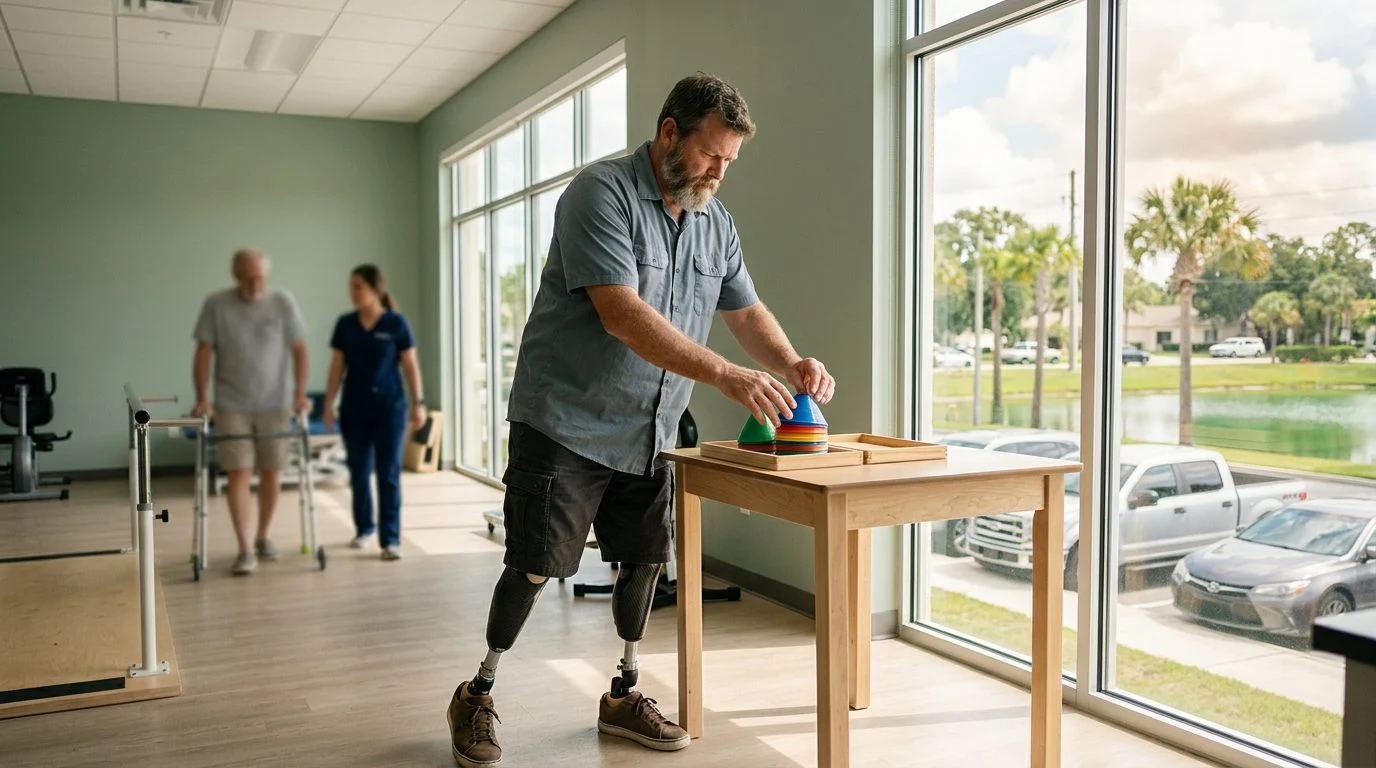
Amputation Injuries | Serving Florida
Losing a Limb Changes Your Life. Your Options Start With One Conversation.
Our Florida team helps injured people and their families understand what a serious accident may mean for their health, work, and future, in plain language and at their own pace.
Why Clients Call Our Florida Firm
Florida
Based in Florida, serving clients throughout the state
Florida Bar
Attorneys admitted to practice in Florida
Free
First consultation, confidential and without obligation to continue
By CHG Lawyers · Published November 28, 2026
Loss of Limb Workers’ Comp in Florida: Your Benefits
If a work accident cost you a limb, or part of one, you may have many questions. You may want to know what Florida covers. You may also want to know what to do first.
A loss of limb workers’ compensation claim is usually the first place to start. Workers’ compensation is a system that pays benefits for work injuries. It generally does not depend on who caused the accident. Some injured workers also have a separate claim against someone else. Deadlines apply to both claims.
If a work accident cost you a limb, you may have more than one path to compensation, and you don't have to sort it out alone. Contact our team for a free, confidential consultation. Talk it through with our team — the first consultation is free, confidential, and carries no obligation.
What a Loss of Limb Workers’ Compensation Claim Covers
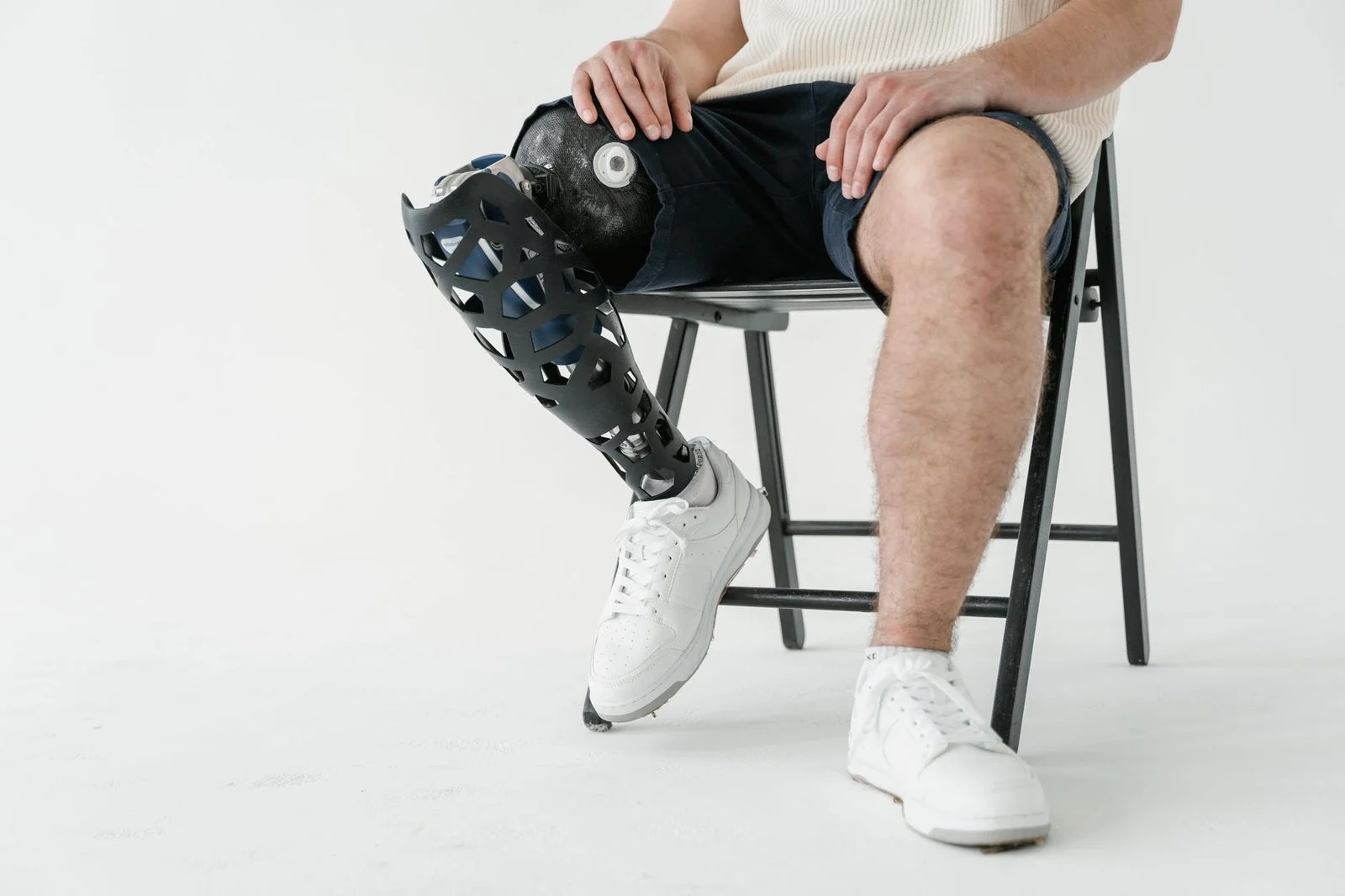
A loss of limb workers’ compensation claim covers an employee who lost a leg, arm, hand, foot, or fingers. The limb may be lost in the accident itself. It may also be removed by surgery later. That surgery may become necessary because of the injury.
Florida’s workers’ compensation system is governed by Florida Statutes Chapter 440. It covers employees hurt while doing their jobs. This includes job sites, warehouses, delivery routes, and shops and plants.
Under Fla. Stat. § 440.11, the employer’s workers’ compensation liability is exclusive. “Exclusive” means workers’ compensation is usually the only route for this kind of claim.
In plain words, you generally cannot sue your employer directly for the injury. Some exceptions exist. One example is when an employer fails to secure payment of compensation as the law requires.
What Florida Workers’ Compensation Can Cover After a Limb Loss
Workers’ compensation can help pay for medical care, prosthetic devices, and wage support. Wage support helps while you cannot work. The amounts and how long benefits last depend on three things. They depend on your medical findings, your wages, and the details of your claim.
Depending on your case, a claim may address:
- Emergency care, surgery, hospital stays, and follow-up visits
- Prosthetic devices (artificial limbs), fittings, and replacements that your medical care requires
- Wage-replacement benefits while you can’t work
- Benefits linked to your permanent impairment rating (a medical score that shows how much the injury permanently limits your body)
- Retraining help if the injury keeps you from returning to your old job
What happens when a benefit claim is delayed or denied depends on the facts of each case. Keep every letter, payment record, and medical report you receive. Follow your doctors’ instructions. Your doctors make treatment decisions.
When a Third Party May Also Be Responsible
A third party is anyone other than your employer. A third party may share responsibility when it contributed to the accident. A separate claim against that party can seek damages. Damages are money for your losses. Workers’ compensation does not pay those damages.
Examples tied to limb loss include:
- The driver of a delivery or commercial truck that struck a work crew
- A defective or unguarded machine
- A fall from unsafe scaffolding
- An electrical accident caused by faulty equipment on a site
Florida uses comparative fault (Fla. Stat. § 768.81(6)). This means blame is shared. Each judgment is based on that party’s percentage of fault. In a negligence action, a party found more than 50 percent at fault for its own harm may not recover any damages, except in an action for personal injury or wrongful death arising out of medical negligence under chapter 766.
Under Fla. Stat. § 768.76, workers’ compensation benefits are not treated as a collateral source. A collateral source is money paid from another source, such as insurance. Under that section, those benefits are not subtracted from a damages award.
Whether a third party is responsible depends on the facts of each case. Each claim needs a careful review.
Florida Deadlines to Know Right Away
Deadlines apply to these claims. Contact a lawyer promptly. Florida’s limit for a negligence action is generally two years under Fla. Stat. § 95.11. That rule can shape a third-party claim.
Workers’ compensation has its own filing rules. Those timelines can differ.
Report the injury to your employer in writing as soon as you can. Keep a copy. Chapter 2023-15, Laws of Florida provides that, except as otherwise expressly provided in this act, this act shall apply to causes of action filed after the effective date of this act.
If you are a Medicare beneficiary (a person enrolled in Medicare), you must notify Medicare when you make a claim. This applies to a claim against a party with liability insurance, no-fault insurance, or workers’ compensation.
You can report the case in the MSP Recovery Portal. You can also contact the BCRC (Medicare’s Benefits Coordination & Recovery Center). CMS guidance on reporting a case explains how.
What to Expect: Steps From the Accident to the Claim
The first steps are medical care and a written report to your employer. Next, a full claim moves through review and evaluation. Then comes negotiation or a formal process. The timeline varies.
- Get medical care and follow your doctors’ instructions. Your doctors make treatment decisions.
- Report the injury in writing. Keep a copy for your records.
- Gather the facts. Collect the incident report, witness names, photos, equipment or vehicle details, pay records, and every letter from the employer or carrier.
- Review the claim. Check which benefits are being paid. Check whether a delay or denial has occurred.
- Look for a third party. Identify whether someone else may share responsibility. Decide whether a separate claim should be evaluated.
- Pursue the claims. Negotiation or a formal process may follow. The timing depends on medical stability, the impairment rating, and whether a dispute arises.
This matter may be referred to, or handled together with, another law firm when that is appropriate. You will be told in advance if that happens.
Not sure what your next step is?
Talk it through with our team — the first consultation is free, confidential, and carries no obligation.
Why Work With CHG Personal Injury Lawyers
CHG Personal Injury Lawyers is a Florida-based personal injury firm. It handles amputation injury claims and other catastrophic and life-altering injury cases. It serves clients throughout Florida.
Igor Hernandez is the responsible lawyer for this page. The firm’s lawyers are licensed attorneys admitted to The Florida Bar. Our team supports them with case intake, records, and client communication.
CHG charges no attorney’s fees and no case costs unless there is a recovery. The initial consultation is free, confidential, and without obligation to continue.
Frequently Asked Questions
Do I have to prove my employer was at fault to get workers’ compensation?
No. Workers’ compensation does not require you to prove your employer was careless. Whether an injury is covered depends on the facts of the case.
Can I still file if I was partly at fault for the accident?
Workers’ compensation generally does not depend on fault. Florida’s comparative fault rules can affect how much a person may recover in a negligence case (Fla. Stat. § 768.81(6)). In a negligence case, a party found greater than 50 percent at fault for his or her own harm may not recover any damages, but this does not apply to an action for damages for personal injury or wrongful death arising out of medical negligence pursuant to chapter 766.
Will workers’ compensation pay for a prosthetic?
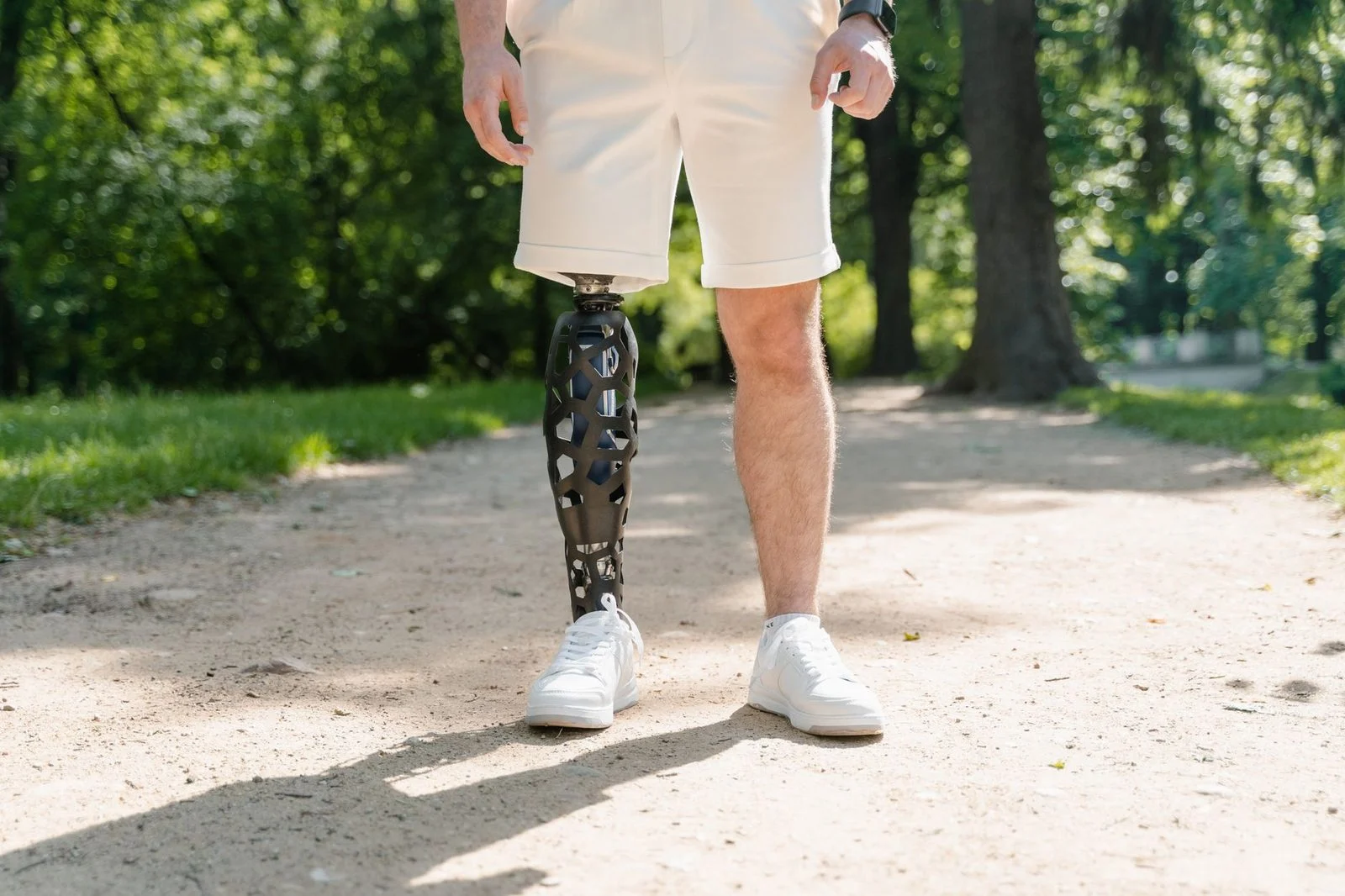
Prosthetic care can be part of medical benefits. Coverage depends on authorization and your medical facts.
What happens if an insurance company says no to my claim?
Every situation is different, so contact the firm promptly to talk about your options. Contact a lawyer promptly.
Is the free consultation really without obligation?
Yes. The consultation is free, confidential, and without obligation to continue.
If a work accident cost you a limb, you don’t have to work out your options alone. Contact CHG Personal Injury Lawyers for a free, confidential consultation. We’ll review your workers’ compensation claim and any third-party claim with you.
What We Do for Amputation Injury Clients
We Listen First
Losing a limb affects your body, your family, and your daily routines. We take time to understand your situation before discussing any legal steps.
We Gather the Facts
We work to collect accident reports, medical records, and other evidence that show how the injury happened and what it has cost you so far.
We Coordinate Your Care Questions
We help you understand the costs of prosthetics, rehabilitation, and future medical needs. Your doctors make all decisions about your treatment.
We Fight for Fair Compensation
We pursue the full impact of the injury on your life, including medical bills, lost income, and the long-term effects of living with limb loss.
No Fees Unless There Is a Recovery
We charge no attorney's fees and no case costs unless there is a recovery. Ask us to explain how this works for your case.
Time Matters After a Serious Injury
Legal deadlines can apply to injury claims in Florida. Please do not wait to speak with a lawyer about your options, and keep all medical records, bills, and accident reports you have.
Accidents That Can Lead to Amputation
Car and Truck Crashes
High-impact collisions involving cars, trucks, and commercial vehicles can crush or sever limbs and leave lasting damage.
Motorcycle, ATV, and Bicycle Accidents
Riders and cyclists have less protection than people inside a vehicle, and serious injuries to the legs and arms are common.
Construction Zone and Workplace Incidents
Heavy equipment, machinery, and falls at job sites can cause catastrophic injuries to hands, arms, and legs.
Electrocution and Burn Injuries
Severe electrical injuries and burns can damage tissue beyond repair, sometimes requiring amputation.