
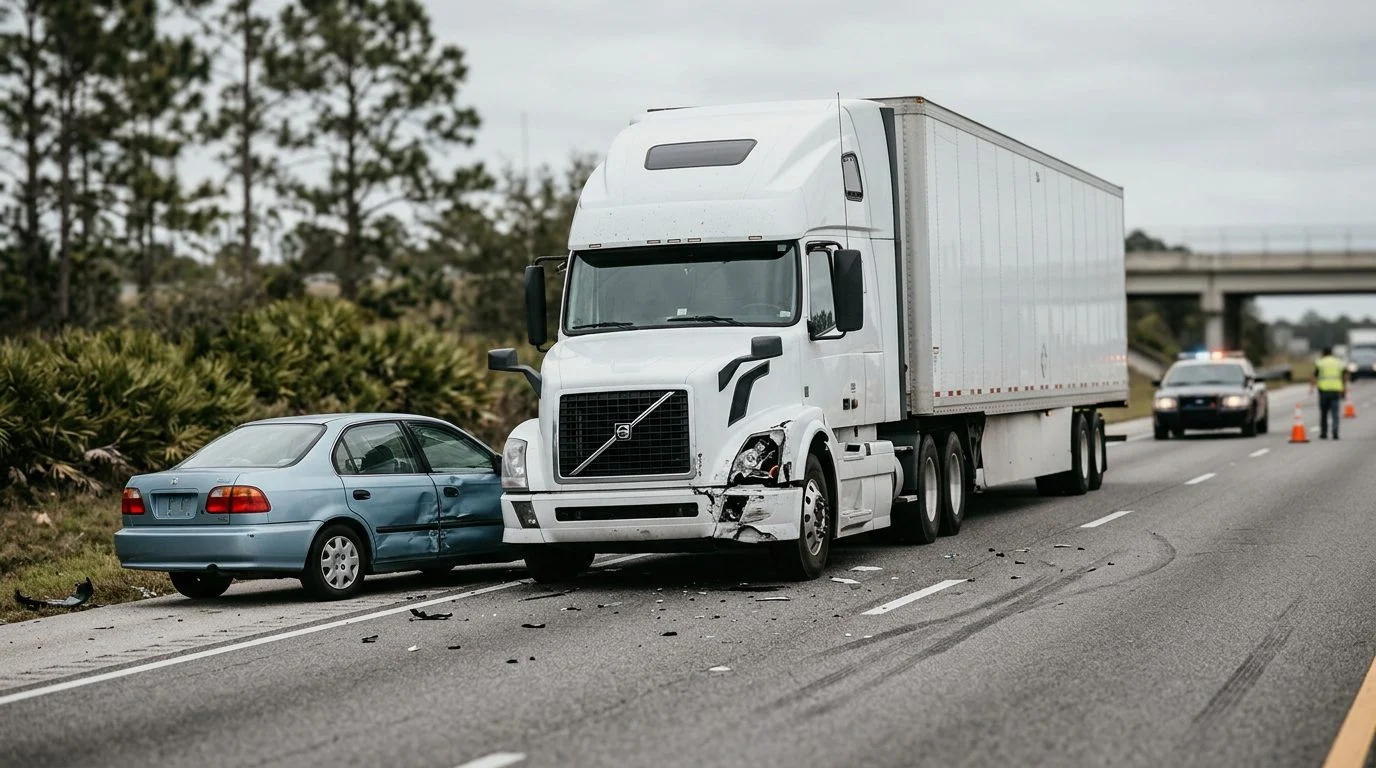
Amazon Truck Accidents | Serving Florida
After an Amazon Delivery Truck Crash, the Evidence Can Disappear Fast
Delivery vans and trucks are often run by companies that contract with Amazon, and the data that shows what happened is not always kept for long. Igor Hernandez and our team help Florida families identify and preserve that evidence early.
How We Work With Florida Families
Free
Initial consultation, confidential and with no obligation to continue
No Fees
No attorney's fees or case costs unless there is a recovery
Florida
Florida-based firm representing people across the state
By CHG Lawyers · Published November 5, 2026
If someone you love was hit by an Amazon delivery van, the evidence from that crash can shape the whole case. This guide covers Amazon delivery truck accident evidence in Florida: what to keep, who usually holds it, and why timing matters. It is general information, and every case turns on its own facts.
When a Family Member Is Hurt by an Amazon Delivery Van: Why the Evidence Matters
Evidence from the crash shows how it happened, and that often drives the claim. Most families face a hospital stay, a stack of insurance calls, and no clear idea what to keep. You don’t need to know the legal side yet.
Many Amazon vans are run by independent delivery companies, often called Delivery Service Partners. The company name painted on the van may not be the driver’s employer. That is why the paperwork matters early.
Your loved one’s health comes first. Follow the care plan your doctors give, and let the paperwork wait until you can handle it.
If you're handling this for someone you love, you don't have to sort out the records alone. Our team can start by asking for the crash evidence in writing. Talk it through with our team — the first consultation is free, confidential, and carries no obligation.
Scene and First-Day Evidence to Gather
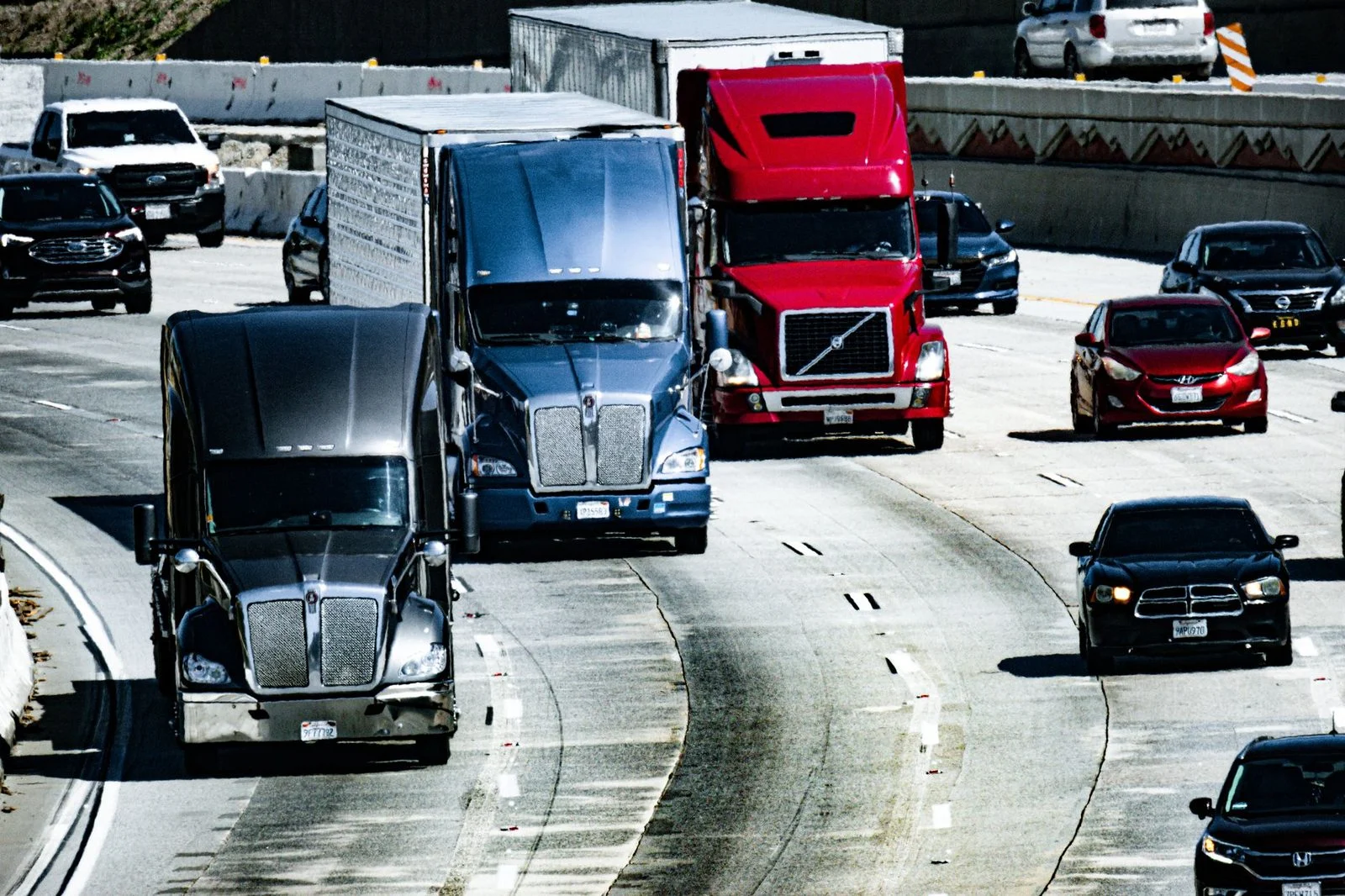
The most useful scene evidence is what you can photograph and write down while the facts are fresh. Take photos and video as soon as it is safe. Capture where the vehicles came to rest, along with skid marks, debris, lane lines, signs, and traffic signals.
- The crash report number and the officer’s name.
- Names and phone numbers of witnesses, including pedestrians and nearby drivers.
- Video from nearby homes, shops, or traffic cameras. Ask owners to save it now, since many systems record over old footage.
- Clothing, helmets, phones, and other items from the crash. Keep them as they are.
Florida requires a detailed crash report. Under § 316.066, a Florida Traffic Crash Report, Long Form must be submitted within 10 days after the investigating officer finishes the investigation of a crash that resulted in death, personal injury, or any indication of complaints of pain or discomfort, or that involved a commercial motor vehicle. The report lists the vehicles, the parties, and their insurance companies. Parties, their legal representatives, and their insurers can access it.
Vehicle and Driver Data That Can Show What Happened
Vehicle data can show speed, braking, and timing in the moments before a crash. Ask for it in writing as soon as possible. Key sources include:
- Event data recorder. Many vehicles store crash data that can show speed, braking, and throttle before impact.
- Dashcam and in-cab video. Footage from the van or a nearby vehicle can show lanes, signals, and the driver’s attention.
- GPS and telematics. Route, stops, speed, and timing on the crash day can show whether the van was running behind schedule.
- Scanner and app records. Stop times, package scans, and shift schedules show what the driver was working on.
These records can be overwritten or lost unless someone asks for them to be kept. The company usually holds this data, not the injured person. A written request sent early protects it.
Company and Delivery-Partner Records
The records that matter most are usually held by the company that employs the driver. Start by identifying that company from the van’s markings, its registration, and the crash report. Then ask for:
- Driver qualification files. Federal rules require a motor carrier to keep a file for each driver it employs, including license and background records. Under 49 CFR 391.51, the file is generally kept while the driver works there and for three years after, but some records in it, such as annual driving-record checks and medical certificates, may be removed three years after they were made.
- Dispatch and route records. Look for route assignments, delivery quotas, and time pressure on the shift.
- Maintenance and repair history. Recent brake, tire, or steering work matters.
- Under § 627.4137, within 30 days of a written request, a liability insurer must provide a sworn statement of its name, each insured, its coverage limits, any policy or coverage defense it reasonably believes is available, and a copy of the policy.
Records like these help show who knew what, and when.
Medical Records and Proof of Damages
Medical records and bills show what the crash did to your loved one’s body and daily life. Keep every record, bill, and receipt in one folder. Include:
- Ambulance, emergency room, hospital, and specialist records, with imaging such as X-rays, CT scans, and MRIs.
- Itemized bills, plus receipts for prescriptions, medical equipment, and travel to appointments.
- A daily journal, written in the injured person’s own words. Note pain, sleep trouble, tasks they can’t do, and missed family events.
- Employer records showing lost wages or changes in job duties.
Keep follow-up visits on the calendar. Follow the care plan your doctors give.
Preservation Timeline: What to Do and When
Ask in writing, right away, that the van, its data, and any video be kept. Waiting gives evidence time to disappear. Use this simple timeline:
- First 72 hours: Ask anyone holding vehicle or video evidence to keep it. Don’t repair, sell, or scrap a damaged vehicle without advice.
- First two weeks: Send written requests to the driver’s employer, the delivery partner, and the insurers. Ask them to keep the records listed above.
- Ongoing: Keep a written log of who you contacted, when, and what was said, including any recorded statements.
Lost evidence is hard to replace, so act early.
Not sure what your next step is?
Talk it through with our team — the first consultation is free, confidential, and carries no obligation.
Florida Deadlines and Fault Rules That Affect the Evidence
Florida sets firm limits on when an injury lawsuit must be filed, and evidence can fade while that clock runs. Under § 95.11, the law sets these limits, so don’t wait to ask a lawyer about your deadline.
Under § 768.81, in a negligence action, a claimant’s contributory fault diminishes proportionately the amount awarded but does not bar recovery, subject to subsection (6).
Because fault can be disputed, accurate scene records and driver data help show the full picture.
Frequently Asked Questions About Amazon Delivery Truck Accident Evidence
Can I get the dashcam or GPS data myself?
Usually the company or its insurer holds that data. A lawyer can make a formal written request for it.
Do I have to talk to the company’s insurer?
You can refer insurance calls to your lawyer. Be careful with recorded statements.
What if the van has already been repaired?
Photos, the crash report, and repair records may still help. A lawyer can check what remains.
How much does the first consultation cost?
The first consultation is free, confidential, and comes with no obligation. The firm charges no attorney’s fees or case costs unless there is a recovery.
Who is responsible for this page?
Igor Hernandez, a Florida-licensed lawyer with CHG Personal Injury Lawyers, is the responsible lawyer. The firm serves clients throughout Florida, including Miami, Orlando, Tampa, and Jacksonville.

Talk With Our Florida Lawyers About the Evidence in Your Case
If you’re helping a loved one through this, you may be juggling hospital visits, insurance calls, and paperwork all at once. You don’t need every record in one day. Our team can ask for the crash data, company records, and preservation letters that matter most right now.
Some cases are handled with, or referred to, other law firms. If that applies to your situation, we will explain it.
When you’re ready, reach out for a free, confidential first consultation. There is no obligation to continue.
Evidence to Gather or Ask About Early
Scene and Vehicle Photos
Pictures of the roadway, traffic signs, skid marks, debris, vehicle damage, and any visible package or cargo area. Take them as soon as it is safe, and keep the original files with their date information.
Dashcam and Camera Footage
Many delivery vehicles carry forward-facing or driver-facing cameras. Footage can be overwritten automatically, so it should be requested in writing right away.
GPS and Telematics Data
Speed, braking, route, and stop-time records can show how the vehicle was moving before the crash. This data is usually held by the company or its insurer, and a lawyer can make a formal written request for it.
Witnesses and Police Records
Names and phone numbers of people who saw the crash, along with the police report and any citations, help document what happened while memories are still fresh.
Be Careful With Calls From the Company or Its Insurer
Insurance representatives may ask for a recorded statement soon after a crash. Those statements can be used later, and well-meaning answers given without full information can be misunderstood. You can refer insurance calls to your lawyer, and you should follow your doctors' care before discussing your injuries in detail.
Why Early Action Matters
Records Can Be Overwritten
Camera footage, GPS logs, and driver records may be kept only for a limited time. Early written requests help prevent important information from being lost.
Maintenance and Driver Files
Vehicle inspection, repair, and driver-training records can show whether the truck was properly maintained and whether the route and schedule were reasonable.
Repairs Do Not End the Case
A vehicle may be repaired or sold before anyone asks to see it. A lawyer can send preservation requests so the vehicle and its parts are kept intact.
Lawyers Who Work in Florida
Igor Hernandez and our team are Florida lawyers who handle truck, delivery, and other serious injury claims for people across the state.