
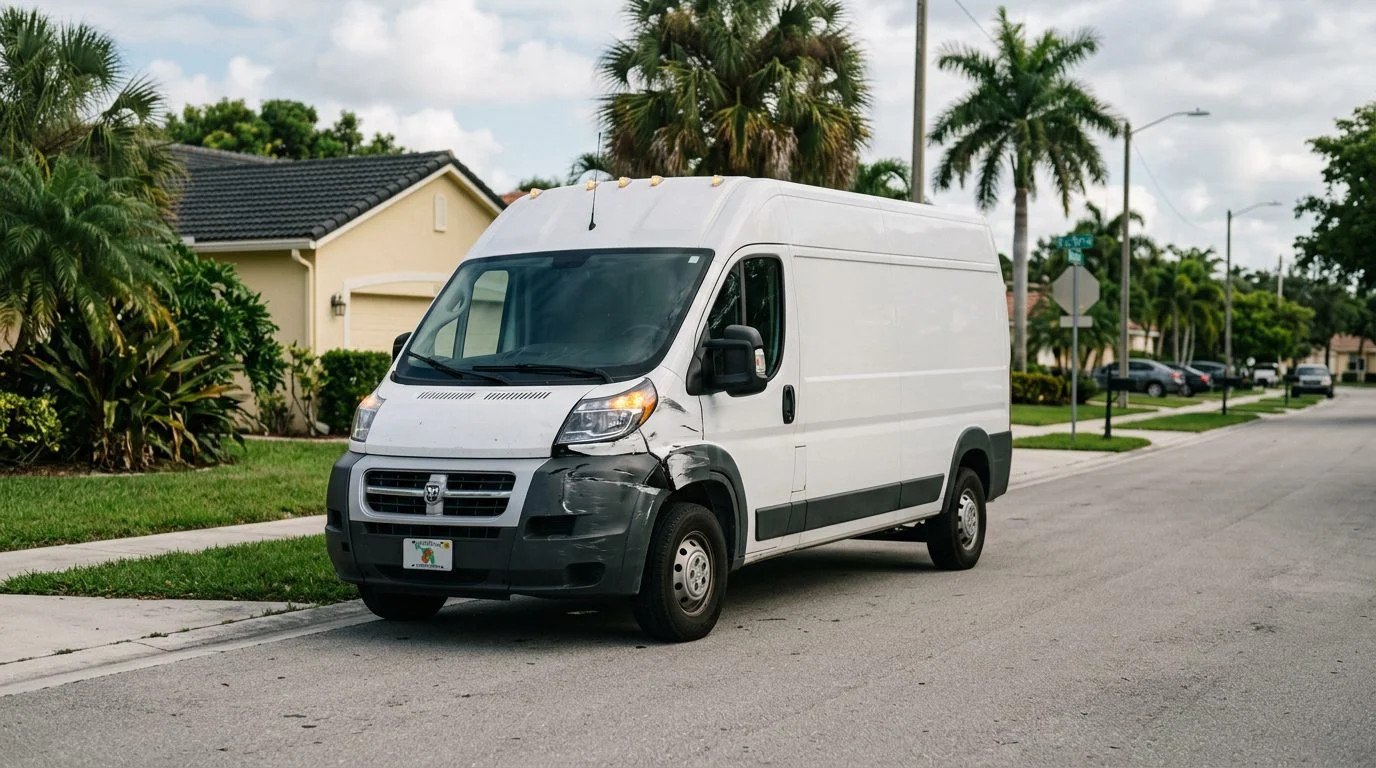
Amazon Delivery Van Accidents | Serving Florida
Hurt in a Crash With an Amazon Delivery Van? Find Out Who May Be Responsible.
Many delivery vans are driven by workers for independent companies, so the path to compensation can be harder to see. Our Florida team helps sort out who is involved and what options may be available.
By CHG Lawyers · Published November 22, 2026
Amazon Delivery Van Crash in Florida: Who May Be Liable
If an Amazon-branded delivery van hit you or someone you love, you may wonder who is responsible. Amazon delivery service partner accident liability can involve several parties: the driver, the delivery company that employs the driver, Amazon, and the vehicle owner.
Florida law sorts out shared fault. This guide explains how responsibility is usually looked at in these crashes and which questions matter most.
Not sure what your next step is?
Talk it through with our team — the first consultation is free, confidential, and carries no obligation.
What is an Amazon delivery service partner crash?
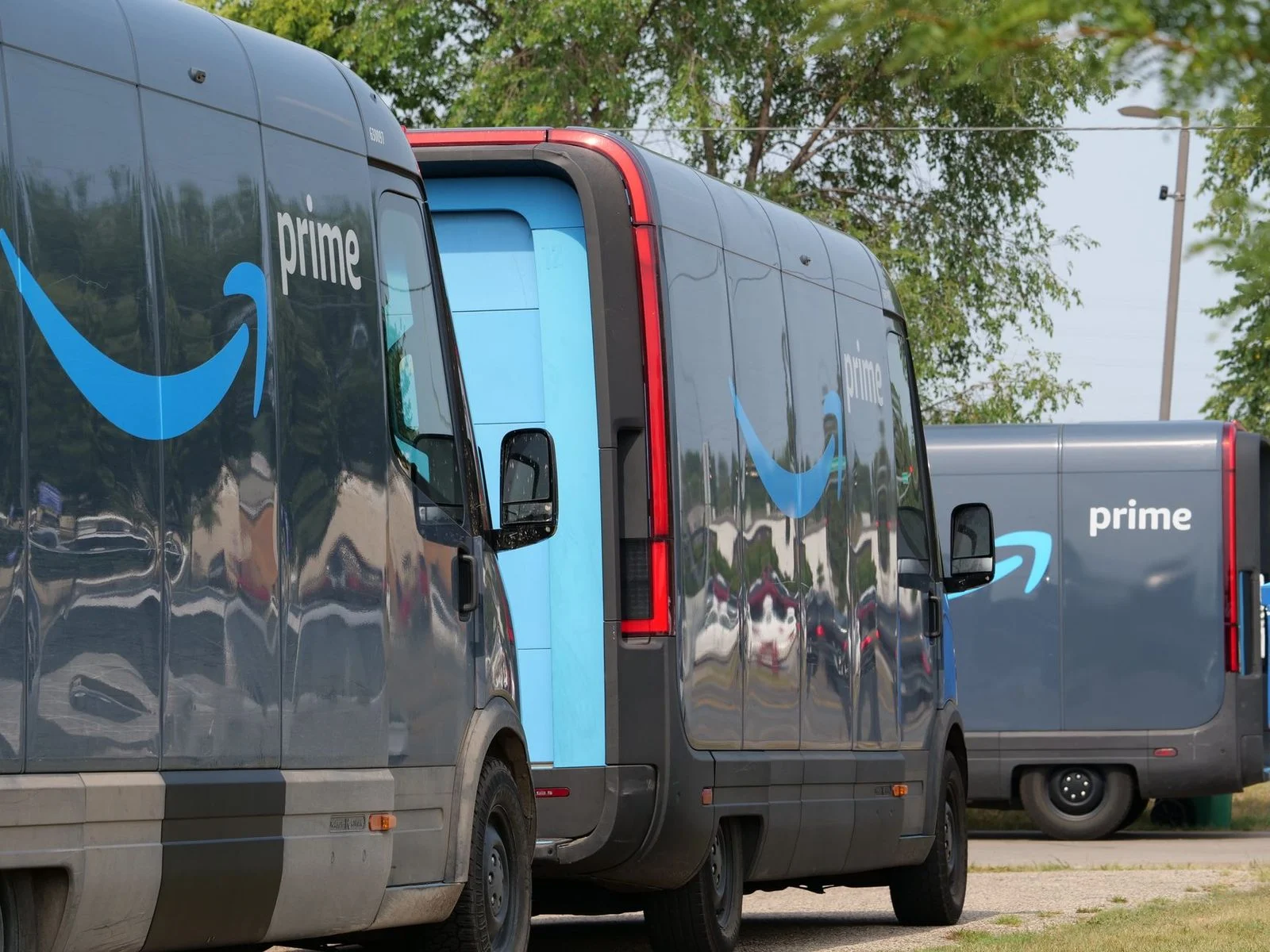
This type of crash involves a delivery vehicle that runs an Amazon route, but is operated by a separate company.
Many Amazon routes are run by independent delivery service partners, often called DSPs. Their drivers often wear Amazon-branded uniforms and drive vans marked for Amazon, so the van can look like an Amazon vehicle. Yet a different company may employ the driver, and that company may also own or lease the van.
The van’s appearance is a starting point, not an answer. Start with three questions:
- Who employs the driver?
- Who sets the route?
- Who owns the van?
This guide covers crashes such as:
- Car and van collisions
- Crashes involving delivery trucks
- Pedestrian and bicycle impacts
- Rollovers on Florida roads
Think of this guide as a map of questions to ask. It is not a verdict on any one crash.
Who may share Amazon delivery service partner accident liability?
Several parties may share responsibility. The company that employs and directs the driver often matters more than the logo on the van.
- The driver. A driver may answer for their own choices, such as speeding, distraction, or following too closely.
- The delivery company. The DSP hires and contracts the driver. It may answer for hiring, training, supervision, and vehicle maintenance.
- Amazon. Amazon may have a role, depending on its contracts, branding, route requirements, and operating standards.
- The vehicle owner or lessor. A leasing company or repair contractor may matter, especially when a defect or poor service played a part.
On the owner question, federal law sets a limit. Under 49 U.S.C. § 30106, an owner that rents or leases a vehicle is not liable under state law simply for being the owner, if the owner is in the rental or leasing business and “there is no negligence or criminal wrongdoing on the part of the owner.” Whether the owner’s own conduct matters depends on the facts of the case and on which legal rules apply.
In practice, the key question is simple: who had control over the driver, the route, and the van?
Which federal trucking rules and Florida fault rules may apply to a delivery van crash?
Federal motor carrier rules may tie the driver’s duties to the company that runs the operation, but only if those rules cover the vehicle involved. A federal motor carrier rule says that where a duty is prescribed for a driver, or a prohibition is imposed on a driver, in part 325 of subchapter A or in this subchapter, the motor carrier must require the driver to observe it. If the motor carrier is itself a driver, it is bound too.
Another federal provision addresses vehicles a carrier does not own. Under 49 U.S.C. § 14102, the Secretary of Transportation may require a motor carrier under federal jurisdiction that uses vehicles it does not own to transport property, under an arrangement with another party, to put that arrangement in writing and to “have control of and be responsible for operating those motor vehicles in compliance with requirements prescribed by the Secretary on safety of operations and equipment, and with other applicable law as if the motor vehicles were owned by the motor carrier.”
Florida fault rules then shape how these parties are weighed. Under Florida’s modified comparative negligence rule (§ 768.81(6)), a claimant found more than 50% at fault recovers nothing. Under the comparative fault statute, the court “shall enter judgment against each party liable on the basis of such party’s percentage of fault and not on the basis of the doctrine of joint and several liability.” In general terms, each liable party answers for its own percentage share, although some parties may be held responsible for another person’s share under other legal rules.
That makes early identification important. To include the named or unnamed nonparty on the verdict form for apportioning damages, the defendant must prove at trial, by a preponderance of the evidence, the fault of the nonparty in causing the plaintiff’s injuries. A party that is not named early may still come up later, so a lawyer should identify everyone who may have contributed to the crash from the start.
What can contracts and insurance reveal?
Contracts, insurance policies, and company records can show who controlled the driver, the route, and the van. Look for:
- Service agreements between Amazon and the delivery partner, which may set standards for drivers, vehicles, and safety
- The delivery partner’s auto and liability policies, to see which policy may respond to a claim
- Driver hiring and training files, and vehicle maintenance logs, when they are available
Insurance information shows which policies may apply. Finding every potentially responsible party early affects available insurance limits and helps preserve evidence. A lawyer reviews these records to map who controlled what at the time of the crash.
What Florida deadlines affect your claim?
Florida generally gives two years to file a negligence lawsuit (Fla. Stat. § 95.11(5)(a)). Under Florida’s limitations statute, each type of action has its own time limit. Because deadlines can differ by claim type, talk with a lawyer promptly.
Florida’s personal injury protection statute requires that an auto insurance policy provide personal injury protection (PIP) benefits, which is no-fault coverage for medical bills and certain other losses. 14 days of the crash. Follow your doctors’ care.
Not sure what your next step is?
Talk it through with our team — the first consultation is free, confidential, and carries no obligation.
What evidence should you protect?
Early evidence is often the most fragile. Useful items include:
- Photos of the van, the scene, and your injuries
- Dashcam or traffic camera footage
- The police report, its report number, and witness names
- The vehicle itself
Talk with a lawyer before giving a recorded statement to an insurance adjuster. An adjuster is the insurer’s claims representative, and early statements can be used later.
If the crash caused a death
Losing a loved one in a crash is devastating, and the questions that follow can feel overwhelming. Families in this situation may have a wrongful death claim, which under Fla. Stat. § 768.20 is brought by the decedent’s personal representative for the benefit of the survivors and the estate. These claims focus on what the family can do next: identifying the responsible parties, protecting evidence, and seeking compensation for the family’s losses. Deadlines apply, so families should contact the firm promptly. Our team handles the paperwork so the family can focus on each other.
What happens after you contact the firm?
You start with a free, confidential first consultation. Then the firm works to gather the records described above.
Bring what you have, such as photos, the crash report number, and insurance cards. Do not worry if you are missing items.
- Consultation. The lawyer reviews the crash facts and your injuries. The initial consultation is free, confidential, and carries no obligation to continue.
- Records. Our team requests the crash report and works to identify the driver, the delivery company, the insurers, and the vehicle owner.
- Documents. The firm reviews contracts, insurance policies, and any employment and maintenance records that are available.
- Options. The lawyer explains possible claims against each party, the evidence needed, and realistic next steps. We cannot promise any result.
Early weeks usually focus on evidence and insurance notice. How long a case takes depends on injuries, medical treatment, and how insurers respond.
If the injured person is a Medicare beneficiary, the claim must be reported. A Medicare beneficiary is someone enrolled in Medicare, the federal health insurance program. CMS guidance on attorney reporting explains that the claim must be reported through the Medicare Secondary Payer Recovery Portal or by contacting the Benefits Coordination & Recovery Center.
CHG charges no attorney’s fees and no case costs unless there is a recovery.
Why choose CHG Personal Injury Lawyers?
CHG Personal Injury Lawyers is a Florida-based firm with more than one lawyer on staff. It handles car, truck, and other accident claims for people throughout Florida.
- The firm serves people in communities including Miami, Orlando, Tampa, and Jacksonville.
- The firm handles catastrophic injuries, including spinal cord injuries, traumatic brain injuries, and wrongful death.
- Our lawyers are licensed attorneys admitted to The Florida Bar. Igor Hernandez is the responsible lawyer for this page.
- Your case may be referred to, or handled together with, another law firm when that fits the facts. You will be told if it happens.
Questions families ask, and your next step
Responsibility depends on control, contracts, and insurance. A lawyer reviews all three.
Can the delivery company be responsible if the driver is an independent contractor?
It may be. It depends on how much control it had over the driver, the route, and the van. A lawyer reviews those facts.
Is Amazon automatically responsible for a crash with a branded van?
No company is automatically responsible. Contracts, branding, and the facts of the crash all matter.
What if the crash caused a death?
Families who lose a loved one in a crash may have a wrongful death claim. Deadlines apply, so families should contact the firm promptly.
If an Amazon-branded delivery van hit you or someone you love in Florida, our team can review which companies may share responsibility. Contact CHG Personal Injury Lawyers for a free, confidential consultation.
Para familias que prefieren español: La consulta inicial es gratuita, confidencial y sin compromiso de continuar.
How CHG Personal Injury Lawyers Can Help
Sorting Out Every Party
A delivery crash can involve the driver, the company that employs or contracts with the driver, the van's owner, and others. We work to identify each one and the role it played.
Reviewing the Paperwork
Contracts, branding, insurance policies, and crash reports can all shape a claim. Our attorneys review these records carefully.
Focus on Recovery
We understand that medical bills, lost work, and daily life changes come first. We help you focus on your health while we handle the legal details.
No Fees Unless There Is a Recovery
CHG charges no attorney's fees and no case costs unless there is a recovery.
Protect Your Claim Early
Evidence from a delivery crash can be lost quickly. Keep your medical records, photos of the scene and vehicles, and the names of any witnesses. Follow your doctors' care, and speak with a lawyer before giving a recorded statement to any insurance company.
Questions to Ask After a Delivery Van Crash
Who was driving?
Identifying the driver and whether they worked for Amazon, a delivery service partner, or another contractor is often the first step.
Who owned or controlled the van?
Ownership, leasing, and maintenance records can show which companies had responsibility for the vehicle.
What did the contracts say?
Agreements between Amazon and its delivery partners may address training, routes, vehicle standards, and insurance.
What insurance applies?
Several insurance policies may be involved, and the coverage available can depend on the facts of the crash.