


Wrongful Death | Inadequate Security
When a Loved One Is Killed Because a Property Owner Failed to Provide Security
If someone you love was murdered, shot, or fatally attacked on someone else's property—an apartment complex, parking garage, hotel, or business—and the owner failed to maintain reasonable security, you may have a claim. CHG Personal Injury Lawyers handles wrongful death cases arising from inadequate security nationwide.
By CHG Lawyers · Published September 23, 2026
Wrongful Death Inadequate Security Lawyer: Hold Property Owners Accountable
Did your loved one die after being shot, stabbed, beaten, or attacked on someone else’s property? You may hold the property owner responsible—not just the attacker. When a violent crime takes a life on unsafe property, a wrongful death inadequate security claim may be possible. These are crimes reasonable security could have prevented.
We know no lawsuit brings your loved one back. This page explains what these cases involve in plain words. It also explains what you can do next. When you’re ready, request a free, confidential case evaluation.
Not sure what your next step is?
Talk it through with our team — the first consultation is free, confidential, and carries no obligation.
When a Loved One Is Killed by a Preventable Attack on Someone Else’s Property
You may have a legal claim against the property owner when a preventable attack kills your loved one on their property. The attack must have been foreseeable—meaning the owner could have seen it coming.
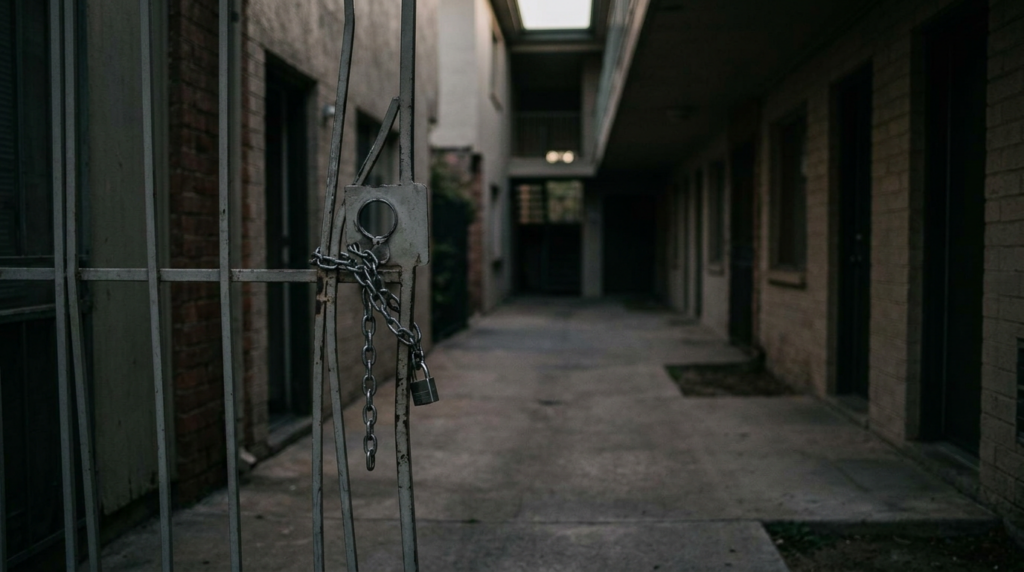
Maybe it happened at an apartment complex with broken gates. Or a dark parking garage with no cameras. It could be a hotel, a bar or nightclub, a gas station, a store, or an ATM. The attacker is one part of the story. But there is another question: did the owner or manager fail to keep the property reasonably safe?
If they did, and the danger was foreseeable, the law may let your family file a claim. This kind of case is called an inadequate-security (also called negligent-security) wrongful death claim. It is a form of premises liability—the legal duty a property owner has to keep people reasonably safe.
This case is about accountability and financial security for your family. It is also separate from any criminal case. You don’t have to wait for a criminal trial to protect your rights. Talk with us for free—there’s no obligation.
What a Wrongful Death Inadequate Security Claim Is—and Who It’s For
This is a civil case brought by surviving family. It applies when a preventable violent crime takes a life on a property the owner had a duty to keep reasonably safe.
In Florida, this case is filed under the Florida Wrongful Death Act. The personal representative of the estate usually files it. That person files for the surviving family. This firm takes cases nationwide, so rules vary by state. But the core idea is similar.
Who may recover, depending on the state:
- A surviving spouse
- Children of the person who died
- Parents (especially of a minor child)
- Others who depended on the person for support
Fatal incidents these claims can cover:
- Shootings
- Stabbings
- Physical assaults or beatings
- Robberies that turn deadly
- Sexual assaults resulting in death
Properties where these attacks happen:
- Apartment and condo complexes
- Hotels and motels
- Parking lots and garages
- Bars and nightclubs
- Gas stations and convenience stores
- Shopping centers, stores, and offices
What We Investigate and Prove for You
To hold a property owner responsible, we must show two things. First, the attack was foreseeable. Second, poor security helped cause your loved one’s death.
Here is what our attorneys look for:
- Foreseeability. Were there prior crimes at or near the property? We pull police-call history, 911 records, and neighborhood crime data. This shows what the owner knew or should have known.
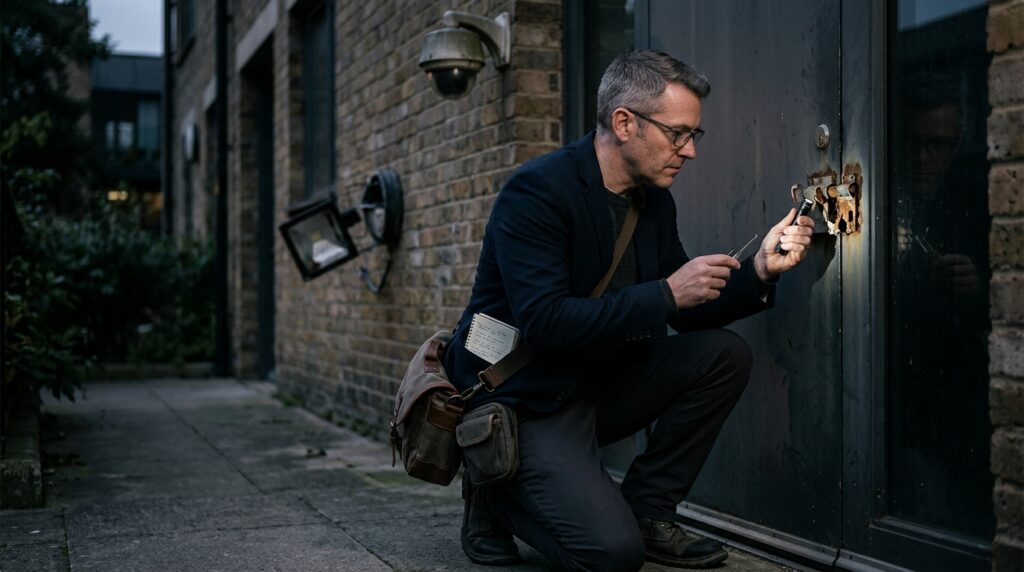
- Security failures. Broken or missing locks and gates. Poor or no lighting. Cameras that were missing or didn’t work. No guards where clearly needed. Complaints the owner ignored.
- Duty and breach. What a reasonable owner should have done—and didn’t do.
- Causation. The link between the security failure and the deadly attack.
- Damages your family may recover. Lost financial support and services. Loss of companionship and guidance. Mental pain and suffering of survivors. Medical and funeral or burial costs.
We also act fast to protect evidence. Surveillance video often gets erased within days or weeks. So we send litigation-hold letters. These are formal notices demanding the owner keep video, records, and other proof. That’s one big reason to call early.
Have questions about what happened?
Ask our team directly. The first conversation is free, confidential, and there is no obligation to continue.
How the Process Works—What to Expect
Most families never file a lawsuit alone. We guide you step by step. You can focus on grieving and healing.
- Free, confidential consultation. You tell us what happened. We listen, answer questions, and explain your options clearly.
- Investigation. We gather the police report, incident history, security records, and witness statements. We inspect the site and often work with security experts.
- Identifying who’s responsible. This can include the property owner, a management company, a security contractor, or others.
- Filing the claim and demand. We present the facts and your family’s damages to insurers or defendants.
- Negotiation and, if needed, litigation. Many cases settle. But we prepare every case as if it will go to trial.
A note on timing. Legal deadlines apply. In Florida, many negligence-based wrongful-death claims must be filed within two years. This applies to claims that arose on or after March 24, 2023, under Fla. Stat. §95.11. Deadlines differ by state. Contacting a lawyer early protects your evidence and your right to file.
Common Questions from Families
How much does it cost to hire a wrongful death inadequate security lawyer?
We work on a contingency fee. That means no upfront cost to you. The firm is paid only if we recover money for your family. Every case is different, and we cannot promise any specific outcome.
The attacker was arrested—or never caught. Can we still have a case?
Yes. The civil claim against the property owner is separate from the criminal case. You can file a civil claim whether or not the attacker was ever caught or convicted.
How long do we have to file?
Legal deadlines apply, and they vary by state. In Florida, the deadline is often two years under Fla. Stat. §95.11. Contact us promptly so evidence and your rights are protected.
Do we have to go to court?
Not always. Many wrongful death cases settle out of court. But we prepare every case to go to trial if that’s what fair compensation requires.
Who receives compensation, and how is it decided?
That depends on the wrongful-death law in the state where the death happened. It also depends on the estate process. In many cases, a surviving spouse, children, or dependent parents may recover. We’ll explain how it works for your family.
Could our family’s compensation be reduced?
It’s possible under some states’ shared-fault rules. Florida uses modified comparative negligence under Fla. Stat. §768.81. A claimant found more than 50% at fault generally recovers nothing. We’ll review how this applies to your case.
Will talking to a lawyer commit us to anything?
No. The case evaluation is free and confidential, with no obligation.
Why Families Turn to CHG Personal Injury Lawyers
Families choose us because we focus exclusively on catastrophic and fatal-injury cases. This includes wrongful death inadequate security claims and personal injury lawsuits.
- Focused experience. This is the kind of serious, life-altering case our attorneys handle every day, including catastrophic injury claims.
- Licensed and credentialed. Our attorneys are admitted to The Florida Bar. We’re a Florida-based firm that takes cases nationwide.
- Empathy and plain language. We treat every family with dignity. We explain things clearly during a painful time.
- Bilingual support. We help families in English and Spanish. Language is never a barrier.
- Resources to fight. We use investigators and security experts. We prepare each case fully.
We don’t make promises about results. What we offer is focus, effort, and honest guidance.
Want to know where you stand?
Tell us what happened and our team will walk you through the options available to you, at no cost.
Talk to a Wrongful Death Inadequate Security Lawyer—Free and Confidential
You’ve been through the unthinkable. The next step is simple: reach out and let us listen. A wrongful death inadequate security lawyer at our firm can explain your options. There’s no obligation and no upfront cost.
Acting sooner helps protect surveillance video, records, and your legal deadlines. Contact us now for a free, confidential case evaluation. We’re here when you’re ready.
Time Matters in Wrongful Death Cases
The law sets strict time limits for filing a wrongful death claim. Do not wait. Contact us immediately to discuss your family's rights and preserve evidence.
What You Need to Know About Wrongful Death & Inadequate Security Claims
What Is an Inadequate Security Claim?
A property owner has a legal duty to maintain reasonable security—working locks, lighting, cameras, or guards—to protect visitors and residents from foreseeable harm. If the owner failed in that duty and someone was killed as a result, the family may pursue a wrongful death claim against the property owner, even if the attacker was arrested or remains at large.
Who Can File a Wrongful Death Claim?
Typically, a spouse, child, parent, or the estate of the deceased can bring a wrongful death action. The specific rules depend on state law and family circumstances. We will help you understand who has standing to pursue the claim and what damages may be available.
What Damages Can a Family Recover?
Wrongful death damages may include funeral and medical expenses, lost income and financial support the deceased would have provided, loss of companionship, and pain and suffering. Each case is unique, and we cannot promise any specific outcome.
How Does Our Fee Structure Work?
We work on a contingency fee basis. That means there is no upfront cost to your family. We are paid only if we recover money for you. You do not pay unless there is a recovery.
Why Families Choose CHG Personal Injury Lawyers
Focused on Catastrophic Injury and Wrongful Death
Our practice focuses exclusively on serious and catastrophic personal injury, including wrongful death claims. We understand the devastating impact these cases have on families and bring that focus to every case.
Thorough Investigation and Evidence Preservation
We immediately begin gathering security footage, police reports, witness statements, and property records to build a strong case. Early action preserves critical evidence.
Experienced Legal Team
Our attorneys have years of experience handling wrongful death claims arising from negligent security across Florida and nationwide. We know what property owners and their insurers will argue, and we prepare accordingly.
Compassionate, Plain-Language Guidance
We explain the legal process in plain language, answer your questions, and treat your family with the respect and empathy your loss deserves. You are not just a case number.
Available Nationwide
While based in Florida, we handle wrongful death and inadequate security cases across the United States. No matter where the incident occurred, we can help.
No Attorney’s Fees Unless There Is a Recovery
We advance the costs of investigation, expert witnesses, and litigation. You pay nothing upfront and nothing unless we recover money for your family.