

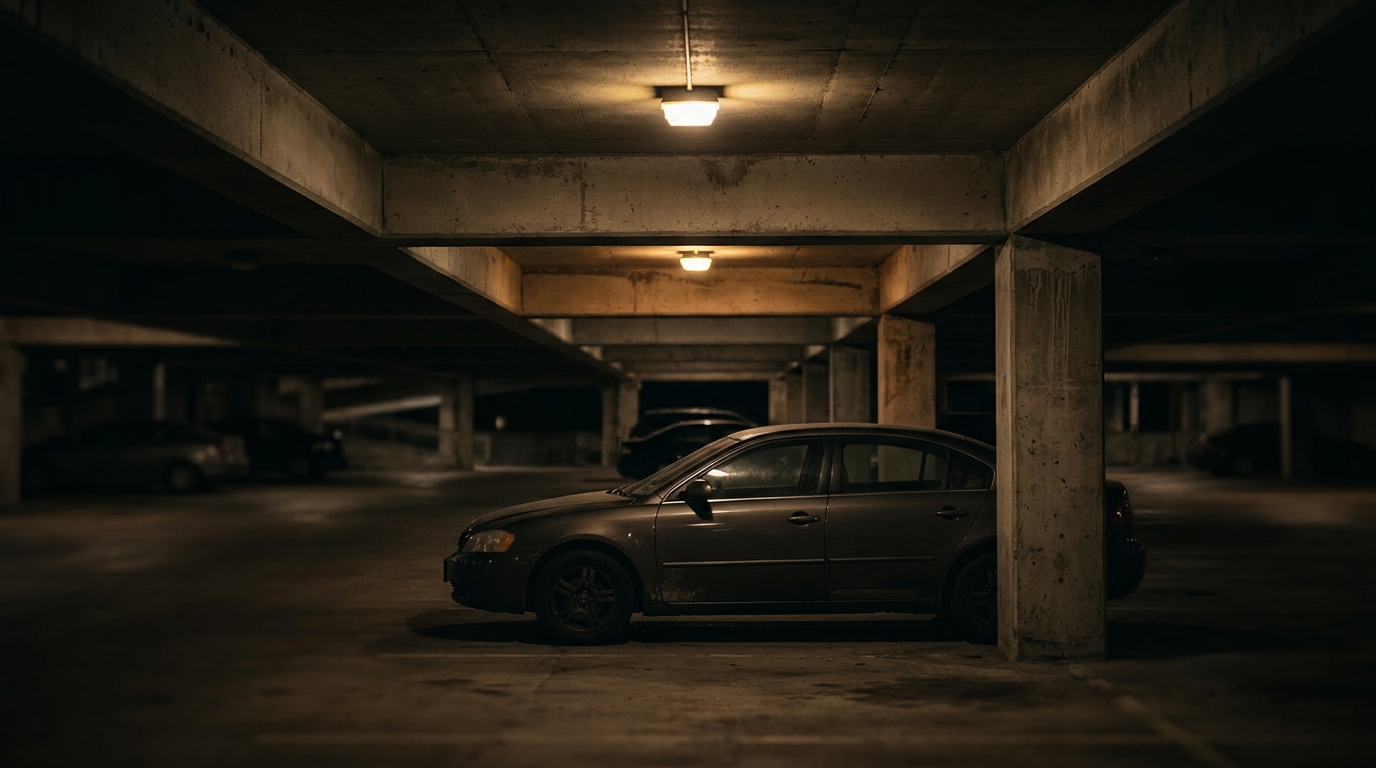
Negligent Security & Premises Liability
When a Property Owner's Failure to Protect Leads to Your Injury
If you were attacked, assaulted, or harmed on someone else's property because of inadequate security, the owner may be held responsible. You may have a claim.
By CHG Lawyers · Published September 24, 2026
Foreseeable Crime Property Liability: When Property Owners Are Responsible for Attacks
Were you attacked on someone else’s property? Did you suffer a serious, permanent injury? The property owner may share the blame — but usually only if the crime was “foreseeable.” That one word often decides these cases. This page explains foreseeable crime property liability in plain language and shows how we prove it.
Not sure what your next step is?
Talk it through with our team — the first consultation is free, confidential, and carries no obligation.
If You Were Attacked on Someone Else’s Property, You May Have a Claim
Maybe you were assaulted, shot, robbed, or attacked at an apartment complex, parking lot, garage, hotel, bar, store, or gas station. You were badly hurt. Or a loved one did not survive.
The person who attacked you is not the only one who may be responsible. The property owner or manager may share the blame too. Owners must take reasonable steps to keep people safe. When they ignore a known danger and someone gets hurt, the law may hold them responsible.
This area of law has a name: negligent security. It is a type of premises liability — a property owner’s legal duty for what happens on their land. But you do not need to know legal terms to have a case.
Our firm focuses on serious, life-changing injuries and deaths caused by violence a property failed to prevent. If that is your situation, request a free, confidential case evaluation.
What Foreseeable Crime Property Liability Actually Means
Foreseeable crime property liability means a property owner can be held responsible for a crime. This happens when they should have seen the danger coming and did nothing reasonable to stop it.
Owners are not automatically responsible for every crime. The law is fair to them too. But they can be responsible when the danger was foreseeable and they failed to act.
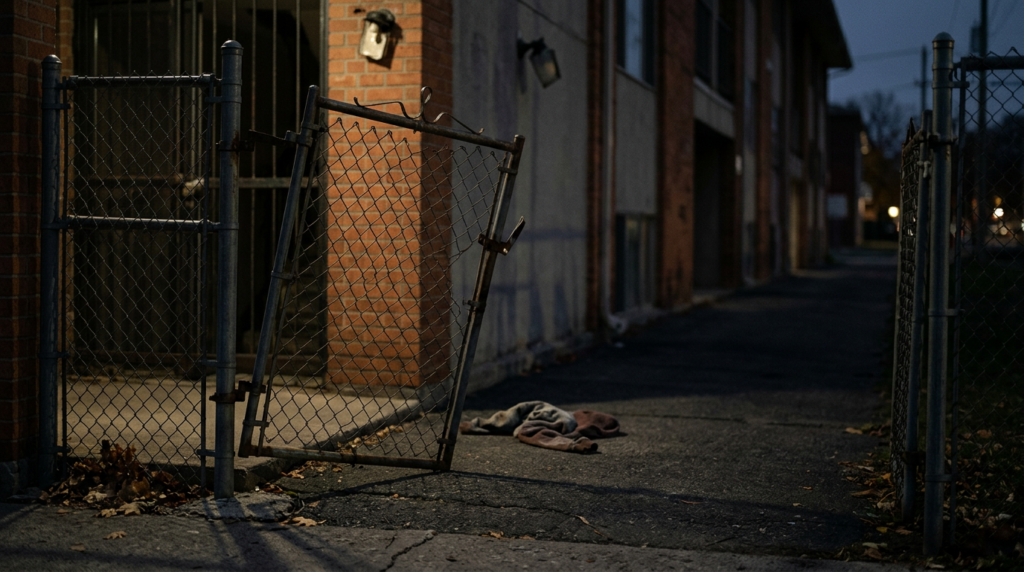
“Foreseeable” means the owner knew, or should have known, that a violent crime could happen. Picture an apartment complex with broken entry gates, dark parking lots, and cameras that do not record. Add a history of shootings. If management ignored all of that, the next attack was foreseeable.
This is different from criminal charges against the attacker. Here, we are talking about the owner’s civil responsibility for negligence — carelessness. This is not a criminal case.
Who This Page Is For
This page is for people who suffered a permanent, life-changing injury in a violent attack on unsafe property. It is also for families of those who died.
You may have a claim if a violent attack caused:
- A spinal cord injury or paralysis, including paraplegia or quadriplegia
- A traumatic brain injury (TBI)
- An amputation or limb loss
- Severe burns
- A catastrophic back or neck injury
- The wrongful death of a loved one from a fatal shooting, stabbing, or beating
These attacks happen at apartment complexes, parking lots and garages, hotels and motels, bars and nightclubs, stores, gas stations, and ATMs. Our firm focuses on serious, permanent harm and fatal outcomes. These are the highest-stakes cases these attacks produce.
How Courts Decide Whether a Crime Was Foreseeable
Courts use two main tests to decide if a crime was foreseeable. Both look at what the owner knew or should have known.
The Prior Similar Incidents Test
This test asks a simple question: Had similar crimes happened on or near the property before? Earlier assaults, robberies, or shootings put an owner on notice. If violence keeps happening and the owner does nothing, the next attack becomes foreseeable.
The Totality of the Circumstances Test
This test looks at the whole picture, not just past crimes. Courts weigh the location, the area crime rate, the type of business, and any known security gaps. A property can be dangerous even without a long crime history. A late-night business in a high-crime area with no lighting or guards is a clear example.
Florida courts recognize that an owner may be held liable for a crime committed by a stranger — when that crime was foreseeable. It is a real and heavily contested area of law. Outcomes depend on the facts. That is exactly why proof matters so much.
Warning Signs That a Property Should Have Seen the Danger Coming
Here are the warning signs we look for when we check whether a crime was foreseeable:
- Prior violent crimes, 911 calls, or police reports at the same address or nearby
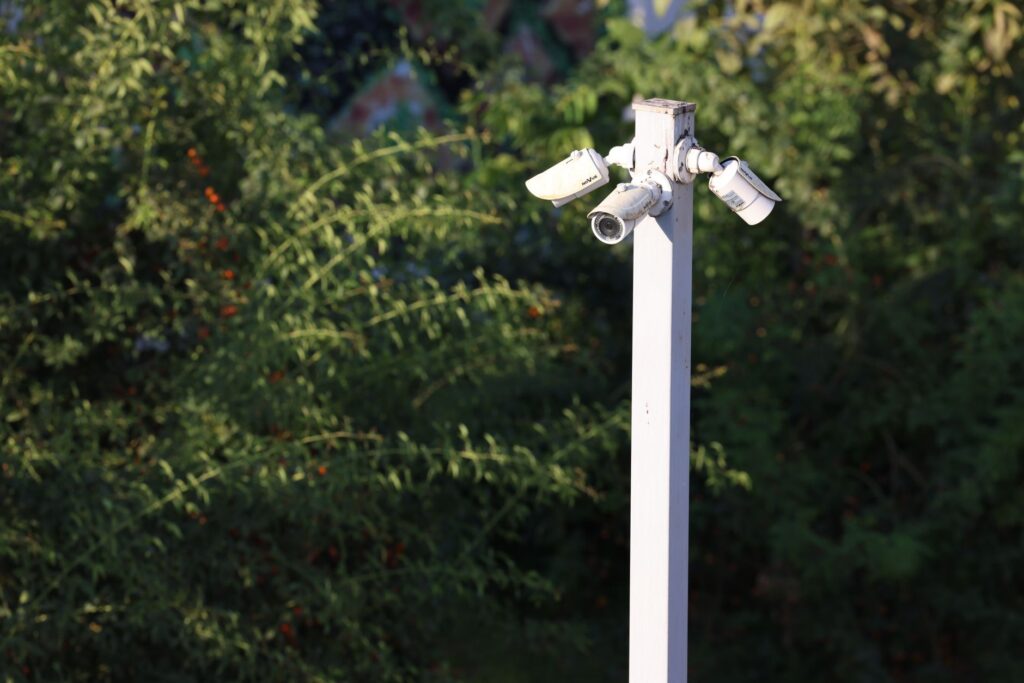
- Broken or missing security: gates that do not lock, dark outdoor lighting, cameras that do not work or record
- No security guards despite a known history of violence — or guards who were absent or too few
- Ignored complaints from tenants, guests, or employees about safety problems
- A high-crime location paired with an owner who cut security to save money
In the negligent security cases we handle, this proof rarely sits in one place. We gather police records, past-incident histories, area crime data, maintenance logs, security-contract records, and witness accounts. Together, these build the picture.
Have questions about what happened?
Ask our team directly. The first conversation is free, confidential, and there is no obligation to continue.
What We Investigate and Prove for You
To win a negligent security claim, we prove five things. Each one matters.
- Duty — The owner owed you a duty to provide reasonable security.
- Foreseeability — The crime was foreseeable, given prior incidents and known conditions.
- Breach — The owner failed to take reasonable security steps.
- Causation — That failure allowed the attack and caused your injury.
- Damages — Your losses: medical bills, future care, lost income, lost earning power, and pain and suffering. In fatal cases, we pursue the family’s losses.
We also find every party who may be responsible. That means the property owner, management companies, and security contractors.
How Working With Us Works: Step by Step
Here is what to expect when you contact us, from the first call through trial if needed.
- Free case evaluation — You tell us what happened. We listen and explain your options in plain words, at no cost.
- Investigation — We move fast to save evidence. Video, records, and the scene can disappear quickly. We pull the property’s crime history.
- Building the case — We gather prior incidents, document security failures, and bring in expert witnesses.
- Claim and negotiation — We present the case to the responsible parties and their insurers.
- Litigation if needed — We are ready to file suit and go to trial when a fair offer is not made.
Every case is different. We cannot promise a result or a timeline. But acting early always helps protect evidence.
Why Choose CHG Personal Injury Lawyers
We focus on catastrophic and fatal injury cases. These are the complex, high-stakes claims these attacks create.
- Licensed attorneys admitted to the Florida Bar. We are based in Florida and serve Miami, Orlando, Tampa, and Jacksonville — and we take cases nationwide.
- Plain-language guidance — we explain the law without jargon.
- Bilingual support in English and Spanish for you and your family.
We do not make promises about outcomes. What we can tell you is how we approach these cases and how hard we fight for the people we represent.
Frequently Asked Questions
Can I sue a property owner for an attack committed by someone else?
Yes. If the crime was foreseeable and the owner failed to provide reasonable security, the owner may share the blame for your injury. This is called a premises liability claim.
What if the attacker was never caught?
You may still have a claim against the property owner. The civil case against the owner is separate from any criminal case against the attacker.
What crimes can lead to a claim?
Assaults, shootings, stabbings, robberies, and sexual assaults that cause serious permanent injury or death.
How is this different from criminal charges?
Criminal charges punish the attacker. This is a civil claim about the owner’s negligence and your compensation.
What does it cost to talk to you?
The case evaluation is free and confidential.
How long do I have to file in Florida?
For most Florida negligence claims that started on or after March 24, 2023, the deadline is two years under Fla. Stat. §95.11. Deadlines vary by state, so contact us promptly. Florida also uses a modified comparative-fault rule under Fla. Stat. §768.81.
Want to know where you stand?
Tell us what happened and our team will walk you through the options available to you, at no cost.
Talk to Us About What Happened
You did not cause this. You should not carry the cost of someone else’s failure alone. The sooner we start, the more evidence we can protect.
Contact CHG Personal Injury Lawyers for a free, confidential case evaluation — in English or Spanish. No obligation, no jargon, just straight answers about your options and your personal injury claims.
What Makes a Property Owner Liable
Foreseeable Risk
The owner knew—or should have known—that crimes or attacks were likely to happen at that location based on past incidents or the area's history.
Failure to Provide Security
The owner failed to take reasonable steps to prevent harm, such as installing locks, lighting, cameras, security guards, or maintaining the property safely.
Your Injury
You were physically harmed as a result of the attack or crime—whether assaulted, shot, robbed, sexually assaulted, or otherwise injured on the property.
The Attacker Doesn't Have to Be Caught
Many people believe they can only sue if the person who hurt them is identified or prosecuted. That's not true. Your claim is against the property owner for failing to provide reasonable security—not against the attacker. You can move forward even if the attacker was never found or arrested.
Common Negligent Security Scenarios
Apartment Complexes & Residential Buildings
Broken locks, missing gates, poor lighting in hallways or parking areas, lack of security cameras, or no gate attendant—allowing unauthorized entry or making residents vulnerable to attack.
Parking Lots & Garages
Inadequate lighting, no security presence, broken cameras, or lack of patrols in areas where robberies, assaults, or carjackings occur—especially in locations with a known history of crime.
Hotels & Motels
Broken door locks, malfunctioning security systems, no front desk security, or failure to respond to reports of suspicious activity—leaving guests vulnerable to assault or robbery.
Bars, Nightclubs & Retail Locations
Lack of trained security staff, no incident response plan, poor lighting outside entrances, or failure to remove aggressive patrons—leading to fights, shootings, or assaults on customers.
Steps to Take After an Attack on Someone Else's Property
Report to Police & Get Documentation
File a police report immediately. Request a copy of the report and note the case number. This creates an official record of the incident and helps establish what happened.
Seek Medical Care
Get medical attention right away, even if your injuries seem minor. Medical records document your injuries and create a timeline of harm. Keep all bills, test results, and treatment notes.
Preserve Evidence at the Scene
Take photos of the property's security (or lack of it)—broken locks, missing lights, absent cameras, or poor visibility. Note the date, time, and any witnesses. Ask the property owner or manager about prior incidents.
Contact an Attorney
Reach out to a law firm that focuses exclusively on negligent security and premises liability claims. An early conversation can protect your rights and help you understand what happened and what comes next.
Why Property Owners Can Be Held Responsible
Legal Duty to Protect
Property owners have a legal duty to maintain reasonably safe premises and to protect visitors and residents from foreseeable harm—including foreseeable crime.
Foreseeability Matters
If similar crimes have occurred at the property or in the area before, the owner is on notice that an attack is foreseeable. Ignoring that risk and failing to add security is negligence.
Reasonable Security Standards
Courts look at what a reasonable property owner would do under the same circumstances—such as installing working locks, adequate lighting, cameras, or hiring security personnel.