
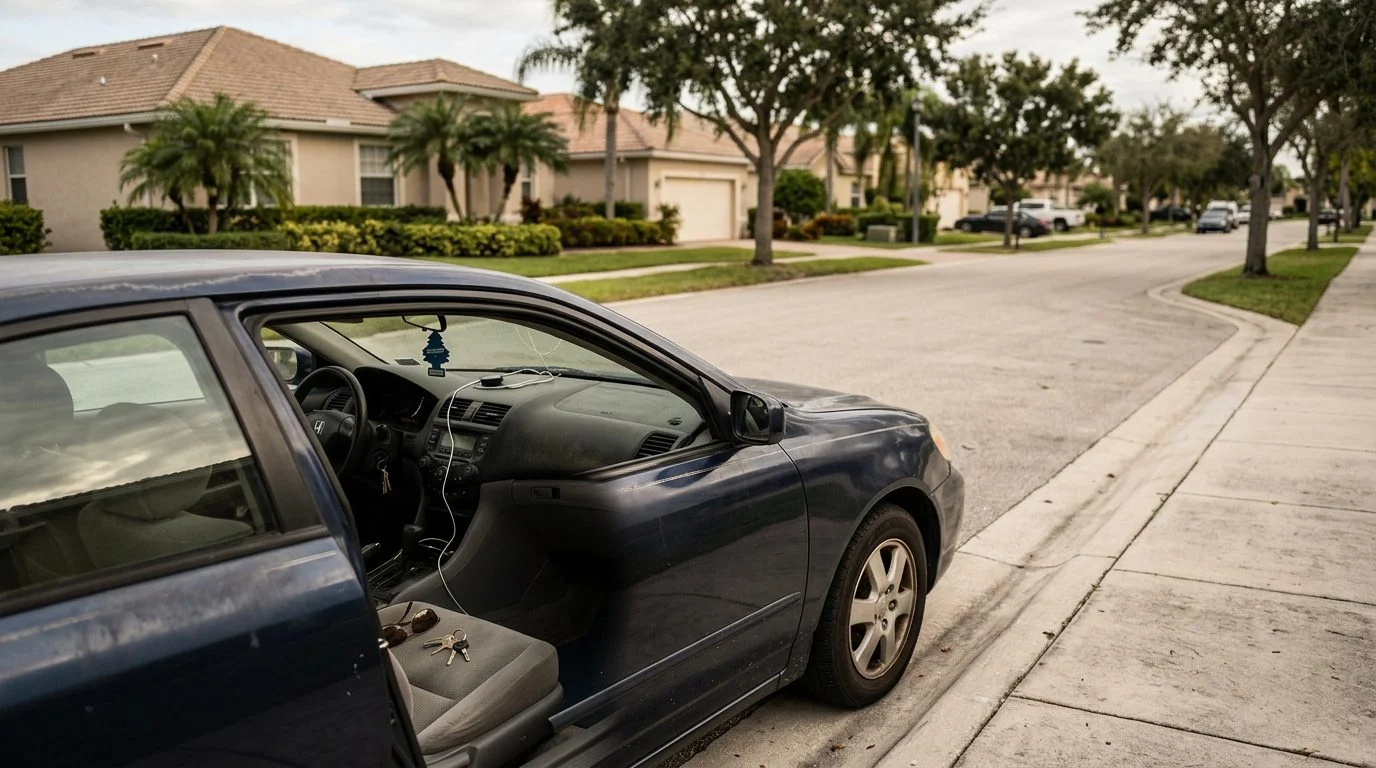
Wrongful Death | West Palm Beach, Florida
When a Loss Is Someone Else's Fault, Your Family Deserves Answers
Losing a loved one is devastating. Here is how Florida families in West Palm Beach can think about their options, protect important evidence, and find a lawyer who will listen.
By CHG Lawyers · Published November 17, 2026
Wrongful Death in West Palm Beach: A Family’s Guide
Sometimes a person dies in a crash or an attack in West Palm Beach. Paperwork and phone calls can arrive before the family has time to grieve.
Florida law lets certain family members seek justice when another person’s wrongful act or negligence causes a death. Negligence means failing to take reasonable care.
This type of case is called a wrongful death claim. The decedent’s personal representative brings the claim. The personal representative is the person named to handle the deceased person’s affairs. The claim is brought for the survivors and the estate. Survivors are the family members the law protects. The estate is the property the person left behind.
This guide explains how these rules work. It includes local context for West Palm Beach and Palm Beach County. Every case depends on its own facts and records.
Igor Hernandez is the responsible lawyer for this page at CHG Personal Injury Lawyers, a Florida-based firm.
If your loved one died after a crash, fall, or attack in West Palm Beach, you may have a claim to review. Talk it through with our team — the first consultation is free, confidential, and carries no obligation.
When a Wrongful Death in West Palm Beach Raises Legal Questions
A sudden death can leave a family with questions they never expected. Within days, you may receive:
- A police or crash report
- A notice from the medical examiner
- Hospital bills
- Calls from insurance adjusters
Your family may live near the lights of Clematis Street or farther out in Palm Beach County. Most families ask the same questions:
- What happened?
- Who is responsible?
- What does the law allow?
Families who lose a loved one in an accident often have many questions about their rights. Our lawyers can explain how these claims work in a specific case.
The responsible party may be legally required to pay damages, which means money compensation. This is true even though the injured person died. Fla. Stat. § 768.19 sets out that rule. It applies when a death is caused by a wrongful act, negligence, default, or breach of contract or warranty, and the injured person could have brought a case and recovered damages if death had not followed.
Grief makes it hard to think clearly about deadlines and money. Asking questions early helps a family understand its options. It also gives you time to gather the most important records while details are still fresh.
Who Can File a Wrongful Death Claim Under Florida Law
The personal representative files the claim. The representative brings it for the benefit of the survivors and the estate. The rules are in the Florida Wrongful Death Act, which covers sections 768.16 through 768.26.
The law defines survivors in specific terms. Under Fla. Stat. § 768.20, the personal representative brings the claim. That person recovers for everyone the Act covers.
Survivors may include:
- The decedent’s spouse
- The decedent’s children
- The decedent’s parents
Every family’s details matter. Think about:
- Who shared the household bills
- Who handled childcare
- Who relied on the person who died
These facts can shape who qualifies. Bring these questions to our team early. We can talk through how the rules may apply to your family.
What Florida’s Wrongful Death Act Covers
Florida’s damages rules list specific categories. Damages are the money a family may recover.
Under Fla. Stat. § 768.21, each survivor may recover the value of lost support and services, both past and future.
- Support means money and other help, such as paying bills or providing housing.
- Services means regular household tasks, like childcare, cooking, or home repairs.
A surviving spouse may also recover for the loss of companionship and protection. A surviving spouse may also recover mental pain and suffering from the date of injury.
Minor children may recover for lost parental companionship, instruction, and guidance. When there is no surviving spouse, all children may recover these losses. Each parent of a deceased minor child may recover for mental pain and suffering.
The estate may recover the decedent’s lost earnings. This covers the period from the date of injury to the date of death. The amount is reduced by lost support of survivors. It does not count contributions in kind. The amount includes interest.
A survivor who paid medical or funeral expenses may recover them. The estate may recover them when those costs have become a charge against the estate or were paid by or on behalf of the decedent, excluding amounts a survivor may recover for paying them.
We cannot predict what any case may be worth.
If a survivor objects to a settlement, or a minor survivor is affected, the court must approve it.
How a Wrongful Death Lawsuit Is Built
A wrongful death lawsuit usually asks two questions:
- Did someone else’s careless or wrongful act cause the death?
- What losses did the family suffer as a result?
In general terms, the family must connect the other party’s conduct to the death.
Evidence often shapes the claim. Useful evidence can include:
- Crash reports
- Witness statements
- Surveillance footage
- Medical and autopsy records
- Property maintenance logs
Florida also compares each party’s share of fault. Under Fla. Stat. § 768.81, in a negligence action, a party found greater than 50 percent at fault for his or her own harm may not recover any damages, but this does not apply to personal injury or wrongful death actions arising out of medical negligence under chapter 766.
Claims may involve insurers, property owners, employers, vehicle owners, or other parties. Our team looks at who may be responsible.
Outcomes depend on the evidence. They also depend on how the law applies to that evidence. No lawyer can promise a particular result.
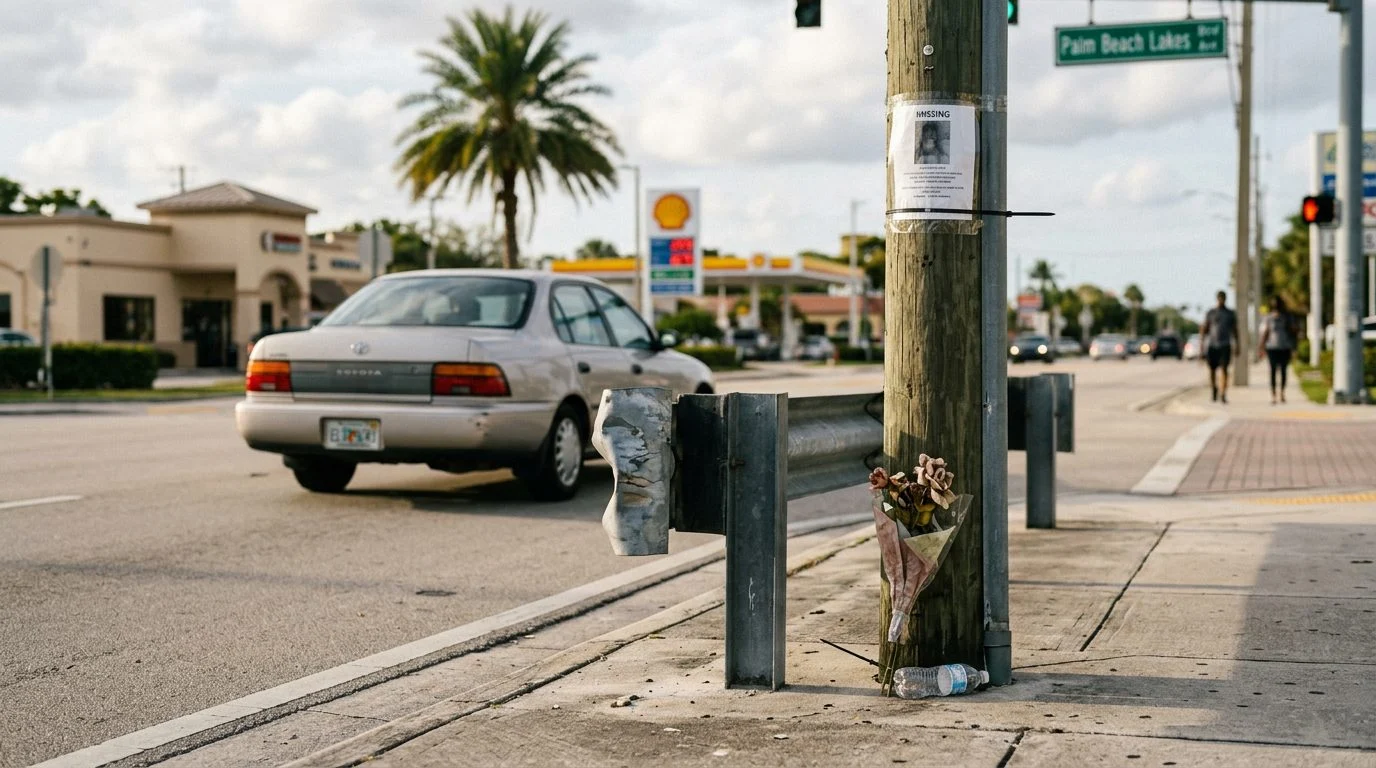
Incidents That Lead Palm Beach County Families to Ask About a Claim
Many families first ask about a claim after a fatal crash. Other accidents can lead to the same question. Deaths in and around West Palm Beach can happen in many different ways.
Common examples include:
- Car and truck crashes
- Motorcycle and bicycle collisions
- Pedestrian strikes
- Construction zone accidents
- Drowning and Jet ski incidents
- Electrocution
- Falls
Busy roads carry heavy daily traffic. These include Interstate 95, Florida’s Turnpike, Southern Boulevard, and Okeechobee Boulevard. Families involved in crashes on these roads often need the same records. These include the crash report, photos, and witness names.
When a commercial truck is involved, families may ask about two things:
- The company that operated the truck
- The person or company that owned it
These questions affect which records matter. They also affect who may need to be identified.
Whatever the incident, the first questions are usually practical:
- Where is the report?
- Who saw what happened?
- What records do the hospital and the medical examiner hold?
These answers help shape what comes next. They are easier to gather early.
Not sure what your next step is?
Talk it through with our team — the first consultation is free, confidential, and carries no obligation.
When a Violent Attack on Someone Else’s Property Ends in Death
Sometimes a person is attacked and killed on someone else’s property. The family may have a claim against the property owner or manager. Consider these examples:
- A worker closing a gas station at night
- A resident coming home to an apartment complex where a gate would not close and a light had been out for weeks
Hotels, bars, nightclubs, stores, and ATMs can be part of these situations too.
Lawyers call this type of case negligent security. In plain terms, it means the owner did not provide reasonable protection. Security measures on a property can include:
- Working locks and gates
- Good lighting
- Cameras
- Guards
More than one party may share responsibility for an injury. That question can be important in cases involving an attack on someone else’s property.
Investigators often look at:
- Prior incidents on the property
- The lighting
- The locks
- Where cameras were placed
These records show what the owner did to keep people safe. They help a family understand whether the property’s security was reasonable.
Florida Deadlines and the First Steps Families Can Take
Florida sets filing deadlines for wrongful death claims. Do not assume you have time. Contact a lawyer promptly.
Florida generally allows two years for a negligence action. Wrongful death actions fall under the same two-year rule. Fla. Stat. § 95.11 sets out that period and some exceptions.
These steps can help a family right away:
- Request the crash report. Ask early. It can take time to become available.
- Keep hospital and medical examiner paperwork. Store notices, bills, and discharge or autopsy documents in one place.
- Save photos, messages, and receipts. Digital evidence can disappear, so save it early.
- Write down witness names. Note what each person said while memories are fresh.
- Follow the guidance of your doctors and the medical examiner’s office. Their care comes first.
- Expect early calls from insurers. You do not need to decide anything on the spot.
How long does a family have to file?
Florida generally allows two years for a negligence action under § 95.11. Deadlines vary by case. Contact a lawyer promptly.
Can a family get the crash report?
Ask about the crash report early. It can take time to become available.
How the Firm Handles Wrongful Death Matters for West Palm Beach Families
CHG Personal Injury Lawyers handles wrongful death cases for families across Florida. This includes families in West Palm Beach and Palm Beach County.
The firm is Florida-based. It handles personal injury cases of every severity. These range from everyday accidents to catastrophic injuries and deaths.
Igor Hernandez is the responsible lawyer for this page. Our lawyers and staff work with families to:
- Gather records
- Explain the law in plain terms
- Talk through options
Our team takes the time to listen first. Families often arrive with questions about paperwork, insurers, and who may be responsible.
We explain each step so the family can decide with clear information. Our team can also explain how the location where a case is filed may affect its process and timing.
CHG charges no attorney’s fees and no case costs unless there is a recovery.
Talk With Our Team About Your Family’s Next Step
A family deciding whether to pursue a wrongful death claim can start with one conversation. If your loved one died after a crash, fall, or attack in West Palm Beach, you may have a claim to review.
Before you decide whether to request the crash report, speak with an insurer, or file, contact CHG for a free, confidential first consultation. There is no obligation to continue.
How CHG Personal Injury Lawyers Can Help Your Family
We Start with Your Family
Our team takes the time to understand who your loved one was and what your family has lost, before anything else.
Careful Review of the Facts
We look at crash and incident reports, records, and other evidence to understand how the death happened and who may be responsible.
Advocacy in Florida
The firm represents families throughout Florida, including West Palm Beach and Palm Beach County, and pursues the accountability your family is seeking.
Clear Communication
We explain each step in plain language so you know what is happening and what comes next.
Practical Next Steps
We help you think through the paperwork, medical records, and questions that often arise in the weeks after a loss.
A Free First Consultation
The initial consultation is free, confidential, and carries no obligation to continue.
Steps Families Can Take Now
Gather What You Have
Keep the crash or incident report number, photographs, witness names, and any messages or notes about what happened.
Keep Medical and Funeral Records
Save hospital, coroner, and funeral paperwork. These records can help explain what happened and what your family has lost.
Ask About the Official Report
Request the crash or incident report as early as you can. It may take time to become available, so starting early helps.
Speak with a Lawyer Promptly
Florida deadlines apply to wrongful death claims. Contact our team early so that important steps are not delayed.
Important: Do Not Wait to Ask Questions
Wrongful death claims are time-sensitive. Evidence can be lost, and records can become harder to obtain with time. If you are unsure what to do, reach out to our team now. Follow the guidance of your family's doctors and other professionals throughout this difficult time.