
Wrongful Death in Coconut Creek, Florida
When a Loved One Dies Because of Someone Else's Carelessness, Your Family Does Not Have to Face It Alone
CHG Personal Injury Lawyers helps families across Florida understand their options after a sudden, preventable loss.
By CHG Lawyers · Published November 17, 2026
Wrongful Death in Coconut Creek: A Guide for Florida Families
Yes, Florida law allows a wrongful death claim for certain family members in Coconut Creek when another person’s wrongful act, negligence, or default causes a death, and the claim is brought by the decedent’s personal representative.
The call often comes without warning. A crash, a drowning, or an attack, and then a family trying to understand what happened. Grief and legal questions tend to arrive together. This guide takes them one step at a time, for families in Coconut Creek and across Broward County.
Not sure what your next step is?
Talk it through with our team — the first consultation is free, confidential, and carries no obligation to continue.
When a Coconut Creek Family Loses Someone Suddenly
A sudden death leaves a family with grief and hard questions at the same time. Both can be handled one step at a time.
Many Coconut Creek families first hear the news from a hospital, a police officer, or a medical examiner’s office. Questions about what happened, when, and who was involved can crowd out everything else. That reaction is normal.
CHG Personal Injury Lawyers is a Florida-based personal injury firm that represents families in wrongful death matters. Igor Hernandez is the responsible lawyer for this page. A loss can change how even a familiar place feels.
This guide covers Florida law and the kinds of fatal incidents that happen in Coconut Creek and Broward County. It is general information, not advice about your family’s specific claim.
Fatal Accidents That Affect Coconut Creek Families
Fatal crashes, drownings, and violent attacks on property can all lead to a wrongful death claim when another party’s wrongful act or negligence contributed to the death.
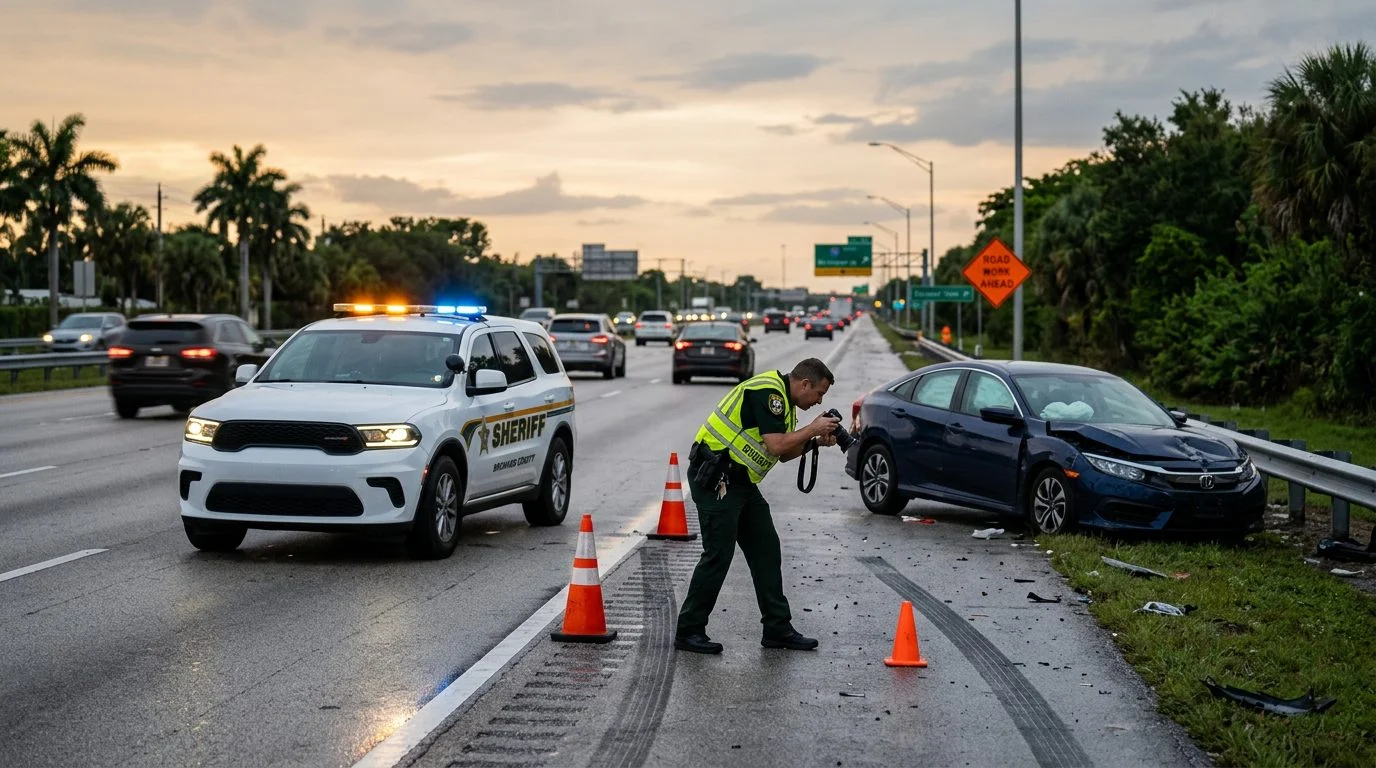
Crashes on busy roads can end in a death, whether the vehicles involved are cars, commercial trucks, motorcycles, or bicycles. Pedestrians are also at risk. The National Highway Traffic Safety Administration tracks traffic deaths through its Fatality Analysis Reporting System.
ATV and Jet Ski accidents can also be fatal. Drownings in ponds, canals, and other waterways happen too. A family may look at whether a waterfront owner or another party failed to act reasonably.
Violent crime is another kind of case. Picture a parking garage where the gate won’t close, the lights are out, and the cameras have been broken for months. Someone is attacked there and dies. The family may have a claim against the property owner. Lawyers call this kind of case negligent security.
Can You Sue for Wrongful Death in Florida?
Yes. The party who would have been liable had the person lived is liable under the Act if the event would have entitled the person injured to maintain an action and recover damages if death had not ensued (Fla. Stat. § 768.19).
Under Fla. Stat. § 768.18, the surviving spouse, children, and parents are the primary survivors, and certain blood relatives and adoptive brothers and sisters can also qualify if they depended on the person for support or services (Fla. Stat. § 768.18).
Under Fla. Stat. § 768.20, when a personal injury results in death, no separate personal-injury action survives the death, and losses from the injury are pursued through the wrongful death claim under § 768.21. Families should contact our firm promptly.
The action is brought by the decedent’s personal representative. The personal representative recovers for the benefit of the decedent’s survivors and estate (Fla. Stat. § 768.20).
What a Florida Family May Be Able to Recover
Florida law lets survivors recover the value of lost support and services. A surviving spouse may also recover for loss of the decedent’s companionship and protection and for mental pain and suffering. Minor children, or all children when there is no surviving spouse, may recover for lost parental companionship, instruction, and guidance. Which losses a survivor may recover depends on their relationship to the person who died.
A survivor who paid medical or funeral bills may recover them (Fla. Stat. § 768.21).
Under the Act, the surviving spouse may recover for loss of the decedent’s companionship and protection in the wrongful death claim.
Is a Wrongful Death Lawsuit Worth It?
The honest answer turns on the evidence and the losses the family can show. No one can promise an amount. A careful look at the facts comes first.
How Long Does a Case Take?
Timing varies from case to case. We can’t predict how long a claim will take. While a wrongful death action is pending, a settlement as to amount or apportionment among the beneficiaries is not effective unless the court approves it if a survivor objects to it or it affects a survivor who is a minor or an incompetent (Fla. Stat. § 768.25).
The Two-Year Deadline and Why Early Action Matters
Under Florida law, an action founded on negligence generally must be commenced within two years, and an action for wrongful death is generally subject to the same two-year period, except that under Fla. Stat. § 95.11 subsection (11), a wrongful death action brought against a natural person for an intentional tort resulting in death from acts described in s. 782.04 or s. 782.07 may be commenced at any time.
Deadlines apply to every family’s claim. Don’t wait to ask questions. Contact our team promptly so the time limit doesn’t slip by.
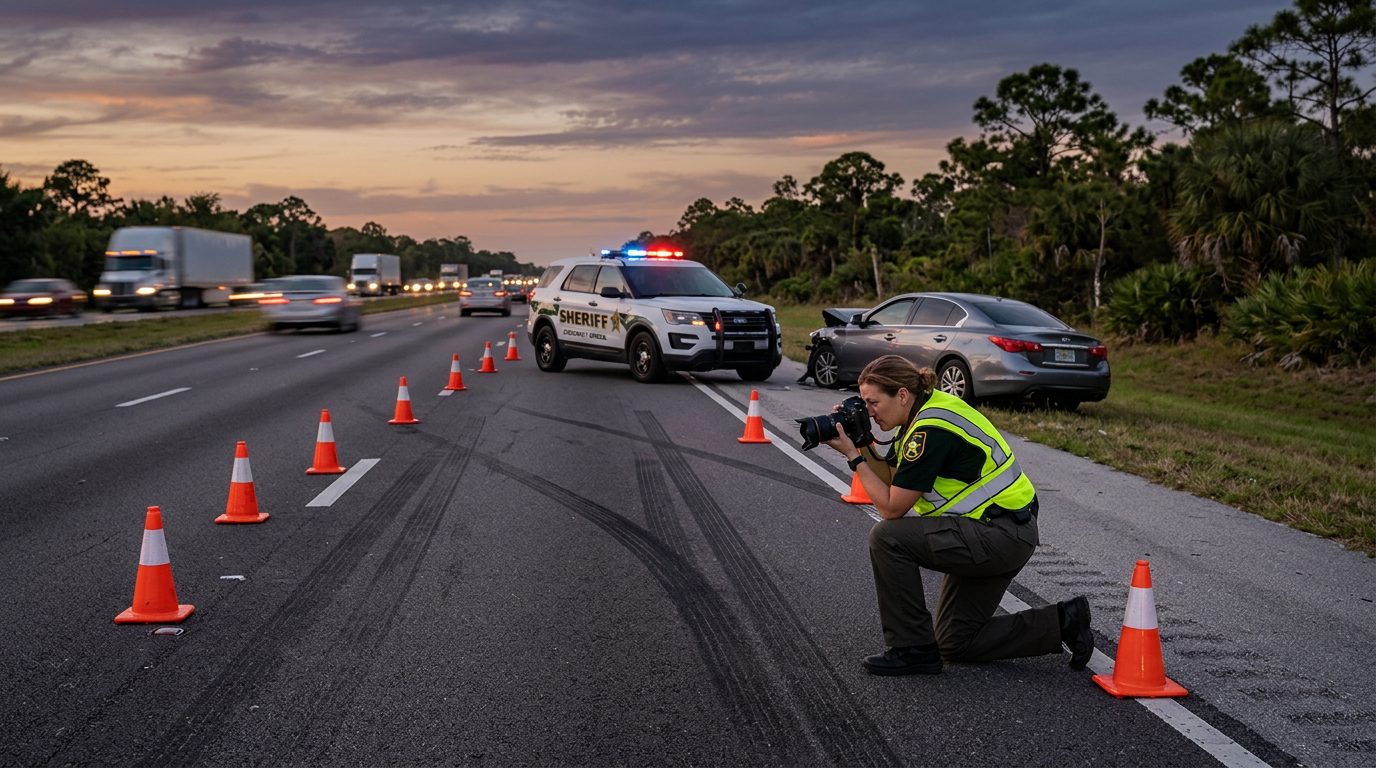
Evidence can disappear quickly. Crash and police reports, surveillance video, vehicle data, witness names, and photos of the scene are often time-sensitive. Keeping copies of what you already have makes the work easier.
Families should follow the guidance of their doctors and the medical examiner’s office. We do not give medical advice.
Not sure what your next step is?
Talk it through with our team — the first consultation is free, confidential, and carries no obligation to continue.
Who May Be Responsible and How Fault Is Decided
A duty of care is a legal responsibility to act with reasonable care toward others.
Possible responsible parties include negligent drivers, trucking and delivery companies, property owners, and others whose conduct contributed to the death. Fault can be shared among several parties.
Florida uses comparative fault, which means fault is shared by percentage. Under Florida’s comparative fault statute, a party found greater than 50 percent at fault for his or her own harm may not recover any damages in a negligence action to which the statute applies, except for personal injury or wrongful death claims arising out of medical negligence under chapter 766 (Fla. Stat. § 768.81).
Proving fault is built from records and witness statements. Your family’s documents, photos, and notes can help that process.
What Happens When You Contact CHG Personal Injury Lawyers
Your first step is a free, confidential case evaluation with no obligation to continue. CHG charges no attorney’s fees and no case costs unless there is a recovery.
You don’t need documents to call. It helps to have the date and place of the incident, any police or crash report number, and the names of hospitals or medical examiner offices involved. Write down what you remember while it’s fresh.
CHG is a Florida personal injury firm. Our attorneys are licensed in Florida and admitted to The Florida Bar. Our team will review the facts with your family, explain your options, and answer questions in plain language.
Wrongful Death in Coconut Creek and Nearby Broward County
Under Fla. Stat. § 768.19, when a person’s death is caused by another’s wrongful act, negligence, default, or breach of contract or warranty, the party that would have been liable for damages had the person lived shall be liable for damages, even though the death occurred, if the event would have entitled the person injured to maintain an action and recover damages had death not ensued.
The location of a case can shape how the process unfolds, and we can explain how that works for your family.
A fatal incident can cross city lines. Families with a loss connected to Dania Beach, Hallandale Beach, or Oakland Park can talk with us about how it fits into their case.
Talk With Our Team About Your Family’s Next Step
Many Florida wrongful death claims have a two-year deadline, so timing can matter for your family, whether the claim involves a fatal crash, a drowning, or a violent attack. You don’t have to sort out the law and the grief on your own.
Igor Hernandez and the team at CHG Personal Injury Lawyers can review what happened in a free, confidential case evaluation. We cannot promise any outcome, but we can help you understand your options. Request your free case evaluation and take the next step with us.
What Families Often Do Next
Keep the Records
Save medical bills, death certificates, accident or police reports, photos, and any messages about the incident. Keeping these in one place makes them easier to review later.
Follow the Care Team's Guidance
Your loved one's doctors and the medical team at the hospital or coroner's office are the right sources for medical questions. Our role is to help with the legal questions.
Write Down What You Remember
Note who was involved, where and when the incident happened, and who has spoken with you. Details fade over time, so writing them down early can help.
Talk With a Lawyer Early
Deadlines apply to wrongful death claims in Florida. Contacting our team promptly gives us the best chance to look at the facts while they are still fresh.
Why Coconut Creek Families Contact CHG
Florida-Based Firm
CHG Personal Injury Lawyers is a Florida-based firm that represents families throughout Florida, including Coconut Creek and Broward County.
Licensed Attorneys
Our lawyers are licensed attorneys admitted to The Florida Bar, and Igor Hernandez is the responsible lawyer for this page.
Compassion First
We understand that a wrongful death case begins with a family's grief. We listen carefully and explain each step in plain language.
Free, Confidential Consultation
The initial consultation is free, confidential, and carries no obligation to continue.
No Fees Unless There Is a Recovery
CHG charges no attorney's fees and no case costs unless there is a recovery.
Don't Wait to Ask Questions
Every family's situation is different, and the facts matter. Reach out to our team as soon as you are ready to talk. A conversation costs you nothing and does not commit you to anything.