

Negligent Security | Violent Crime on Property
Who Pays When You're Attacked on Someone Else's Property?
If you were assaulted, shot, or injured in a violent attack at an apartment complex, parking garage, hotel, or business, the property owner may be liable for your injuries.
By CHG Lawyers · Published September 24, 2026
Who Pays for Spinal Cord Injury from a Violent Attack on Property
You were attacked at an apartment complex, parking garage, hotel, or other business property. The injury is catastrophic: a stab wound, gunshot, or blunt-force trauma that damaged your spinal cord. You’ve lost the ability to walk. Now you face emergency surgery, intensive rehabilitation, and a lifetime of medical care—often costing more than $1 million in the first year alone.
Your first question: Who pays?
Often, the answer is the property owner. If the owner failed to provide reasonable security—working locks, adequate lighting, security cameras, or personnel—and that failure enabled an attack that caused your spinal cord injury, the owner may be held legally and financially responsible. This is called negligent security, a form of premises liability under Florida law.
Understanding who pays and what comes next helps you protect your rights and your family’s future.
Not sure what your next step is?
Talk it through with our team — the first consultation is free, confidential, and carries no obligation.
When Property Owners Are Liable for Violent Attacks
Property owners have a legal duty to maintain reasonably safe premises. That duty includes protecting visitors from foreseeable violent crime.
Foreseeability is the key concept. If similar crimes—assaults, robberies, shootings—have occurred at that property or nearby, the owner should have anticipated the risk. They can’t claim surprise. Under Florida premises liability law, property owners must take reasonable steps to prevent crimes they knew (or reasonably should have known) were likely to occur.
When a property owner knows about a security risk and does nothing, they breach that duty. They fail to install working locks or gates. They leave parking areas dark. They don’t install security cameras. They don’t hire security personnel.
That breach—the gap between what they should have done and what they actually did—is negligent security. When that breach directly enables an attack that causes you a catastrophic spinal cord injury, the owner becomes liable.
In plain language: if a property owner fails to take reasonable steps to prevent crime they should have foreseen, and you’re seriously hurt as a result, the owner may be financially responsible.
The Permanent Impact of Spinal Cord Injury
A spinal cord injury from violent attack often means permanent paralysis. Paraplegia (paralysis of the lower body) or quadriplegia (paralysis of all four limbs) changes every aspect of life.
According to the National Spinal Cord Injury Statistical Center (NSCISC), the average first-year cost of care for a 25-year-old with paraplegia is approximately $1.1 million. Annual expenses after that run $15,000 to $30,000. For quadriplegia, first-year costs exceed $1.6 million, with annual costs of $30,000 to $50,000 or more.
These costs include:
- Emergency surgery and hospitalization
- Acute rehabilitation (often 2–3 months in specialized centers)
- Ongoing medical management and specialist care
- Adaptive equipment (wheelchairs, pressure-relief systems, transfer equipment)
- Home modifications (ramps, accessible bathrooms, widened doorways)
- Nursing and personal care assistance
- Medications and wound care
Over a 40-year lifespan post-injury, total costs can exceed $2–4 million for paraplegia and $3–5 million for quadriplegia. The property owner’s negligence that enabled the attack is the direct cause of these lifetime expenses.
Who Pays: Insurance and Liability Sources
The property owner’s general liability insurance typically covers bodily injury claims from premises liability. This includes injuries from violent attacks caused by inadequate security. These policies usually carry limits of $1 million to $2 million per occurrence.
Many property owners also carry umbrella or excess liability policies. These provide additional coverage when primary policy limits are exhausted. For catastrophic spinal cord injuries—which routinely exceed $1 million in the first year—those extra layers are often necessary.
If insurance limits are insufficient, you may pursue the property owner’s personal assets. However, insurance is usually the more reliable source of recovery.
The attacker is also liable for your injuries. But attackers are often judgment-proof—they have no income, assets, or insurance. The property owner, by contrast, has insurance and assets. That’s why negligent security claims focus on the owner’s failure to prevent foreseeable crime.
What Compensation Covers in a Negligent Security Case
Damages in a negligent security case involving catastrophic spinal cord injury typically include:
- Emergency and ongoing medical expenses: surgery, hospitalization, rehabilitation, physical therapy, and long-term medical management.
- Lifetime care costs: nursing, personal assistance, adaptive equipment, home modifications, and specialized medical equipment.
- Lost wages and earning capacity: income lost during recovery and permanent loss of earning potential (often substantial for someone injured in their working years).
- Pain and suffering: physical pain, emotional trauma from the attack, and psychological impact of permanent paralysis.
- Loss of enjoyment of life: inability to participate in activities, relationships, and independence you had before.
- Punitive damages: in some cases, if the property owner’s conduct was grossly negligent or reckless (for example, ignoring documented prior violent crimes at the property).
Factors That Strengthen a Negligent Security Claim
Several factors make a negligent security claim stronger:
- Prior criminal activity at the property: police reports documenting assaults, robberies, or shootings establish foreseeability.
- Incident logs or complaints from residents or visitors about safety concerns.
- Inadequate lighting in parking areas, hallways, or common spaces (measured in foot-candles; industry standards typically call for 5–10 foot-candles in parking areas).
- Broken locks, gates, or access-control systems that don’t function or are left unsecured.
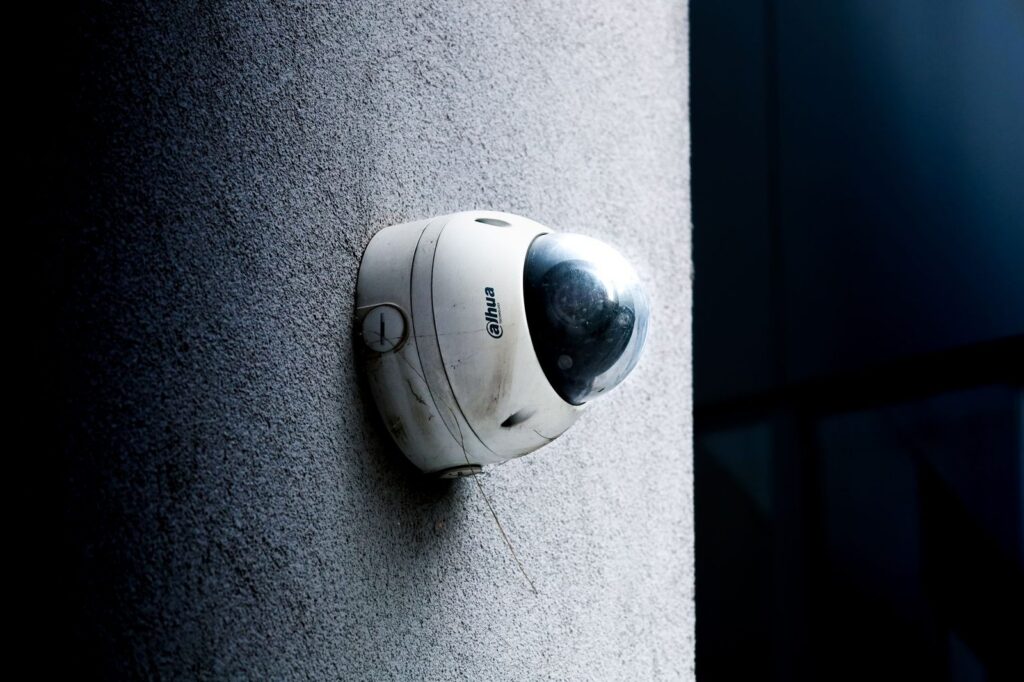
- Lack of security cameras or monitoring in vulnerable areas, or cameras that don’t record or aren’t monitored.
- No security personnel despite a high-crime location or prior incidents.
- Property owner’s documented knowledge of security risks (emails, maintenance requests, prior complaints) and failure to address them.
- Industry standards: what similar properties in that location provide for security.
When investigating negligent security claims, we examine prior crimes, security gaps, and the owner’s knowledge. Police reports, incident logs, security footage, maintenance records, and expert testimony strengthen the case.
Have questions about what happened?
Ask our team directly. The first conversation is free, confidential, and there is no obligation to continue.
Common Defenses Property Owners Raise—and Why They Often Fail
Property owners and their insurers will try to shift blame. Here are common defenses—and why they don’t hold up:
“The attacker was a third party; we’re not responsible.”
Property owners can be liable if they failed to take reasonable precautions against foreseeable crime. The attacker’s actions don’t erase the owner’s duty to provide reasonable security.
“We didn’t know an attack would happen.”
Foreseeability doesn’t require perfect prediction. It’s based on prior incidents, crime statistics, and what the owner knew or should have known. If similar crimes occurred at that property or nearby, foreseeability is established.
“The victim was trespassing.”
Most premises liability law protects invitees (customers, residents, guests) and licensees. Trespasser status may limit but doesn’t eliminate the owner’s liability, especially if the property is open to the public.
“The victim should have been more careful.”
Under Florida’s comparative negligence rule, Fla. Stat. § 768.81, your own negligence may reduce your recovery. It doesn’t eliminate the owner’s liability. If you’re 50% or less at fault, you can still recover. If you’re more than 50% at fault, you recover nothing—but the burden is on the property owner to prove your comparative fault.
Florida’s Statute of Limitations: A Hard Deadline
Time is critical. This is a strict deadline.
The statute of limitations applies to negligent security claims. Delays in seeking legal advice can cost you your entire claim.
Steps to Take After a Violent Attack
If you or a loved one has been attacked and suffered a catastrophic spinal cord injury, take these steps to protect your rights:
- Seek immediate medical care and document all injuries and treatments.
- Report the attack to law enforcement and obtain a copy of the police report (this establishes the date of injury for statute of limitations purposes).
- Preserve evidence: take photos of the property, lighting, security features (or lack thereof), locks, gates, and your injuries.
- Gather witness statements and contact information from anyone who saw the attack or the property’s security conditions.
- Document the property owner’s prior knowledge of security issues or similar incidents (ask residents, check online reviews, request incident logs).
- Keep detailed records of all medical bills, rehabilitation costs, lost income, and care expenses—these become the foundation for damages.
- Do not sign any settlement without legal review.
- Consult with an attorney who focuses exclusively on catastrophic injury claims as soon as possible—within weeks, not months.
Why You Need Legal Help for Negligent Security Cases
Negligent security cases involving catastrophic spinal cord injury are complex. Lifetime costs of paralysis care are enormous and require detailed analysis. Damages calculations require input from medical doctors (physiatrists, neurologists), vocational rehabilitation specialists, and economists.
Proving negligent security requires investigation into prior criminal activity (police records, incident logs), property records, security industry standards, and the owner’s knowledge. Expert testimony on foreseeability and causation is often necessary.
An attorney who focuses exclusively on catastrophic injuries can navigate these complexities, investigate the property owner’s conduct, negotiate with insurers, and litigate to protect your rights.
Want to know where you stand?
Tell us what happened and our team will walk you through the options available to you, at no cost.
Frequently Asked Questions
Can I sue the property owner if I was attacked by someone I knew?
Yes. The attacker’s identity is less important than whether the property owner failed to provide reasonable security. If the owner’s negligent security enabled the attack, you may have a claim.
What if the attack happened in a high-crime area?
High crime rates actually strengthen a negligent security claim. The property owner should have anticipated the risk and taken extra precautions. High crime is evidence of foreseeability.
How long do I have to file a claim?
In Florida, you have 2 years from the date of injury for a personal injury claim (Fla. Stat. § 95.11(5)(a)). Don’t delay—evidence fades, witnesses move, and the statute of limitations is strict.
What if the property owner has no insurance?
You may still pursue a claim against the owner’s personal assets, though recovery may be limited. Investigating insurance coverage early is critical.
Can I recover damages if I was partially at fault?
Under Florida’s comparative negligence rule, yes—but your recovery is reduced by your percentage of fault (Fla. Stat. § 768.81(6)). If you’re 50% or less at fault, you can recover. If you’re more than 50% at fault, you recover nothing.
What is the typical settlement range for a spinal cord injury from negligent security?
Settlements vary widely based on injury severity, lifetime care costs, lost earning capacity, and insurance limits. An attorney can evaluate your specific case.
If you or a family member was seriously hurt in a violent attack on someone else’s property, and you’re wondering whether the owner bears responsibility, reach out to discuss what happened and what your options may be.
Contact us for a free case evaluation.
We focus exclusively on catastrophic injury claims and can help you understand your rights under Florida law.
Why Property Owners Can Be Held Responsible
Duty to Protect
Property owners have a legal obligation to maintain reasonable security measures—working locks, adequate lighting, cameras, and trained security personnel—to protect visitors and tenants from foreseeable harm.
Negligent Security Claims
When a property owner fails to provide adequate security and a violent crime occurs as a result, you may have a claim for damages against the owner, even if someone else committed the attack.
Multiple Liable Parties
Responsibility may extend beyond the property owner to management companies, security firms, or other parties who failed to maintain safe conditions or respond appropriately to known risks.
Catastrophic Injury Recovery
Damages in negligent security cases can cover medical care, lost income, ongoing rehabilitation, pain and suffering, and other losses resulting from your permanent injury.
Common Negligent Security Scenarios
Apartment Complex Attack
Broken gates, non-functional locks, or missing security cameras allow an intruder to enter and assault a resident. The complex owner may be liable for failing to maintain basic security.
Parking Garage or Lot Assault
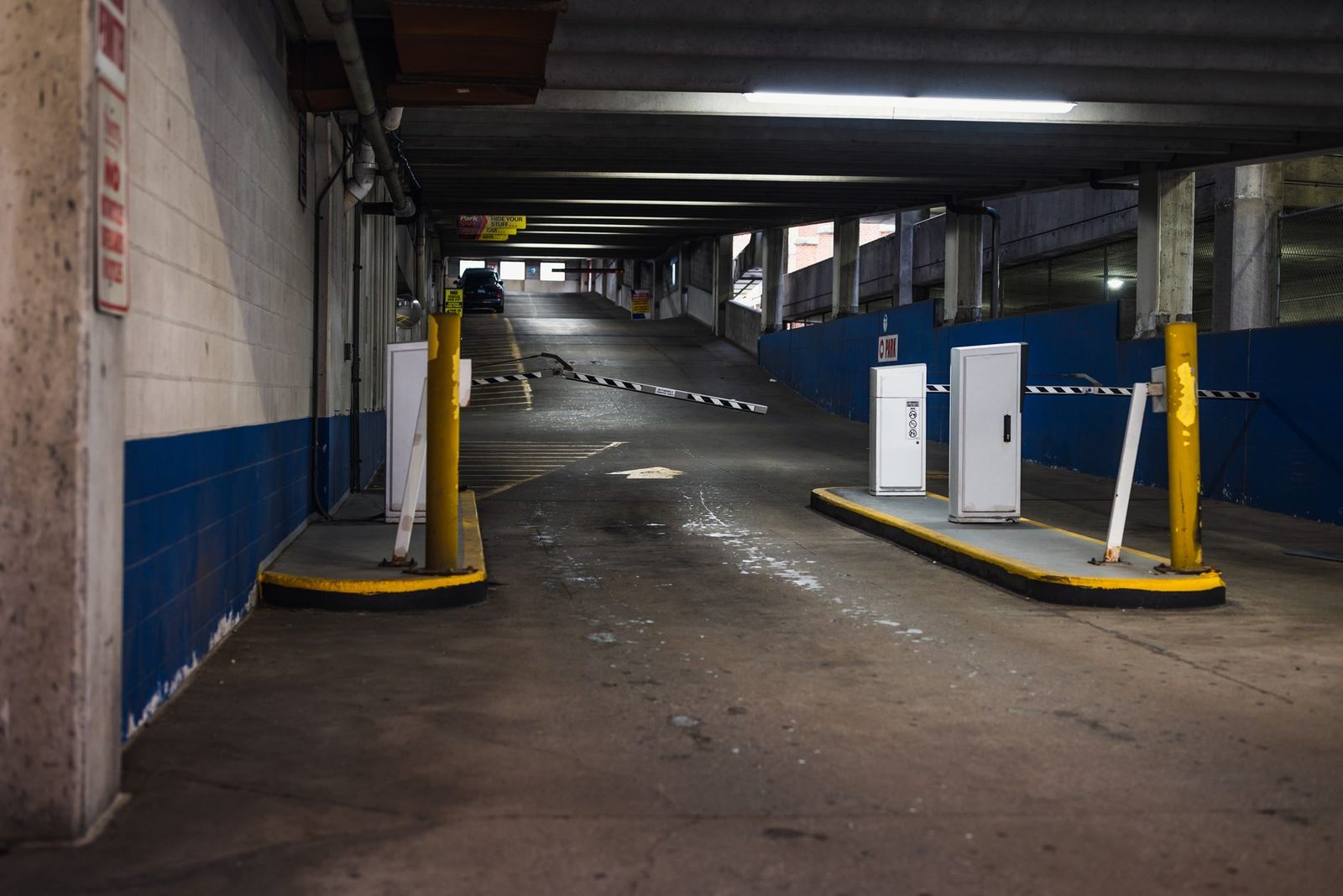
Poor lighting, no cameras, or absent security personnel create conditions where attackers operate with impunity. The property owner may be responsible for inadequate protective measures.
Hotel or Motel Violence
Insufficient locks, lack of front-desk security, or failure to respond to prior incidents may make the hotel liable when a guest is attacked in a room or common area.
Business or Retail Shooting
A store, bar, nightclub, or gas station fails to install security measures or hire guards despite known crime in the area. The owner may bear responsibility for the shooting or robbery that follows.
Time Matters
If you were injured in a violent attack on someone else's property, there are legal time limits for filing a claim. The sooner you act, the sooner we can investigate the property's security history, gather evidence, and protect your rights.
What We Can Help You Recover
Medical and Rehabilitation Costs
Emergency treatment, surgery, hospitalization, ongoing therapy, assistive devices, and home modifications needed for your recovery and long-term care.
Lost Income and Earning Capacity
Wages lost during recovery and compensation for reduced earning potential if your injuries prevent you from returning to work or earning at your previous level.
Pain, Suffering, and Emotional Trauma
Damages for physical pain, psychological trauma, loss of enjoyment of life, and the permanent changes to your quality of life caused by the attack and your injuries.
Future Care and Support
Compensation for ongoing medical care, personal assistance, mobility aids, and other support you will need for the rest of your life due to your catastrophic injury.
How CHG Personal Injury Lawyers Can Help
Focused on Catastrophic Injury
We focus exclusively on catastrophic injury claims, including those arising from violent attacks on property. We understand the lifelong impact of spinal cord injuries, paralysis, traumatic brain injuries, and other severe harm.
Thorough Investigation
We investigate the property's security history, prior incidents, maintenance records, and industry standards to build a strong case showing the owner's negligence.
National Reach, Local Knowledge
Based in Florida and handling cases nationwide, we bring local knowledge of Florida property law and negligent security claims combined with experience across the country.
Bilingual Support
We serve English and Spanish-speaking clients with the same level of care and attention, ensuring language is never a barrier to justice.