

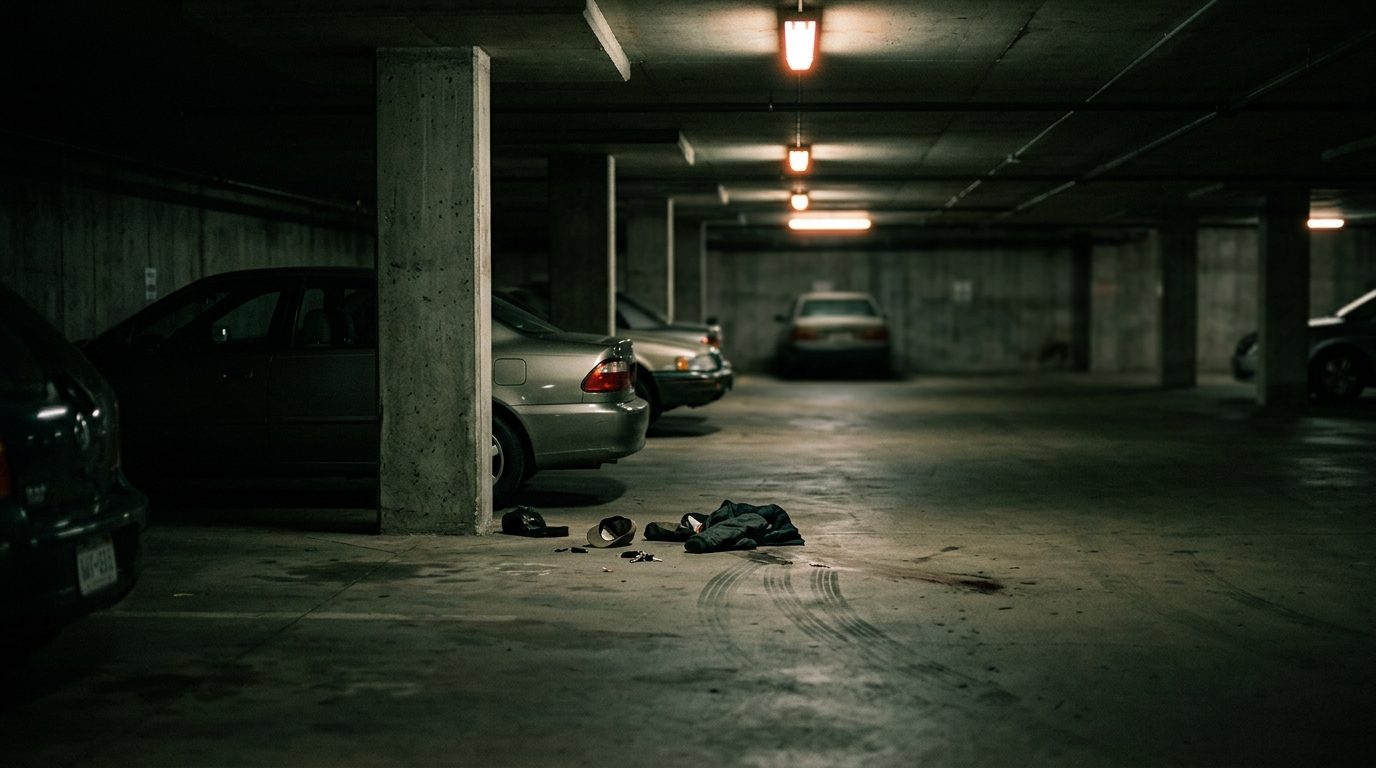
Negligent Security & Premises Liability
When a Property Owner Can Be Held Liable for Your Injury After an Attack
You were assaulted, shot, robbed, or attacked on someone else's property. If the owner failed to provide reasonable security, you may have a legal claim—and the right to recover damages.
By CHG Lawyers · Published August 19, 2026
Paralyzed After an Attack on Someone Else’s Property? When the Owner May Be Liable
You were attacked on someone else’s property—an apartment complex, parking lot, hotel, bar, garage, or business.
The assault left you with a spinal cord injury and paralysis. Now you face months or years of medical care, rehabilitation, adaptive equipment, and home modifications.
You’re asking: Could the property owner have prevented this? Should they be held responsible?
The answer depends on whether the property owner failed to provide reasonable security. In plain language: the property owner knew (or should have known) that crime was a risk on their premises. They failed to take basic steps to protect you. When that failure contributes to your injury, the property owner may be liable.
If you were attacked on someone else's property and suffered a spinal cord injury or paralysis, you may have a claim against the property owner. Talk it through with our team — the first consultation is free, confidential, and carries no obligation.
You Were Attacked—Now You’re Living With Permanent Paralysis
An assault on someone else’s property is traumatic. When it causes a spinal cord injury, the consequences are catastrophic and permanent.
Depending on where your spinal cord was injured, you may experience:
- Paraplegia — paralysis of the lower body
- Quadriplegia — paralysis of all four limbs and trunk
The impact lasts your entire life:
- Total loss of sensation or movement below the injury site
- Loss of independence and mobility
- Chronic pain and nerve damage
- Lifelong need for medical care, assistive devices, and personal support
The harder question follows: Did the property owner’s failure to provide adequate security make this attack more likely—or possible?
Under Florida law, property owners owe a duty of reasonable care to maintain safe premises. If they breach that duty and someone is injured as a result of a foreseeable criminal act, the property owner may be liable for your injuries and damages.
What Is Negligent Security? (In Plain Language)
Negligent security means the property owner failed to take reasonable steps to prevent violent crime on their premises. That failure allowed an attack to happen that could have been prevented or deterred.
This is not about blaming you or excusing the attacker’s criminal conduct. The attacker is responsible for their own crime. But the property owner is responsible for taking reasonable precautions to protect visitors and residents from foreseeable harm.
Property owners have a legal duty to maintain reasonably safe premises. That duty includes:
- Installing and maintaining working locks on doors, gates, and entry points
- Providing adequate lighting in parking lots, garages, hallways, and common areas
- Installing and monitoring security cameras
- Employing security personnel when appropriate for the property type and neighborhood
- Controlling access to the building or grounds
- Responding to reports of crime or security concerns
- Maintaining alarm systems or emergency communication systems
If a property owner fails to take these reasonable precautions, and someone is injured as a result of violent crime that could have been prevented or deterred, the owner may be liable for negligent security.
Red Flags: When the Property Owner May Be at Fault
Courts examine specific facts about the property and the attack to determine whether the owner was negligent. Here are warning signs:
Broken or missing locks on doors, gates, or entry points that should have been secured. This is especially true if the attacker gained entry through an unsecured entrance.
Inadequate or non-functional lighting in parking lots, garages, hallways, stairwells, or common areas where the attack occurred. Poor lighting enables attackers and prevents witnesses from intervening or identifying suspects.
No security cameras or surveillance system. Or cameras that were installed but not working, not monitored, or footage was not preserved.
No security guard or inadequate security personnel for the property type, neighborhood, or history of crime.
Prior incidents of crime or violence on the property that the owner knew or should have known about. This includes prior assaults, robberies, shootings, break-ins, or sexual assaults. Prior incidents show that crime was foreseeable.
Failure to respond to tenant or visitor complaints about security concerns, broken locks, poor lighting, or criminal activity.
Lack of controlled access to the building or grounds. No gate codes, key cards, visitor screening, or other measures to prevent unauthorized entry.
Property in a high-crime area where the owner failed to implement appropriate security measures for the neighborhood’s documented risk level.
No emergency communication system or alarm system that could have summoned help or deterred the attacker.
Any combination of these factors may strengthen a claim that the property owner was negligent.
Not sure what your next step is?
Talk it through with our team — the first consultation is free, confidential, and carries no obligation.
How Florida Courts Determine Property Owner Liability
When a court evaluates a negligent-security claim, it examines whether the property owner knew—or should have known—of the risk of criminal activity on the premises.
Courts assess whether the security measures in place were reasonable given:
- The location and type of property
- The documented history of crime in the area
- Prior incidents of violence or criminal activity at that specific property
- Industry standards for similar properties in similar neighborhoods
The key question is: Could better security have prevented or reduced the likelihood of the attack?
If the answer is yes, and the property owner failed to implement that security, the owner may be held liable for your injuries.
Under Florida Statute § 768.81 (comparative negligence), your recovery may be reduced if you are found to be partially at fault. However, if you are more than 50% at fault, you generally cannot recover damages. In most negligent-security cases, the injured person is not at fault for the attacker’s criminal conduct.
The Lifelong Cost of Spinal Cord Injury and Paralysis
A spinal cord injury from an attack is catastrophic and permanent. The financial and personal costs extend across your entire lifetime:
- Emergency medical care and hospitalization
- Acute rehabilitation and ongoing physical therapy
- Adaptive equipment (wheelchairs, lifts, accessible vehicles)
- Home modifications (ramps, accessible bathrooms, specialized beds)
- Attendant care and personal assistance (often 24/7)
- Chronic pain management and mental health treatment
- Lost wages and diminished earning capacity over your lifetime
If the property owner’s negligence contributed to your injury, they may be responsible for compensating you for these costs and your pain and suffering.
A claim against the property owner is separate and independent from any criminal prosecution of the person who attacked you. The attacker may face criminal charges; the property owner may face a civil lawsuit. Both can happen at the same time.
What You Should Do Now
If you were attacked on someone else’s property and suffered a spinal cord injury or paralysis, take these steps:
Document the property’s condition immediately. Take photographs and videos of the location where the attack occurred. Capture the condition of locks, lighting, cameras, gates, and any visible security gaps. Document the absence of security measures. If you cannot do this, ask a trusted person to do it for you. Time matters—conditions may change.
Preserve evidence of prior crime. If you know of prior incidents of crime or violence at the property, try to obtain police reports, incident logs, or complaints filed by other tenants or visitors. Contact local police non-emergency lines to request incident reports for the address. This evidence can establish that the property owner knew or should have known of the risk.
Keep all medical records and bills. Preserve all documentation of your spinal cord injury, paralysis, medical treatment, rehabilitation, and ongoing care. This evidence will support your damages claim and establish the full scope of your injury and costs.
Do not sign any settlement or release without speaking to an attorney. Property owners or their insurance companies may contact you with settlement offers. Do not agree to anything without legal advice. Early settlement offers are often far below what your claim is actually worth.
Reach out to an attorney who focuses exclusively on catastrophic injuries caused by negligent security. Time matters: Under Florida Statute § 95.11, you generally have two years from the date of injury to file a negligence claim. Missing this deadline means you lose your right to sue.
Next Steps: Get Answers About Your Situation
You’re in the middle of a traumatic situation. You’re dealing with a life-altering injury, medical decisions, and the shock of what happened. The question of whether the property owner bears legal responsibility may feel overwhelming right now—but it’s an important one.
If you were attacked on someone else’s property and suffered a spinal cord injury or paralysis, you may have a claim against the property owner. Many people in your exact situation reach out to discuss what happened and what their options are.
Contact CHG Personal Injury Lawyers for a free case evaluation. We listen to your story, answer your questions, and help you understand whether the property owner’s negligence contributed to your injury and what that means for your recovery and your future.
Learn more about spinal cord injuries and personal injury claims.
Have questions about what happened?
Ask our team directly. The first conversation is free, confidential, and there is no obligation to continue.
Frequently Asked Questions
What’s the difference between the attacker’s criminal liability and the property owner’s civil liability?
The attacker is criminally responsible for their own crime. The property owner is civilly responsible if they failed to provide reasonable security that could have prevented or reduced the risk of that crime. Both can be held accountable. You can pursue both a criminal case against the attacker and a civil negligent-security claim against the property owner at the same time.
How do I prove the property owner knew about the risk of crime?
Prior incidents of crime at the property, complaints from tenants or visitors, police reports, and industry knowledge about crime in the neighborhood can all establish that the owner knew or should have known of the risk. Police incident reports are often public record and can be requested.
What damages can I recover?
You may recover compensation for medical care, rehabilitation, adaptive equipment, home modifications, lost wages, pain and suffering, and other costs directly caused by your spinal cord injury and paralysis.
How long do I have to file a claim?
Under Florida Statute § 95.11, you generally have two years from the date of injury to file a negligence claim. Don’t wait—contact an attorney as soon as possible.
Can I sue both the attacker and the property owner?
Yes. You can pursue a criminal case against the attacker and a civil negligent-security claim against the property owner at the same time. They are separate legal actions with different standards of proof and different outcomes.
Key Point: Two Separate Liabilities
The person who attacked you is criminally responsible for their crime. The property owner is civilly responsible if they failed to provide reasonable security that could have prevented or reduced the risk of that crime. You can pursue both a criminal case against the attacker and a civil negligent-security claim against the property owner.
When Property Owners Are Liable
Inadequate or Broken Security Measures
The property owner knew or should have known that working locks, gates, lighting, cameras, or security guards were necessary to keep visitors safe—but failed to provide them or allowed them to fall into disrepair.
History of Crime on the Property
Prior assaults, robberies, shootings, or other violent crimes occurred at the location. The owner was on notice of the danger but did not increase security or warn visitors of the risk.
Failure to Warn or Respond
The owner knew about threats or dangerous conditions but did not warn visitors, remove hazards, or call police. They ignored complaints or reports of suspicious activity.
Negligent Hiring or Supervision of Security
If the property employed security staff, they hired someone unqualified or with a violent history, or failed to properly train or supervise them.
Common Locations Where Negligent Security Claims Arise
Apartment Complexes & Residential Buildings
Broken door locks, missing gate codes, poor lighting in hallways or parking areas, or no security cameras or guards.
Parking Lots & Garages
Dark, unlit areas; broken security cameras; no attendant or patrol; inadequate fencing or gates.
Hotels & Motels
Weak room locks, no front-desk security, poorly lit corridors, or failure to respond to reports of suspicious guests.
Bars, Nightclubs & Restaurants
No trained security staff, failure to remove aggressive patrons, poor lighting outside, or no cameras monitoring the premises.
Retail Stores & Gas Stations
Inadequate staffing, broken alarm systems, poor visibility, or failure to secure the premises after dark.
ATMs & Outdoor Payment Areas
No lighting, no cameras, no panic buttons, or location in a known high-crime area without protective measures.
What You Need to Prove
The Owner Owed You a Duty
Property owners have a legal duty to maintain reasonably safe premises and protect visitors from foreseeable criminal acts. This duty exists even when a third party (the attacker) commits the crime.
The Owner Breached That Duty
The owner failed to provide reasonable security measures—such as working locks, lighting, cameras, guards, or adequate staffing—that a reasonable property owner would have provided under the circumstances.
The Breach Caused Your Injury
Because of the owner's failure to provide adequate security, you were attacked and injured. The inadequate security made the attack possible or more likely to occur.
You Suffered Real Damages
You have documented losses: medical bills, lost wages, pain and suffering, permanent disability, or other harms resulting from the attack.
Time Matters
There are strict time limits—called statutes of limitations—for filing a negligent-security claim. In Florida, you typically have two years from the date of the attack, but waiting can harm your case. Evidence disappears, memories fade, and security footage is often deleted. Contact an attorney as soon as possible to protect your rights.
Why Property Owners' Negligence Matters
Accountability for Preventable Harm
Property owners have a financial incentive to maintain security. Holding them accountable encourages safer premises and protects future visitors.
Compensation for Your Recovery
A successful negligent-security claim can cover medical care, rehabilitation, lost income, and the ongoing costs of living with a catastrophic injury.
Access to Insurance Coverage
Most property owners carry liability insurance. Your claim is typically paid by the owner's insurance company, not from the owner's personal assets.
Evidence Preservation
An attorney can send a preservation notice requiring the property owner to save security footage, incident reports, and other evidence before it is destroyed.