

Negligent Security | Spinal Cord Injury
Assaulted on Unsafe Property? You May Have a Claim Against the Owner
When a property owner fails to provide reasonable security, they can be held responsible for injuries you suffer in an attack.
By CHG Lawyers · Published August 28, 2026
Spinal Cord Injury From Assault on Unsafe Property: Your Negligent Security Claim
You were assaulted, shot, or attacked at an apartment complex, parking lot, hotel, bar, or other property. The injury left you with partial or complete paralysis. A spinal cord injury from violence on unsafe property is catastrophic. But you may have a legal claim against the property owner if they failed to provide reasonable security measures that could have prevented or reduced the risk of the attack.
This is called a negligent security claim. It’s a separate legal path from any criminal prosecution of the person who attacked you. Understanding how these claims work—and what your injury means for your future—is the first step toward recovery and accountability.

Not sure what your next step is?
Talk it through with our team — the first consultation is free, confidential, and carries no obligation.
When an Assault or Shooting on Unsafe Property Causes a Spinal Cord Injury
You were in a place you had every right to be: your apartment complex, a parking garage, a hotel, a bar, a gas station, a store, or an ATM. Someone attacked you. The assault caused a direct blow to your spine, or a gunshot or knife wound damaged your spinal cord. The result is a spinal cord injury—damage to the bundle of nerves that carries signals between your brain and the rest of your body.
The trauma is not just physical. Your life has changed in ways you’re still processing. You may have lost the ability to walk, to feel your legs or arms, to control your bladder or bowel, or to move your entire body below the point of injury. These are not minor injuries. They are permanent, life-altering changes.
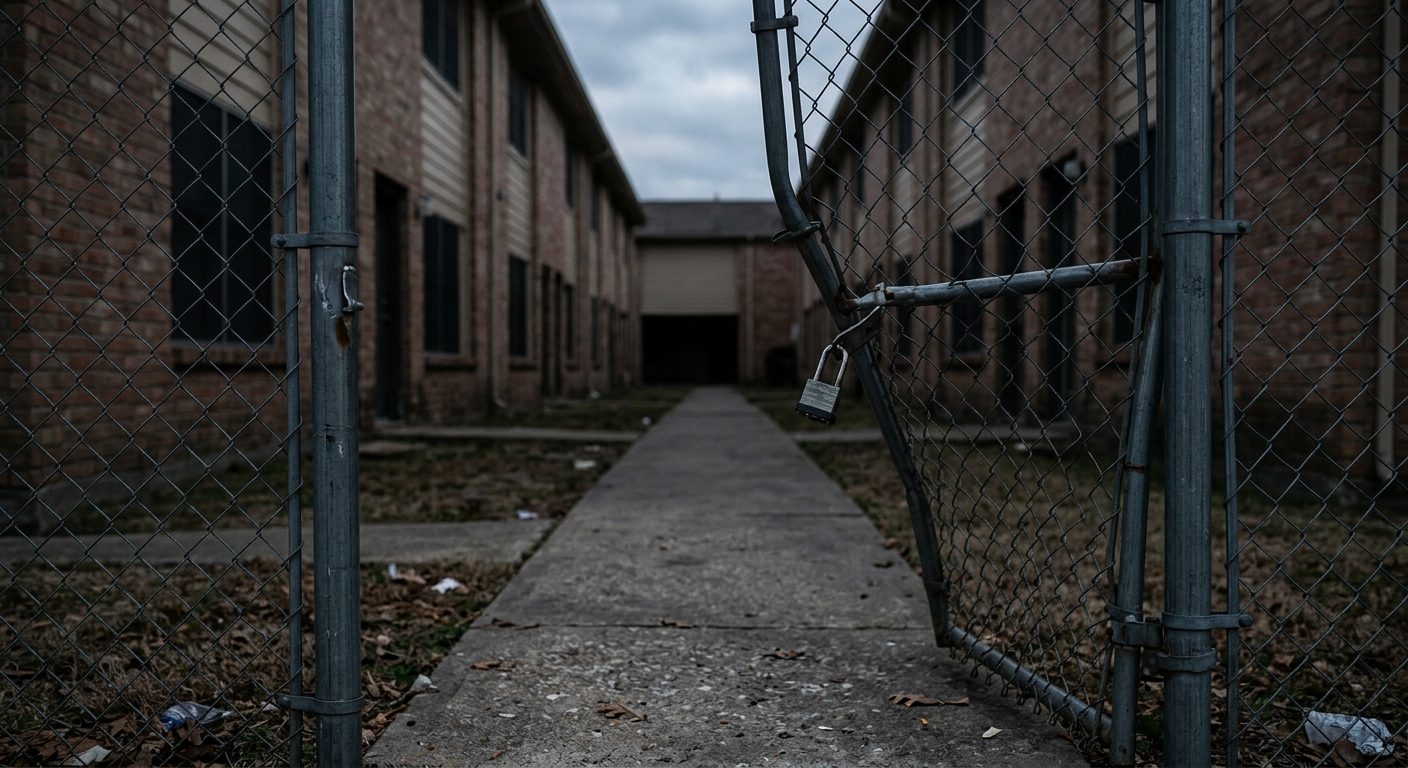
What many people don’t realize is that the property owner may bear legal responsibility for what happened. If the owner failed to provide reasonable security—working locks, adequate lighting, functional gates, security cameras, or security personnel—they created or allowed a dangerous condition. That failure may have enabled the attack or made it worse. In legal terms, this is called negligent security.
You are not alone in facing this situation. Property owners have a duty to protect visitors and residents from foreseeable violent crime. When they ignore that duty, injured people and their families have the right to seek compensation.
What a Spinal Cord Injury Means
Your spinal cord is a bundle of nerves running through your spine. It carries signals from your brain to every part of your body, telling your muscles to move and sending sensation back to your brain. When trauma—a blow, a gunshot, a stab wound—damages the spinal cord, those signals are interrupted or blocked.
The injury can be complete or incomplete. A complete spinal cord injury means no signals pass below the level of damage. You lose all motor control and sensation below that point. An incomplete injury means some signals still get through. You may retain partial movement or feeling.
The location of the injury determines what parts of your body are affected:
- Paraplegia: Injury to the lower spine causes paralysis of the legs and lower body. You may retain full use of your arms and hands.
- Quadriplegia (also called tetraplegia): Injury to the neck affects all four limbs, your torso, and sometimes your ability to breathe on your own.
An assault or shooting can cause either type, depending on where the attacker struck or where the bullet or blade entered. The severity of your injury—and what recovery may look like—depends on the exact level and whether the damage is complete or incomplete.
Spinal Cord Injury Classification and Prognosis
Medical professionals use the American Spinal Injury Association (ASIA) Impairment Scale to classify spinal cord injuries. The scale runs from A to E:
- A (Complete): No motor or sensory function below the injury level.
- B (Incomplete): Sensory function preserved, but no motor function below the level.
- C (Incomplete): Motor function preserved, but most muscles below the level cannot move against gravity.
- D (Incomplete): Motor function preserved, and most muscles below the level can move against gravity.
- E (Normal): Normal motor and sensory function.
Your prognosis—what doctors expect for your future function—depends on several factors: the level and completeness of your injury, your age and overall health before the attack, and the quality of medical care you receive immediately after and in the months ahead.
According to Mayo Clinic, most neurological recovery happens in the first 6 to 12 months after injury. Some improvement may continue for years with rehabilitation and therapy. However, most permanent changes stabilize within that first year. Recovery from a spinal cord injury is not like healing a broken bone. It means learning to live with lasting changes and building a new life with the abilities you retain.
What Are the Long-Term Effects of a Spinal Cord Injury?
The effects of a spinal cord injury extend far beyond the first weeks in the hospital. They shape every day for the rest of your life.
Physical effects include loss of motor control and sensation below the injury level, chronic pain, muscle weakness, and loss of bladder and bowel control. You may need a catheter or bowel management program. You may use a wheelchair or other mobility aids. Your body temperature regulation may be affected, making you more sensitive to heat and cold.
Secondary complications are common and serious. Pressure sores (bedsores) can develop from prolonged pressure on your skin and require aggressive treatment. Blood clots can form in your legs and become life-threatening. Respiratory infections are a major risk, especially with high cervical injuries. Urinary tract infections are frequent. Sexual dysfunction is common. Spasticity—involuntary muscle contractions—can cause pain and limit movement.
Psychological and emotional impacts are just as real. Many people experience depression and anxiety after a spinal cord injury. Grief over lost independence, lost career plans, and lost abilities is profound and ongoing. The trauma of the attack itself compounds the injury’s psychological toll.
Lifelong care needs are substantial. You’ll need ongoing medical management, physical and occupational therapy, adaptive equipment (wheelchairs, braces, bathroom aids), home modifications (ramps, accessible bathrooms, accessible bedrooms), and possibly attendant care—someone to help with daily living tasks you can no longer do alone. These are not one-time expenses. They are permanent, recurring costs that grow over a lifetime.
How Long Does Recovery From a Spinal Cord Injury Take?
Recovery from a spinal cord injury unfolds in phases.
The acute phase begins immediately. You’re rushed to a hospital, stabilized, and evaluated. Emergency surgery may be needed to remove bone fragments, relieve pressure on the spinal cord, or stabilize the spine. Imaging (MRI, CT scans) shows the extent of damage. The first hours and days are critical. The medical care you receive now affects your long-term outcomes.
The rehabilitation phase typically lasts weeks to months. You move to a specialized spinal cord injury rehabilitation center. Physical therapists teach you how to move with your new abilities. Occupational therapists help you relearn daily tasks—eating, dressing, bathing, using the toilet—with adaptive techniques and equipment. Psychologists and social workers help you and your family process the trauma and plan for life ahead. Nurses manage your medical needs and teach you and your caregivers how to prevent complications.
Most neurological recovery occurs in the first 6 to 12 months, though some improvement can continue for years. After that, the focus shifts from recovery to adaptation: learning to live fully with the abilities you have, managing complications, and building a life that works for you.
The word “recovery” in spinal cord injury doesn’t mean returning to how you were before the attack. It means stabilizing your medical condition, learning new ways to do things, and moving forward with your life.
Have questions about what happened?
Ask our team directly. The first conversation is free, confidential, and there is no obligation to continue.
Understanding Negligent Security Claims
A negligent security claim is a legal action against a property owner for failing to provide reasonable security measures that would have prevented or reduced the risk of violent crime.
Reasonable security depends on the type of property, its location, and the foreseeability of crime. For an apartment complex, reasonable security might include working locks on doors and gates, adequate lighting in parking areas and hallways, security cameras, and regular maintenance of security systems. For a parking garage, it might include cameras, lighting, security patrols, and emergency call boxes. For a bar or nightclub, it might include trained security staff, ID checking, and procedures to remove aggressive patrons before violence escalates.
The property owner is not responsible for all crimes. But they ARE responsible for taking reasonable steps to protect visitors and residents from foreseeable violent crime. If they know crime has happened on their property before, or if the neighborhood has a history of violent crime, the foreseeability is higher—and so is their duty to respond.
A negligent security claim is separate from any criminal prosecution of the person who attacked you. The attacker may be convicted, acquitted, or never caught. Your civil claim against the property owner doesn’t depend on the criminal outcome. It depends on whether the owner breached their duty of care to you.
Spinal Cord Injury From Assault on Unsafe Property: Your Legal Claim
To succeed in a negligent security claim, you must prove four things:
-
The property owner owed you a duty of care. They did. You were lawfully on their property. They had a responsibility to keep it reasonably safe.
-
They breached that duty. They failed to provide reasonable security measures. Broken locks, no lighting, no cameras, no security staff, ignored maintenance—these are breaches.
-
The breach allowed or facilitated the crime. The lack of security made the attack possible or easier. If the property had had working locks, better lighting, or security personnel, the attack might not have happened or might have been prevented.
-
You suffered damages as a result. You have a spinal cord injury, paralysis, medical bills, lost wages, and ongoing care needs. These are measurable, documented losses.
The attacker’s criminal act does not automatically shield the property owner from liability. Courts recognize that property owners can be held civilly liable for violent crimes on their premises if they failed to implement reasonable security.
These claims often involve insurance coverage. The property owner typically carries premises liability insurance, which covers injuries caused by negligent security. Insurance is what funds compensation in most cases—not the property owner’s personal assets.
Under Florida Statute §95.11, you have 2 years from the date of your injury to file a civil claim. After that, the claim is barred. Time is critical.
Medical Stabilization and Evidence Preservation
Your immediate priority is medical care. Get to a hospital. Get stabilized. Get the emergency treatment you need. Nothing else matters until you’re medically stable.
While you’re receiving care, evidence is being created—or lost. The crime scene, the property’s condition, security (or lack thereof), photographs, security footage, witness statements, police reports, and maintenance records are all important. Property owners sometimes destroy or alter evidence after an incident. Security footage disappears. Records are lost. Witnesses move away.
Reaching out to an attorney early—while you’re still in the hospital or in early rehabilitation—helps ensure evidence is preserved. An attorney can send a preservation letter to the property owner, demanding they keep all evidence. This doesn’t interfere with your medical treatment or the criminal investigation. It protects your legal rights.
What Is the Typical Settlement for a Spinal Cord Injury?
There is no “typical” settlement for a spinal cord injury from assault because every case is unique. But certain factors drive the value of your claim:
- Severity and level of injury: Complete quadriplegia is more costly and life-altering than incomplete paraplegia. Higher-level injuries typically result in higher claims.
- Age and life expectancy: A 25-year-old with a spinal cord injury has 60+ years of care ahead. A 65-year-old has fewer years. Younger injuries justify larger claims.
- Lost wages and earning capacity: If the attack ended your career, that lost income is part of your claim. A surgeon earning $300,000 a year has higher lost earning capacity than a retail worker.
- Cost of medical care and equipment: Lifelong medical management, therapy, wheelchairs, home modifications, and adaptive equipment add up to hundreds of thousands of dollars over a lifetime.
- Need for attendant care: If you require someone to help you with daily living, that cost is substantial and ongoing.
- Pain and suffering: The emotional and psychological impact of paralysis and trauma is real and compensable.
- Strength of the negligent security evidence: How clear is it that the property owner failed to provide reasonable security? How strong is the connection between that failure and your injury?
Catastrophic spinal cord injuries often result in substantial claims because of the lifelong costs and profound impact. But settlement depends on the specific facts of your case, the insurance coverage available, and the quality of legal representation.

Want to know where you stand?
Tell us what happened and our team will walk you through the options available to you, at no cost.
Next Steps: What to Do Now
You’re in the middle of a crisis. You’re processing a life-altering injury, managing medical treatment, and trying to understand what comes next. You may be grieving. You may be angry. You may feel lost.
A legal claim for negligent security is a separate process that runs alongside your medical treatment. It doesn’t interfere with your care. But it’s time-sensitive. Florida law gives you 2 years to file. After that, your claim is gone.
The next step is to reach out to an attorney who focuses exclusively on catastrophic injury claims. Discuss what happened, where the attack occurred, what security (or lack of security) you observed, and what your injuries are. That conversation is free and confidential. Many people in your situation reach out to explore their options without knowing whether they have a claim—and that’s exactly what an initial consultation is for.
You don’t have to face this alone. Property owners have a duty to protect people on their property. When they fail, injured people and their families have the right to seek accountability and compensation. An attorney can help you understand your rights and pursue the claim you deserve.
Negligent Security Is a Separate Claim
Even if the person who attacked you is prosecuted or convicted, you have an independent legal right to hold the property owner accountable. The criminal case and your civil negligent security claim are two separate paths to justice and compensation.
What Makes a Property Owner Liable
Foreseeable Risk
The property owner knew or should have known that violent crime was a risk at that location—based on prior incidents, the neighborhood, or the type of business.
Inadequate Security
The owner failed to provide reasonable security measures: broken locks or gates, poor lighting, no cameras, no guards, or other preventable gaps in protection.
Direct Causation
Better security would likely have prevented the attack or reduced the severity of your injury. The owner's negligence directly enabled the harm you suffered.
Your Injury
You sustained a serious, permanent injury—including spinal cord damage, paralysis, or other catastrophic harm—as a direct result of the assault.
Why Property Owners Must Provide Security
Legal Duty of Care
Property owners have a legal obligation to keep their premises reasonably safe and to protect visitors and residents from foreseeable criminal acts. Negligence occurs when they breach that duty.
Foreseeability Matters
If similar crimes have occurred at the property before, or if the location is known for crime, the owner cannot claim the attack was a surprise. They had notice and a duty to act.
Evidence Tells the Story
Security records, incident reports, prior complaints, crime statistics, and maintenance logs often prove that an owner knew about risks and did nothing to prevent them.
Your Recovery Matters
A successful negligent security claim can recover compensation for medical care, ongoing treatment, lost income, pain and suffering, and the permanent changes to your life.
Common Locations Where Negligent Security Claims Arise
Apartment Complexes & Residential Buildings
Assaults in hallways, elevators, parking areas, or laundry rooms often involve broken entry locks, missing gates, poor lighting, or absent security personnel.
Parking Lots & Garages
Robberies and violent attacks in parking structures frequently occur where lighting is inadequate, cameras are absent, or security patrols are non-existent.
Hotels & Motels
Attacks on guests or staff in rooms, hallways, or common areas may involve failures to screen visitors, maintain locks, or provide adequate security staff.
Bars, Nightclubs & Restaurants
Assaults and shootings at entertainment venues can result from failure to hire security, remove dangerous patrons, or maintain safe premises.
Retail Stores & Gas Stations
Robberies and attacks on customers or employees may involve inadequate lighting, missing cameras, or failure to provide security personnel.
Other Commercial Properties
ATMs, banks, office buildings, and other commercial spaces have a duty to provide reasonable security against foreseeable criminal acts.
Time Matters in Negligent Security Cases
Evidence can disappear—security footage is deleted, witnesses move away, and memories fade. The sooner you contact an attorney, the sooner we can preserve critical evidence and begin building your claim.