

Spinal Cord Injury
Understanding Your Recovery: What the Medical Timeline Really Means
After a catastrophic spinal cord injury, the path forward depends on the severity of the damage, your medical care, and your support. Learn what to expect—and what your family should know about your legal rights.
By CHG Lawyers · Published August 30, 2026
Spinal Cord Injury Recovery Prognosis: What Functional Improvement Is Possible
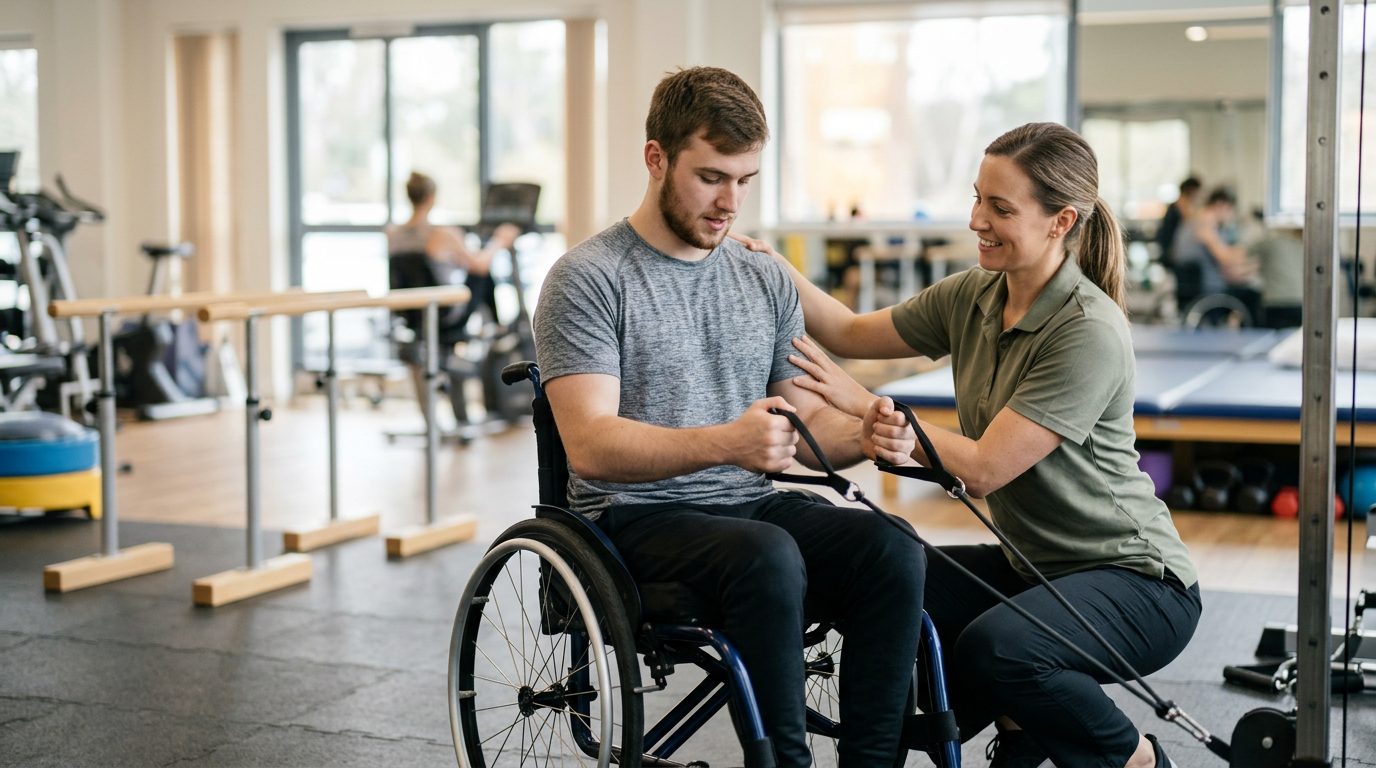
Can you recover from a spinal cord injury? Yes—significant functional improvement is possible for many people. While the spinal cord cannot repair itself completely, the nervous system can reorganize and form new connections through neuroplasticity. Intensive rehabilitation can unlock functional gains years after the initial injury.
This page explains what happens after a spinal cord injury, what your spinal cord injury recovery prognosis looks like, and the factors that influence your outcomes. If your injury resulted from someone else’s negligence, understanding your recovery needs is the first step toward securing compensation to fund that care.
If your injury resulted from someone else's negligence, recklessness, or failure to maintain safe conditions, you may have a legal claim. Talk it through with our team — the first consultation is free, confidential, and carries no obligation.
What Happens to the Spinal Cord After an Injury
The spinal cord is a bundle of nerve fibers. It carries signals between your brain and body. It controls movement, sensation, breathing, and heart rate.
When the cord is damaged—crushed, stretched, or severed—those signals are interrupted.
There are two types of spinal cord injuries: complete and incomplete.
Complete injuries mean the spinal cord is fully severed or severely damaged. No signals pass below the injury level. This results in total loss of motor control and sensation below that point.
Incomplete injuries mean some nerve fibers remain intact. Signals can still travel across the damage, though often weakly. Incomplete injuries typically offer far greater recovery potential.
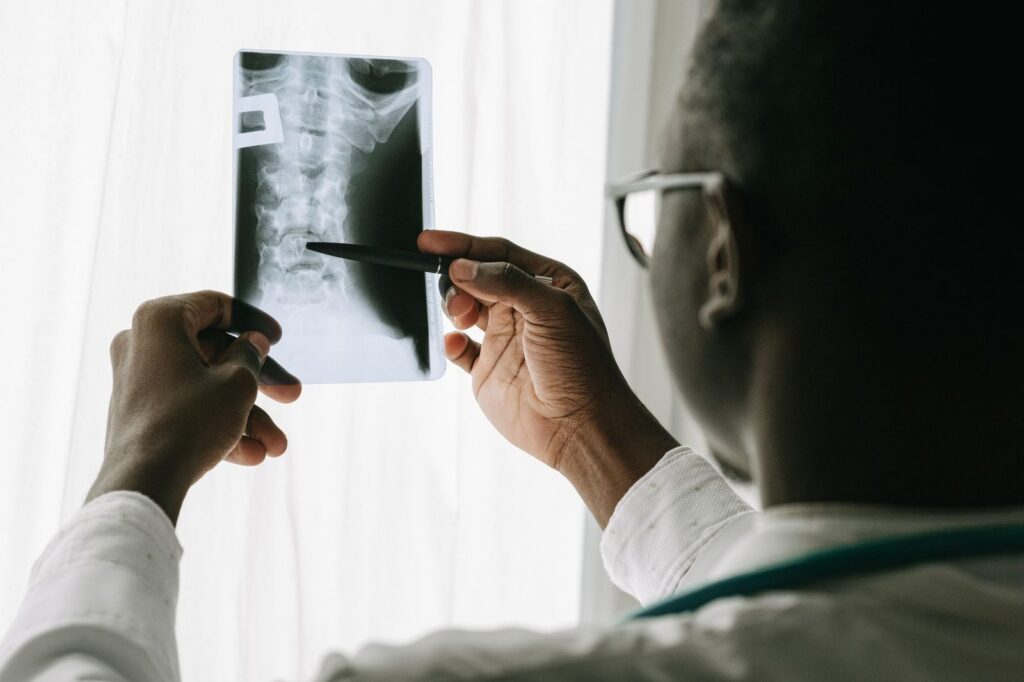
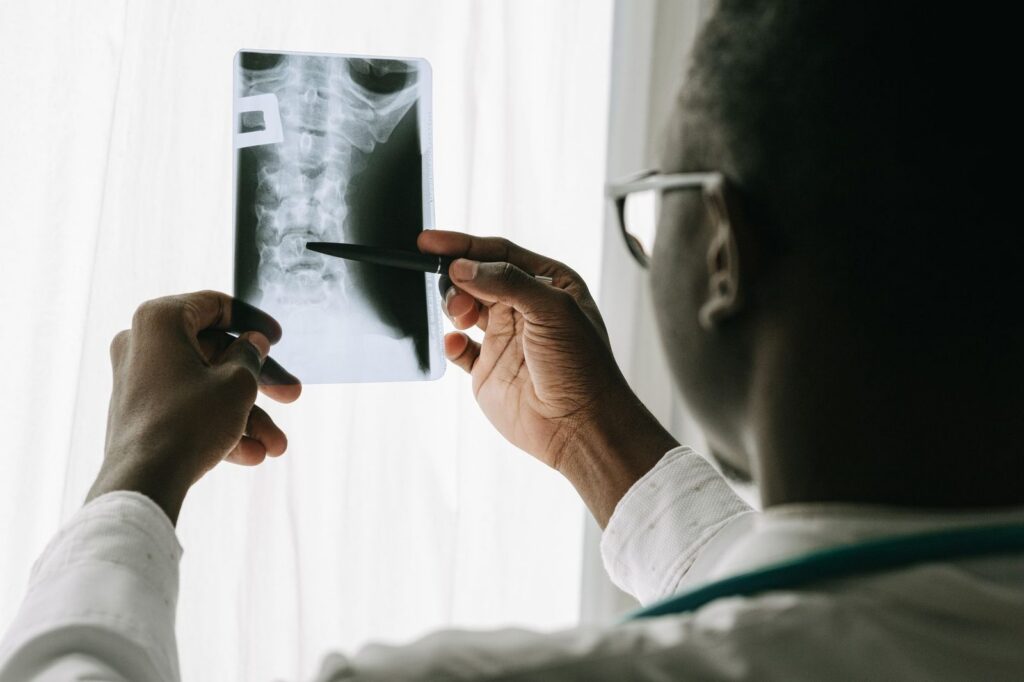
The initial trauma is only the beginning. Over hours and days following injury, secondary damage occurs: inflammation, swelling, and loss of blood flow to cord tissue. This secondary injury can be prevented or limited with rapid medical intervention. Reaching a trauma center within the first hours is critical.
Understanding Spinal Cord Injury Severity: The ASIA Impairment Scale
Medical professionals classify spinal cord injuries using the ASIA Impairment Scale (AIS). This standardized tool predicts recovery potential and guides rehabilitation planning. Understanding your AIS grade explains what recovery is realistic for your specific injury.
The ASIA scale ranges from A to E:
- ASIA A (Complete): No motor or sensory function below the injury level. Lowest recovery potential.
- ASIA B (Incomplete): Sensory function preserved below the injury. No motor function. Moderate recovery potential.
- ASIA C (Incomplete): Motor function preserved below the injury. Most muscles are weak (less than 3/5 strength). Good recovery potential.
- ASIA D (Incomplete): Motor function preserved. Most muscles below the injury have strength of 3/5 or greater. Excellent recovery potential.
- ASIA E (Normal): Normal motor and sensory function. Full recovery.
Research shows that ASIA grade at admission strongly predicts long-term functional outcome. People with ASIA C or D injuries show substantially greater recovery than those with ASIA A or B. This classification system is used worldwide and helps your medical team set realistic goals and measure progress.
Can You Ever Fully Recover From a Spinal Cord Injury?
Complete recovery—full restoration of all nerve function—is rare. The spinal cord cannot repair itself the way skin or bone can. Once nerve cells die, they don’t regenerate.
But “recovery” doesn’t mean returning to exactly how you were. It means regaining function: movement, sensation, independence, and quality of life, even if the injury remains permanent.
Research shows that between 20% and 75% of people with incomplete spinal cord injuries will regain some degree of walking capacity within one year, depending on injury severity and rehabilitation quality. Many regain bowel and bladder control, sensation, or upper-body strength. Others learn to move and live independently with adaptive equipment.
The key is neuroplasticity: the nervous system’s remarkable ability to rewire itself. When one nerve pathway is damaged, the brain and remaining spinal cord reorganize and form new connections. This is measurable. Functional MRI studies show that the brain’s motor cortex physically expands and remaps after spinal cord injury, with undamaged regions taking over functions previously controlled by damaged pathways. Physical therapy, occupational therapy, and intensive rehabilitation train these new pathways. Your body learns to work around the injury.
Recent advances in rehabilitation science, spinal cord injury medicine, and assistive technology are expanding what’s possible. People who suffered spinal cord injuries decades ago often report unexpected improvements years later—not because the cord healed, but because their nervous system found new ways to function.
Recovery Timeline After a Spinal Cord Injury
Recovery isn’t linear. It happens in phases. Understanding each one helps set realistic expectations.
Acute phase (first hours to days): Medical teams stabilize the spine and prevent secondary injury. Treatment with medications or surgery reduces swelling. Survival and preventing further damage are the priorities.
Early recovery phase (weeks to months): Swelling begins to subside. You’ll see initial changes in sensation or movement. Rehabilitation begins—often in a specialized spinal cord injury center. Neuroplasticity is most active now. Intensive therapy can produce noticeable gains.
Intermediate phase (3 to 18 months): Most significant functional recovery typically occurs within the first 3 to 6 months, though improvement can continue well beyond that period. You’re learning to live with your injury: retraining your body, building strength in unaffected muscles, and adapting to new ways of doing everyday tasks. Many people return home from rehabilitation and begin rebuilding independence during this phase.
Long-term phase (beyond 18 months): Recovery slows, but it doesn’t stop. With continued therapy and effort, people report functional gains years or decades after injury. The nervous system continues to adapt. Strength builds. Confidence grows.
Individual timelines vary enormously. A 25-year-old with an incomplete thoracic injury who receives immediate, intensive rehabilitation may progress very differently from a 65-year-old with a complete cervical injury and other health complications. Your specific circumstances shape your recovery curve.
Factors That Influence Your Spinal Cord Injury Recovery Prognosis
Several factors predict how much recovery is possible:
Severity and completeness of the injury: Incomplete injuries almost always show greater recovery potential than complete ones. The presence of even a few intact nerve fibers creates pathways for improvement. ASIA grade at admission is one of the strongest predictors of long-term function.
Level of injury: Cervical (neck) injuries affect the arms, hands, and often breathing and heart function. Thoracic (mid-back) injuries affect the trunk and legs. Lumbar (lower-back) injuries typically affect the legs and bowel/bladder control. Lower injuries generally allow more independence than higher ones.
Age and overall health: Younger people and those without other serious medical conditions often recover more function. But age alone isn’t destiny—older adults with spinal cord injuries regularly achieve significant gains.
Speed of treatment: Treatment begun within hours of injury can prevent secondary damage and improve long-term outcomes. If you’re injured, getting to a trauma center fast matters enormously.
Quality and intensity of rehabilitation: Specialized spinal cord injury rehabilitation centers produce better outcomes than general hospitals. Intensive therapy—several hours per day, multiple days per week—drives neuroplasticity more effectively than light or infrequent therapy.
Other injuries and complications: Traumatic brain injury, broken bones, or internal injuries alongside spinal cord injury complicate recovery and may slow progress.
Psychological resilience and support: Your mindset, motivation, and access to emotional support influence how hard you work in rehabilitation and how well you adapt. People with strong support networks often achieve better outcomes.
What Is the Average Lifespan After a Spinal Cord Injury?
Life expectancy after spinal cord injury has improved dramatically. According to the Christopher & Dana Reeve Foundation, people with spinal cord injuries now live substantially longer than they did 20 or 30 years ago, often within 1–2 years of non-injured peers.
Longevity depends on injury level and completeness. People with lower-level or incomplete injuries typically live as long as the general population. Those with high cervical injuries (C1–C4) face greater risks—particularly respiratory complications—but advances in assistive ventilation and medical care have extended life expectancy significantly.
The most common secondary health risks after spinal cord injury include:
- Respiratory infections and pneumonia (especially with cervical injuries affecting breathing muscles)
- Pressure ulcers (bedsores) from prolonged immobility
- Urinary tract infections from catheter use or bladder dysfunction
- Blood clots from reduced mobility
- Spasticity (involuntary muscle tightening)
- Pain from nerve damage or muscle tension
- Depression and anxiety from trauma and life changes
With proper medical care, preventive measures, and ongoing rehabilitation, these risks can be managed. Many people with spinal cord injuries live full, engaged lives—working, pursuing education, raising their own children, and participating in their communities.
Not sure what your next step is?
Talk it through with our team — the first consultation is free, confidential, and carries no obligation.
How Neuroplasticity Drives Recovery: The Biology Behind Rehabilitation
Understanding how the nervous system actually adapts explains why early intervention and rehabilitation matter so much.
Neuroplasticity is the nervous system’s ability to reorganize itself by forming new neural connections. When spinal cord damage interrupts one pathway, the brain and remaining cord don’t simply accept that loss. Instead, they rewire. Undamaged nerve fibers strengthen. The brain’s motor cortex expands into adjacent regions. New synaptic connections form. This process is most active in the first months after injury but continues for years.
Rehabilitation directly stimulates this rewiring. When you perform repetitive, goal-directed movements in physical therapy—reaching, grasping, stepping, balancing—you’re not just exercising muscles. You’re sending signals through intact nerve pathways, strengthening those connections and teaching your nervous system to use them more effectively. Research using functional MRI shows measurable changes in brain organization following intensive rehabilitation, confirming that therapy literally reshapes your nervous system.
Intensity and consistency matter enormously. Several hours of therapy per day, multiple days per week, produces better outcomes than light or infrequent therapy. Your nervous system responds to demand and repetition. The more you challenge it, the more it adapts. This is why specialized spinal cord injury rehabilitation centers—where you receive hours of daily therapy from trained specialists—produce better outcomes than general hospitals.
Early intervention is critical. The nervous system is primed for change immediately after injury. Starting rehabilitation within hours or days means capturing this window of heightened neuroplasticity. Waiting weeks or months to begin therapy means missing a critical opportunity.
Recovery From Specific Spinal Cord Injury Levels
The level of your injury is one of the strongest predictors of prognosis. Here’s what each level typically means:
Cervical (C1–C8) injuries affect the arms, hands, and often breathing. C1–C4 injuries are the most severe, often affecting all four limbs (quadriplegia) and potentially requiring ventilator support. C5–C7 injuries typically preserve some arm and hand function. Recovery potential varies widely, but many people with cervical injuries regain significant arm and hand function with intensive rehabilitation. A person with an incomplete C5 injury may regain substantial hand and arm function; someone with a complete C5 injury faces greater limitations but can still achieve substantial independence with the right rehabilitation and equipment.
Thoracic (T1–T12) injuries affect the trunk and legs, typically resulting in paraplegia (paralysis of the lower body). Upper thoracic injuries may affect trunk stability; lower thoracic injuries may preserve more trunk control. Many people with thoracic injuries achieve walking with assistive devices or independent wheelchair mobility.
Lumbar (L1–L5) and sacral injuries affect the legs and bowel/bladder control. These injuries often carry the best prognosis for walking and functional recovery, though outcomes vary based on completeness and other factors.
Within each level, incomplete injuries show far greater recovery potential than complete ones.
The Role of Rehabilitation in Your Spinal Cord Injury Recovery Prognosis
Rehabilitation isn’t something that happens to you—it’s something you do, intensively and consistently, to rewire your nervous system and rebuild function.
Starting early matters. Research consistently shows that people who begin rehabilitation within hours or days of injury achieve better long-term outcomes than those who delay. The nervous system is primed for change immediately after injury. Waiting weeks or months to start therapy means missing a critical window.
Intensity drives results. Several hours of therapy per day, multiple days per week, produces better outcomes than light or infrequent therapy. Your nervous system responds to demand and repetition. The more you challenge it, the more it adapts.
Specialized spinal cord injury rehabilitation centers produce better outcomes than general hospitals. These centers have teams trained specifically in spinal cord injury recovery, access to specialized equipment, and experience with the long-term rehabilitation process.
Rehabilitation continues long-term. Most significant gains occur in the first year, but improvement can continue for years with ongoing therapy. Many people report functional gains 5, 10, or even 20 years after injury. Stopping therapy too early means missing potential recovery.
Common Causes of Spinal Cord Injuries
Understanding how your injury happened matters—both for your recovery and for your legal rights.
Traumatic accidents are the leading cause of spinal cord injuries:
- Motor vehicle crashes: Truck accidents, car collisions, and motorcycle crashes can cause severe spinal trauma
- Falls: Falls from height, falls on stairs, or falls in the home
- Workplace accidents: Construction sites, machinery, falls from scaffolding
- Sports and recreation: Diving accidents, ATV crashes, jet ski accidents, horseback riding falls
- Violence: Assaults, shootings, or stabbings on unsafe property where the owner failed to provide reasonable security
If your injury resulted from someone else’s negligence, recklessness, or failure to maintain safe conditions, you may have a legal claim. Compensation can cover medical care, rehabilitation, lost income, assistive equipment, home modifications, and lifetime care needs—resources essential to your recovery and independence.
What to Expect: Long-Term Life After Spinal Cord Injury
A spinal cord injury is life-altering, but it’s not life-ending. With proper medical care, rehabilitation, and support, many people with spinal cord injuries live full, meaningful lives.
Independence is achievable. Depending on injury level and completeness, you may drive a modified vehicle, live alone or with a partner, work, pursue education, travel, and participate in recreational activities. Assistive technology and adaptive strategies make these things possible.
Ongoing medical care is essential. You’ll need regular checkups, management of secondary complications, preventive care, and access to specialists. This care is lifelong and can be expensive—another reason why securing compensation for your injury is critical.
Financial planning is crucial. The lifetime costs of spinal cord injury care—medical expenses, equipment, attendant care, home modifications, lost income—are substantial. Under Florida law, you generally have two years from the date of injury to file a personal-injury claim. A structured settlement or judgment can provide the resources you need.
Quality of life depends on support and resources. Access to specialized rehabilitation, adaptive equipment, attendant care, and emotional support directly influence your outcomes and independence. These resources require funding—from insurance, from a legal settlement, or from other sources.
When to Seek Legal Help for a Spinal Cord Injury
If your spinal cord injury resulted from someone else’s negligence, wrongdoing, or failure to maintain safe conditions, you have legal rights.
You may have a claim if:
- You were injured in a truck accident caused by driver negligence or mechanical failure
- You were injured at work due to unsafe conditions or employer negligence
- You were assaulted, shot, or attacked on someone else’s property because the owner failed to provide reasonable security (working locks, lighting, cameras, or guards)
- You were injured due to a defective product or unsafe design
- You were injured in a crash caused by another driver’s recklessness
Compensation can cover:
- All past and future medical care and rehabilitation
- Assistive equipment and home modifications
- Lost wages and lost earning capacity
- Pain and suffering
- Costs of attendant care and personal assistance
- Vocational rehabilitation and retraining
Time matters. Under Florida law, you generally have two years from the date of injury to file a personal-injury claim. Waiting too long can cost you your right to recover. If your injury resulted from negligence, acting quickly protects your legal rights and ensures you have the resources to fund your recovery.
Have questions about what happened?
Ask our team directly. The first conversation is free, confidential, and there is no obligation to continue.
Frequently Asked Questions
What is the difference between a complete and incomplete spinal cord injury?
A complete injury means the spinal cord is fully severed or severely damaged. No signals pass below the injury level, resulting in total loss of function. An incomplete injury means some nerve fibers remain intact, allowing some signals to cross the damage and offering far greater recovery potential.
What does the ASIA Impairment Scale mean?
The ASIA scale (A through E) classifies spinal cord injury severity and predicts recovery potential. ASIA A is complete (lowest recovery potential); ASIA B–D are incomplete with increasing motor function (higher recovery potential); ASIA E is normal function. Your ASIA grade helps your medical team set realistic goals and measure progress.
How long does it take to recover from a spinal cord injury?
Most significant recovery occurs within the first 3 to 6 months, but improvement can continue for years with ongoing rehabilitation. Recovery timelines vary widely based on injury severity, level, age, and quality of rehabilitation.
Can you walk again after a spinal cord injury?
Many people with incomplete spinal cord injuries regain walking ability—either independently or with assistive devices like walkers or braces. Even those who don’t walk independently often achieve wheelchair mobility and substantial independence. Recovery depends on injury level and completeness.
What role does rehabilitation play in recovery?
Rehabilitation is critical. Intensive, early rehabilitation stimulates neuroplasticity—the nervous system’s ability to rewire and adapt. People who begin rehabilitation quickly and maintain it long-term achieve better functional outcomes than those who delay or stop therapy early.
Is there hope for recovery after a spinal cord injury?
Yes. While complete recovery is rare, significant functional improvement is possible for many people, especially those with incomplete injuries who receive early, intensive rehabilitation. The nervous system can adapt and rewire, enabling recovery of function even when the cord doesn’t fully heal.
If you or someone you love is recovering from a spinal cord injury caused by a truck crash, workplace negligence, an unsafe property, or someone else’s wrongdoing, the financial and emotional weight is enormous. Many people in this situation reach out to discuss not just what happened, but how to secure the resources—medical care, rehabilitation, assistive equipment, and long-term support—that recovery requires. Contact our team to talk through your situation and explore your options.
Complete vs. Incomplete Injuries: What the Difference Means
Complete Spinal Cord Injury
The spinal cord is fully severed or severely damaged at the injury site. No nerve signals travel below the injury level, resulting in total loss of function and sensation. Recovery potential is limited, though rehabilitation focuses on maximizing independence and quality of life.
Incomplete Spinal Cord Injury
Some nerve fibers remain intact across the damage, allowing partial signals to cross. This offers significantly greater recovery potential. Many people with incomplete injuries regain some function over months or years with intensive therapy and medical support.
The Recovery Timeline: What Happens When
First 24 Hours (Acute Phase)
Immediate medical intervention is critical. Emergency care aims to stabilize the spine, reduce swelling, and prevent further damage. This is when the most aggressive treatment can make a real difference in long-term outcomes.
Weeks 1–12 (Early Recovery)
Most neurological recovery happens in this window. Swelling decreases, and the spinal cord begins to stabilize. Physical and occupational therapy start immediately. Many people see measurable improvements in sensation and motor function during this period.
Months 3–12 (Active Rehabilitation)
Intensive therapy continues as the nervous system adapts. Some recovery may still occur, though the rate typically slows. Adaptive equipment, vocational training, and psychological support become central to rebuilding independence.
Year 1 and Beyond (Long-Term Adjustment)
While most dramatic recovery occurs in the first year, some improvement can continue for years. Focus shifts to managing complications, maximizing function, and adapting to permanent changes. Ongoing medical care and support are essential.
The Cost of Catastrophic Spinal Cord Injury
A spinal cord injury changes everything—your body, your independence, your future, and your family's financial security. Lifetime care, adaptive equipment, home modifications, ongoing therapy, and lost income add up to hundreds of thousands of dollars. If someone else's negligence or wrongdoing caused your injury, you have the right to pursue compensation to cover these costs.
Factors That Shape Your Prognosis
Level of Injury
Injuries higher on the spine (cervical/neck) typically cause more extensive paralysis than lower injuries (thoracic/lumbar). A cervical injury may affect all four limbs (quadriplegia), while a lumbar injury may affect only the legs (paraplegia).
Severity of Damage
Complete injuries, where the cord is fully severed, carry a different prognosis than incomplete injuries, where some nerve fibers survive. Incomplete injuries often offer greater potential for recovery and adaptation.
Age and Overall Health
Younger people and those in better overall health often recover function more effectively. Pre-existing conditions, obesity, and age can slow healing and complicate rehabilitation.
Quality of Immediate Care
How quickly and effectively the injury is treated in the first hours and days has a profound impact. Rapid stabilization, surgery when needed, and aggressive early rehabilitation improve outcomes significantly.
Complications to Watch For
Infection and Pressure Injuries
Immobility increases the risk of bedsores (pressure ulcers) and urinary tract infections. Vigilant skin care, frequent repositioning, and proper catheter management are essential.
Respiratory and Cardiovascular Issues
High cervical injuries can affect breathing and heart function. Some people require ventilators; others face ongoing cardiovascular complications that require specialized medical management.
Spasticity and Pain
Involuntary muscle contractions (spasticity) and chronic pain are common. These require ongoing medication, therapy, and sometimes surgical intervention to manage.
Bowel and Bladder Dysfunction
Loss of control over bowel and bladder function is typical. Management involves catheterization, medication, diet, and routine—all requiring long-term medical oversight and adaptation.
Your Legal Rights After a Spinal Cord Injury
If your injury resulted from a truck crash, a negligent security failure, medical malpractice, or another accident caused by someone else's wrongdoing, you may have a legal claim. The person or organization responsible may owe you compensation for your medical care, rehabilitation, lost income, pain and suffering, and the lifetime costs of adapting to your new reality. An attorney who focuses exclusively on catastrophic injuries can help you understand what happened, what you may be entitled to recover, and how to pursue justice while you focus on healing.