

Spinal Cord Injuries | Orlando & Florida
Life-Altering Spinal Cord Injuries Demand Serious Legal Help
When a spinal cord injury leaves you paralyzed or permanently disabled, you need a law firm that focuses exclusively on catastrophic cases. CHG Personal Injury Lawyers represents Orlando and Florida residents with paraplegia, quadriplegia, and severe back and neck injuries caused by accidents, truck crashes, and negligent security.
By CHG Lawyers · Published August 20, 2026
Spinal Cord Injuries in Orlando: What Happens, What It Costs, and Your Legal Path Forward
Your spinal cord is a bundle of nerves running through your spine. It carries signals between your brain and the rest of your body—telling your muscles to move, your skin to feel, your organs to function. When trauma damages that bundle, those signals stop or weaken. Below the injury site, you lose movement, feeling, or both. It’s one of the most life-altering injuries a person can survive.
If you’ve suffered a spinal cord injury in Orlando—whether from a truck crash on I-4, a fall, a workplace accident, an assault on an unsafe property, or medical negligence—understanding what happened, what recovery looks like, and what compensation you may deserve is the first step toward rebuilding your life.

If your spinal cord injury resulted from someone else's negligence, wrongdoing, or failure to act, you may have a legal claim for compensation. Talk it through with our team — the first consultation is free, confidential, and carries no obligation.
What a Spinal Cord Injury Actually Is
Your spine is made of bones (vertebrae) stacked on top of each other. Inside runs your spinal cord—a bundle of nerve fibers about the thickness of a pencil. These nerves carry messages from your brain to every part of your body and back again. When trauma damages the cord, the messages can’t get through.
How doctors measure severity. Medical professionals use the ASIA Impairment Scale (AIS), a standard grading system. It ranges from A (complete loss of all movement and feeling below the injury) to D (nearly normal function).
A complete injury means total loss of movement and feeling below the damage site. An incomplete injury means some nerve signals still travel past the damage. This often means greater recovery potential over time, though outcomes vary widely.
Why the location of the injury matters so much. Your spine has three regions:
- Cervical spine (neck)
- Thoracic spine (mid-back)
- Lumbar spine (lower back)
The higher up the injury, the more of your body is affected. A neck injury affects all four limbs and often your ability to breathe on your own. A lower-back injury may affect only your legs and lower body.
What happens in the first days and weeks. Immediately after a spinal cord injury, swelling occurs and can worsen the damage. Over weeks and months, your body begins to adapt. In incomplete injuries, some nerve function may return. But most people with significant spinal cord injuries face permanent changes in movement, sensation, and bodily function. This is why early, specialized medical care in the first hours after injury is critical.
Paraplegia vs. Tetraplegia: Understanding the Two Main Types of Spinal Cord Injuries
Paraplegia occurs when the injury is in the thoracic (mid-back) or lumbar (lower-back) spine. It affects the legs and lower body. A person with paraplegia typically retains full use of their arms and hands but loses the ability to walk and control bowel and bladder function.
Tetraplegia (also called quadriplegia) occurs when the injury is in the cervical spine (neck). It affects all four limbs—arms, hands, legs, and feet. Depending on the exact level of the cervical injury, tetraplegia can also impair breathing, swallowing, and coughing. Someone with a high cervical injury may require a ventilator to breathe.
Both types are permanent, life-altering injuries. Both require long-term medical management, specialized equipment, and often round-the-clock personal care. Both carry enormous financial costs—often millions of dollars over a lifetime—and emotional weight.
What Causes Spinal Cord Injuries in the Orlando Area
Truck and motor-vehicle crashes. I-4, which cuts through the heart of Orlando, is one of Florida’s busiest and most dangerous highways. High-speed collisions on I-4, local highways, and city streets cause severe spinal trauma. Trucks, because of their size and weight, inflict catastrophic damage in crashes. Drivers who speed, follow too closely, drive impaired, or ignore traffic laws put everyone on the road at risk. According to the National Highway Traffic Safety Administration (NHTSA), large trucks are involved in roughly 1 in 8 fatal crashes on U.S. highways.
Falls from height or on unsafe property. Construction workers, maintenance staff, and residents can suffer spinal cord injuries from falls. Falls on stairs, from ladders, or from elevated surfaces can cause devastating damage. Falls are a leading cause of spinal cord injury in people over 65.
Workplace accidents. Construction sites, manufacturing plants, and transportation operations expose workers to spinal cord injury risks. Inadequate safety equipment, failure to follow protocols, or employer negligence can leave workers permanently disabled.
Negligent security and violent assault. Someone is assaulted, shot, robbed, or sexually attacked on an apartment complex, in a parking garage, at a hotel, or on another property. The property owner failed to provide reasonable security—working locks and gates, adequate lighting, surveillance cameras, or security personnel. The attacker injures the victim severely, causing spinal cord damage. The property owner bears legal responsibility for failing to prevent foreseeable harm. This is called a negligent security claim, and it’s a legal pathway to compensation against the property owner.
Medical negligence. Surgeons, anesthesiologists, and hospital staff can cause spinal cord injuries through surgical error, improper handling during treatment, or failure to diagnose a serious condition. Medical negligence claims are complex but viable when a medical professional’s breach of the standard of care causes permanent spinal cord damage.
Specialized Medical Care and Rehabilitation in Orlando
If you’ve suffered a spinal cord injury in Orlando, you have access to specialized medical resources designed specifically for spinal cord injury recovery.
Acute care and initial stabilization. Orlando Health’s Neuroscience Institute operates a dedicated spinal cord injury program. Immediately after injury, you’ll receive emergency stabilization, imaging (MRI, CT scan), and medical assessment to determine the extent of damage and the best treatment path. The first hours are critical—specialized care at this stage directly affects your long-term outcomes.
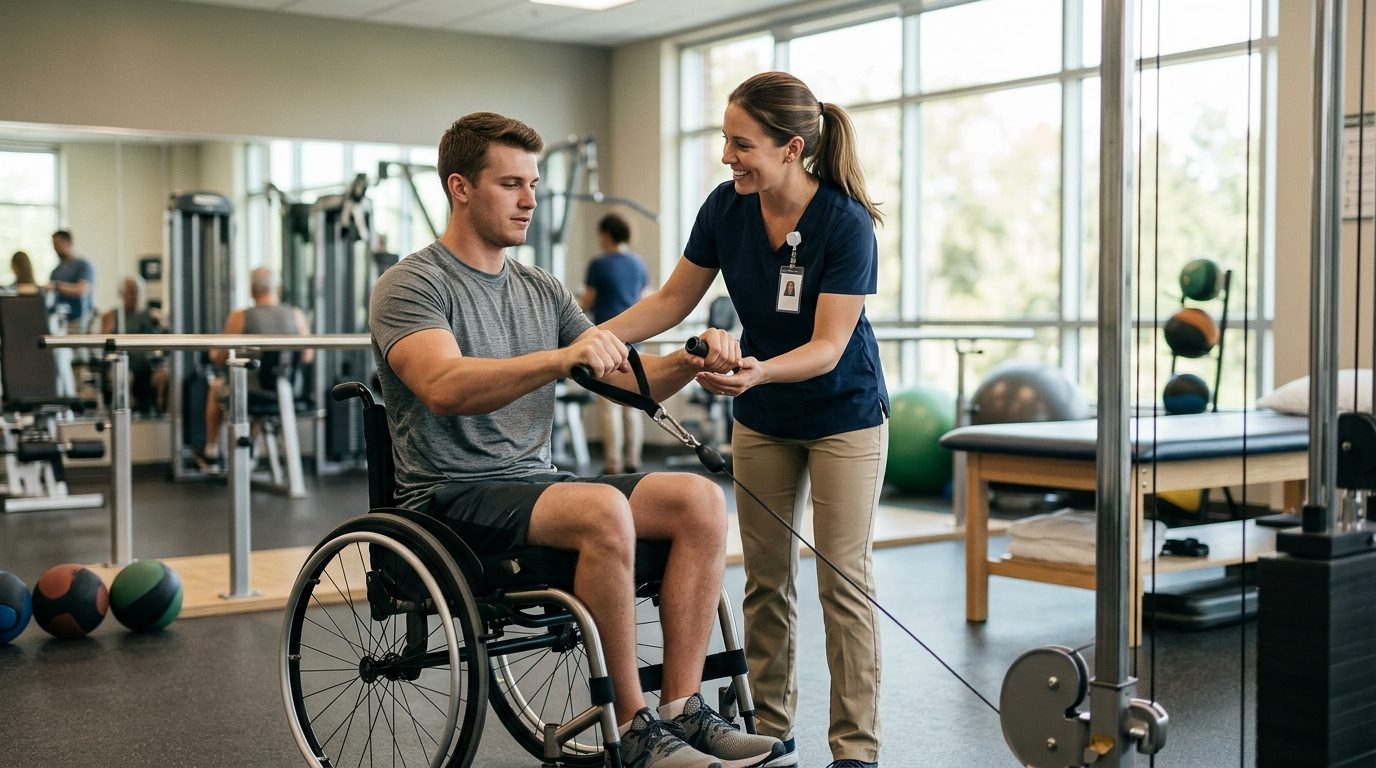
Inpatient rehabilitation. Specialized rehabilitation facilities provide intensive inpatient care. Physical therapists, occupational therapists, and nurses work with you daily to rebuild strength, relearn movement, and adapt to your new abilities. This phase typically lasts weeks to months and is essential to maximizing your functional recovery.
Activity-based therapy. Programs like NextStep Orlando offer activity-based therapy—exercise-focused recovery designed to stimulate nerve function and maximize independence. This approach has shown promise in helping some spinal cord injury survivors regain function.
Long-term care and home modifications. You’ll need assistive devices (wheelchairs, braces, communication aids), home modifications (ramps, accessible bathrooms, lifts), and ongoing medical management. Many people require personal care attendants for daily activities. These costs are substantial and ongoing—and they’re recoverable in a legal claim.
Life Expectancy and Quality of Life After Spinal Cord Injury
Modern medicine has transformed spinal cord injury outcomes. According to the National Spinal Cord Injury Statistical Center (NSCISC), life expectancy for spinal cord injury survivors has improved dramatically over the past few decades.
Factors that influence longevity. Age at injury, severity of the injury, access to quality medical care, and how well secondary complications (pressure sores, infections, blood clots) are managed all affect life expectancy. Someone injured at age 25 with an incomplete paraplegia and excellent medical care may live a near-normal lifespan. Someone with a high cervical tetraplegia faces greater medical complexity, but modern ventilators and medical management have extended survival significantly.
The real focus: functional independence and quality of life. Life expectancy is no longer the primary concern. The focus is on functional independence, employment, education, relationships, and quality of life. Many spinal cord injury survivors work, pursue education, start families, and live full lives. The goal of rehabilitation and legal compensation is to maximize independence and opportunity.
Preventive care is essential. People with spinal cord injuries face increased risk of pressure sores, urinary tract infections, blood clots, and respiratory complications. Ongoing medical care, preventive measures, and access to specialized providers are essential to maintaining health and longevity.
Not sure what your next step is?
Talk it through with our team — the first consultation is free, confidential, and carries no obligation.
Legal Compensation for Spinal Cord Injuries in Orlando
If your spinal cord injury resulted from someone else’s negligence, wrongdoing, or failure to act, you may have a legal claim for compensation.
Who can be held liable. Negligent drivers, property owners, employers, medical providers, and security companies can all be held responsible for spinal cord injuries. Liability depends on whether the defendant owed you a duty of care, breached that duty, and caused your injury as a result.
Types of damages available under Florida law:
- Medical expenses (past and future): surgery, hospitalization, rehabilitation, therapy, medications, assistive devices, and home modifications
- Lost wages: income you’ve lost since the injury
- Loss of earning capacity: reduced ability to earn income in the future due to your disability
- Pain and suffering: compensation for physical pain and emotional distress
- Loss of enjoyment of life: compensation for the loss of activities, relationships, and experiences you can no longer enjoy
- Home and vehicle modifications: costs to make your home and vehicle accessible
Why spinal cord injury claims are substantial. Lifetime care costs for someone with a spinal cord injury often total millions of dollars. A 25-year-old with tetraplegia may require 50+ years of medical care, therapy, personal attendants, and home modifications. Courts and juries understand this reality. Damages in spinal cord injury cases are categorically different from routine injury cases.
Expert testimony strengthens your claim. Proving damages requires expert witnesses: medical specialists who testify about your prognosis and future medical needs, life-care planners who calculate lifetime costs, and vocational experts who assess your ability to work. These experts give your claim credibility and precision.
Florida’s comparative negligence rule. Under Fla. Stat. §768.81, if you are found to be more than 50% at fault for your injury, you cannot recover damages. If you are 50% or less at fault, you can recover, but your damages are reduced by your percentage of fault. This rule affects how your case is valued and negotiated.
The statute of limitations. Under Fla. Stat. §95.11, you generally have two years from the date of injury to file a personal injury lawsuit. Evidence—witness statements, accident scene photos, medical records, vehicle data—must be preserved quickly. Missing this deadline means losing your right to sue.
Why You Need an Attorney for a Spinal Cord Injury Claim
Insurance companies have teams of adjusters, lawyers, and investigators trained to minimize payouts. You’re recovering from a catastrophic injury, managing medical appointments, and trying to rebuild your life. Going up against them alone is like facing a professional sports team with a pickup roster—you’re outmatched on every front.
An attorney handles the legal work so you can focus on healing. We manage insurance negotiations, gather evidence, coordinate with medical and vocational experts, and navigate Florida law. You focus on rehabilitation and recovery.
Calculating lifetime costs requires specialized expertise. Insurance companies will lowball your claim if you don’t have professional support. Life-care planners, vocational experts, and medical specialists help quantify what your injury will actually cost over your lifetime—a calculation that’s far more complex than most people realize.
Evidence must be preserved immediately. Witness statements fade, accident scenes change, and vehicle data can be lost. An attorney ensures evidence is preserved and all deadlines are met.
The goal is a settlement large enough to fund your long-term care, independence, and quality of life. That requires advocacy, expertise, and willingness to go to trial if the insurance company won’t offer fair value.
Support and Community Resources for Spinal Cord Injury Survivors in Orlando
You’re not alone. Orlando has a strong community of spinal cord injury survivors and support organizations.
Greater Orlando Spinal Cord Injury Network (GOSCIN). GOSCIN is a non-profit peer support group that has served the Orlando SCI community for over four decades. Members share experiences, resources, and practical advice. Connecting with others who’ve lived through spinal cord injury can ease the emotional burden and provide hope.
United Spinal Association. United Spinal is a national advocacy organization with local chapter resources. They offer education, support groups, and advocacy for spinal cord injury rights and accessibility.
Vocational rehabilitation and employment services. If you’re able to work, vocational rehabilitation specialists can help you explore employment options, job training, and workplace accommodations.
Why community matters. Recovery from a spinal cord injury is not just medical—it’s emotional, social, and practical. Connecting with others who understand your experience and knowing you’re not alone can transform your recovery journey.
Frequently Asked Questions
What’s the difference between paraplegia and tetraplegia?
Paraplegia affects the legs and lower body (injury to the mid or lower spine); tetraplegia affects all four limbs and often breathing (injury to the neck).
How long do I have to file a lawsuit for a spinal cord injury in Florida?
Under Fla. Stat. §95.11, you generally have two years from the date of injury to file a personal injury claim.
Can I recover damages if I was partially at fault for my injury?
Yes, under Fla. Stat. §768.81, as long as you’re not more than 50% at fault—but your damages will be reduced by your percentage of fault.
What if I was injured in an assault on an unsafe property?
You may have a negligent security claim against the property owner if they failed to provide reasonable security (lighting, locks, cameras, or guards) and that failure allowed the assault to occur.
How much can I recover in a spinal cord injury claim?
Damages depend on your injury’s severity, your age, your medical needs, lost income, and other factors. Spinal cord injury claims often involve substantial damages due to lifetime care costs. An attorney can evaluate your specific situation.
How do I know if I have a valid claim?
If your spinal cord injury resulted from someone else’s negligence, wrongdoing, or failure to act—a negligent driver, a property owner’s failure to provide security, an employer’s safety violation, or a medical provider’s error—you may have a claim.
Have questions about what happened?
Ask our team directly. The first conversation is free, confidential, and there is no obligation to continue.
Your Next Step: A Free Case Evaluation
If you or a loved one has suffered a spinal cord injury in Orlando, the first step is to talk with an attorney who focuses exclusively on catastrophic injuries like yours. We listen to your story, explain your legal options, and answer your questions—no obligation, no pressure.
We represent spinal cord injury survivors and their families across Florida and nationwide. Contact us for a free case evaluation. Tell us what happened, and let’s talk about what recovery and compensation might look like for you.
Know Your Timeline
In Florida, you generally have two years from the date of your injury to file a lawsuit. Don't wait—evidence fades, memories blur, and the clock is running. Contact us now to protect your rights.
Understanding Spinal Cord Injuries
Paraplegia vs. Quadriplegia
Paraplegia affects your legs and lower body when the injury occurs in the mid or lower spine. Quadriplegia (tetraplegia) affects all four limbs and often impacts breathing when the injury is in the neck or upper spine. Both are life-altering.
Common Causes
Spinal cord injuries in Orlando and across Florida result from truck accidents, car crashes, falls, workplace incidents, and negligent security failures—such as assaults or attacks on poorly secured property where the owner failed to provide adequate protection.
Immediate Medical & Legal Steps
After a spinal cord injury, seek emergency medical care immediately. Document the accident scene, preserve evidence, and contact a law firm that focuses exclusively on catastrophic injuries. Early legal action protects your claim.
Damages You May Recover
Catastrophic spinal cord injuries often warrant claims for medical care (past and future), lost income, assistive equipment, home modifications, pain and suffering, and loss of quality of life. Each case is unique.
Why CHG Personal Injury Lawyers
Focused Exclusively on Catastrophic Injuries
We do not handle minor or routine cases. Our practice focuses exclusively on spinal cord injuries, paralysis, traumatic brain injuries, amputations, severe burns, and other life-altering harm.
Licensed Florida Attorneys
Empathetic, Plain-Language Guidance
We explain your rights and options in clear terms—no legal jargon. We understand the physical, emotional, and financial toll a spinal cord injury inflicts on you and your loved ones.
Nationwide Representation
While based in Florida, we take catastrophic injury cases across the United States, bringing the same rigorous advocacy to clients nationwide.
No Attorney’s Fees Unless There Is a Recovery
We work on contingency. You pay no legal fees unless we recover compensation for you. Your focus is healing; ours is your case.
Bilingual Support
We provide English and Spanish-language resources and representation to ensure language is never a barrier to justice.