

Negligent Security | Spinal Cord Injury
Attacked on Unsafe Property and Left with a Spinal Cord Injury
If you were assaulted, shot, or attacked on someone else's property because the owner failed to provide reasonable security, you may have a claim—even if the attacker was never caught or convicted.
By CHG Lawyers · Published August 25, 2026
You Were Attacked on Unsafe Property and Suffered a Spinal Cord Injury—Here’s What You Need to Know
You were assaulted at an apartment complex, parking lot, hotel, bar, or other business. The attack left you with a spinal cord injury—paralysis, loss of function, or permanent nerve damage. Your life has changed in ways you didn’t choose.
Here’s what many people don’t realize: the property owner may be legally responsible for your injury. This is separate from any criminal case against the person who attacked you.
When a property owner fails to provide reasonable security—working locks, adequate lighting, security cameras, trained staff, or other basic protections—and you’re attacked as a result, you may have a negligent security claim against them. This page explains how that works, what damages you can recover, and why acting quickly matters.

Not sure what your next step is?
Talk it through with our team — the first consultation is free, confidential, and carries no obligation.
You Were Attacked on Someone Else’s Property and Suffered a Spinal Cord Injury
A spinal cord injury is catastrophic. Unlike a broken bone or bruise that heals, a spinal cord injury often causes permanent paralysis or loss of function.
You may no longer be able to walk, work, or care for yourself independently. Your life before the attack is gone.
The criminal case against your attacker is one legal matter. But the property owner’s failure to keep you safe is a separate, civil matter.
Property owners have a legal duty to protect visitors, tenants, and guests from foreseeable violent crime. When they fail to do that—by not installing locks, lighting, cameras, or security staff—and you’re injured, you can hold them accountable.
This isn’t about whether the attacker is caught or prosecuted. It’s about whether the property owner acted reasonably to prevent the crime in the first place.
What Is Negligent Security, and How Does It Apply to Your Injury?
Negligent security is a property owner’s failure to take reasonable steps to prevent foreseeable violent crime on their premises.
In plain language: they didn’t do what a reasonable person would do to keep people safe.
Reasonable security measures include:
- Working locks and gates on entry doors
- Adequate lighting in hallways, parking areas, and grounds
- Security cameras that record and are maintained
- Alarm systems and panic buttons
- Trained security personnel or regular patrols
- Prompt response to known threats or prior incidents
The property owner doesn’t have to prevent every possible crime. But they must act reasonably given the circumstances—especially if violent crime has happened there before or in the surrounding neighborhood.
If the property owner knew (or should have known) that violent crime was a risk, and they failed to provide adequate security, they can be held liable for your injuries. This is called a negligent security or premises liability claim.
How a Spinal Cord Injury from an Attack Differs from Other Injuries
A spinal cord injury is fundamentally different from minor injuries like bruises, cuts, or soft-tissue damage.
According to the Mayo Clinic, spinal cord injuries can result in permanent loss of motor function, loss of sensation, pain, loss of bowel and bladder control, sexual dysfunction, and respiratory complications. The exact effects depend on where and how severely the cord is damaged.
Paraplegia (paralysis of the lower body) or quadriplegia (paralysis of all four limbs) can mean you need a wheelchair, personal care attendants, home modifications, and ongoing medical treatment for life. The lifetime costs are enormous—often exceeding $1 million or more for comprehensive care.
Common Locations Where Negligent Security Failures Lead to Spinal Cord Injuries
Attacks happen in places where property owners failed to provide basic security:
Apartment complexes and residential buildings: broken locks, no gate access control, poor lighting in hallways and parking areas, no security cameras or guards.
Parking lots and parking garages: dark corners, inadequate lighting, no cameras, no attendants, no emergency call boxes.
Hotels and motels: unsecured entry doors, no security staff, poor lighting in hallways and grounds.
Bars and nightclubs: inadequate security staff, no ID checking, failure to eject intoxicated or aggressive patrons, poor lighting outside.
Gas stations and convenience stores: no cameras, no panic buttons, no security presence, poor lighting.
ATMs and bank lobbies: inadequate lighting, no security cameras, no guards, no emergency call systems.
Retail stores and shopping centers: insufficient security staff, no response to known loiterers or threats.
In each of these settings, the property owner had a duty to provide reasonable security. When they didn’t, and you were attacked, they may be liable for your spinal cord injury.
How Property Owners’ Knowledge of Prior Crime Matters
If the property owner knew that violent crime had occurred on the premises before—or in the surrounding area—they had a heightened duty to increase security.
Prior assaults, robberies, shootings, or sexual assaults put the owner on notice that the risk was foreseeable.
Police reports, incident logs, complaints from tenants or guests, and crime statistics for the neighborhood are all evidence that the owner should have known about the danger. A property owner cannot claim ignorance if the danger was known or should have been known.
This is a critical part of your claim. If prior crime occurred at that location, it strengthens your case significantly.
Have questions about what happened?
Ask our team directly. The first conversation is free, confidential, and there is no obligation to continue.
How Spinal Cord Injuries Are Classified (and Why It Matters for Your Claim)
Spinal cord injuries are classified by location and severity. The American Spinal Injury Association (ASIA) uses a standardized classification system to describe the extent of injury and predict functional outcomes.
Cervical (neck) injuries often result in quadriplegia—paralysis of all four limbs—and may affect your ability to breathe on your own.
Thoracic (mid-back) injuries typically result in paraplegia—paralysis of the lower body—while preserving arm and hand function.
Lumbar and sacral injuries may affect leg function and bowel or bladder control.
The classification determines the extent of your disability, your lifetime care needs, and the damages you can recover. Your medical records and expert testimony will establish the severity of your injury and whether it’s permanent.
What Damages Can You Recover in a Negligent Security Claim?
Damages in a negligent security spinal cord injury claim include:
- Medical expenses: emergency care, surgery, hospitalization, rehabilitation, ongoing treatment, medications, and assistive devices (wheelchairs, braces, ventilators).
- Home and vehicle modifications: ramps, accessible bathrooms, lifts, hand controls, and other adaptations to allow you to function independently.
- Lost wages and loss of earning capacity: income you lost during recovery and income you will never earn because of your disability.
- Pain and suffering: compensation for physical pain, emotional distress, loss of enjoyment of life, and psychological trauma.
- Costs of future care: long-term nursing, personal care attendants, medical equipment, and ongoing treatment over your lifetime.
- Punitive damages: in cases where the property owner’s conduct was especially reckless or negligent, you may recover additional damages to punish them and deter similar conduct.
Because spinal cord injuries are permanent and catastrophic, these damages are substantial.
How the Claims Process Works
The process begins when your attorney files a claim with the property owner’s insurance company. They provide evidence of the attack, your injury, and the owner’s negligent security.
Your attorney then investigates. They gather police reports, security footage, incident logs, prior crime data, witness statements, and expert opinions on what constitutes reasonable security standards for that type of property.
The insurance company may offer a settlement. If they don’t, your case may proceed to litigation.
Your medical records and expert testimony establish the severity and permanence of your spinal cord injury and the lifetime costs of care. The property owner’s failure to provide reasonable security is compared against industry standards and the foreseeability of violent crime at that location.
A jury or judge determines liability and awards damages based on the evidence.
Statute of Limitations: Act Now
In Florida, you generally have two years from the date of the attack to file a negligent security claim under Fla. Stat. §95.11. Other states have different deadlines; if the attack occurred outside Florida, the applicable state’s statute of limitations applies.
But don’t wait. Evidence disappears quickly.
Security footage is often deleted after 30 to 90 days. Witnesses’ memories fade. Property conditions change. The sooner you act, the stronger your claim will be.
Waiting too long can result in the loss of critical evidence and the expiration of your legal right to sue.
Why You Need an Attorney for a Negligent Security Spinal Cord Injury Claim
Negligent security claims are complex. You must prove both that the property owner had a duty to provide reasonable security and that their failure to do so caused your injury.
Insurance companies have teams of lawyers and investigators. You need experienced representation to level the playing field.
An attorney will investigate the property owner’s security practices, prior crime history, and industry standards for reasonable security. Medical experts will establish the permanence of your spinal cord injury and the lifetime costs of care. Your attorney will negotiate with the insurance company and, if necessary, take your case to trial.
Most negligent security claims are handled on a contingency-fee basis: you pay nothing unless your attorney recovers compensation for you.
Want to know where you stand?
Tell us what happened and our team will walk you through the options available to you, at no cost.
Next Steps: If You or a Loved One Was Injured in an Attack on Unsafe Property
If you were attacked on unsafe property and suffered a spinal cord injury, gather what documentation you can: police reports, medical records, photos of the property, witness contact information, and any communications with the property owner or their insurance company.
Request that the property owner preserve security footage, incident logs, and maintenance records. Seek prompt medical care and documentation of your spinal cord injury. Do not communicate directly with the property owner’s insurance company without legal representation.
The sooner you reach out to an attorney who focuses exclusively on catastrophic injury claims, the better. Your case depends on preserving evidence and acting within the statute of limitations.
FAQ
Can I sue a property owner if I was attacked by someone on their premises?
Yes. If the property owner failed to provide reasonable security and you were injured as a result, you may have a negligent security or premises liability claim against them—separate from any criminal case against the attacker.
What counts as reasonable security?
Reasonable security includes working locks and gates, adequate lighting, security cameras, alarm systems, trained security personnel, and prompt response to known threats or prior incidents.
How long do I have to file a negligent security claim in Florida?
You generally have two years from the date of the attack to file a negligent security claim in Florida.
Does the attacker have to be caught or prosecuted for me to have a claim against the property owner?
No. Your claim against the property owner depends on their failure to provide reasonable security, not on whether the attacker is identified or convicted.
What if the property owner claims they didn’t know violent crime was a risk?
If prior crime occurred on the property or in the surrounding area, the owner should have known about the risk. Police reports, incident logs, and crime statistics are evidence of foreseeability.
How much does it cost to hire an attorney for a negligent security case?
Most negligent security claims are handled on a contingency-fee basis: you pay nothing unless your attorney recovers compensation for you.
If you or someone you care for was attacked and left with a spinal cord injury because a property owner failed to provide basic security, you may have a claim. People in your situation can reach out to us to understand their options and take the next step. Contact us for a free case evaluation.
Important: Criminal Case ≠ Civil Claim
Whether or not the person who attacked you is prosecuted or convicted, you have a separate legal right to hold the property owner accountable for failing to provide reasonable security. These are two different cases—and you do not need a criminal conviction to pursue a civil claim.
What Counts as Reasonable Security?
Working Locks & Gates
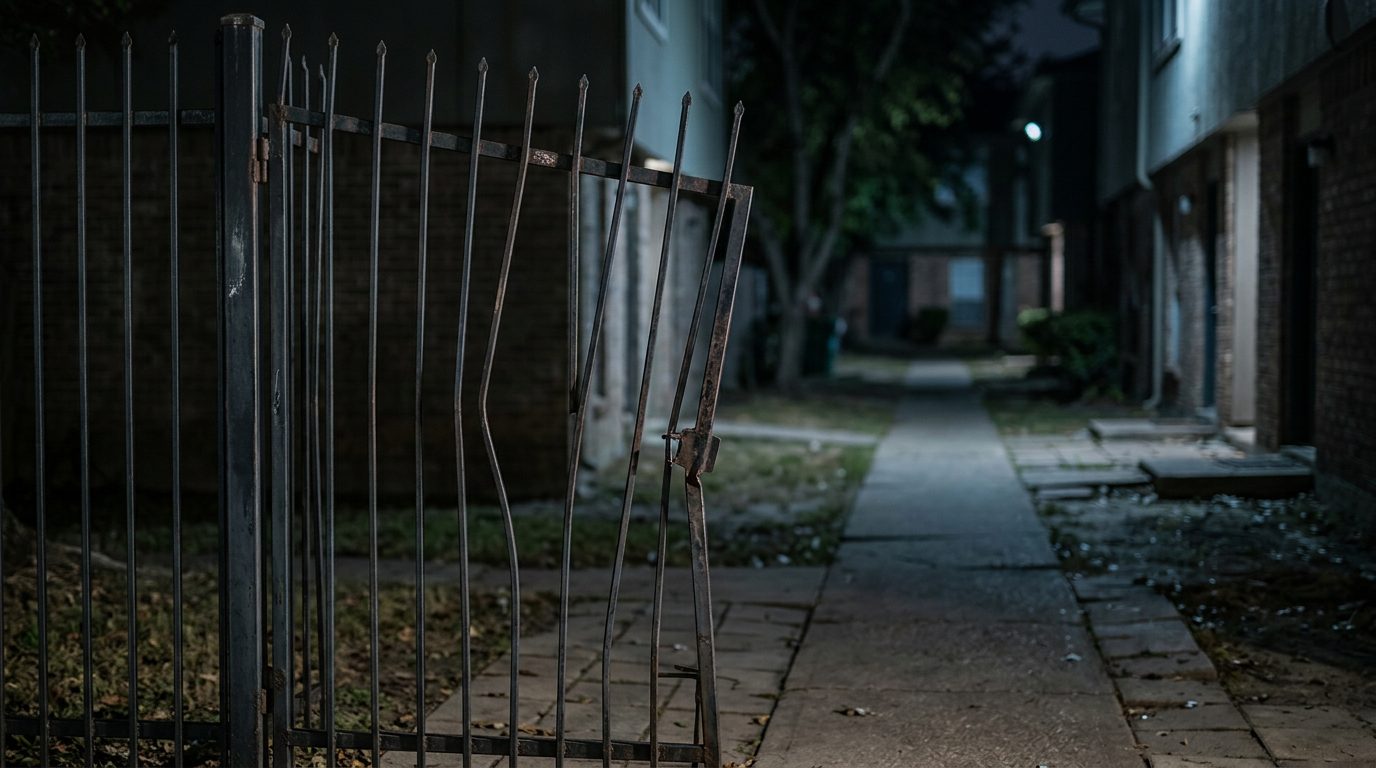
Broken or missing locks on doors, gates, or entry points—especially in apartment complexes, parking garages, and residential buildings—are a red flag for negligent security.
Adequate Lighting
Dark parking lots, stairwells, hallways, and outdoor areas create opportunities for attackers. Property owners are expected to maintain working lights in common areas.
Cameras & Monitoring
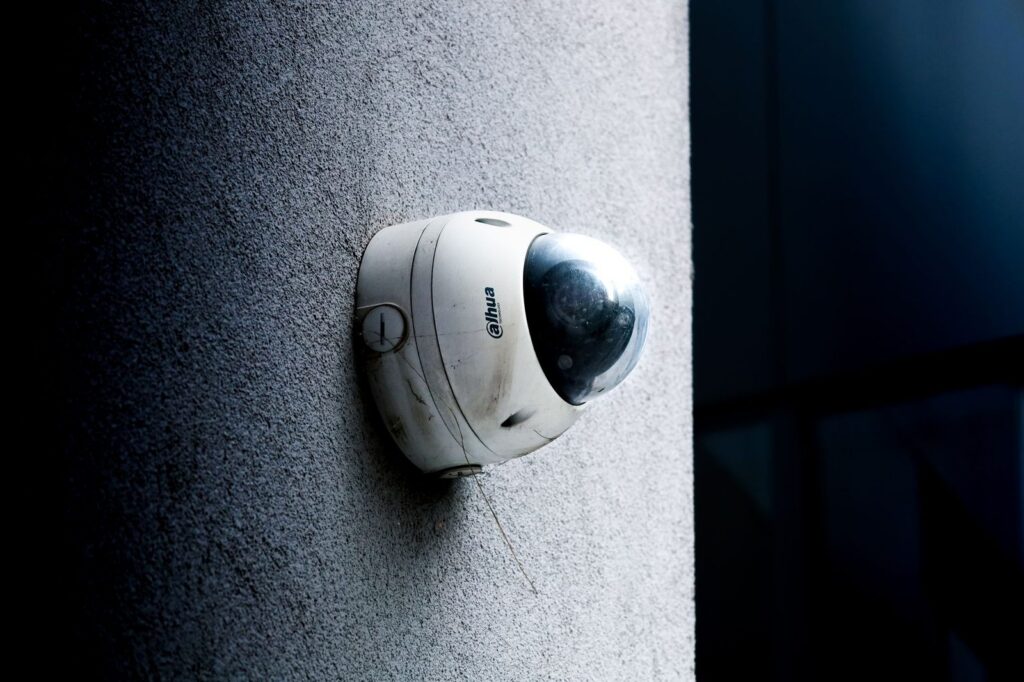
Security cameras in parking areas, lobbies, and common spaces—and staff trained to monitor them—are standard security measures at many properties.
Security Personnel or Patrols
Depending on the property type and location, security guards, off-duty police, or regular patrols may be necessary to prevent foreseeable attacks.
Why Property Owners Can Be Held Responsible
Duty to Protect
Property owners have a legal duty to maintain reasonable security and protect visitors from foreseeable harm—including attacks and violent crime.
Foreseeability Matters
If similar attacks or crimes have occurred at the property before, or in the surrounding area, the owner had notice that security was inadequate.
Negligent Security Claims Are Separate
You do not need to prove who attacked you or win a criminal case. You only need to show the owner failed to provide reasonable security and that failure allowed the attack to happen.
Spinal Cord Injuries Are Catastrophic
Paralysis, loss of sensation, chronic pain, and lifelong medical care are devastating. Compensation may cover medical bills, rehabilitation, lost income, and the cost of adapting your life.
Common Locations Where Negligent Security Claims Arise
Apartment Complexes & Residential Buildings
Broken locks, poor lighting in hallways and garages, lack of security cameras, and no gate or guard access control.
Parking Lots & Garages
Unlit areas, no security presence, broken surveillance, and inadequate fencing or barriers that allow unauthorized access.
Hotels & Motels
Weak room locks, no front-desk security, poorly lit corridors and parking areas, and failure to respond to prior complaints or incidents.
Bars, Nightclubs & Restaurants
No security staff, failure to remove aggressive patrons, poor lighting outside, and inadequate surveillance or communication with police.
Retail Stores & Gas Stations
Lack of cameras, no security presence, poor lighting, and failure to secure the property against robbery or assault.
ATMs & Outdoor Payment Areas
Isolated locations with no lighting, no cameras, and no security presence—making them targets for robbery and violent crime.
Spinal Cord Injuries from Attacks Require Immediate Legal Action
Evidence—security footage, maintenance records, prior incident reports, police records, and witness statements—can disappear or be destroyed. The sooner you contact an attorney, the sooner we can preserve critical evidence and investigate what security failures allowed the attack to happen.
What We Focus On
Negligent Security Claims
We focus exclusively on cases where property owners failed to provide reasonable security, allowing violent crime or assault to occur.
Spinal Cord Injuries & Paralysis
We focus exclusively on catastrophic, life-altering injuries—including paraplegia, quadriplegia, and permanent neurological damage from attacks.
Nationwide Representation
We take cases nationwide, including throughout Florida, and work with local counsel and medical specialists to build the strongest possible case.
No Attorney’s Fees Unless There Is a Recovery
We work on contingency. You pay no attorney’s fees unless there is a recovery—allowing you to pursue justice without upfront costs.