

Negligent Security | Paralysis from Assault
Paralyzed After an Assault on Someone Else's Property
If you were attacked and injured on an apartment complex, parking garage, hotel, or other property where the owner failed to provide reasonable security, you may have a claim against that property owner—regardless of whether the attacker was caught.
By CHG Lawyers · Published August 29, 2026
Assaulted on Someone Else’s Property and Paralyzed? Your Negligent Security Claim
You were attacked at an apartment complex, parking lot, hotel, or other property. The assault left you paralyzed—unable to move your legs or arms. Your life has changed forever: emergency surgery, months in rehabilitation, adaptive equipment you’ll need for life, home modifications, ongoing medical care, and the permanent loss of independence.
Here’s what matters right now: the attacker is not the only one who may be legally responsible. The property owner may owe you compensation if they failed to provide reasonable security—working locks, adequate lighting, cameras, or guards—that could have prevented the attack.
This is a separate legal claim from any criminal case. Even if the attacker is never caught, you may still recover money damages from the property owner. In Florida, you have two years from the date of the assault to file a civil claim—so time matters.

If you were paralyzed in an assault on property and want to understand your rights, contact our team for a free case evaluation. Talk it through with our team — the first consultation is free, confidential, and carries no obligation.
Your Paralysis from an Assault: The Permanent Reality
When you were assaulted, you suffered a spinal cord injury that resulted in paralysis. The severity depends on where the injury occurred and whether it’s complete or incomplete.
Complete spinal cord injury means the damage is total. No signals pass below the injury site. You have no movement or feeling below that level. Recovery of function is extremely limited.
Incomplete spinal cord injury means some signals still pass below the injury site. You retain partial movement or feeling. Incomplete injuries may allow for some recovery, but it’s unpredictable and often modest.
If you lost function in your lower body, that’s paraplegia. If you lost function in all four limbs, that’s quadriplegia. Either way, the injury is permanent and life-altering.
You’re now facing:
- Emergency medical care and spinal surgery
- Hospitalization and intensive rehabilitation (often 3–6 months)
- Adaptive equipment (motorized wheelchairs, lifts, modified vehicles)
- Home modifications (ramps, accessible bathrooms, roll-in showers, widened doorways)
- Ongoing medical care, physical therapy, and nursing support
- Catheterization and bowel management equipment
- Lost wages and reduced earning capacity
- Psychological recovery from trauma
These figures include medical care, equipment, home modifications, and lost earning capacity.
The criminal justice system may pursue the person who attacked you. But that system does not compensate you for these costs. A civil negligent security claim can.
Florida law recognizes that property owners have a legal duty to provide reasonable security. When they fail to do so, and that failure contributes to your injury, they can be held liable. This is called a negligent security claim. It’s separate from any criminal case—and often the only path to recovery.
How Property Owner Negligence Creates Liability
Negligent security means a property owner failed to provide reasonable safety measures that a reasonable owner would provide under similar circumstances.
Common security failures include:
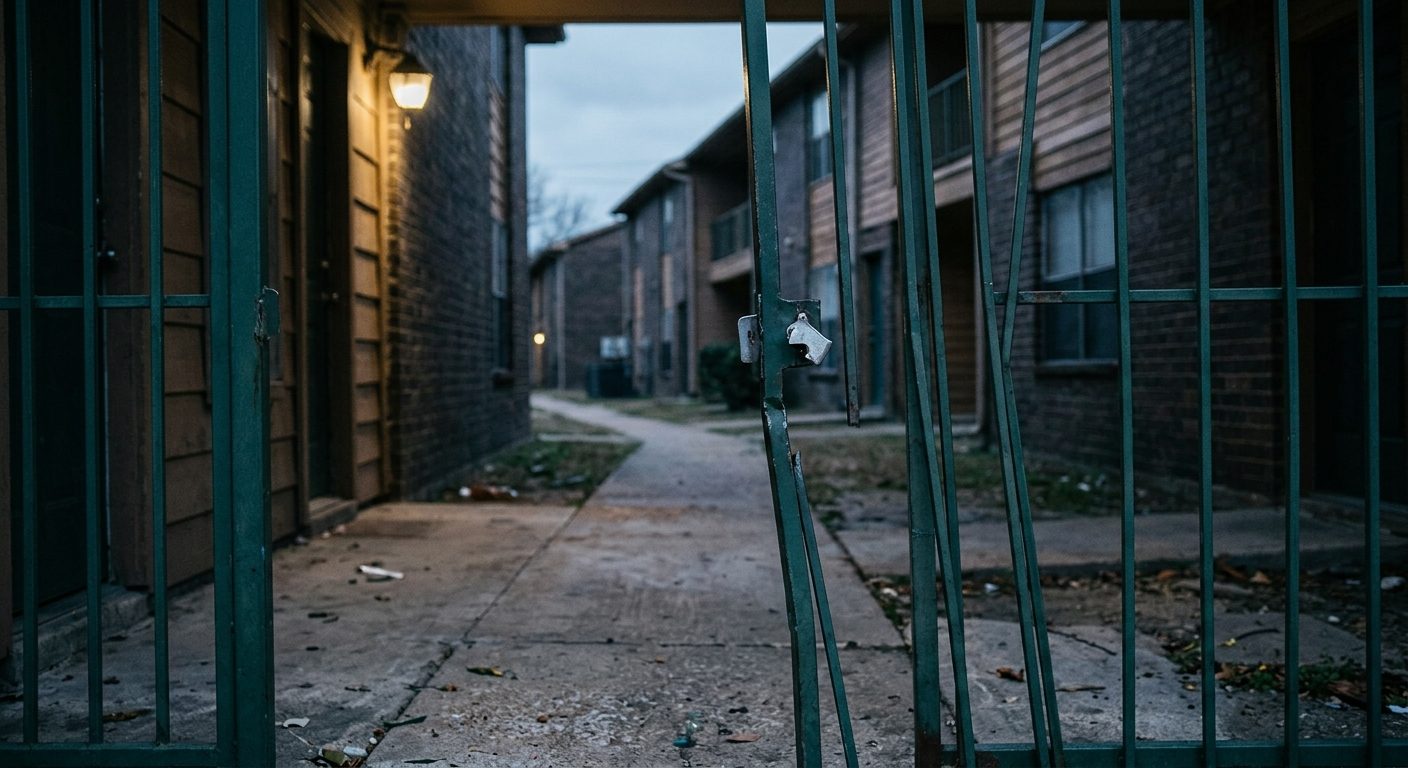
- Broken or non-functioning locks on doors, gates, or entry points
- Burned-out or inadequate lighting in parking areas, hallways, stairwells, or common areas
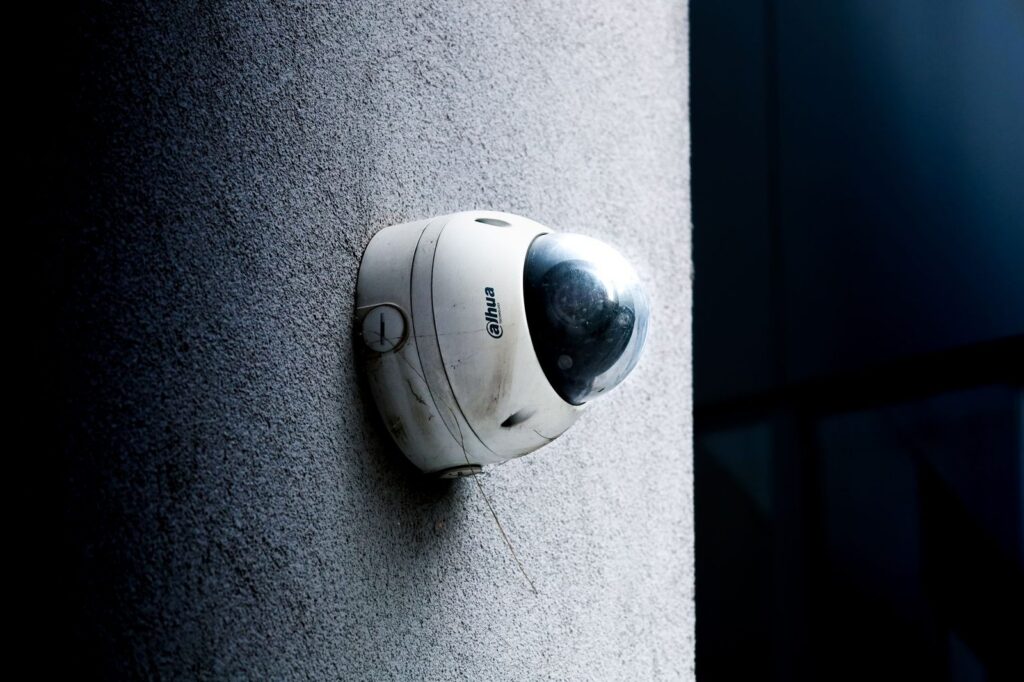
- Non-functional or absent security cameras
- No security guards or inadequate security staffing
- Failure to respond to prior complaints about unsafe conditions or broken equipment
- History of prior crimes on the property that the owner knew about (or should have known about through police reports or tenant complaints)
- Lack of alarm systems or emergency communication devices
- Unsecured or poorly maintained perimeter fencing
- Lack of controlled access to the property
The key legal principle is foreseeability. Under Florida law, if the property owner knew—or should have known—that criminal activity was a foreseeable risk, and they failed to take reasonable steps to prevent it, they can be held liable for resulting injuries.
Here’s the crucial point: the attacker’s criminal act does not automatically shield the property owner from liability.
How Courts Determine Liability
Judges and juries ask specific questions to determine whether a property owner is liable:
1. Did the property owner know (or should they have known) that criminal activity was foreseeable?
This is established through prior crimes on the property, tenant complaints, police reports, or the property’s location and history. Three assaults in a parking lot in two years shows clear foreseeability. A shooting at an apartment complex where residents had complained about lack of security strengthens your claim.
2. What security measures are reasonable for this property type?
An apartment complex in an urban area may need different security than a rural business. A property with a documented history of violence needs more security than one without. Industry standards for hotels, apartment complexes, and parking garages are well-established.
3. Did the property owner fail to provide those reasonable measures?
Broken security cameras for months, non-working locks, or inadequate lighting despite prior crimes equals negligence.
4. Was the property owner’s negligence a substantial factor in the attack?
If adequate security would have prevented or reduced the severity of the attack, the owner is liable.
Even if the attacker is never identified, arrested, or convicted, the property owner can still be liable. The focus is on the owner’s duty to provide security, not on the attacker’s prosecution.
Criminal Case vs. Your Civil Negligent Security Claim
Many people assume that if police don’t catch the attacker, they have no legal recourse. That’s not true.
The criminal case is brought by the prosecutor against the person who attacked you. The goal is to punish the attacker through fines or imprisonment. The standard of proof is “beyond a reasonable doubt”—very high.
Your civil negligent security claim is brought by you against the property owner. The goal is to recover money damages to cover your medical care, equipment, home modifications, lost income, and pain and suffering. The standard of proof is lower: “preponderance of the evidence,” meaning more likely than not.
These are separate proceedings. The outcome of one does not determine the other. You can have a successful civil claim even if:
- The attacker is never identified
- The attacker is arrested but charges are dropped
- The attacker is acquitted in criminal court
- The criminal case is still pending
The criminal system punishes wrongdoing. The civil system compensates you.
What Happens in a Negligent Security Claim
Investigation. Your attorney gathers evidence of security failures: prior police reports of crimes on the property, tenant complaints, photographs of broken locks or inadequate lighting, security footage if available, maintenance records showing when equipment was broken and when it was (or wasn’t) repaired, and expert testimony about industry standards for reasonable security.
Documentation. Medical records establish your spinal cord injury and paralysis through imaging (MRI, CT scan) and neurological examination. Police reports document the assault. Property records show what the owner knew. Witness statements corroborate what happened.
Liability analysis. Your attorney determines whether the property owner’s negligence was a substantial factor in the assault. Prior crimes on the property with no owner response strengthens your claim. No locks or lighting despite prior criminal activity strengthens your claim. A pattern of security complaints from residents that the owner ignored strengthens your claim.
Damages calculation. This is where the long-term cost of paralysis comes in. Damages include emergency medical care, surgery, hospitalization, rehabilitation, adaptive equipment, home modifications, ongoing medical care, nursing support, lost wages, reduced earning capacity, and pain and suffering. According to statistics about paralysis, lifetime costs for someone injured young can exceed $5 million. Your age at injury, the completeness of the spinal cord injury, and your pre-injury earning capacity all affect the total.
Negotiation or litigation. Your attorney negotiates with the property owner’s insurance company. If a fair settlement cannot be reached, the case may go to trial.
Not sure what your next step is?
Talk it through with our team — the first consultation is free, confidential, and carries no obligation.
Why Disability Benefits Aren’t Enough
You may qualify for Social Security Disability Insurance (SSDI) or Supplemental Security Income (SSI). These programs provide a monthly stipend, but they do not cover all costs of living with paralysis.
SSDI and SSI do not compensate you for pain and suffering, lost earning potential, or the full cost of adaptive equipment and home modifications. They are a safety net, not full recovery.
A civil negligent security claim against the property owner is separate from and often more valuable than disability benefits. Pursuing both may be appropriate.
Spinal Cord Injuries Are Clear and Provable
Unlike soft-tissue injuries (whiplash, sprains, muscle strains) that can be subjective and disputed, spinal cord injury and paralysis are objectively documented through medical imaging (MRI, CT scan) and neurological examination. Paralysis is observable and measurable.
The challenge in a negligent security claim is not proving your injury. The challenge is proving the property owner’s negligence—and that’s where the investigation into prior crimes, security failures, and industry standards comes in.
Medical experts can testify to the severity of your injury, the permanence of the paralysis, and the long-term prognosis. This strengthens your claim and establishes the full extent of your damages.
Time Matters: Florida’s Two-Year Statute of Limitations
In Florida, you have two years from the date of the assault to file a civil negligent security claim against the property owner. This deadline is set by Florida Statute § 95.11. After two years, you lose the right to sue, regardless of the strength of your claim.
This deadline is firm. Don’t wait. If you’re reading this months after the assault, contact an attorney now to preserve your right to file.
What If You’re Partly Responsible?
Florida follows a “comparative negligence” rule (Fla. Stat. § 768.81(6)). Even if you were partly responsible for what happened—for example, if you were in an area you were warned not to enter—you may still recover damages. Your recovery would be reduced by your percentage of fault.
For example, if a jury finds you 20% responsible and the property owner 80% responsible, and your total damages are $1 million, you would recover $800,000. PIP pays 80% of reasonable medical expenses and 60% of lost income, up to the $10,000 policy limit, if you get initial care within 14 days of the crash (Fla. Stat. § 627.736).
You Don’t Have to Prove the Assault Yourself
In a civil claim against the property owner, you do not need to prove every detail of the attacker’s conduct. The police report and your medical records establish what happened.
The focus of the civil claim is on the property owner’s negligence, not on the attacker’s identity or prosecution. Key evidence includes:
- Police report documenting the assault
- Witness statements
- Medical records and imaging showing the spinal cord injury and paralysis
- Photographs of the property, security conditions, broken locks, inadequate lighting
- Prior police reports or complaints of crimes on the property
- Security footage if available
- Expert testimony on industry standards for reasonable security
- Property records and lease agreements
- Maintenance records showing when security equipment was broken and when repairs were (or were not) made
Even if the attacker is never identified, the property owner can still be liable for failing to prevent foreseeable crime.
Have questions about what happened?
Ask our team directly. The first conversation is free, confidential, and there is no obligation to continue.
What Happens Next?
You’re in the middle of a difficult situation. You’ve been attacked. You’re living with paralysis. You’re trying to understand your options. It’s overwhelming, and uncertainty is normal.
Many people in exactly this circumstance—assaulted on someone else’s property, now paralyzed, unsure whether they have a claim—reach out to discuss what happened. They want to know whether the property owner’s negligence contributed to their injury, what evidence exists, and what a claim might look like.
There’s no obligation to pursue a claim. The conversation is confidential. We’ll listen to your story, answer your questions, and help you understand what may be possible.
If you were paralyzed in an assault on property and want to understand your rights, contact our team for a free case evaluation. We handle cases nationwide and focus exclusively on catastrophic injuries like yours.
Frequently Asked Questions
Can I sue the property owner if the attacker was never caught?
Yes. Your civil negligent security claim focuses on the property owner’s failure to provide reasonable security, not on the attacker’s identity or prosecution. You can recover damages even if the attacker is never identified.
What is the deadline to file a negligent security claim in Florida?
You have two years from the date of the assault to file a civil claim under Florida Statute § 95.11. After two years, you lose the right to sue.
How much can I recover in a negligent security claim?
Damages include emergency medical care, surgery, hospitalization, rehabilitation, adaptive equipment, home modifications, ongoing medical care, nursing support, lost wages, and pain and suffering. Lifetime costs for paralysis can exceed $5 million depending on your age and circumstances, according to the Christopher & Dana Reeve Foundation.
Is my civil claim separate from the criminal case?
Yes. The criminal case is brought by the prosecutor against the attacker. Your civil claim is brought by you against the property owner. They are separate proceedings with different standards of proof and different outcomes.
What if I was partly responsible for being in that location?
Florida’s comparative negligence rule allows you to recover even if you were partly responsible (Fla. Stat. § 768.81(6)). Your recovery would be reduced by your percentage of fault.
Do I need to prove the attacker’s identity?
No. You do not need to prove every detail of the attacker’s conduct. The police report and your medical records establish what happened. The focus is on the property owner’s negligence in failing to provide reasonable security.
What’s the difference between complete and incomplete spinal cord injury?
A complete spinal cord injury means the damage is total—no signals pass below the injury site. An incomplete injury means some signals still pass below the injury site, and you may retain partial movement or feeling. Incomplete injuries may allow for some recovery, but it’s unpredictable. Both are permanent, life-altering injuries.
Important: Time Matters
Negligent security claims are subject to strict filing deadlines under Florida law. The sooner you contact an attorney, the sooner we can protect your rights and begin investigating what happened.
What You Need to Know About Negligent Security Claims
The Property Owner's Duty
Property owners have a legal duty to provide reasonable security measures—working locks, adequate lighting, cameras, or security personnel—to protect visitors from foreseeable attacks. When they fail to do so and you are harmed, they may be held liable for your injuries.
Your Claim Doesn't Depend on Catching the Attacker
Your civil claim focuses on the property owner's negligence in providing security, not on prosecuting the person who attacked you. You can recover damages even if the attacker is never identified or caught.
Damages in Catastrophic Injury Cases
If you are paralyzed or permanently disabled as a result of the assault, damages may include medical care, rehabilitation, assistive equipment, lost income, and compensation for your permanent impairment and reduced quality of life.
Where These Claims Arise
Negligent security claims commonly involve attacks at apartment complexes, parking lots and garages, hotels and motels, bars and nightclubs, gas stations, retail stores, ATMs, and other commercial or residential properties open to the public.
Why You Need an Attorney for Your Case
We Focus Exclusively on Catastrophic Injuries
Our practice focuses exclusively on cases involving permanent, life-altering injuries—including paralysis and spinal cord injuries from violence and negligent security. We understand the full scope of your medical, financial, and personal needs.
Thorough Investigation of Security Failures
We investigate whether the property owner knew or should have known of the risk of attack, whether prior incidents occurred at that location, and what security measures were—or should have been—in place.
We Act Quickly to Preserve Evidence
Security footage, witness statements, and maintenance records can disappear. We move fast to secure evidence and protect your claim before critical information is lost.
Compassionate, Plain-Language Guidance
We explain the law and your options in clear terms, not legal jargon. We listen to your story and fight for fair compensation so you can focus on recovery and adapting to your new reality.