
Florida Personal Injury Claims
Wondering About Your Odds in a Florida Injury Case?
Every case is different, and the honest answer starts with your own facts. Here is how to think through the question and what to do next.
About CHG Personal Injury Lawyers
Florida
Florida-based personal injury firm
Licensed
Attorneys admitted to The Florida Bar
$0
No attorney's fees or case costs unless there is a recovery
By CHG Lawyers · Published November 23, 2026
If someone you love was hurt, you may be asking whether a lawsuit is worth pursuing. You deserve a straight answer. There is no reliable number that tells you the odds of winning a lawsuit. Each case turns on its own facts, its evidence, and the rules Florida applies. This page explains those pieces in plain language.
Why There Is No Simple Odds Number
No published percentage can tell you how one Florida case will end. A precise-sounding number may describe other cases, other years, or other types of claims. Many online figures cite no source at all. Treat them as background, not as a forecast for your claim.
If you’re reading this at a kitchen table or in a hospital waiting room, you’re probably under real stress. Many people search this question on behalf of a parent, a spouse, or a child. That is a hard place to be, and it’s a good reason to focus on facts rather than guesses.
Two families with similar injuries can end up in very different places. Details about fault, proof, and timing can change the picture completely. The sections below cover what a win means, how Florida’s fault and deadline rules work, and where social media addiction lawsuits stand.
If you're weighing whether a claim makes sense for someone you love, you don't have to work through it alone. Our team is ready to talk with your family. Talk it through with our team — the first consultation is free, confidential, and carries no obligation.
What Winning a Lawsuit Actually Means
A win usually means the claim ends with a recovery, such as an agreed payment or a court award. Several outcomes are possible, and each one looks different.
A settlement is an agreement between the sides, often reached before trial. A verdict is the decision a judge or jury reaches after trial. A dismissal ends the case in court. A withdrawal means the claim is ended by the person who filed it.
Many civil cases end in settlement before trial. That is common, but it doesn’t tell you how your case will end. Settling offers speed and certainty. Going to trial carries more risk for both sides, and the better path depends on the facts.
Florida also has an offer-of-judgment rule. Under the Florida offer-of-judgment statute, a written offer that is rejected can lead to costs and fees being shifted later. That makes early offers a serious part of the decision.
A case can be strong on fault and still face delays, appeals, or limits on what can be recovered. Fault is one piece of the result, not the whole result.
What Determines the Outcome of a Claim
Four questions decide most personal injury claims. Who was at fault? What caused the harm? What did the harm cost? What proof exists?
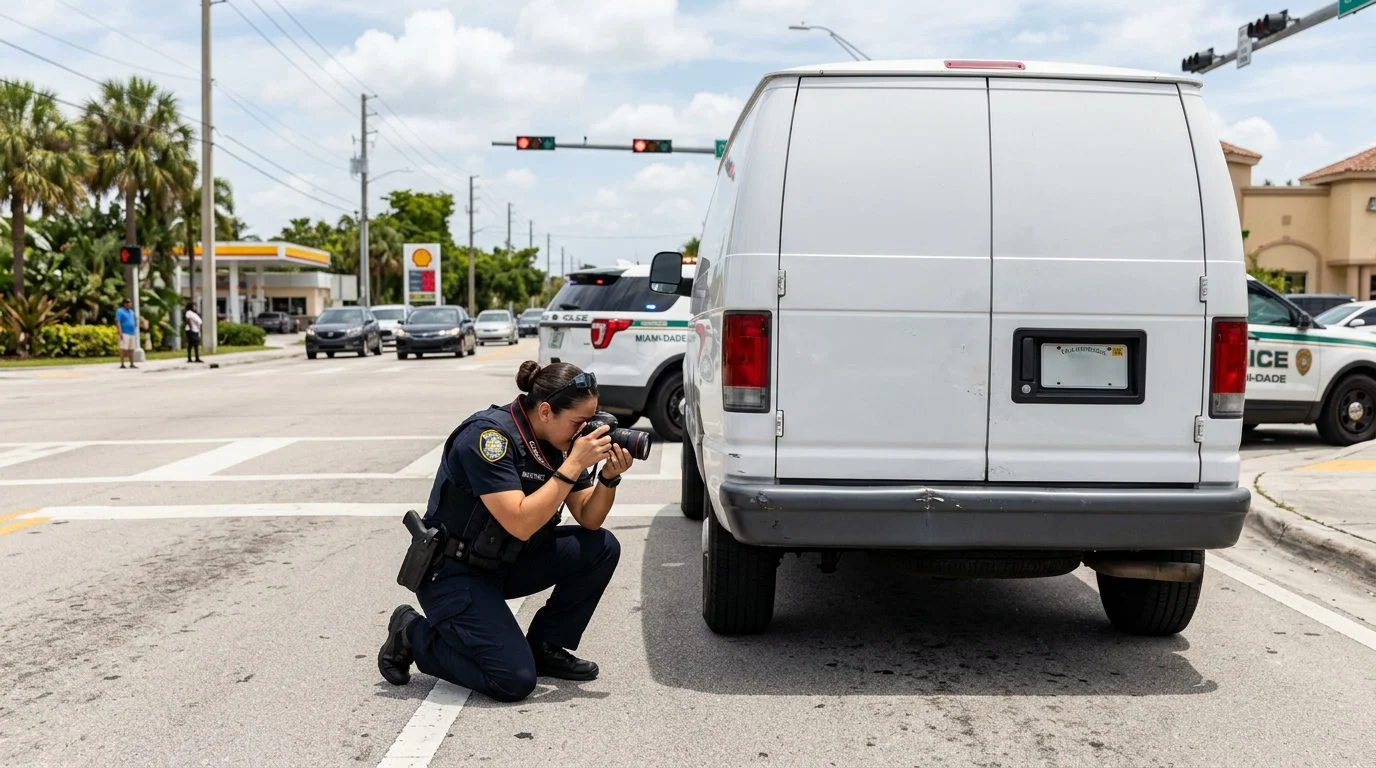
Proof often includes photos, reports, video, and witness accounts.
Causation asks whether the other party’s conduct caused the harm. This matters most in mental-health and social media claims. The HHS Surgeon General report describes an association between heavy social media use and depression and anxiety. It does not establish legal liability.
Damages are the losses. They can include medical care, counseling, lost school or work, and changes to daily life. Records of those costs matter.
Evidence is the proof itself: medical records, timelines, messages, photos, and names of witnesses. Evidence is easiest to keep early, before memories fade and data disappears. A common mistake is waiting too long to gather these records.
The defenses the other side raises, and the court where the case is filed, also shape the path. Each one can change how long a case takes and what it looks like at the end.
How Florida’s Comparative Fault Rule Can Affect a Claim
Florida uses a modified comparative fault rule, which is a shared-fault rule. Under Fla. Stat. § 768.81, in a negligence action to which this section applies, a party found greater than 50 percent at fault for his or her own harm may not recover any damages. This does not apply to an action for damages for personal injury or wrongful death arising out of medical negligence pursuant to chapter 766. Put simply, in a negligence action, if a fact-finder decides you were more than half responsible, you cannot recover any damages, unless the case is a personal injury or wrongful death claim arising out of medical negligence under chapter 766.
The court does not hold one party responsible for the whole amount. Defendants can also argue that someone outside the lawsuit shares the blame, but they must prove it.
Fault is often disputed, and each side may point at the other. Be careful about what you post online about an accident. Posts and messages can be used to argue about fault.
Florida Filing Deadlines Can End a Claim Early
Florida sets deadlines for filing a lawsuit, called statutes of limitations. If a deadline passes, a court may not hear the claim, even a strong one.
The time limit depends on the type of claim. Fla. Stat. § 95.11 lists filing periods by category. Chapter 2023-15 states how it applies in its own words: “Except as otherwise expressly provided in this act, this act shall apply to causes of action filed after the effective date of this act” (Chapter 2023-15, Laws of Florida).
Minors get some special rules. Under Fla. Stat. § 95.051, the clock can pause for a minor only in limited situations. For example, it can pause when no parent or guardian exists, has an interest adverse to the child, or is adjudicated incapacitated to sue. In any event, the action must begin within 7 years after the event that gave rise to the claim.
Those rules are easy to misread. Don’t try to calculate a deadline alone. Deadlines apply to every claim, and contacting a firm promptly helps protect your options.
Where Social Media Addiction Lawsuits Stand
Social media addiction lawsuits allege that certain platforms were designed to be addictive. They claim this contributed to serious mental-health harm in children and teens, including depression, anxiety, eating disorders, self-harm, and suicide attempts. These are allegations, not findings of fact. The companies named may dispute them.
Florida has its own law on minors and social media. Fla. Stat. § 501.1736 states that it does not preclude any other available remedy at law or equity.
Research helps explain what families are seeing. A Pew Research Center survey reports how teens view social media’s effects on their mental health. It does not prove cause.
Case status changes over time, so the current picture can shift.
Filing a claim does not ensure that a child will be included in any settlement or receive any amount. Deadlines apply to these claims, too. These cases may be handled together with, or referred to, another law firm.
Not sure what your next step is?
Talk it through with our team — the first consultation is free, confidential, and carries no obligation.
What a Settlement Figure Does and Does Not Tell You
A settlement figure is usually a gross amount. That means it is the total before expenses are paid. It is not the same as what the client keeps.
Medical bills and other claims can reduce the net. When Medicare has made a conditional payment, the CMS Medicare secondary payer guidance says that payment must be repaid when a settlement is made. Federal law takes precedence over state laws and private contracts.
Florida also reduces some awards for payments from other sources. Under Fla. Stat. § 768.76, the court reduces the award by amounts paid or available from collateral sources. Sources with a right of repayment are handled differently.
For bills that have already been paid, Fla. Stat. § 768.0427 limits proof to the amount actually paid. That detail changes the numbers that matter.
Fla. Stat. § 768.25 reads: “While an action under this act is pending, no settlement as to amount or apportionment among the beneficiaries which is objected to by any survivor or which affects a survivor who is a minor or an incompetent shall be effective unless approved by the court.” The Florida Supreme Court also held in Ripple v. CBS Corp. that a surviving spouse’s damages are recovered in the wrongful death action, not in a separate loss-of-consortium claim.
CHG charges no attorney’s fees and no case costs unless there is a recovery. No figure can be predicted for any reader without reviewing the facts.
If Your Child Is in Crisis
If your child is in crisis, call or text the 988 Suicide & Crisis Lifeline (988) right away.
Medical decisions belong to your child’s doctors and treatment team. Follow their care plan, and keep them informed about changes in mood, sleep, or school.
Legal questions can wait until your child is safe and supported. Your child’s health comes first.
Talk With Our Team About Your Family’s Situation
You may be a parent watching a teen struggle after years of heavy social media use. You may also be an adult still recovering from a crash, a fall, or an attack. Either way, you don’t have to sort out the law alone.
CHG Personal Injury Lawyers is a Florida-based personal injury firm. Igor Hernandez is the lawyer responsible for this page. Our lawyers are admitted to practice in Florida, and our team represents clients throughout the state.
The initial consultation is free, confidential, and carries no obligation to continue. If you’re ready to talk through what happened to your family, contact our team.
Frequently Asked Questions
What are the odds of winning a lawsuit?
No lawyer can honestly give you a set percentage, because every case depends on its own facts, evidence, and who was at fault.
How does Florida’s fault rule affect my case?
Florida uses a modified comparative negligence rule. You can recover damages only if you are 50% or less at fault, and any award is reduced by your share of the fault.
How long do I have to file a personal injury lawsuit in Florida?
For most negligence claims, Florida generally sets a two-year deadline, and wrongful death claims also generally have a two-year deadline. Some claims, such as those against government entities, can have much shorter notice requirements, so contact the firm promptly after an injury.
Do I owe anything if my case is not successful?
CHG Personal Injury Lawyers charges no attorney’s fees and no case costs unless there is a recovery. Your first consultation is free, confidential, and carries no obligation to continue.
What Shapes the Outcome of a Case
The evidence
Records, photos, witness accounts, and medical documentation all help show what happened and how it affected you.
Who was responsible
Claims often turn on whether another person, company, or property owner failed to act with reasonable care.
The impact on your life
The extent of your injuries, your treatment, and the way the harm affects work, family, and daily life all matter.
Timing
Deadlines apply to injury claims, and early action helps preserve evidence and options.
Do Not Wait to Get Answers
Evidence can disappear and deadlines apply to most injury claims. Follow your doctors' care, keep your records, and contact a lawyer promptly so your options can be reviewed while they are still open.
Questions to Consider Before You Decide
What happened, and who was involved?
Write down the date, place, and people involved while the details are still fresh.
What evidence exists?
Keep police reports, medical bills, photos, and any messages or insurance letters you receive.
How are your injuries affecting you?
Consider your treatment, time away from work, and changes to your daily routine or family life.
What might the other side argue?
Insurers and defendants often dispute fault or the extent of injuries, so an honest review of your case is important.