
Social Media Addiction Lawsuits | Serving Florida Families
Worried About Your Child's Mental Health? Here's What Florida Parents Should Know
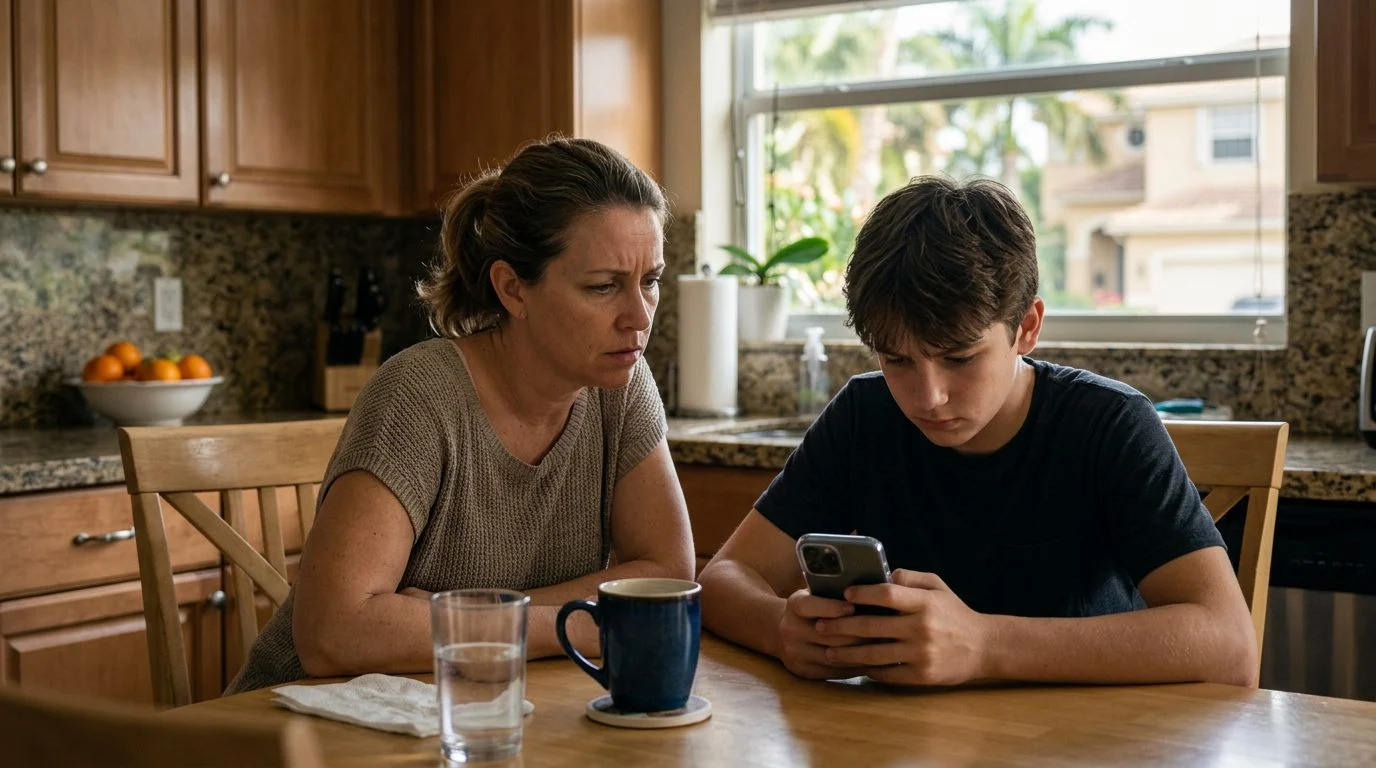
Lawsuits now allege that social media platforms were built to keep young users hooked. If your child is struggling, you deserve clear answers and a place to start.
By CHG Lawyers · Published November 19, 2026
Can Adults Sue for Social Media Addiction in Florida?
If your child has been harmed, you may be asking whether a claim is possible. The lawsuits described here concern harm to children and teens, and whether a claim is possible for your child depends on their own harm, records, and Florida’s deadlines.
Social media can be hard to put down. For some adults, that struggle reaches their sleep, their work, and their family life. If that sounds like you, you may be asking whether a lawsuit is possible.

Can Parents Ask About a Claim for a Child’s Social Media Harm in Florida?
This page is for parents who are concerned that their child or teen may have been seriously harmed by heavy social media use, including serious mental-health harm, as lawsuits allege. It is also for family members who have watched a loved one struggle. The lawsuits discussed on this page concern serious harm to children and teens that lawsuits allege is linked to social media addiction.
Two things matter most at the start. The first is the harm itself: is there a condition that a doctor has diagnosed and is treating? The second is timing. Florida’s deadlines limit how long you have to act, and they are covered below.
No one can promise how any case will turn out. Many of these cases are still moving through the courts.
What Social Media Addiction Lawsuits Allege
Lawsuits claim that social media platforms were designed to be addictive. These are allegations, not proven facts. The defendants dispute them.
The federal court order that created the consolidated litigation, known as MDL-3047, describes plaintiffs’ claims. Those claims say platforms were designed to encourage addictive behavior in adolescents and failed to warn about harm to minors. The JPML transfer order sets out that description.
The lawsuits point to features such as endless feeds, push notifications, and reward loops. They describe harms including anxiety, depression, poor sleep, and trouble stopping use. A doctor’s diagnosis is what documents those conditions.
Health agencies have also described links between heavy use and mental-health problems. The HHS report on youth social media describes an observed association with depression and anxiety. An association is not proof that a platform caused one person’s harm.
If you or a loved one is in crisis, or you are worried someone may harm themselves, call or text 988, the Suicide & Crisis Lifeline, right away. Do not wait to see whether things get better.
What Decides Whether an Adult Has a Claim
Whether an adult has a claim turns on that person’s own records and history.
A review usually looks at:
- Medical records showing a diagnosed condition and the treatment that followed, such as counseling notes or prescription history.
- Patterns of platform use over time, including failed attempts to cut back.
- Evidence linking platform features to the harm, reviewed case by case.
- Timing: when the harm began and when it was first connected to social media use.
- Documented losses, such as missed work or trouble handling daily tasks.
Records made at the time of care are usually easier to tie to a clear timeline than memories pulled together years later. Keep the records you have, and keep following your doctors’ care.
Florida also applies comparative fault, which means a person’s own share of blame can affect recovery. Under Florida’s comparative fault statute, in a negligence action a party found more than 50 percent at fault for their own harm may not recover any damages. Fla. Stat. § 768.81 reads: “This subsection does not apply to an action for damages for personal injury or wrongful death arising out of medical negligence pursuant to chapter 766.”
What a Claim May Cover
A claim may seek money for the losses the harm caused, as a court allows. Losses are usually sorted into a few groups.
- Mental-health treatment costs, including therapy and prescribed medication.
- Lost income, or reduced ability to earn, when the harm affected work.
- Other losses that Florida law allows a court to award, such as pain and suffering.
- Future care your doctors recommend, if your records document it.
Medical bills and treatment records form the foundation of these losses. They show what care was needed, when it was given, and what it cost. Clear records make it easier to explain the harm to a court or an insurer.
No amount can be promised in advance. What a court or a settlement may award varies from case to case.
What to Expect: How the Process Works
The process starts with a free, confidential consultation. That first meeting carries no obligation to continue. After that, the steps are straightforward.
- Consultation. You describe what happened, how it has affected your daily life, and what treatment you’ve had.
- Records review. Our team reviews your medical records and your platform-use history.
- Clear assessment. The lawyers explain whether a claim appears to exist and what the next steps would involve.
- Gathering proof. If you choose to move forward, our team collects records and coordinates with your treating doctors.
- Filing or resolution. The case may be filed, negotiated, or litigated. Timelines depend on the case and the court.
CHG charges no attorney’s fees and no case costs unless there is a recovery.
Not sure what your next step is?
Talk it through with our team — the first consultation is free, confidential, and carries no obligation.
Florida Deadlines: Why Timing Matters
For negligence claims that accrued after March 24, 2023, Florida’s general deadline is two years under Florida’s limitations statute.
Under Florida’s computation statute, a cause of action accrues when the last element constituting the cause of action occurs.
Contact the firm promptly rather than waiting to see how things develop.
Who Would Handle a Social Media Harm Claim
Social media harm matters may be referred to, or handled together with, another law firm. Some of these claims are also tied to the consolidated federal case described above. Nothing on this page means this firm is lead counsel in that federal case. When you contact us, we will tell you whether your matter would be handled by our firm, with another firm, or referred out.
Why Work With CHG Personal Injury Lawyers
CHG Personal Injury Lawyers is a Florida-based firm that serves people throughout Florida. It handles personal injury cases of every severity, from everyday accidents to catastrophic injuries. Social media harm matters are one of the case types it handles.
- Licensed attorneys admitted to The Florida Bar.
- Igor Hernandez, one of the firm’s lawyers, is the responsible lawyer for this page.
- Our team explains what the facts support, in plain language.
- The firm does not promise results, because each case turns on its own facts.
- If a matter is referred to, or handled with, another firm, we will say so.
Frequently Asked Questions
Can adults sue for social media addiction in Florida?
Possibly. It depends on the person’s own harm, records, and timing.
Do these lawsuits only involve teens?
Most public cases so far involve children and teens. Adult claims are reviewed on their own facts.
Is a diagnosis required?
Medical documentation is central to any review. A doctor’s diagnosis is what documents the condition.
How long do I have to act?
Florida deadlines apply, and a missed deadline can end a claim. Contact the firm promptly.
Does a consultation cost anything?
The first consultation is free and confidential, with no obligation to continue.
What if my child or a loved one is in crisis?
Call or text 988, the Suicide & Crisis Lifeline, right away.
Para lectores en español: ¿qué debo saber?
La consulta inicial es gratuita, confidencial y sin compromiso de continuar. Los plazos de Florida se aplican, así que comuníquese con la firma pronto. Si su hijo o un ser querido está en crisis, llame o envíe un mensaje de texto al 988, la Línea de Prevención del Suicidio y Crisis.
Talk With Our Lawyers About Your Situation
If your child or teen has struggled with serious mental-health harm and you are wondering whether a claim may be possible, contact our firm. The initial consultation is free, confidential, and carries no obligation to continue. You don’t have to sort that out alone. Reach out for a free case evaluation, and our team will review your story, your records, and your timeline with you. Keep following your doctors’ care while you decide.
How CHG Personal Injury Lawyers Can Help Your Family
Plain-Language Answers
We explain what these lawsuits allege, what records may matter, and what questions to bring to your family's next steps, without legal jargon.
Florida-Based Representation
Our attorneys, licensed to practice in Florida, serve families across the state, from Miami and Orlando to Tampa and Jacksonville.
A Family-Centered Approach
Your child's well-being comes first. We take time to understand what your family has been through and what matters most to you.
No Fees Unless There Is a Recovery
CHG charges no attorney's fees and no case costs unless there is a recovery. The first consultation is free, confidential, and carries no obligation to continue.
If Your Child Is in Crisis
If your child talks about suicide, self-harm, or feels unsafe right now, do not wait. Call or text the 988 Suicide & Crisis Lifeline (988) at any time, or call 911 in an emergency. Follow the care plan from your child's doctors and mental health providers.
Steps Parents Can Take Now
Keep Your Child Connected to Care
Make sure your child is seeing their doctor or a mental health provider, and follow the treatment plan they recommend.
Save What You Can
Keep screenshots, messages, school communications, and medical and counseling records. Organized documents help any review of your family's situation.
Write Down Your Observations
Note changes in sleep, mood, school performance, and social life, along with dates. Share these details with your child's providers.
Ask About Your Options Promptly
Legal deadlines can apply to these claims. Contacting a law firm early gives your family more time to understand the choices available.