
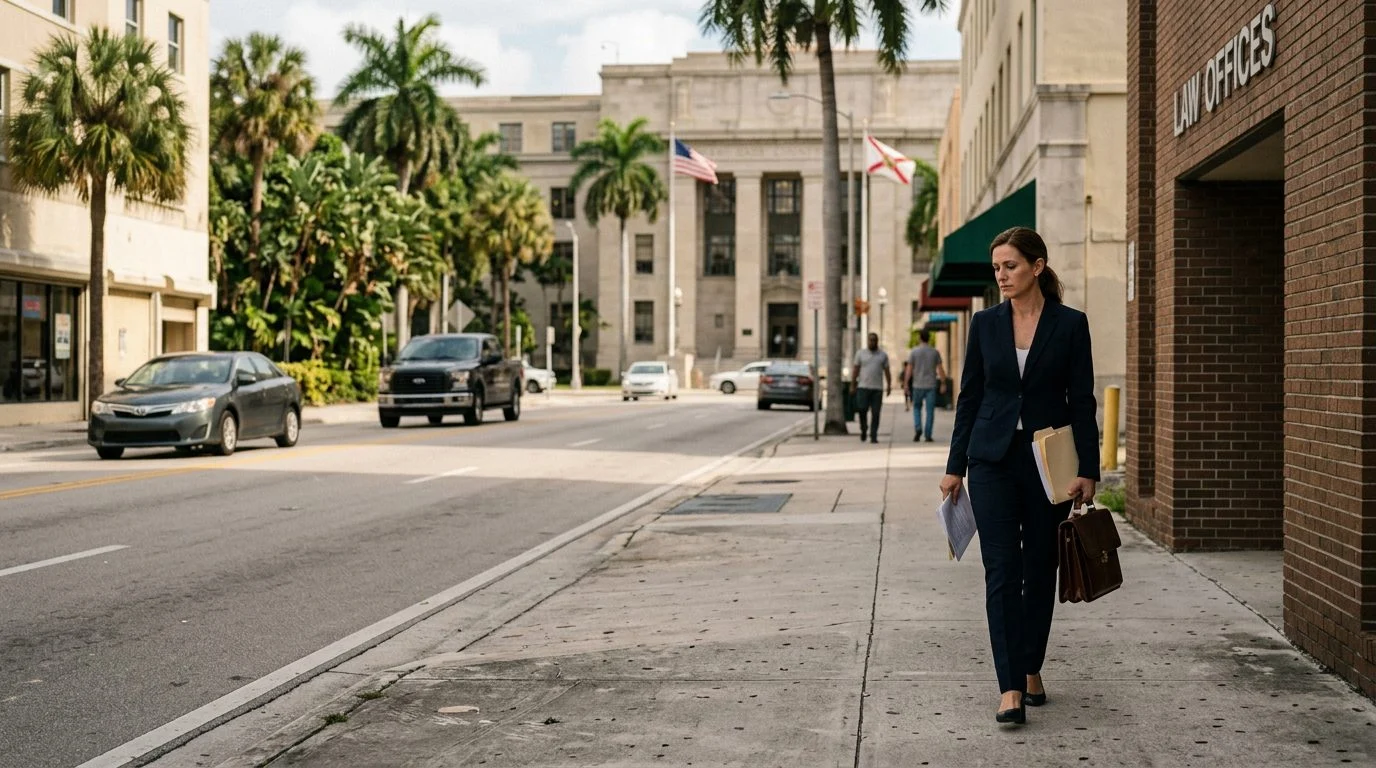
Florida Personal Injury Law | Miami, Orlando, Tampa, Jacksonville
Can You Sue for Emotional Distress in Florida?
Fear, anxiety, sleepless nights and lasting trauma after an accident or an attack are real harms. Here is how Florida law looks at them and how a lawyer can help you understand your options.
By CHG Lawyers · Published November 27, 2026
Can you sue for emotional distress in Florida? Maybe you were hurt. Maybe someone you love was. Fear, sleepless nights, and grief after an injury are real, and they may be part of how a lawsuit looks at your losses.
Sometimes they can. The answer depends on how the harm happened. Florida law also has its own rules.
Can You Sue for Emotional Distress Damages in Florida?
Yes. Emotional harm can be part of a Florida injury claim. The path depends on how the harm happened.
Three paths come up most often:
- A physical injury caused by someone else’s carelessness. Emotional harm is often claimed along with the physical harm.
- A wrongful death. Certain survivors may seek damages for their own mental pain and suffering. These include:
- A surviving spouse
- Minor children of the person who died
- Parents of a deceased minor child
- All children of the person who died, if there is no surviving spouse
- Each parent of an adult child, if there are no other survivors
- Conduct that was intentional or extreme. This path faces a much higher bar.
People use “emotional distress,” “mental anguish,” and “psychological harm” as if they mean the same thing. The law treats them differently.
- “Emotional distress” is the everyday phrase for the suffering itself.
- “Mental anguish” is a term the law uses for a kind of harm.
Not sure what your next step is?
Talk it through with our team — the first consultation is free, confidential, and carries no obligation.
Understanding Emotional Distress and Psychological Damages
Emotional distress is the mental and emotional suffering that follows an injury or a frightening event. It often shows up as fear, anxiety, nightmares, or trouble sleeping. It can also cause flashbacks.
Grief, irritability, and pulling away from people you once enjoyed are common, too. Some people struggle to focus at work or school. Others lose interest in hobbies they used to love.
These symptoms can appear days or months after the event. They do not always appear right away.
Psychological damages are the mental pain and suffering damages a court may award in a Florida wrongful death case from the date of injury: to a surviving spouse, to minor children, and to parents of a deceased minor child, while parents of an adult child may recover them only if there are no other survivors. A surviving spouse may also recover for loss of the decedent’s companionship and protection. The law treats them as real harms. The legal question is how they connect to a claim.
This page does not give medical advice. If you notice these symptoms, follow the care plan from your doctors, therapists, or counselors.
Emotional Distress Damages as Part of Pain and Suffering in a Florida Injury Claim
When another party’s carelessness physically injures you, emotional harm is often part of the claim. Pain and suffering and mental anguish are usually claimed alongside your medical bills and lost wages.
Florida’s comparative fault statute, § 768.81, separates economic damages from other losses.
- Pain, suffering, mental anguish, and loss of enjoyment of life are the harms that don’t come with a bill.
How Your Own Share of Fault Can Affect Recovery
Many families worry that any blame at all will end a claim. Under Florida’s comparative fault statute, § 768.81(6), a person found more than 50 percent at fault cannot recover damages, but a person found 50 percent or less at fault may still recover, with the award reduced by that person’s share of fault.
Under § 768.81(2), fault chargeable to the injured person reduces the amount awarded for the injury attributable to that fault. It does not bar recovery, subject to subsection (6).
Here is how that works in practice:
- If you share some blame, your award is reduced by your share of fault.
- Under § 768.81(3), the court enters judgment against each party liable, based on that party’s percentage of fault.
- This is not joint and several liability. Each responsible party pays its own share.
- Fault can be assigned to a nonparty, but the defendant must raise it and prove it. A nonparty’s share is not assumed.
How fault is divided depends on the evidence in your case. No one can promise a result.
Negligent Infliction of Emotional Distress in Florida
Negligent infliction of emotional distress is a claim that someone’s carelessness caused emotional harm. The rules are narrow. They depend on the facts.
What you saw, where you were, and how you were affected all matter.
Medical records help show the physical injury. They also help show the link to emotional symptoms. Keep notes about when your symptoms began and how they changed.
Intentional Infliction of Emotional Distress: The Outrageous Conduct Standard
Some violent situations may raise these questions, such as an intentional assault.
Whether this claim applies depends on what the attacker did. It also depends on what the evidence shows.
Punitive damages are a separate question. They are meant to punish certain conduct.
Not sure what your next step is?
Talk it through with our team — the first consultation is free, confidential, and carries no obligation.
Situations That Can Lead to an Emotional Distress Claim
Emotional harm most often appears after:
- Serious crashes
- Everyday accidents
- Attacks on someone else’s property
- The death of a family member
After a serious car or truck crash, many people describe lasting fear of driving. They may have flashbacks or nightmares. These symptoms are often claimed along with the physical injuries. A slip and fall can leave similar fear and sleep trouble, even after the body heals.
Picture a person walking to their car in a parking garage at night. They are attacked. The lights are out, the gate is broken, and the cameras don’t work. They were hurt because the property owner did not provide reasonable security.
The same concern can arise at an apartment complex, a hotel, or a bar parking lot. Lawyers call this kind of claim negligent security.
Wrongful Death: What Surviving Family Members May Recover
When a loved one dies, the survivors may have their own claim. Under § 768.21, the following people may recover, among others (all children of the decedent may also recover if there is no surviving spouse, and each parent of an adult child may recover for mental pain and suffering if there are no other survivors):
- A surviving spouse may recover for the loss of the decedent’s companionship and protection. A spouse may also recover for mental pain and suffering from the date of injury.
- Minor children may recover for the loss of parental companionship, instruction, and guidance. They may also recover for mental pain and suffering.
- Each parent of a deceased minor child may recover for mental pain and suffering.
Marriage Timing and Spousal Damages: The Ripple Decision
A common question from families is whether a marriage that began after an injury still counts.
In that opinion, the court stated: “we further hold that the “marriage before injury” rule does not bar Ripple’s recovery of damages under section 768.21(2).” The court held that the rule does not bar a surviving spouse’s recovery of damages under § 768.21(2).
Every family’s facts are different. Talk through your situation with a lawyer.
Catastrophic injuries can change daily life for years. These include spinal cord injuries, paralysis, traumatic brain injuries, amputations, and severe burns. Emotional harm is often part of that larger claim.
Social Media Addiction Lawsuits and Emotional Harm to Children and Teens
Some lawsuits allege that social media platforms were designed to be addictive. These lawsuits claim the platforms contributed to serious mental-health harm in children and teens. These are allegations, not proven facts.
This section is written for parents who have seen a child struggle.
The U.S. Department of Health and Human Services describes an observed association between heavy social media use and higher risks of depression and anxiety in young people. An association is not proof that a platform caused harm. It does not establish legal liability. See the HHS report on social media and youth mental health.
A CDC report on U.S. high school students found statistical associations. Frequent social media use was linked to bullying, persistent sadness or hopelessness, and suicide risk. These are associations, not findings about any one child.
Lawsuits in this area are still developing. Parents who want to understand how these claims may apply to their child can contact our firm.
If your child or teen may be in crisis, call or text the 988 Suicide & Crisis Lifeline (988) at any time.
Florida’s suicide prevention guidance explains when to seek immediate help.
Claims involving minors can differ from adult claims. Deadlines apply. No one can promise whether a child will be included in any lawsuit, settlement, or proceeding.
Proving Emotional Distress and Deadlines to Keep in Mind
Proof of emotional harm usually comes from records. These records show what happened and how it changed your daily life.
Useful evidence includes:
- Medical and counseling records
- Prescriptions
- Statements from treating doctors and therapists
- School or work records
- Photos and a personal journal
- Statements from family and friends who saw the change
A timeline is often important. Write down when symptoms began and what triggered them. Note how they changed over time.
Gaps in care or a sudden change in the story can make proof harder later.
Florida generally gives two years to file a negligence claim under § 95.11. Florida’s rules control. Deadlines apply to every type of claim on this page. Contact a lawyer promptly. Do not rely on a general timeframe.
What Happens Next: Talk With Our Team About Your Situation
If you are still living with fear, grief, or sleepless nights, you may be deciding what to do next. These struggles can follow an accident, an attack, a death, or your child’s struggles online. You don’t have to sort out Florida law by yourself.
Igor Hernandez, one of the firm’s lawyers, is responsible for this page. CHG Personal Injury Lawyers is a Florida firm. Our attorneys are admitted to The Florida Bar. Our team serves people throughout Florida, including Miami, Orlando, Tampa, and Jacksonville.
CHG charges no attorney’s fees and no case costs unless there is a recovery.
Some cases may be referred to, or handled together with, another law firm where appropriate.
If you want to talk through your own facts, reach out to us here. The initial consultation is free, confidential, and with no obligation to continue.
La consulta inicial es gratuita, confidencial y sin compromiso de continuar.
Not sure what your next step is?
Talk it through with our team — the first consultation is free, confidential, and carries no obligation.
Can I Sue for Emotional Distress After a Car Accident in Florida?
Yes. Emotional harm from a car accident can be part of a claim when another driver’s carelessness caused the crash. It is usually claimed along with physical injuries.

Frequently Asked Questions
Can you sue for emotional distress in Florida without a physical injury?
The answer depends on the facts of each case. It is worth discussing your situation with a lawyer. The facts matter a great deal.
How long do you have to sue in Florida?
Florida generally gives two years to file a negligence claim under § 95.11. Deadlines apply, so contact a lawyer promptly.
Can a family recover mental pain and suffering after a death?
Florida’s wrongful death statute, § 768.21, allows certain survivors to seek mental pain and suffering damages. Which survivors qualify depends on the family’s circumstances.
How Our Florida Firm Can Help
Plain-Language Answers
We explain how emotional distress claims work in Florida in clear terms, so you can make decisions with confidence.
Confidential First Consultation
Your first consultation is free, confidential and comes with no obligation to continue.
No Fees Unless There Is a Recovery
CHG Personal Injury Lawyers charges no attorney's fees and no case costs unless there is a recovery.
Licensed Florida Attorneys
Our attorneys are licensed and admitted to The Florida Bar, and we serve people injured throughout Florida.
Keep Track of What You Are Experiencing
Write down your symptoms, appointments, missed work and how the injury has changed your daily life. Follow your doctors' care. Florida deadlines apply to these claims, so contact a lawyer promptly.
Questions People Often Ask Us
Is a physical injury required?
Florida courts look closely at the facts. Whether emotional harm can be part of a claim depends on how it arose and what happened, which is why a conversation about your specific situation matters.
What evidence helps?
Medical records, counseling notes, photos, witness statements and a personal journal can all help show how the event affected your life.
Can family members pursue these claims?
In some cases involving a death or severe injury, family members may have legal options. Our lawyers can review your circumstances with you.
What happens at a consultation?
The consultation is free and confidential.