

Social Media Addiction Lawsuits | Serving Families Throughout Florida
Your Child's Mental Health Matters. Get Clear Answers About Your Options.
Lawsuits allege that social media platforms were designed to keep young users engaged for as long as possible, and that this contributed to depression, anxiety, eating disorders, and other serious harm in children and teens. CHG Personal Injury Lawyers, a Florida-based firm, helps parents understand what these claims involve.
Why Florida Families Reach Out to CHG
Florida
Florida-based firm serving clients throughout the state
Free
Confidential first consultation with no obligation to continue
Bilingual
Educational resources published in English and Spanish
By CHG Lawyers · Published October 24, 2026
Social Media Addiction Lawyer Florida: What Parents Should Know
Many Florida parents notice a change in their child. They may not know what to call it yet. Their child pulls away from family. Sleep gets worse. Friends and school lose interest. Hours pass on a phone that seems hard to put down.
Some families now ask a hard question. Should social media platforms be held responsible for serious mental-health harm to young people? Lawyers call this kind of claim a social media addiction lawsuit. A social media addiction lawyer in Florida can help you find out whether one may fit your child’s situation.
CHG Personal Injury Lawyers is a Florida-based personal-injury firm. It offers a free, confidential first consultation. You have no obligation to continue.
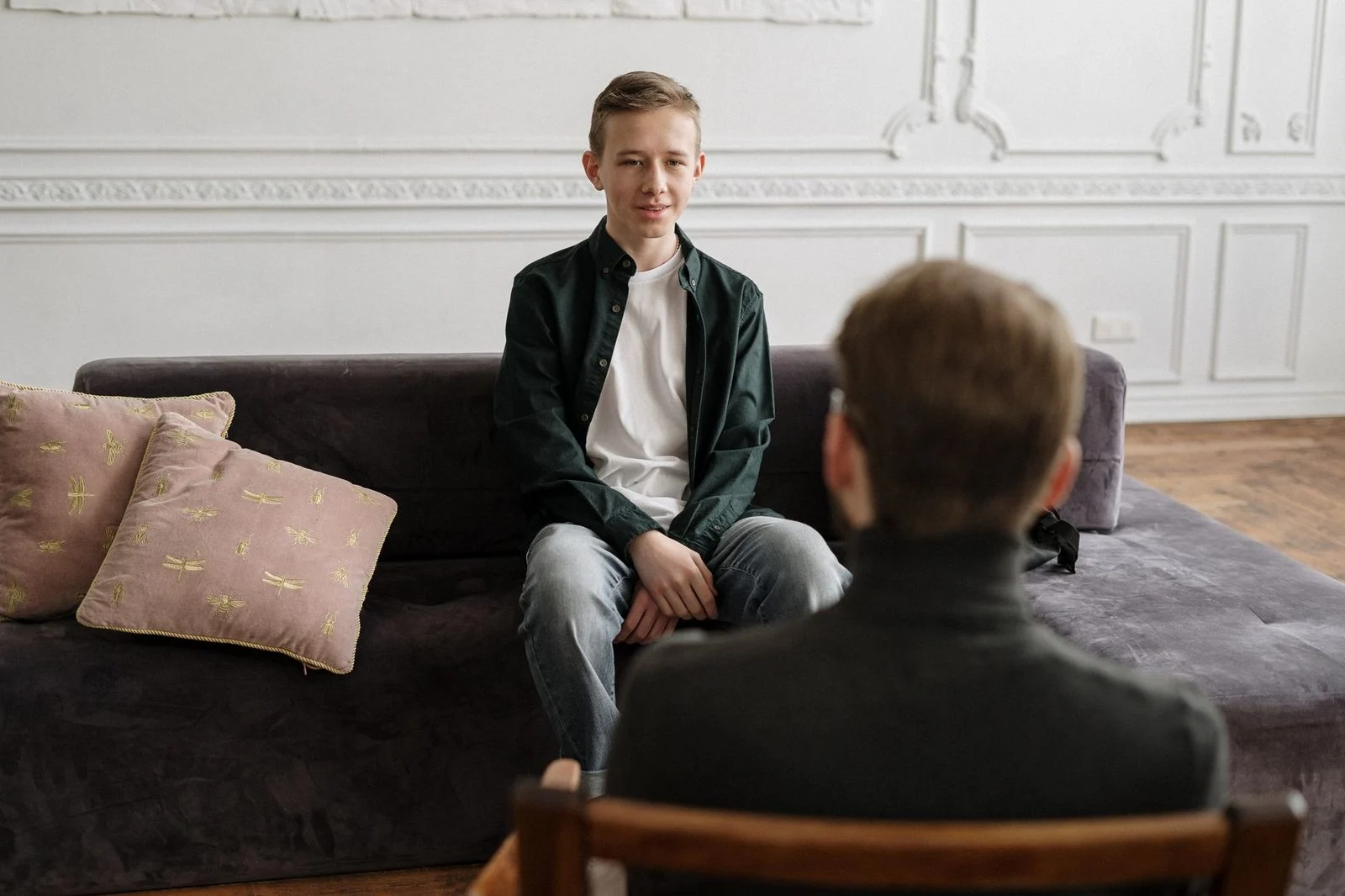
If your child's mood, sleep, or safety has changed, you may wonder whether a social media platform bears responsibility. Talk it through with our team — the first consultation is free, confidential, and carries no obligation.
Is a social media addiction lawsuit right for your family?
A social media addiction lawsuit may be one option for some families. It is the right step for some families. It is not the right step for every family.
The decision depends on three things:
- Your child’s diagnosis
- Your child’s treatment history
- How your child used the platform
Start by writing down a few dates:
- When screen time increased
- When sleep, school, or friendships changed
- When your child first received care
These dates help a lawyer understand the timeline.
Your child’s doctors and treatment team guide medical care. A lawyer has a different role. A lawyer looks at whether a legal claim may exist. A lawyer also explains what pursuing one would involve.
What these lawsuits allege
The lawsuits allege that social media platforms were designed to keep young users engaged. They claim this design harmed the users’ mental health.
These are allegations. They are not proven facts.
The lawsuits point to these features:
- Infinite scrolling keeps content loading. There is no natural stopping point.
- Autoplay starts the next video without a choice.
- Push notifications call users back to the app.
- Engagement-based recommendations are suggestions picked to keep users watching. They show content designed to hold attention.
The harms described include depression, anxiety, eating disorders, self-harm, and suicide attempts.
Public health research describes links, not legal liability. The U.S. Surgeon General’s advisory on social media reports an observed link between heavy social-media use and higher risks of depression and anxiety.
The CDC analysis of 2023 high school survey data comes from the Centers for Disease Control and Prevention. It links frequent use with bullying, persistent sadness or hopelessness, and suicide risk. These are statistical links. They are not findings about any particular platform.
Federal cases are combined
Federal cases can be grouped together. As of October 2022, according to the transfer order issued by the Judicial Panel on Multidistrict Litigation, cases alleging social media adolescent addiction had been consolidated in federal court as MDL No. 3047.
An MDL (multidistrict litigation) is one federal case that combines many similar lawsuits.
The transfer order is the court’s order that moved these cases together. It describes the plaintiffs’ allegations. It does not decide whether they are true.
Case status can change as the litigation moves forward. Ask for the current status at your consultation.
What the free consultation covers
The free consultation is confidential. This means the conversation is private. The attorney listens and asks questions. Then the attorney explains what a claim would involve. You have no obligation to continue afterward.
The conversation usually covers:
- Your child’s age and timeline. This includes when heavy use began and when behavior changed.
- Diagnoses and treatment. These may include counseling, hospital care, or medication. Keep following your doctors’ care. The consultation does not replace it.
- Records you already have. These may include medical records, school reports, counselor notes, and screen-time or account information.
- Your child’s accounts and daily use. The attorney will also ask about other stressors in your child’s life. A platform would likely raise these points.
- What you leave with. You will have a clearer picture of whether a case may be worth pursuing. You will also learn the next steps.
How the process works, step by step
The process starts with a call or an online contact form. Before any decision is made, it moves to a records review.
- Contact the firm. Describe your child’s situation in your own words. You do not need every record ready.
- Free consultation. A licensed attorney reviews your family’s situation. The attorney answers your questions in plain language.
- Records review. With your permission, the firm requests medical, school, and account information.
- Decision. You decide whether to move forward.
- Updates. Timelines vary. Complex cases take longer. The firm keeps families informed at each stage.
CHG charges no attorney’s fees and no case costs unless there is a recovery.
Not sure what your next step is?
Talk it through with our team — the first consultation is free, confidential, and carries no obligation.
Deadlines, referrals, and why timing matters
Florida sets filing deadlines for these claims by statute. A statute is a law passed by the legislature. Deadlines apply to these claims. Contact a lawyer promptly.
Florida’s limitations statute, § 95.11, sets the time limits for filing suit. A limitations statute is the law that sets how long you have to file a lawsuit. Certain rules can pause the clock in some situations. § 95.051 describes these rules.
These rules are technical. The timing question needs a lawyer’s review.
Florida also applies a fault rule. This rule looks at how much blame each person carries. Under § 768.81, in a negligence action a claimant’s own fault reduces the damages awarded, but a claimant found more than 50 percent at fault for his or her own harm may not recover any damages; this bar does not apply to an action for personal injury or wrongful death arising out of medical negligence under chapter 766. The reduction matches that fault. Damages are money awarded for the harm.
Platforms may argue that other factors contributed to a child’s harm. The facts of each situation matter.
These matters may be referred to, or handled together with, another law firm. Ask at your consultation how a referral would work for your child’s situation.
Why families contact CHG Personal Injury Lawyers
CHG Personal Injury Lawyers is a Florida-based personal-injury firm. It serves clients throughout Florida, including Miami, Orlando, Tampa, and Jacksonville.
- Responsible lawyer: Igor Hernandez is the responsible lawyer for this page. The firm has more than one lawyer. The attorneys are admitted to The Florida Bar.
- Case types: The firm handles personal-injury matters of every severity. These range from everyday accidents to catastrophic injuries. Its case types include social media addiction lawsuits, which may be handled with another firm.
- Bilingual content: The firm publishes educational content in English and Spanish for prospective clients.
- Plain guidance: Our team explains each step in plain language. That way, families know what happens next.
Common questions parents ask
Does it cost anything to talk to a social media addiction lawyer in Florida?
No. The first consultation is free and confidential. It carries no obligation to continue.
Will my child have to testify?
Whether your child would take part depends on the facts. The consultation explains what participation could involve.
Can I start the process if my child is a minor?
A minor child is a child who is not yet an adult. Families of an injured child often have questions about who can act for the child. Those questions are worth raising with a lawyer early. The consultation covers who can take action for your child.
Is there information in Spanish?
Yes. CHG publishes educational content in English and Spanish for prospective clients.
What if my child is in crisis right now?
If your child is in crisis, call or text the 988 Suicide & Crisis Lifeline (988) right away. Emergency care comes first. Legal questions can wait until your child is safe.

Talk to a social media addiction lawyer in Florida about your child’s situation
If your child’s mood, sleep, or safety has changed, you may wonder whether a social media platform bears responsibility. You can reach out to a social media addiction lawyer who serves Florida families.
CHG Personal Injury Lawyers offers a free, confidential consultation. You have no obligation to continue. Contact CHG for a free consultation.
Steps Parents Can Take Now
Keep Records
Save messages, screenshots, account details, and the dates of changes in your child's behavior, sleep, school attendance, or friendships. Organized records help a lawyer and your child's doctors understand the timeline.
Keep Your Child's Care Going
Follow the advice of your child's doctors, therapists, and school counselors. Ask about any treatment that has been recommended or changed. Medical decisions belong with your child's care team.
Talk With Your Child Openly
Ask calmly about what your child sees and feels when using social media, without blame. Children are more likely to share hard feelings when they sense support.
Ask About Your Options
Your family can speak with a lawyer about what the lawsuits allege and whether your child's situation may fit. The free consultation is confidential and carries no obligation to continue.
Have questions about what happened?
Ask our team directly. The first conversation is free, confidential, and there is no obligation to continue.
What to Expect When You Contact CHG
A Free, Confidential Consultation
Share what has happened with a Florida lawyer in a private conversation. The first consultation is free and has no obligation to continue.
Plain-Language Explanations
We explain the lawsuits, the claims they make, and the steps involved in everyday terms, without legal jargon.
Your Child's Privacy
Whether your child would take part in any case depends on the facts. We explain what participation could involve and how your family's privacy is considered.
No Fees Unless There Is a Recovery
CHG charges no attorney's fees and no case costs unless there is a recovery.
Possible Referral or Shared Handling
Social media addiction cases may be referred to, or handled together with, another law firm. We will tell you if that applies to your family's matter and explain what it means.
If Your Child Is in Crisis, Get Help Right Away
If your child is in crisis or may harm themselves, call or text the 988 Suicide & Crisis Lifeline (988) at any time, or call 911 in an emergency. Support is available now, and you do not have to wait to talk with a lawyer.
Talk With a Florida Lawyer About Your Family's Questions
Related practice areas
- Social Media Lawsuit for Teen Hospitalization and Therapy Costs in Florida
- Vertebral Fracture Spinal Cord Damage