
Social Media Addiction Lawsuits | Tamarac, Florida
Tamarac Social Media Addiction Lawsuit: Parent Options
Parents who see serious mental-health harm in their teen often have questions about what happened and what comes next. Igor Hernandez and the team at CHG Personal Injury Lawyers listen first and explain your choices in plain language.
By CHG Lawyers · Published November 21, 2026
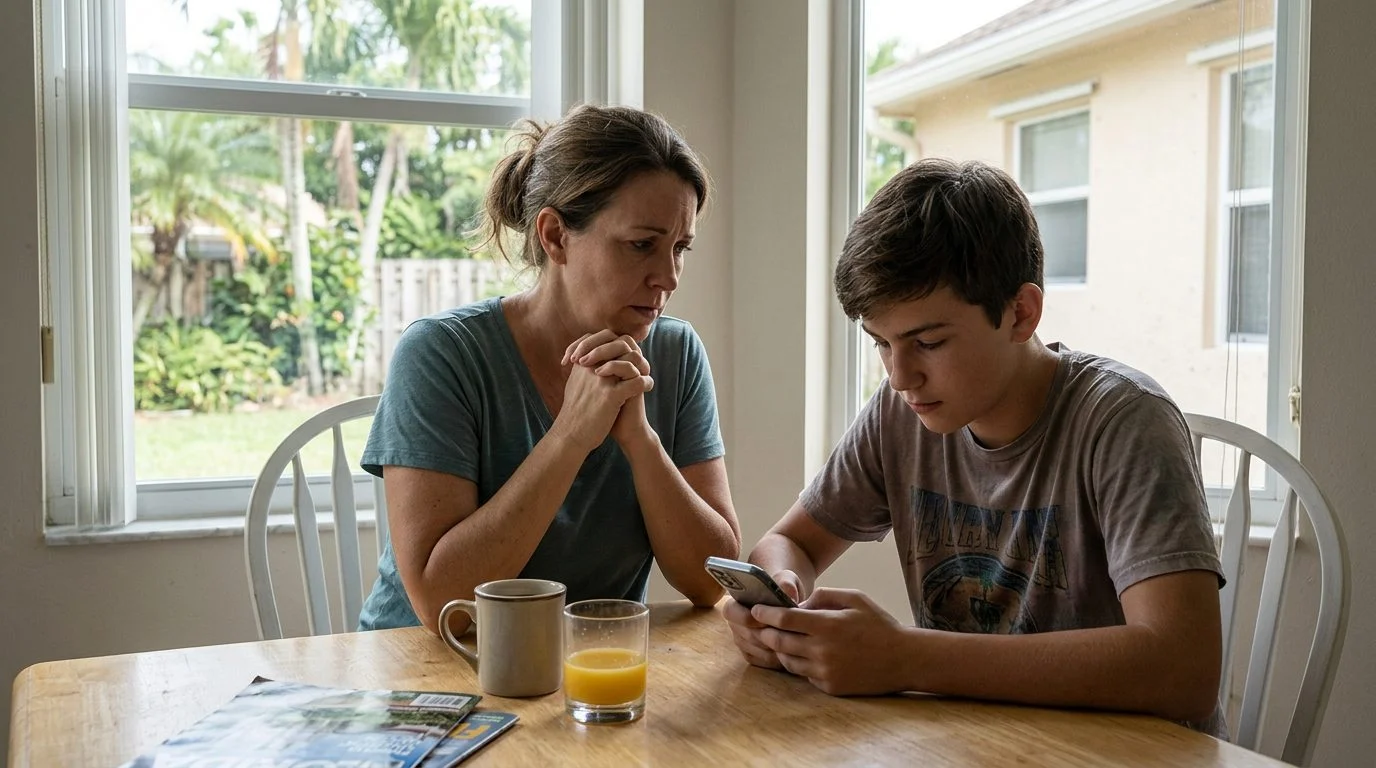
Your child is on the phone late at night, sleeping poorly, and pulling away from friends. You want to help, and you may have heard about lawsuits over social media and teen mental health. A social media addiction lawsuit is a claim, usually filed by a parent for a minor, that says a platform’s design caused serious mental-health harm. Whether your family has one turns on your child’s history, so the facts matter more than any headline.
These lawsuits are allegations, and they have not been proven. This page offers general information for Tamarac families who are dealing with an injury and wondering about their next steps.
Why Tamarac Parents Are Asking About These Lawsuits
Tamarac parents ask because screen habits can change a child’s mood, sleep and friendships in ways that are hard to read from the outside. Many parents feel stuck between worry and uncertainty. They can’t tell whether they are seeing a passing phase or something more serious.
CHG Personal Injury Lawyers is a Florida-based personal injury firm. It represents families throughout Florida, including families in Tamarac. Igor Hernandez is the responsible lawyer for this page, and our lawyers are admitted to The Florida Bar.
Whether a platform played a part in your child’s harm is a question for each family’s own facts. This page explains the claims so you can weigh your options with clear information.
If your child's mood, sleep or friendships have changed and you're unsure whether a lawsuit fits, our team is glad to talk through your family's situation with you. Talk it through with our team — the first consultation is free, confidential, and carries no obligation.
What a Social Media Addiction Lawsuit Is and Who It May Cover
A social media addiction lawsuit is brought for a child or teen against social media companies. It claims the platforms’ design fueled compulsive use and contributed to serious mental-health problems.
Families who may be considered often have a child treated for depression, anxiety, an eating disorder, self-harm, or a suicide attempt. In these lawsuits, the link between social media use and those harms is an allegation.
Many parents first notice changes in school grades, sleep, or how a child reacts when the phone is taken away. Those changes are not proof of a claim. They are, however, the kinds of facts a review looks at.
Whether a family has a claim turns on the child’s history, medical and school records, and Florida law. The firm reviews those facts case by case, and no two families’ situations are identical.
What the Lawsuits Allege About Platform Design
The lawsuits allege that some platforms were built to keep young users scrolling and returning in ways that become compulsive.
Florida’s law for minors names features it treats as addictive. Those include infinite scrolling, which means either continuously loading content, or content that loads as a user scrolls down a page without the need to open a separate page, or seamless content, or the use of pages with no visible or apparent end or page breaks.
Federal cases make similar claims. The Judicial Panel on Multidistrict Litigation describes plaintiffs’ allegations that platforms were designed to encourage addictive behavior in adolescents and failed to warn about harm to minors. JPML transfer order for MDL No. 3047
These remain allegations. We do not state as fact that any company knew of a harm or hid it. That would require a court or the company itself to say so.
Serious Harms Families Describe in These Cases
Families in these lawsuits describe depression, anxiety, sleep loss, eating disorders, and, in the most serious cases, self-harm or suicide attempts.
Public health sources describe the wider context. The U.S. Department of Health and Human Services describes an observed association between heavy social media use and increased risks of depression, anxiety and other problems. HHS youth social media materials The CDC describes how common poor mental health is among U.S. adolescents. CDC youth mental health resources
An association is not proof that one thing caused another. Parents can keep simple notes on sleep, meals and social contact, and share them with their child’s care team.
If your child is in crisis, call or text the 988 Suicide & Crisis Lifeline (988) right away. Follow your child’s doctors and treatment team, since they know your child’s history best.
Which Companies Are Named and Where the Cases Stand
Federal cases over teen social media harm are consolidated in one court, and their status can change.
The Judicial Panel on Multidistrict Litigation centralized these cases as MDL No. 3047. JPML transfer order The proceeding sits in the U.S. District Court for the Northern District of California. Its case page describes the parties and allegations without establishing that those allegations have been proven.
No settlement, verdict or payment is promised to any family. Inclusion in a settlement is not promised either, and filing deadlines apply. This firm does not claim to be lead counsel in any federal proceeding. Some of these cases may be referred to, or handled together with, another law firm.
How Florida Families Can Take the Next Step
Act promptly. Florida’s deadlines can be short, and waiting can narrow your options.
Florida’s general deadline for most negligence and personal-injury lawsuits is two years (Fla. Stat. § 95.11(5)(a)). (Fla. Stat. § 95.11.) Some claims have shorter deadlines, and claims involving minors can follow different rules. Because deadlines can be strict, contact the firm promptly to discuss your situation.
The process usually starts with a free, confidential consultation. You share your child’s history and any records you have, such as school, medical and device-use records. The firm reviews the facts, and your family decides what to do next. CHG charges no attorney’s fees and no case costs unless there is a recovery.
Not sure what your next step is?
Talk it through with our team — the first consultation is free, confidential, and carries no obligation.
Common Questions Parents Ask
Most parents want to know whether money is possible and whether they can sue for emotional distress. Short answers follow.
Is there such a thing as a social media addiction settlement?
Settlements depend on each case’s facts, and no payment or outcome is promised here.
Can I file a lawsuit for emotional distress in Florida?
Whether that claim fits depends on Florida law and the facts. The firm reviews each family’s situation individually.
Do I need a diagnosis before I talk to a lawyer?
No. Records from your child’s doctors and school help a review, but you can ask questions without them. Keep following your child’s medical care.

Talk With Our Team About Your Family’s Situation
Watching your child struggle while wondering whether a lawsuit fits is a hard place to stand. If that’s where you are, contact our team for a free, confidential consultation with no obligation to continue. Reaching out doesn’t commit you to anything, and you can bring your questions as they are.
Igor Hernandez is the responsible lawyer for this page. The Florida Bar has not approved this page. If your child is in crisis, call or text the 988 Suicide & Crisis Lifeline (988) now.
How CHG Personal Injury Lawyers Can Help Your Family
We Start With Your Child
Your family's health and well-being come first. We will never ask you to make decisions about treatment, which remain with your child's doctors.
A Clear Review of the Facts
We look at how your child used social media, what harm your family has seen, and what records and medical notes may help explain it.
Florida-Based Representation
CHG Personal Injury Lawyers is a Florida firm. We serve families in Tamarac and communities throughout Florida, and our attorneys are admitted to the Florida Bar.
Plain-Language Answers
We explain the legal process step by step, so you know what to expect before you decide anything.
If Your Child Is in Crisis
If your child is talking about suicide, self-harm, or is in immediate danger, do not wait. Call or text the 988 Suicide & Crisis Lifeline (988) or call 911 right away. Legal questions can wait; your child's safety comes first.
Steps Parents Can Take Now
Follow Your Doctor's Care
Keep every appointment and follow the treatment plan your child's doctors recommend. Ask them to note any changes in mood, sleep, or behavior.
Save Records and Screenshots
Keep medical records, school notes, and messages that show how your child's health changed. Do not delete accounts or posts without first talking to a lawyer.
Write Down Your Timeline
Note when symptoms began, when you noticed changes in your child's social media use, and any treatment that followed.
Ask Us About Your Options
Bring your questions to CHG Personal Injury Lawyers. Deadlines can apply to these claims, so it is important to contact us promptly.