
Social Media Addiction | Miami Beach, Florida
Helping Miami Beach Families Understand Social Media Addiction Lawsuits
When a child's mental health declines, parents often ask what caused it and what they can do. Here is how families in Miami Beach begin that conversation.
By CHG Lawyers · Published November 21, 2026
A Social Media Addiction Lawsuit in Miami Beach: What Florida Parents Should Know
Not sure what your next step is?
Talk it through with our team — the first consultation is free, confidential, and carries no obligation.

Where your family may be right now
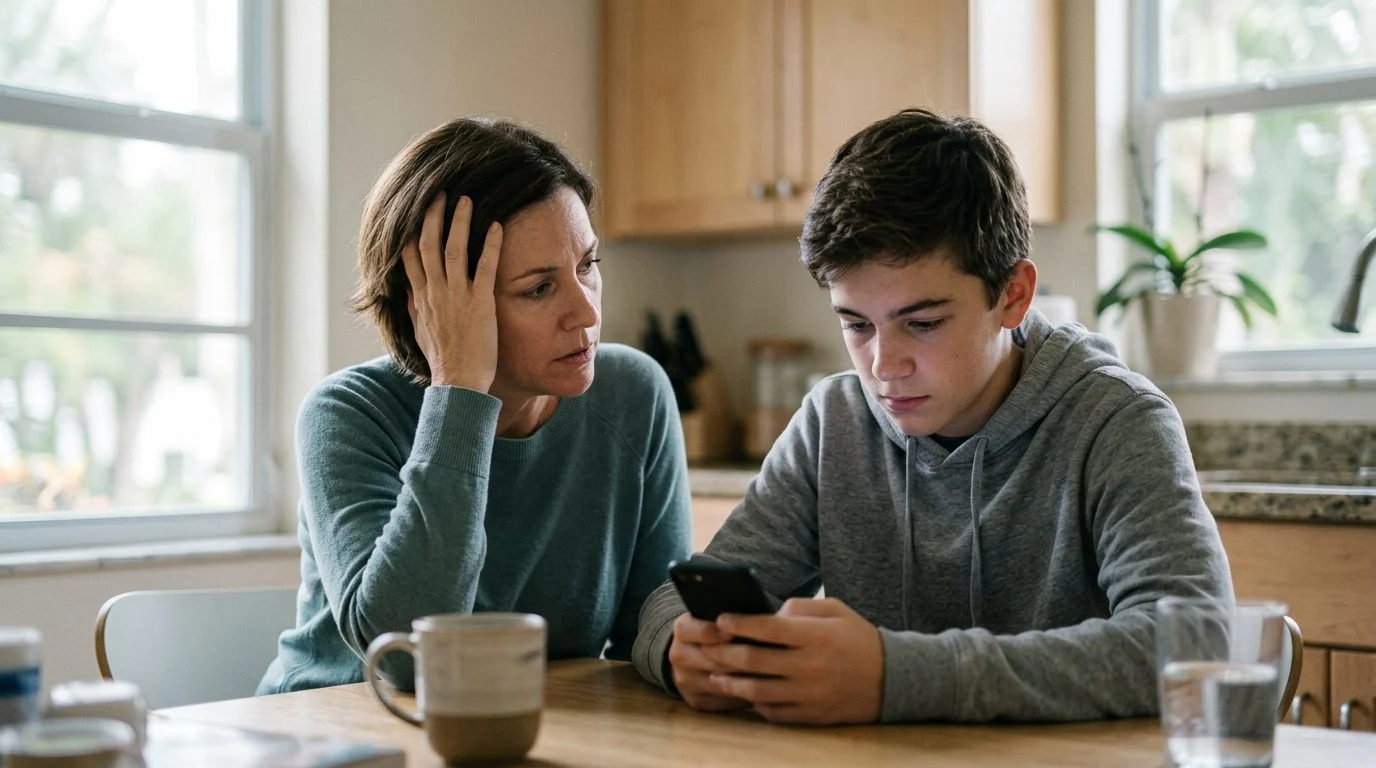
If your child has grown withdrawn, anxious, or depressed, you may be asking a hard question. Could a social media addiction lawsuit in Miami Beach apply? Your child may also be struggling with an eating disorder while spending long hours on social media apps. Many families are asking this question now. The answer depends on the facts of each child’s situation.
Searching for answers about a child’s mental health is stressful. You did not choose this situation. You do not have to sort out every option alone.
This page explains what these lawsuits allege. It also explains what Florida parents may consider next. It is not medical advice. Please follow your child’s doctors and treatment team.
Federal health officials describe an association between heavy social media use and depression and anxiety among young people (HHS Surgeon General’s report). Hillsborough County’s guidance describes signs of mental-health difficulty linked to technology use (Hillsborough County guidance). An association is not the same as legal proof. We explain this point below.
If your child may be in crisis right now, call or text 988 to reach the 988 Suicide & Crisis Lifeline. In an emergency, call 911.
What a social media addiction lawsuit is
A social media addiction lawsuit is a civil case. A family files it, usually on behalf of a minor, against social media companies. “Civil” means the case asks for compensation for harm. It is separate from any criminal case.
The family says serious mental-health harm to their child was connected to how the platform was built and used.
These claims are a type of personal injury claim. They ask a court for money. The money is meant to help cover what the injury has cost the child and the family.
Two terms often get mixed up:
- An individual family claim is filed for one child.
- MDL 3047 is the consolidated federal social media litigation. It groups many similar cases together for pretrial steps. (An MDL is a federal case that handles many related lawsuits together before trial.)
CHG Personal Injury Lawyers does not act as lead counsel in any MDL.
These matters may be referred to, or handled together with, another law firm. If that happens in your family’s case, you will be told in advance.
What these lawsuits allege about platform design
The lawsuits allege that platforms were designed to be addictive. Plaintiffs point to features such as infinite scroll, autoplay, push notifications, and engagement-based recommendations.
These are allegations made by the people who file the suits. They are not findings a court has made.
The lawsuits describe harms to minors. These include depression, anxiety, eating disorders, and sleep disruption. Some describe self-harm and suicide attempts. We discuss these harms only in general terms. We never describe methods.
Research shows associations, not verdicts. One cross-sectional study (a study that looks at many people at one point in time) included 830 participants. It found that peer pressure was associated with mobile social media addiction among adolescents (peer pressure study). The CDC also tracks poor mental health among U.S. adolescents (CDC youth mental health).
According to news coverage from October 2023, Florida’s Attorney General sued Meta. The state cited features it described as addictive. Current status changes over time. Treat older reports as a snapshot.
Who may be able to file a social media addiction lawsuit for a child or teen
The rules about who may bring a claim for an injured child can be complex, so families should ask a lawyer about their situation early. A guardian ad litem is a person a court appoints to protect a child’s interests in a case. The adult who can act for a child matters (Florida tolling statute).
The child’s own role and the family’s role are different. A lawyer can explain how they apply.
Factors that often matter include:
- The child’s age
- Which platforms were used
- How long and how often the child used them
- The diagnosed condition
- Treatment history
A diagnosis from a treating doctor or therapist is typically part of building a claim. The medical records behind that diagnosis matter too. Keep appointment notes, school letters, and any record of your child’s app use, if you have them.
No one can say in advance whether a particular child’s situation will qualify. A free review is how families learn where they stand.
How the process works, step by step
Most cases follow a path like this:
- Free consultation. You talk with our team by phone or in person. It is confidential, with no obligation to continue.
- Review. We look at your child’s history, records, platform use, and timeline. We answer your questions.
- Investigation. If the case moves forward, we gather medical and digital records. This may involve outside consultants and medical providers.
- Filing and case work. The case is filed. Then come pleadings (formal court papers) and discovery (the exchange of records and information). The case may end in negotiation or trial. Timelines vary. You will be kept informed at each step.
CHG charges no attorney’s fees and no case costs unless there is a recovery.
Not sure what your next step is?
Talk it through with our team — the first consultation is free, confidential, and carries no obligation.
Florida deadlines and why timing matters
Florida law sets time limits for filing personal injury claims. These deadlines are set out in the state’s limitations statute, the law that sets filing deadlines (Florida limitations statute). Deadlines are short. A missed deadline can end a claim.
For minors, the rules can differ. Florida’s limitations statute gives two years to bring an action founded on negligence; a separate tolling statute can pause that clock for a minor only in limited situations. A tolling rule stops the deadline from running for a while.
Florida also applies comparative fault, which means shared blame. Under the state’s comparative fault law, a person found greater than 50 percent at fault for his or her own harm may not recover any damages in a negligence action to which that law applies (Florida comparative fault law). This does not apply to an action for damages for personal injury or wrongful death arising out of medical negligence under chapter 766 (Florida comparative fault law).
Do not assume time remains. The pauses are narrow. Waiting can limit your options. Contact our team promptly.
About CHG Personal Injury Lawyers
CHG Personal Injury Lawyers is a Florida-based personal injury firm. We serve people throughout Florida.
The firm handles car and truck crashes, slip-and-fall injuries, negligent security cases, catastrophic injuries, and mass-tort matters. Mass torts are cases where many people were harmed in similar ways. These include social media addiction claims. We serve families in Miami Beach and across Miami-Dade County.
Igor Hernandez is the responsible lawyer for this page. He is a Florida lawyer admitted to The Florida Bar. Our lawyers and team explain each step in plain language. That way, families can decide with clear information. We also publish Spanish-language educational content for Spanish-speaking families.
If your child’s mood, sleep, or school life has changed, you may be weighing whether to act. You do not have to face that choice alone. Our team offers a free, confidential consultation with no obligation. Reach us through our contact page.

Frequently asked questions
Can I file a social media addiction lawsuit for my teen in Miami Beach?
It depends on the facts of your child’s situation. A free consultation is how families learn where they stand.
Do I have to pay to talk with CHG?
The first consultation is free, confidential, and without obligation.
Will my child receive a settlement?
No one can promise a result or any amount. Settlements and verdicts are described only as of their stated date and source.
What if my child is in crisis right now?
Call or text 988 to reach the 988 Suicide & Crisis Lifeline. In an emergency, call 911. Contact your child’s doctor as well.
Will another firm handle my case?
It may. These matters may be referred to, or handled together with, another law firm. You would be told in advance.
Steps Parents Can Take Now
Keep Your Records
Save messages, screenshots, school notices, and notes about changes in your child's mood, sleep, schoolwork, and friendships. Organized records help your family's doctors and your lawyers.
Follow Your Child's Medical Care
Follow the guidance of your child's doctors, therapists, and counselors. This page does not offer medical advice, and it cannot replace their care.
Talk With Our Lawyers
Contact CHG Personal Injury Lawyers for a free, confidential first consultation to learn whether your family's situation may fit a lawsuit.
Get Crisis Help Right Away
If your child is in crisis, call or text the 988 Suicide & Crisis Lifeline at 988 right away. Help is available at any hour.
Why Miami Beach Families Contact CHG
Florida-Based Attorneys
Our attorneys are licensed and admitted to The Florida Bar, and we represent families throughout Florida, including Miami Beach.
Free, Confidential First Consultation
The first consultation is free, confidential, and without obligation to continue.
No Fees Unless There Is a Recovery
CHG charges no attorney's fees and no case costs unless there is a recovery.
Clear, Plain-Language Guidance
Our team explains each step in straightforward terms so you can make informed decisions for your family.
Important: These Cases May Be Handled With Another Firm
Social media addiction lawsuits are brought by many families and may be referred to, or handled together with, another law firm. These lawsuits allege that social media platforms were designed to be addictive. Those allegations have not been proven in court unless a court has said so. Deadlines apply, so please contact us promptly.