
Social Media Harm | Serving Families in Florida
Your Child's Health Comes First. Understanding Social Media Addiction Lawsuits in Florida
Lawsuits allege that social media platforms were designed to be addictive and contributed to serious mental-health harm in young people. CHG Personal Injury Lawyers explains what parents should know and how to take the next step.
About CHG Personal Injury Lawyers
Florida
Florida-based firm serving families throughout the state
Licensed
Attorneys admitted to the Florida Bar
English & Spanish
Bilingual educational content for families
Free
Confidential first consultation with no obligation to continue
By CHG Lawyers · Published November 2, 2026
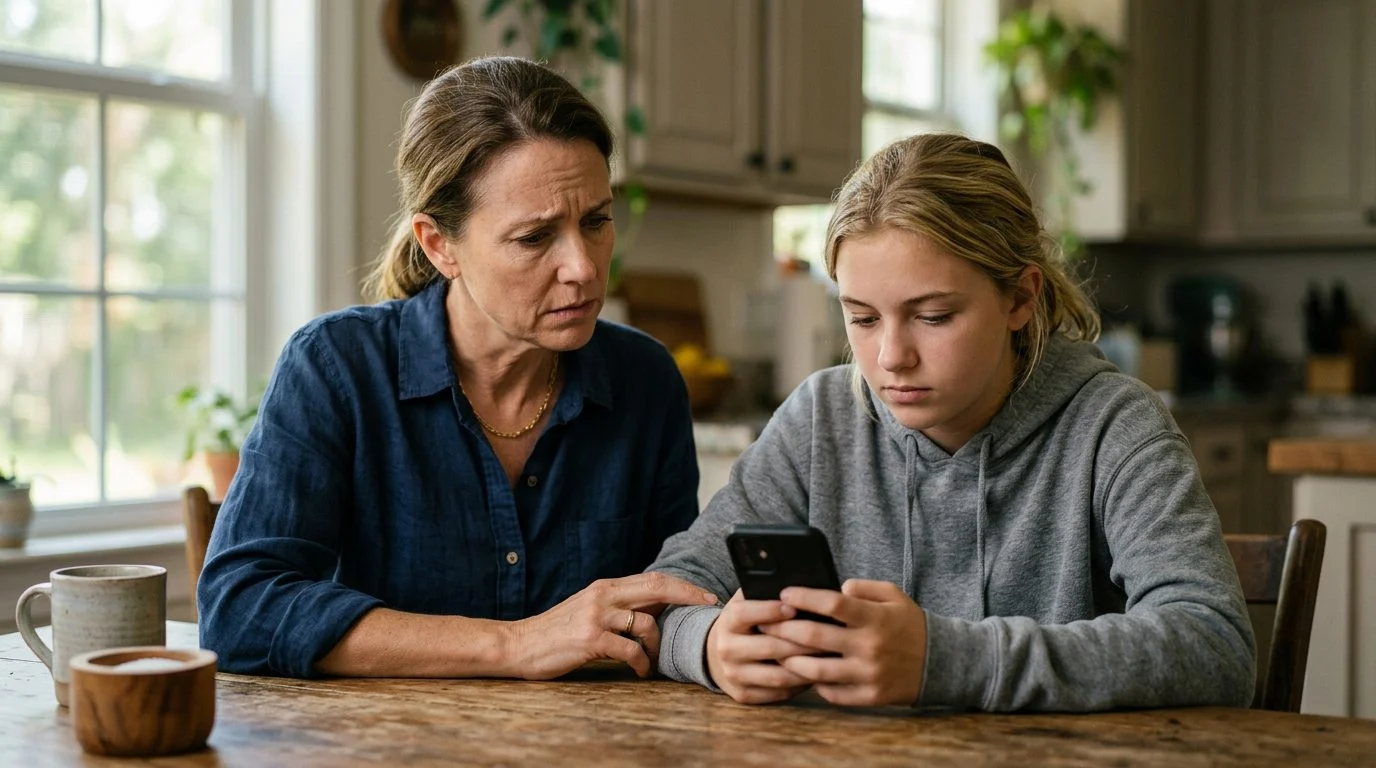
If your child has struggled with depression, anxiety, or self-harm, you may suspect heavy Instagram use is part of the picture. You likely have big questions. Some families in Florida and elsewhere have brought an Instagram addiction lawsuit. A lawsuit is a legal claim. It alleges that the app was designed in ways that harmed young users. Whether your family has a claim depends on the facts. This guide explains what these lawsuits say, what remains unproven, and what steps to consider now.
What Do Instagram Addiction Lawsuits Allege?
Instagram addiction lawsuits allege that the app’s design kept young users coming back compulsively. They also allege that this design harmed their mental health. Plaintiffs, the people who bring the claims, point to features such as:
- Endless feeds that rarely reach a natural stopping point
- Notifications that pull users back into the app
- Recommendations built to keep users watching and scrolling
These are allegations. A court will examine them. Examining a claim does not mean the court has found that the company did anything wrong. The central questions belong to the courts. The outcome for any one child depends on that child’s facts.
Research gives useful context, but it does not decide these claims. The HHS Surgeon General social media report describes an observed association between heavy social media use and higher risks of depression and anxiety. It does not establish legal liability. Keep that difference in mind as you read about any case.
Who May Be Able to Bring a Claim in Florida?
Whether your family has a claim depends on your child’s age, the harm involved, and the facts. The first step is a conversation, not a guess.
Many parents ask whether they can sue for their own distress. Whether a claim exists depends on the facts of each case. Under Fla. Stat. § 768.0415, a person whose negligence causes significant permanent injury to the natural or adoptive parent of an unmarried dependent, resulting in that parent’s permanent total disability, is liable to the dependent for damages, including permanent loss of services, comfort, companionship, and society. That injury must result in permanent total disability. Whether a parent can recover for their own emotional distress depends on the facts of each case and on Florida law.
Deadlines matter. Florida’s filing deadlines are set out in Fla. Stat. § 95.11. For some claims, the deadline can be short. Do not wait to ask questions. Early review protects your options.
Fault can also be shared. Under Fla. Stat. § 768.81, a party found more than 50 percent at fault for their own harm may not recover damages in a negligence case; this does not apply to an action for personal injury or wrongful death arising out of medical negligence pursuant to chapter 766. A lawyer can explain how this rule could apply to your facts.
What Mental-Health Harms Do These Lawsuits Describe?
The lawsuits describe serious mental-health harms in young users. These include depression, anxiety, eating disorders, self-harm, and suicide attempts.
Parents often notice changes before anyone else does. Watch for these signs:
- Pulling away from friends, activities, and family
- Changes in sleep, appetite, or eating habits
- A sharp drop in school performance or attendance
- Strong mood swings or intense distress after phone or app use
Hillsborough County’s guidance on social media and kids’ mental health describes similar signs of difficulty linked to technology use. The CDC’s youth mental health resources describe how common poor mental health is among U.S. adolescents.
Follow your child’s doctors and mental-health providers for every decision about care. If your child is in crisis or may harm themselves, call or text 988 right away. You will reach the 988 Suicide & Crisis Lifeline.
Where Does the Litigation Stand?
On October 6, 2022, the U.S. Judicial Panel on Multidistrict Litigation consolidated federal lawsuits alleging serious harm to young users from social media as MDL No. 3047 (source: JPML transfer order, In re: Social Media Adolescent Addiction/Personal Injury Products Liability Litigation, MDL No. 3047, October 6, 2022). An MDL, or multidistrict litigation, groups similar federal cases before one court. The court handles shared pretrial work for them. Individual cases can still move on their own schedules.
Settlements and verdicts are dated, case-specific facts. A settlement in one case does not mean another family will be included in it. It also does not mean any family will receive an amount. Case status can change. Ask about current status during any consultation.
These cases may be referred to, or handled together with, another law firm. If that applies to your family, the firm will explain it openly at the start.
What Records Should Families Gather Early?
Start by gathering records that show your child’s health, school life, and app use over time. Useful records include:
- Medical and mental-health records from your child’s providers, requested through each provider’s normal process
- School records, including attendance, grade changes, and notes from counselors or teachers
- Screenshots or account information showing how and when your child used Instagram, where that is safe and practical to keep
- Messages or posts, kept exactly as they are
- A simple timeline of when symptoms started, what changed, and when your family sought care
Keep originals. Editing or deleting material can cause problems later. Save copies and bring them to your consultation.
What Happens After You Reach Out?
The process starts with a free, confidential first consultation. You are not required to continue. Here is what to expect:
- Initial consultation. You describe what happened and your child’s situation. The attorney listens and answers your questions.
- Records review. The firm reviews the records and timeline. It checks whether the facts fit the allegations in these lawsuits.
- Next steps. If your family chooses to move forward, the firm explains the filing path. That includes whether another firm would handle the matter alongside it.
- Updates. The firm keeps you informed and welcomes your questions at every stage.
Timing depends on the facts and on the court’s schedule.
How Does CHG Handle Fees and These Cases?
CHG charges no attorney’s fees and no case costs unless there is a recovery.
CHG Personal Injury Lawyers is a Florida-based firm. We represent people throughout Florida, including families in Orlando, Tampa, Jacksonville, and Miami. Igor Hernandez is the responsible attorney for this page. Our attorneys are admitted to practice law in Florida.
Our practice focuses on personal injury matters of every kind. These range from car crashes and slip-and-falls to catastrophic injuries and wrongful death. Families dealing with a child’s mental-health crisis often have questions that do not fit neatly into one category. A consultation helps sort them out.

Frequently Asked Questions
How much money did the Instagram addiction lawsuit pay out?
Any amount depends on each case’s facts and on any settlement or court ruling. No amount can be predicted in advance.
How do I get compensated for social media addiction?
Compensation depends on proof of harm, your child’s specific situation, and how courts rule. Deadlines apply, so contact a firm promptly.
How do I join the Instagram lawsuit?
Start with a free, confidential consultation. Nothing is promised in advance. The firm can review whether your family’s facts fit.
Can I file a lawsuit for emotional distress in Florida?
It depends on the facts. Florida’s parent-injury statute is narrow.
If your child’s mental health has changed and you wonder whether Instagram played a part, you do not have to sort this out alone. Our team can walk through your options with you in a free, confidential consultation.
What Parents Can Do Now
Keep the Lines Open
Talk with your child calmly and without judgment about what they see, post, and feel online. Children are more likely to share difficult experiences when they know they will not be punished for speaking up.
Involve Your Child's Doctor
If you notice changes in mood, sleep, eating, or friendships, speak with your child's doctor or school counselor. Follow the care plan your doctors recommend.
Document What You See
Keep notes, dates, screenshots, and medical and school records. Organized records help your family and your attorneys understand how your child's health has changed over time.
Contact a Law Firm Promptly
Legal deadlines can apply to claims like these. Reach out to CHG Personal Injury Lawyers early so your family understands its options while the details are still fresh.
If Your Child Is in Crisis
If your child is in crisis, or you are worried they may hurt themselves, call or text the 988 Suicide & Crisis Lifeline (988) right away, or call 911 in an emergency. Help is available 24 hours a day.
How CHG Personal Injury Lawyers Can Help
Listening First
Our team takes time to understand your child's situation and your family's concerns, with no pressure to make a decision.
Reviewing Your Facts
Our attorneys review medical, school, and account records to explain what the lawsuits allege and whether your family may have a claim.
Confidential Consultation
Your first consultation is free, confidential, and comes with no obligation to continue.
Shared Responsibility
Some social media cases are handled together with, or referred to, other law firms. We will explain any such arrangement clearly before you decide anything.