

Slip and Fall Claims
What Is the Average Payout for a Slip and Fall Settlement?
Understand what your claim may be worth and how settlements are calculated when a property owner's negligence causes your injury.
By CHG Lawyers · Published September 29, 2026
Slip and Fall Claim: What Your Settlement Is Worth
When you slip and fall on someone else’s property due to negligence, you may have a personal injury claim. Settlement value depends on injury severity, medical costs, evidence of negligence, and how long the hazard existed. This guide explains what determines your claim’s worth and how to pursue fair compensation.

If you were injured and the business was at fault, you may have a claim regardless of how minor the injury initially seemed. Talk it through with our team — the first consultation is free, confidential, and carries no obligation.
What Is a Slip and Fall Claim?
A slip and fall claim is a personal injury lawsuit against a property owner or business. You file it when you are injured because they failed to maintain safe conditions or warn you of a known hazard.
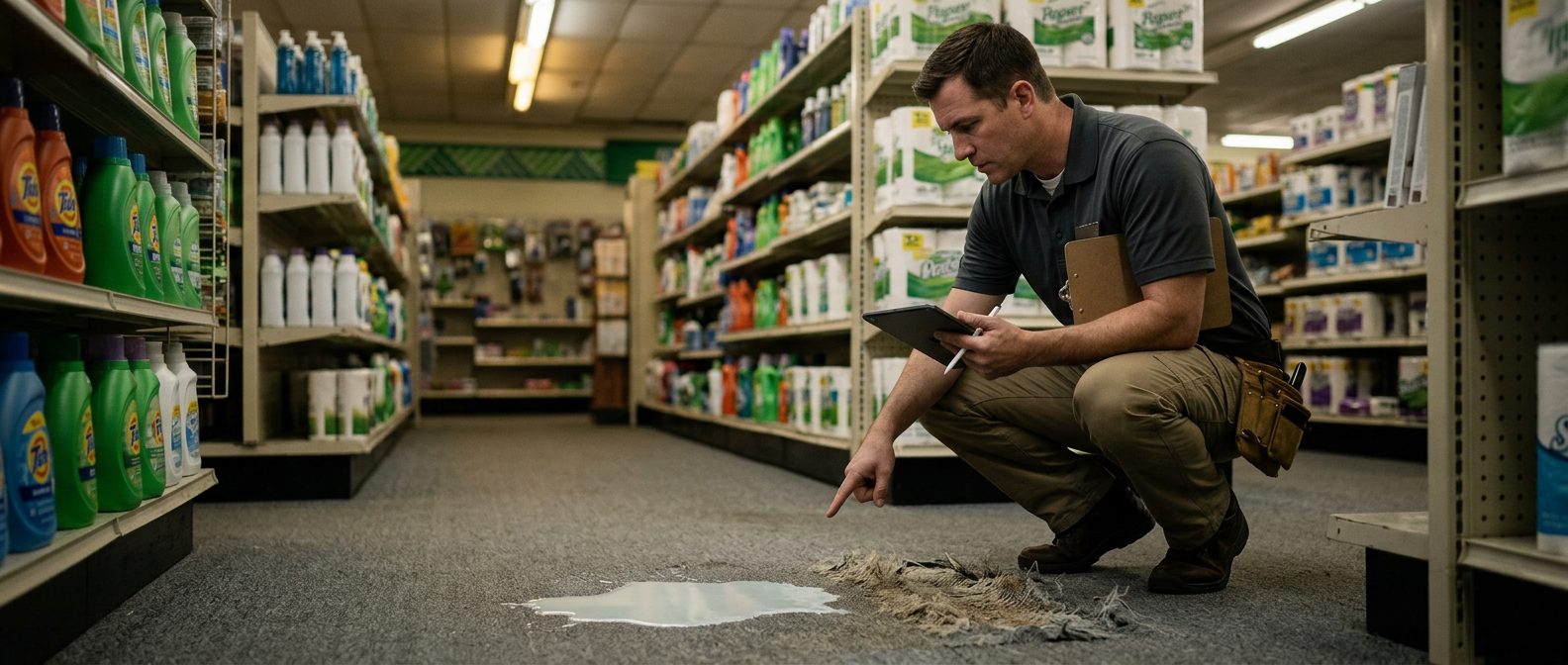
The business is responsible if they knew—or reasonably should have known—about a dangerous condition and did nothing to fix it or warn you. Common examples include:
- Wet floors without warning signs
- Broken stairs
- Poor lighting
- Debris in walkways
- Spilled liquids
- Torn carpet
- Icy parking lots
- Unsecured rugs
Who Can File a Slip and Fall Claim?
Anyone injured on someone else’s property due to negligence can file a claim. This includes customers, employees, delivery personnel, guests, and one-time visitors.
If you were injured and the business was at fault, you may have a claim regardless of how minor the injury initially seemed. Family members of someone who died as a result of a slip and fall may file a wrongful-death claim. This seeks compensation for funeral costs, lost financial support, and loss of companionship.
What Does a Slip and Fall Claim Cover?
A successful slip and fall claim covers:
- Medical expenses: emergency room visits, hospital stays, surgery, physical therapy, ongoing treatment, medications, and medical equipment.
- Lost wages: income you missed while recovering or unable to work.
- Pain and suffering: compensation for physical pain, emotional distress, and reduced quality of life.
- Permanent disability or scarring: additional damages if the injury causes lasting impairment or disfigurement.
- Wrongful-death cases: funeral and burial costs, lost financial support, and loss of companionship.
What Determines Settlement Value for a Slip and Fall Claim?
Settlement value for a slip and fall claim depends on specific factors unique to your case.
Injury Severity
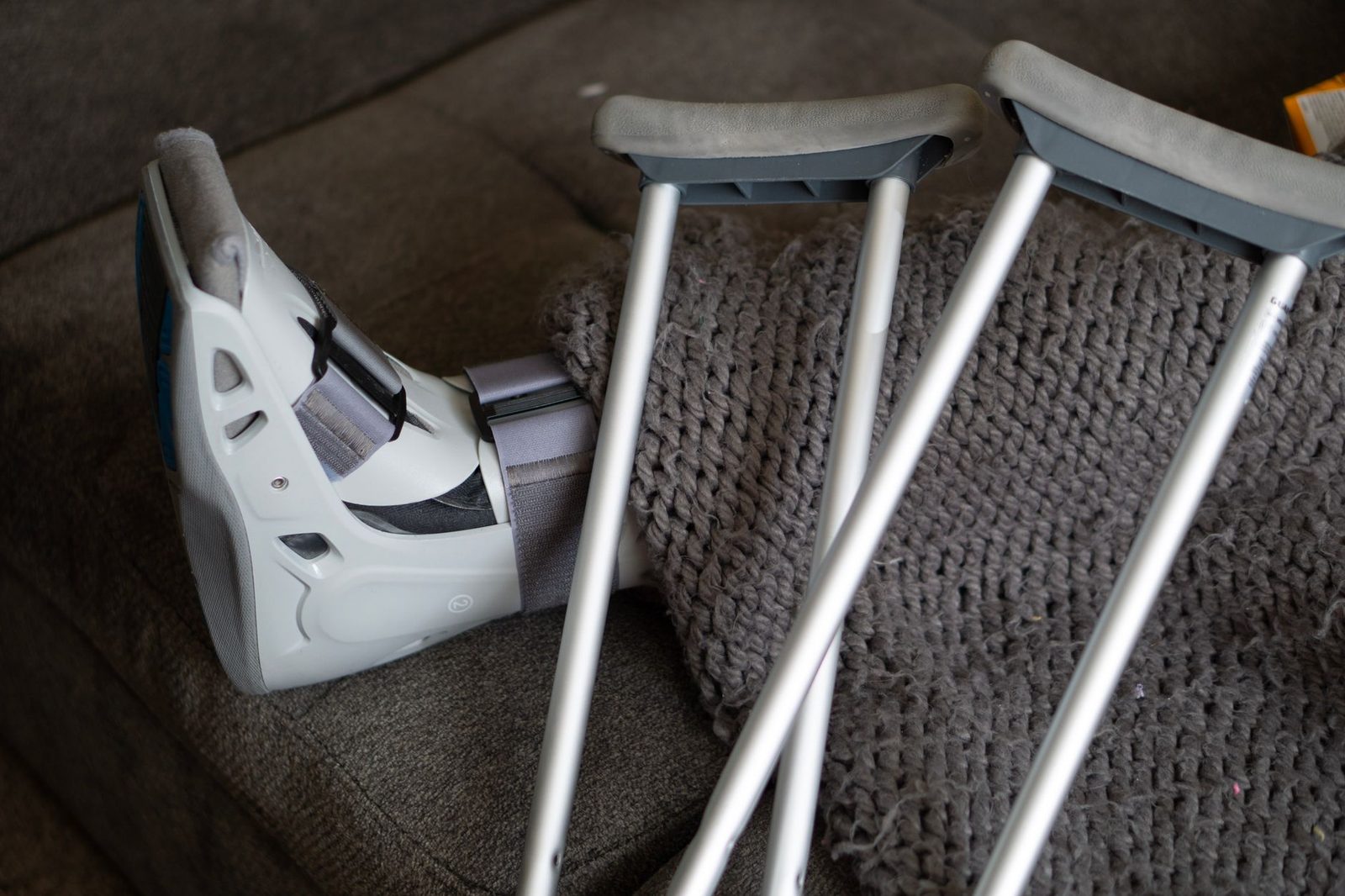
Minor sprains and small cuts settle for less. Fractures, head injuries, surgery, and permanent disability command significantly higher payouts.
Medical Costs
Documented treatment expenses form the foundation of most settlements. Higher medical bills increase baseline claim value.
Clear Negligence
Strong evidence that the business was at fault increases settlement value. Surveillance footage showing a hazard existed for hours strengthens liability. Prior complaints prove the business knew about the danger.
How Long the Hazard Existed
If the business had time to notice and fix the problem, liability is stronger. A wet floor that existed for minutes differs from one that sat for hours.
Comparative Fault
Florida applies a modified comparative fault rule. If you were partly responsible—for example, not paying attention or wearing inappropriate footwear—your recovery is reduced by your percentage of fault. If you are found more than 50% at fault, you generally recover nothing under Fla. Stat. §768.81(6).
Jurisdiction and Local Law
Florida courts apply specific standards that affect settlement ranges. Cases in Miami may differ from those in rural areas based on local jury expectations.
Insurance Policy Limits
The business’s liability insurance cap may limit what you can recover, even if damages are higher.
Typical Settlement Ranges for a Slip and Fall Claim
Settlement ranges depend on injury severity:
- Minor injuries (sprains, small cuts, brief treatment): typically $1,000–$10,000.
- Moderate injuries (fractures, extended physical therapy, significant medical bills): typically $10,000–$50,000.
- Serious injuries (surgery, permanent disability, long-term care, ongoing pain): $50,000–$200,000 or more.
- Wrongful-death cases: vary widely depending on the deceased’s age, earning potential, and family circumstances.
These ranges are illustrative and not a promise of any particular result. Your case is unique, and an attorney can evaluate the specific facts to estimate what your slip and fall claim might be worth.
What Is a Fair Settlement Offer?
A fair settlement covers all documented medical expenses plus reasonable compensation for pain and suffering. If you have permanent scarring, ongoing pain, or lost earning capacity, a good settlement accounts for those long-term impacts.
Do not accept the first offer from an insurance company; they often start low. An attorney can evaluate whether an offer is fair based on similar cases and the specific facts of your situation.
Is It Worth Pursuing a Slip and Fall Claim?
Yes, if you have clear evidence of negligence and documented injuries with medical costs. Even “minor” injuries can be worth pursuing if the business was clearly at fault and you incurred real expenses.
If you have permanent scarring, ongoing pain, or lost wages, the claim is almost always worth pursuing. If liability is unclear or your injuries are very minor with no medical treatment, the cost and time may not justify a claim. An attorney can review your situation and advise whether pursuing a claim makes sense.
If you slipped and fell in a store, restaurant, or business and are unsure whether you have a slip and fall claim or what it might be worth, we can help. Talk it through with our team — the first consultation is free, confidential, and carries no obligation.
How to Maximize Your Slip and Fall Claim
Strong documentation is the foundation of a strong claim:
- Take photos of the hazard, the scene, your injuries, and any warning signs (or lack thereof).
- Report the incident to the business immediately and request a written incident report.
- Seek medical attention right away, even if you feel okay; some injuries appear later.
- Keep all medical records, receipts, and bills related to your treatment.
- Track lost wages: get a letter from your employer stating the dates you missed work.
- Do not post about the incident on social media; insurance companies monitor these posts.
- Do not give a recorded statement to the insurance company without legal advice.
- Preserve evidence: keep the clothes and shoes you were wearing and maintain photos of the scene.
Learn more about how to document injury evidence to strengthen your claim.
Timeline for a Slip and Fall Claim Settlement
Timeline depends on complexity:
- Simple cases with clear liability and minor injuries: 3–6 months.
- Moderate cases with documented injuries and some dispute over fault: 6–12 months.
- Complex cases with serious injuries, multiple parties, or litigation: 1–3 years or longer.
Most cases settle before trial. Your attorney can give you a realistic timeline based on your specific case.
Evidence Needed to Prove a Slip and Fall Claim
Strong evidence includes:
- Photos or video of the hazard (wet floor, broken step, debris, poor lighting).
- Incident report filed with the business at the time.
- Witness statements from people who saw what happened.
- Medical records documenting your injuries and treatment.
- Proof that the business knew or should have known about the hazard (maintenance records, prior complaints, surveillance footage).
- Proof that the business failed to warn you or fix the problem.
- Your testimony about how the fall happened and your injuries.
Understanding negligence in premises liability helps you build a stronger case.
Common Defenses to Slip and Fall Claims
Insurance companies may invoke defenses such as:
- You were not paying attention or were distracted (comparative fault).
- You were wearing inappropriate footwear (high heels, flip-flops on a wet surface).
- The hazard was “open and obvious” and you should have seen it.
- The business had a warning sign posted.
- You did not seek immediate medical attention (suggesting the injury was not serious).
- You did not report the incident to the business at the time.
- You have a pre-existing condition that may have contributed to the fall.
An attorney can address these defenses and build a strong case despite them.
How the Slip and Fall Claims Process Works
The typical process unfolds in steps:
- Gather evidence and medical records; consult with an attorney.
- Attorney sends a demand letter to the business’s insurance company with claim details.
- Insurance company investigates and makes an initial settlement offer.
- Negotiation—your attorney counters and works toward a fair settlement.
- Settlement agreement or, if necessary, filing a lawsuit.
- If litigation is required: discovery, depositions, and potentially trial.
Most cases settle without going to court. Learn more about the settlement negotiation process.
Frequently Asked Questions
Q: Do I have to pay to file a slip and fall claim?
No. You file a claim at no cost. You only pay attorney fees if you recover money.
Q: Can I still file if I was partly at fault?
Yes. Florida allows recovery even if you were partially responsible, as long as the business was more than 50% at fault under Fla. Stat. §768.81(6).
Q: What if the business says I signed a waiver?
Waivers do not protect a business from liability for negligence in most cases. An attorney can review whether it applies to your situation.
Q: How much will an attorney cost?
Most slip and fall attorneys work on contingency. They take a percentage of your settlement (typically 25–40%) and you pay nothing upfront.
Q: Can I sue a restaurant if I slipped on food they served?
Yes, if the food was left on the floor due to the restaurant’s negligence and they failed to clean it or warn you.
Q: What is the deadline to file a slip and fall lawsuit in Florida?
Florida negligence claims have a two-year deadline to file a lawsuit under Fla. Stat. §95.11(4)(a). Do not wait; contact an attorney early.
Not sure what your next step is?
Talk it through with our team — the first consultation is free, confidential, and carries no obligation.
Why Choose CHG Personal Injury Lawyers
We focus exclusively on personal injury claims, including slip and fall cases in stores, restaurants, businesses, and other commercial properties across Florida and nationwide. Our attorneys have years of experience evaluating slip and fall claims, negotiating with insurance companies, and taking cases to trial when necessary.
We understand the specific factors that affect settlement value and know how to build a strong case with evidence and documentation. We handle all communication with the insurance company so you can focus on recovery. We work on contingency: you pay nothing unless we recover money for you.
Our attorneys are licensed to practice in Florida and handle cases nationwide.
Get a Free Case Evaluation
If you slipped and fell in a store, restaurant, or business and are unsure whether you have a slip and fall claim or what it might be worth, we can help. Contact CHG Personal Injury Lawyers for a free, confidential case evaluation.
We will review the facts, explain your options, and advise you on next steps—with no obligation.
Get your free case evaluation today.
No Upfront Cost
You do not pay attorney fees unless your claim results in a recovery. You file a slip and fall claim at no cost to you.
What Affects Your Settlement Value
Severity of Your Injury
More serious injuries—fractures, head trauma, spinal damage, or permanent disability—typically result in higher payouts than minor sprains or bruises.
Medical Costs and Lost Wages
Your settlement includes past and future medical bills, rehabilitation, lost income, and ongoing care needs related to the accident.
Pain, Suffering, and Disability
Compensation accounts for physical pain, emotional distress, reduced quality of life, and any permanent impairment caused by the fall.
Property Owner's Liability
Clear evidence that the business knew (or should have known) about the hazard and failed to fix it or warn you strengthens your claim's value.
Common Questions About Slip and Fall Payouts
Can I recover if I was partly at fault?
Yes. Florida law allows you to recover even if you were partially responsible, as long as the property owner was more than 50% at fault for the dangerous condition.
What if the business claims I was careless?
The property owner has a duty to maintain safe premises and warn visitors of hazards. Your own carelessness does not eliminate their responsibility if they created or ignored a dangerous condition.
How long do I have to file?
Time limits apply to slip and fall claims. Contact an attorney promptly to ensure your claim is filed within the required window and to preserve evidence.
What if I signed a waiver?
A waiver may not shield a business from liability for gross negligence or reckless conduct. An attorney can review whether a waiver applies to your situation.
Why Work With CHG Personal Injury Lawyers
We Handle the Claim
You focus on recovery. We investigate the accident, gather evidence, negotiate with insurers, and fight for fair compensation on your behalf.
Thorough Case Investigation
We collect incident reports, medical records, witness statements, and property maintenance logs to build a strong case for your settlement.
No Delays or Surprises
We move your claim forward efficiently and keep you informed every step of the way—from filing through settlement or trial.
Compassionate, Direct Guidance
We understand the physical and financial toll of a serious fall. We explain your options in plain language and answer your questions honestly.