

Slip and Fall Claims
What Is Your Slip and Fall Settlement Worth?
Understanding how damages are calculated when you're injured on someone else's property—and what your case may be worth.
By CHG Lawyers · Published September 20, 2026
Slip and Fall Settlement Amounts in Florida: What Your Claim Is Worth
A slip and fall settlement in Florida depends on three things: how serious your injury is, whether the property owner was careless, and what damages you can prove. Settlements range from thousands of dollars for minor injuries to six or seven figures for catastrophic, permanent injuries. Understanding what drives settlement amounts—and what Florida law requires—helps you know what your claim is really worth.
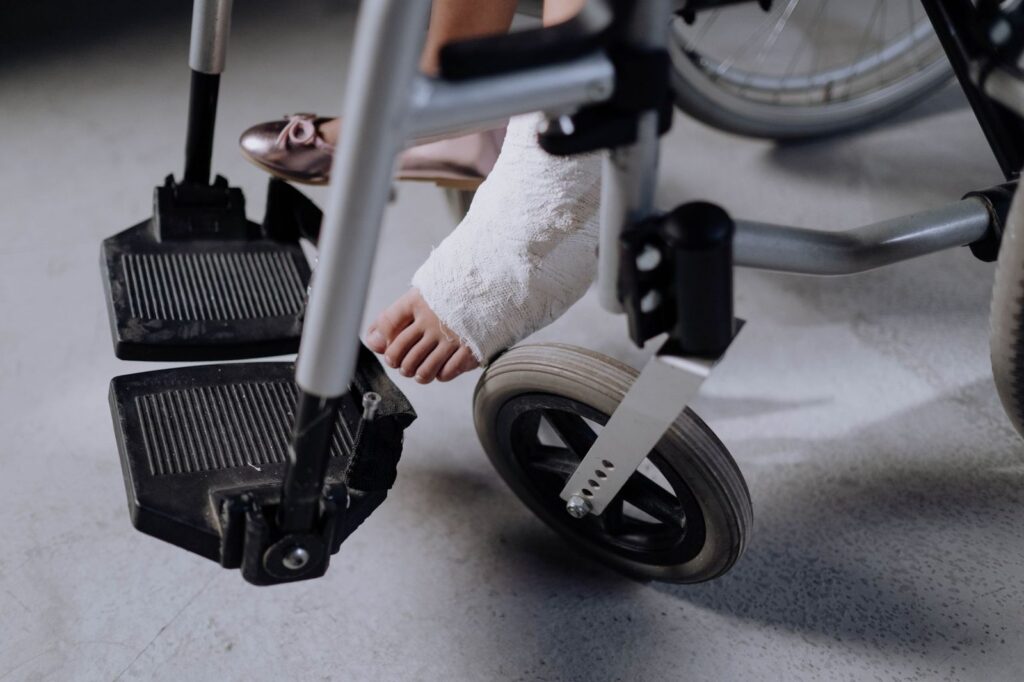
If your injury causes lasting impairment, you may recover damages for long-term or permanent effects on your quality of life and independence. Talk it through with our team — the first consultation is free, confidential, and carries no obligation.
What Slip and Fall Settlements Typically Cover in Florida
In Florida, slip and fall settlements for routine cases usually range from $15,000 to $175,000. These involve fractures, sprains, or soft-tissue injuries that heal within months. But settlements and jury verdicts can be much higher for severe injuries like spinal cord damage, traumatic brain injuries, or amputations.
Two similar-looking falls can have very different values:
- A fracture that heals completely within weeks may settle for $20,000 to $50,000 if the owner was clearly at fault.
- A fall causing a spinal injury, traumatic brain injury, or permanent disability can settle for $200,000, $500,000, or more—sometimes exceeding $1 million when the injury causes permanent paralysis, cognitive impairment, or lifelong lost earning power.
The difference isn’t just the initial medical bill. It’s the lifetime cost of care, lost income, and pain and suffering.
Settlement amounts reflect four main categories of damages under Florida law:
- Medical expenses: emergency care, surgery, physical therapy, ongoing treatment, assistive devices, and home modifications
- Lost wages: income you missed while recovering
- Pain and suffering: physical pain and emotional distress
- Permanent disability: lasting harm affecting your quality of life and ability to earn
Florida’s Legal Standard for Premises Liability
Under Florida Statute § 768.0755, property owners have a legal duty to keep their premises safe and warn of known hazards. A property owner is liable for your slip and fall injury if:
- The owner knew, or should have known, about the hazardous condition.
- The owner failed to warn you or failed to fix the hazard within a reasonable time.
- Your injury resulted directly from that carelessness.
Florida courts recognize two types of carelessness:
- Actual knowledge: the owner knew about the hazard.
- Constructive knowledge: the owner should have known because the hazard was visible or the owner’s maintenance practices were poor.
Prior maintenance complaints, ignored repair requests, or earlier incidents at the same location all suggest constructive knowledge. These are powerful evidence in settlement negotiations.
Why Apartment Complexes and Rental Properties Create Special Liability
Apartment complexes and rental properties create unique liability situations. Multiple parties may be responsible—the owner, the management company, the maintenance contractor, or all three. Each may carry separate insurance, and each may share liability.
Common hazards in residential properties include:
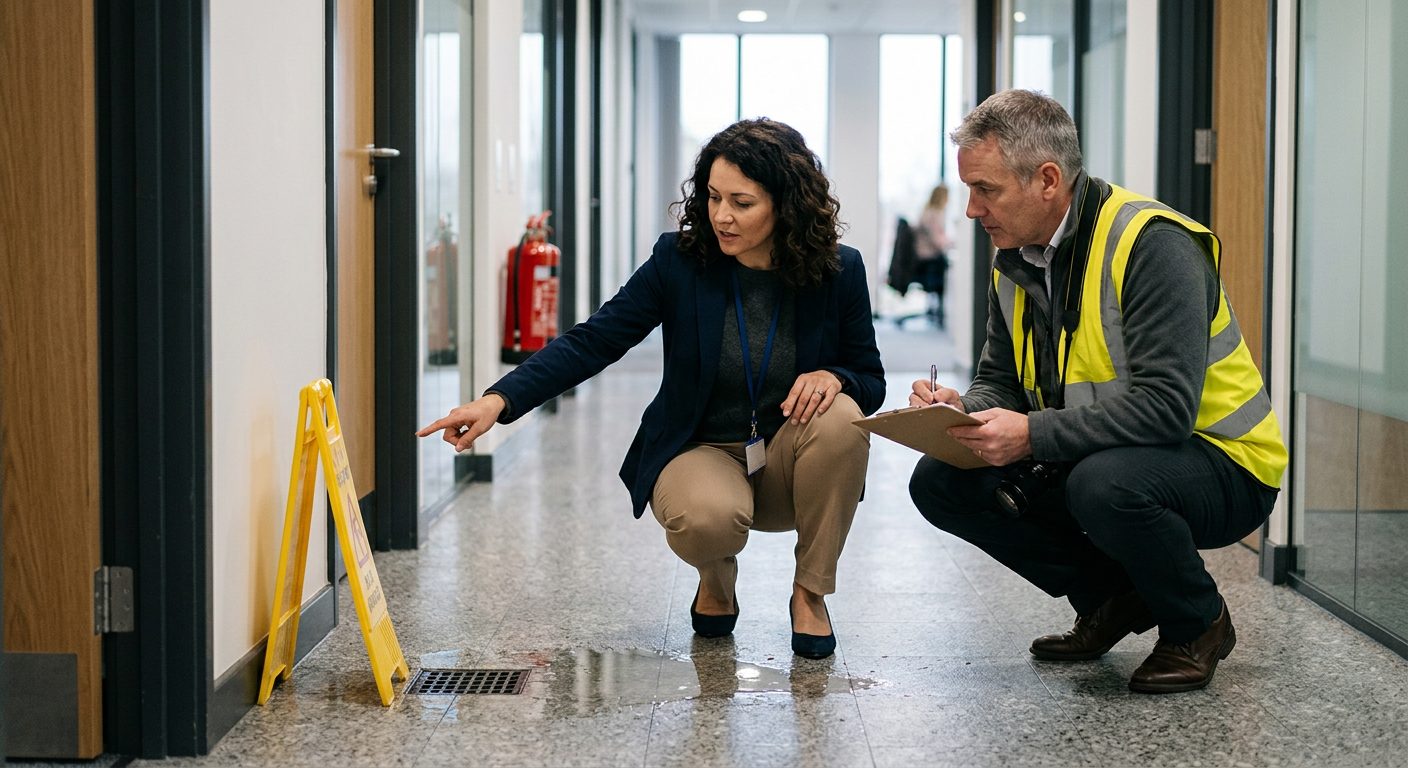
- Wet or slippery floors without warning signs
- Broken or uneven stairs
- Poor lighting in hallways, stairwells, or parking areas
- Missing or inadequate handrails
- Unmaintained walkways or common areas
- Cracked or raised pavement in parking lots
- Broken or missing security gates or doors
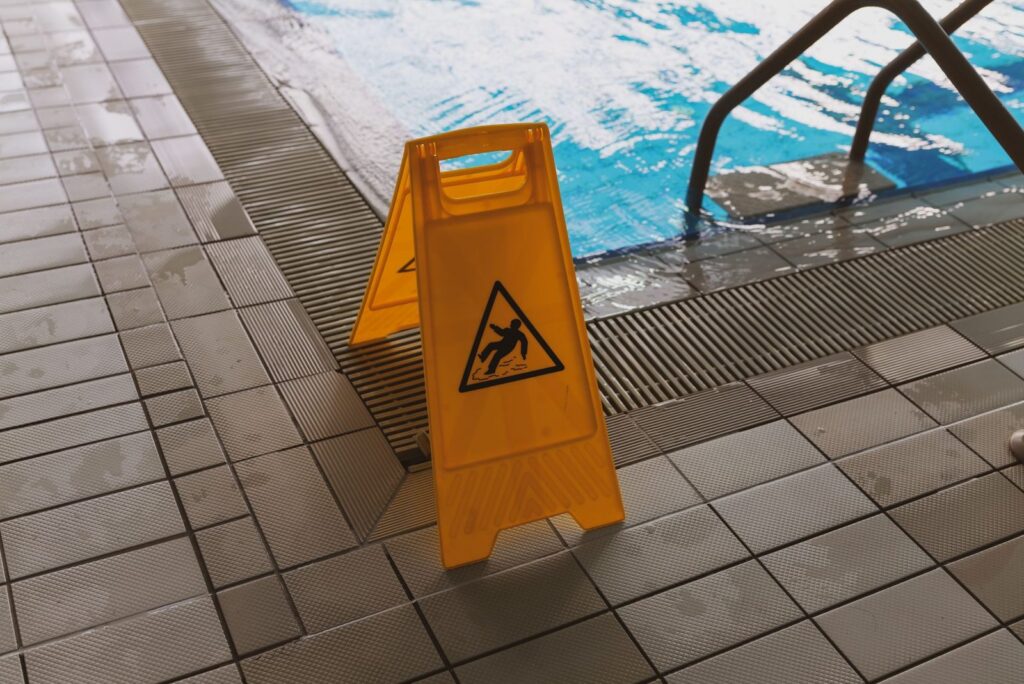
- Poolside hazards (broken tiles, algae, inadequate drainage)
Rental properties often have documented histories that strengthen your claim. Maintenance logs, repair requests, prior incident reports, and tenant complaints create a record. This record shows the owner knew or should have known about the problem. Under Florida’s discovery rules, your attorney can obtain these records during litigation. They often become decisive in settlement negotiations.
Insurance coverage matters too. Apartment complexes typically carry commercial general liability insurance. The size of that policy affects how much can be recovered. A property owner with a $1 million policy has a hard ceiling on recovery. A property with $5 million coverage allows for larger settlements.
Key Factors That Affect Settlement Amounts in Florida
Injury severity and type. A broken wrist that heals is worth less than a spinal injury, traumatic brain injury, or amputation. Under Florida case law, permanent disabilities command higher settlements. They affect your earning potential and quality of life for decades. A 35-year-old with a spinal cord injury causing paraplegia has 30+ years of lost earning capacity. A 70-year-old with the same injury may have fewer earning years but higher immediate care costs.
Medical treatment and ongoing care. Surgery, hospitalization, or months of physical therapy increase your damages. Future costs for ongoing treatment, assistive devices (wheelchairs, walkers, specialized equipment), home care, or home modifications are part of your claim. They are often the largest component in catastrophic cases.
Lost income and earning capacity. You can recover wages you missed during recovery. If the injury permanently reduced your ability to earn—because you can’t return to your job, can only work part-time, or must change careers—that lost earning capacity is a major settlement component. Florida courts allow expert testimony from vocational rehabilitation specialists to calculate lifetime earning loss.
Clarity of the property owner’s liability. Strong evidence of carelessness leads to higher settlements. Clear liability means the owner knew about the hazard, failed to fix it, and you were injured as a result. Weak liability (for example, if the hazard appeared suddenly and the owner had no reasonable way to know about it) leads to lower offers or a riskier trial.
Your age and pre-existing conditions. Younger people with longer earning potential typically receive higher settlements. Pre-existing conditions don’t eliminate your claim, but they can reduce settlement if the defendant argues the injury worsened an existing problem. Florida’s comparative-fault rule (discussed below) may apply.
Insurance coverage available. The defendant’s liability policy has limits. If your damages exceed those limits, you may not recover the full amount. Your own uninsured/underinsured motorist coverage (if applicable) or homeowner’s insurance may provide additional recovery.
Is It Worth Suing for a Slip and Fall in Florida?
A slip and fall claim is worth pursuing if the property owner was careless and you suffered real damages. “Real damages” doesn’t require permanent disability. Even an injury requiring medical care, causing you to miss work, or creating ongoing pain justifies a claim.
The key is carelessness: did the property owner fail to maintain the property, warn of a hazard, or fix a known problem? If yes, and you were injured as a result, you have a potential claim.
Many slip and fall cases settle without trial. Settlement is faster, less stressful, and more predictable than trial. An attorney can evaluate your injury, the evidence of carelessness, available insurance, and comparable verdicts in your county. This gives you a realistic settlement range.
Not sure what your next step is?
Talk it through with our team — the first consultation is free, confidential, and carries no obligation.
What Counts as Damages in a Florida Slip and Fall Case
Florida law allows you to recover several types of damages:
- Medical expenses: emergency care, doctor visits, imaging, surgery, hospital stays, physical therapy, ongoing treatment, assistive devices, home modifications
- Lost wages: income you missed while recovering or unable to work
- Reduced earning capacity: if the injury permanently limits your ability to work or earn (calculated over your expected working lifetime)
- Pain and suffering: compensation for physical pain, emotional distress, anxiety, reduced quality of life
- Permanent disability or disfigurement: higher damages if the injury causes lasting impairment or visible scarring
- In wrongful-death cases: funeral and burial expenses, loss of financial support to surviving family members, loss of companionship
Florida Statute § 768.72 sets a cap on non-economic damages (pain and suffering) in medical-malpractice cases, but slip and fall claims are not subject to that cap. However, damages must be supported by evidence—medical records, expert testimony, and documentation of lost income.
What Makes a Strong Slip and Fall Claim
A strong claim rests on evidence. The best claims include:
- Proof the owner knew or should have known about the hazard: maintenance records, prior complaints from residents, prior incident reports, testimony from maintenance staff, security camera footage showing the hazard existed for hours or days before your fall
- Evidence the owner failed to fix the problem or warn residents: photos or video showing the hazard remained unfixed for weeks or months; absence of warning signs or caution tape; testimony that residents reported the hazard and it was ignored
- Documentation of the fall itself: photos of the hazard and fall location; witness statements with contact information; an incident report filed with management; your own notes about what happened
- Medical records linking the injury to the fall: a doctor’s report stating your injuries match the type of fall you described; imaging (X-rays, MRI) showing the injury; medical notes from your first visit
- Expert testimony: a safety engineer or property-maintenance professional can testify about what a reasonable owner should have done to prevent the hazard or warn visitors
Clear liability makes settlements faster and larger. Disputed liability makes settlement harder and may lead to trial.
How Settlement Negotiations Work in Florida
After you hire an attorney, your lawyer sends a demand letter to the property owner’s insurance company. The letter describes what happened, explains why the owner was careless under Florida law, and lists your damages with supporting documentation (medical bills, pay stubs, photos, witness statements, expert reports).
The insurer makes an initial offer, often lower than your claim’s worth. Your attorney counters with additional evidence or a higher demand. Negotiation follows back and forth. If settlement talks stall, the case may proceed to mediation—a neutral third party helps both sides reach agreement—or to trial.
Most slip and fall cases settle before trial. Settlement saves time, reduces stress, and avoids jury verdict uncertainty.
What a Good Settlement Offer Looks Like
A good offer covers all your documented medical expenses, lost wages, and a reasonable amount for pain and suffering. It accounts for your age, the permanence of the injury, and your long-term needs. It reflects the strength of liability evidence and the defendant’s insurance resources.
A good offer shouldn’t pressure you to accept quickly. You have time to consult an attorney, review the offer, and decide whether it’s fair.
Florida’s Comparative-Fault Rule
Florida follows a comparative-fault rule under Florida Statute § 768.31: as long as you’re not more than 50% at fault, you can still recover damages. However, the amount is reduced by your percentage of fault. For example, if a jury finds you 20% at fault and awards $100,000 in damages, you recover $80,000.
This rule applies to slip and fall cases. If the defendant argues you were careless (for example, you weren’t watching where you walked), your recovery may be reduced—but you can still recover if your fault doesn’t exceed 50%.
Have questions about what happened?
Ask our team directly. The first conversation is free, confidential, and there is no obligation to continue.
Next Steps if You’ve Been Injured in a Fall
If you’ve fallen at an apartment complex, rental property, or other business premises in Florida:
- Seek medical attention immediately, even if the injury seems minor. A doctor’s report creates a medical record linking your injury to the fall.
- Document the scene: take photos of the hazard, fall location, your visible injuries, and surrounding area. Capture poor lighting, broken stairs, wet floors without warning signs, or other conditions that caused the fall.
- Report the fall to property management in writing—email or certified mail—and keep a copy. This creates a record that the owner was notified.
- Gather witness information: if anyone saw the fall, get their name, phone number, and email address.
- Keep all medical records, receipts, pay stubs, and documentation of lost income. These are the foundation of your damages claim.
- Don’t sign anything or give a recorded statement to the property owner’s insurance company without consulting an attorney first. Insurance adjusters are trained to minimize claims.
- Consult an attorney who focuses on slip and fall cases in Florida. An attorney can evaluate your claim under Florida law, explain your legal rights, gather evidence, and advise whether settlement or trial is more likely.
For help understanding your slip and fall claim and settlement options, contact us for a free case evaluation. We’ll review your fall, explain your rights under Florida law, and discuss realistic next steps—no obligation.
FAQ
Can I recover damages if I was partially at fault for my slip and fall?
Yes. Florida Statute § 768.31 allows recovery as long as you’re not more than 50% at fault. Your damages are reduced by your percentage of fault. For example, if you’re found 25% at fault, you recover 75% of your total damages.
How long do I have to file a slip and fall claim in Florida?
You generally have two years from the date of the fall to file a lawsuit under Florida Statute § 95.11. However, don’t wait. Evidence disappears, memories fade, and witnesses become harder to locate. The sooner you consult an attorney, the stronger your claim.
What if the property owner says I signed a waiver?
A waiver may limit liability in some cases, but property owners cannot waive their duty to maintain safe premises or warn of known hazards under Florida law. An attorney can evaluate whether any waiver you signed is enforceable.
Do I need an attorney for a slip and fall case?
You don’t have to hire an attorney, but it’s usually wise. Insurance companies are experienced at negotiating and often offer less to unrepresented claimants. An attorney handles negotiations, gathers evidence, calculates damages, and ensures you understand your rights under Florida law.
What if my fall happened at a business,
What Slip and Fall Damages Include
Medical Expenses
Emergency room visits, hospital stays, surgery, physical therapy, ongoing treatment, and any future medical care related to your injury.
Lost Wages and Income
Compensation for time missed from work while recovering, and lost earning capacity if your injury prevents you from returning to your job.
Pain and Suffering
Compensation for physical pain, emotional distress, loss of enjoyment of life, and the impact of your injury on daily activities.
Permanent Disability
If your injury causes lasting impairment, you may recover damages for long-term or permanent effects on your quality of life and independence.
How We Evaluate Your Case
Investigate the Scene
We gather evidence about the hazard, maintenance records, prior complaints, and whether the property owner knew or should have known about the danger.
Assess Your Liability
We determine whether the property owner owed you a duty of care and whether they breached it by failing to maintain safe conditions or warn you of hazards.
Document Your Injuries
We work with medical providers to establish the full scope of your injuries, treatment, and prognosis—critical to valuing your claim fairly.
Calculate Fair Compensation
We analyze comparable settlements, your specific damages, and the strength of liability to reach a realistic estimate of what your case is worth.
Partial Fault Does Not Bar Your Claim
In Florida, you can still recover damages even if you share some responsibility for the fall—as long as you are not more than 50% at fault. Your recovery is reduced by your percentage of fault. For example, if you are found 25% at fault, you recover 75% of your total damages.
Factors That Affect Settlement Value
Severity of Your Injury
Minor sprains settle for far less than fractures, head injuries, or injuries requiring surgery and extended recovery.
Clarity of Liability
Cases where the property owner's negligence is obvious—a wet floor with no warning sign, a broken step, inadequate lighting—tend to settle higher.
Your Age and Income
Younger people with longer working lives, and those with higher incomes, often have higher damage awards because lost earning capacity is greater.
Insurance Coverage
The property owner's liability insurance limits affect how much is available to pay your claim. Inadequate coverage can cap your recovery.